


AI will change how food distributors run order management and stock control
AI reads orders, predicts demand, and suggests stock moves. It then triggers fulfilment workflows and alerts staff. In plain terms, an AI assistant acts like a digital planner that checks past orders, watches inventory, and tells teams what to pick, when to reorder, and which route to use. This helps food distributors reduce manual entry and speed up order management while keeping stock fresh.
Use case numbers are clear. AI-driven supply chain tools can improve efficiency by up to 30% and cut food waste and stockouts in pilots and production systems (source). A quoted industry view explains the point: “AI provides food distributors with the ability to analyze real-time data and respond dynamically to supply chain disruptions, ensuring fresher products reach consumers faster” (source). That sentence shows why timing and freshness matter to distributors.
Short example: an AI demand forecasting model aligns purchasing with predicted sales. This reduces spoilage because orders match what shops sell. You see measurable drops in spoilage % and fewer emergency buys. Track simple metrics such as fill rate, spoilage %, order-cycle time, and OTIF. Those numbers show progress fast.
Operationally, an AI assistant integrates with ERP and POS systems to pull past orders and current inventory. The assistant integrates data, runs analytics, and sends auto-orders when thresholds hit. Teams can automate reorders for recurring SKUs and set manual review for fragile lines. virtualworkforce.ai offers no-code AI email agents that draft context-aware replies and update systems, which cuts handling time and reduces errors in order desks (see ERP email automation).
Start small and free where possible. Run a free pilot on a single product family for 8–12 weeks. Measure processing time, order accuracy, and food waste. Then expand if the ROI is clear. The goal is to streamline operations, reduce manual entry, and transform order management into a data-driven activity that supports sales reps and the finance team.
use cases: where AI agents bring the biggest gains in food distribution
There are clear use cases where AI makes immediate impact. First, demand forecasting that uses past orders, promotions, weather, and customer preferences cuts blind ordering. Second, automated processing orders speeds up the order desk and reduces manual entry. Third, route optimisation for perishables keeps cold chains intact. Last, dynamic pricing and promotion response can help reduce food waste and increase margins.
Chatbots and AI agents for supplier ordering handle bulk order intake, validate stock, and generate purchase orders. They can take orders via WhatsApp, email, or a web chat and then confirm quantities against ERPs. In trials, order processing time fell by about 30% and manual errors dropped by around 25% in reported pilots (source). Those results point to real savings for foodservice distribution and food and beverage distributors.
Concrete figures exist. AI-powered systems improve supply chain efficiency and reduce operational costs by as much as 30% in some implementations (source). For pilots, focus on recurring orders, replenishment thresholds, and urgent re-allocations. These functions drive quick wins and fast ROI, which helps secure budget for broader automation.
Which functions to pilot first? Start with recurring orders and order entry for high-volume SKUs. Next, trial dynamic routing for one delivery route. Finally, add a chatbot to handle order queries and customer inquiries. That sequence reduces processing time and eases change for human agents. Use analytics dashboards to track order accuracy, confirmations, cancellations, and confirmation time.
AI agents also enable personalized support and enhance customer relationships. A digital assistant can suggest substitutions, answer product questions, and file PDFs of invoices automatically. If you want examples and templates for automating logistics correspondence, see guidance on automating logistics emails with Google Workspace and virtualworkforce.ai (internal resource).

Drowning in emails?
Here’s your way out
Save hours every day as AI Agents label and draft emails directly in Outlook or Gmail, giving your team more time to focus on high-value work.
ai agents and the real platforms: from choco to bespoke ai tool integrations
Market options range from marketplaces to bespoke solutions. Choco is a B2B ordering marketplace used by restaurants and suppliers to simplify order workflows. Delivery platforms use similar ideas for last-mile logistics, while dedicated ai tool vendors focus on prediction models and integrations. Choosing a path depends on scale and existing erps.
An ai agent for food typically connects via APIs to ERP, WMS, and POS systems. It combines a rules engine, prediction model, and chat interface for suppliers. The assistant integrates data, runs analytics, and drafts order confirmations. A typical stack includes connectors, a lightweight middleware, and an ai platform for models and alerts.
Integration patterns matter. API-first designs give flexibility and speed. Middleware layers reduce changes to core systems and can act as a bridge between legacy erps and new AI features. Direct ERP plugins can be faster to deploy but may create vendor lock-in. Consider governance, audit logs, and role-based access when you integrate. virtualworkforce.ai’s no-code approach lets ops teams set behaviour and tone without deep prompt engineering, while IT connects data sources securely (internal resource).
Example adoption step: connect POS and inventory, run forecasts for 8–12 weeks, then activate auto-orders for low-risk SKUs. Monitor metrics like processing time, order accuracy, and fill rate. Use an ai-powered email agent to handle supplier queries and to generate POs automatically from chat threads. This reduces manual entry and speeds confirmations.
Pilots should include a clear rollback and exception flow. Train sales rep and order desk staff on the tool. Keep a human-in-the-loop for edge cases and urgent re-allocations. When the pilot shows gains, expand to other SKUs and routes. For more on scaling logistics without hiring, see our guide about how to scale logistics operations with AI agents (internal resource).
integration and digital transformation of the supply chain to redefine delivery and food distribution
Integration unlocks value when systems share clean data. Real‑time inventory and routing together reduce failed deliveries and keep goods fresher. A combined stack that links ERP, TMS, and POS gives AI the inputs it needs to optimize arrival windows and packaging. This reduces waste and improves the customer experience.
Start digital transformation with data clean-up. Map fields across management systems, fix SKU mismatches, and add product attributes such as temperature sensitivity. Next, enable API links and a small pilot. Scale by SKU and location after you validate forecasting accuracy and routing rules. Clean data speeds analytics and improves model outcomes.
Real‑time routing and cold‑chain constraints must be central to planning. AI can balance transit time, truck temperature, and energy use. That reduces fuel consumption and keeps perishables within safe windows. Use dynamic routing to route around congestion and to prioritise urgent deliveries. Track track deliveries and adapt when a delay arises.
Governance is crucial. Set data ownership, quality checks, and performance SLAs for suppliers. Maintain audit logs and role controls so the finance team and operations can trust the outputs. Add acceptance criteria for auto-orders and monitor processing orders to spot anomalies.
Digital transformation also reshapes customer interactions. Chatbots and voice assistant options let customers confirm orders, ask product questions, and get ETA updates. They reduce delivery queries and improve response times. For teams drowning in email, a digital assistant that drafts replies and cites ERP data can cut handling time dramatically and reduce inefficiency (internal resource).
Drowning in emails?
Here’s your way out
Save hours every day as AI Agents label and draft emails directly in Outlook or Gmail, giving your team more time to focus on high-value work.
food delivery services, food service and chatbots: practical front-line applications
Chatbots and voice assistants help on the front line. They take bulk orders, confirm substitutions, and send ETA updates. They can operate across multiple channels and accept food ordering via WhatsApp or web forms. This reduces confirmation time and improves order accuracy while freeing sales reps for higher-value work.
Food delivery apps focus on the last mile, while distributors focus on B2B fulfilment. There is overlap: route planning, demand forecasting, and delivery status are shared problems. An ai-powered agent can sync demand signals from food delivery services and the order desk, which reduces mismatches and missed deliveries. This helps meet customer expectations consistently.
Use chatbots for common customer inquiries and for order entry. They can pull past orders and customer preferences to speed reorders. They also generate invoices and PDFs automatically for accounts. This reduces manual entry and speeds invoice cycles. Trials show faster confirmations and fewer mis-picks when a chatbot handles standard flows.
Measure success with KPIs such as confirmation time, cancellations, customer/supplier satisfaction, and order accuracy. A simple pilot that handles substitutions and ETA updates will cut processing time and enhance customer relationships. Use a voice assistant only when it truly speeds a workflow and not just to add novelty.
Bring human agents into the loop for exceptions. Set clear escalation paths when the bot cannot resolve a query. Personalised support can come from combined bot+human models that learn from past orders. If you want examples on improving logistics customer service with AI, see our guide on improving logistics customer service with AI (internal resource).
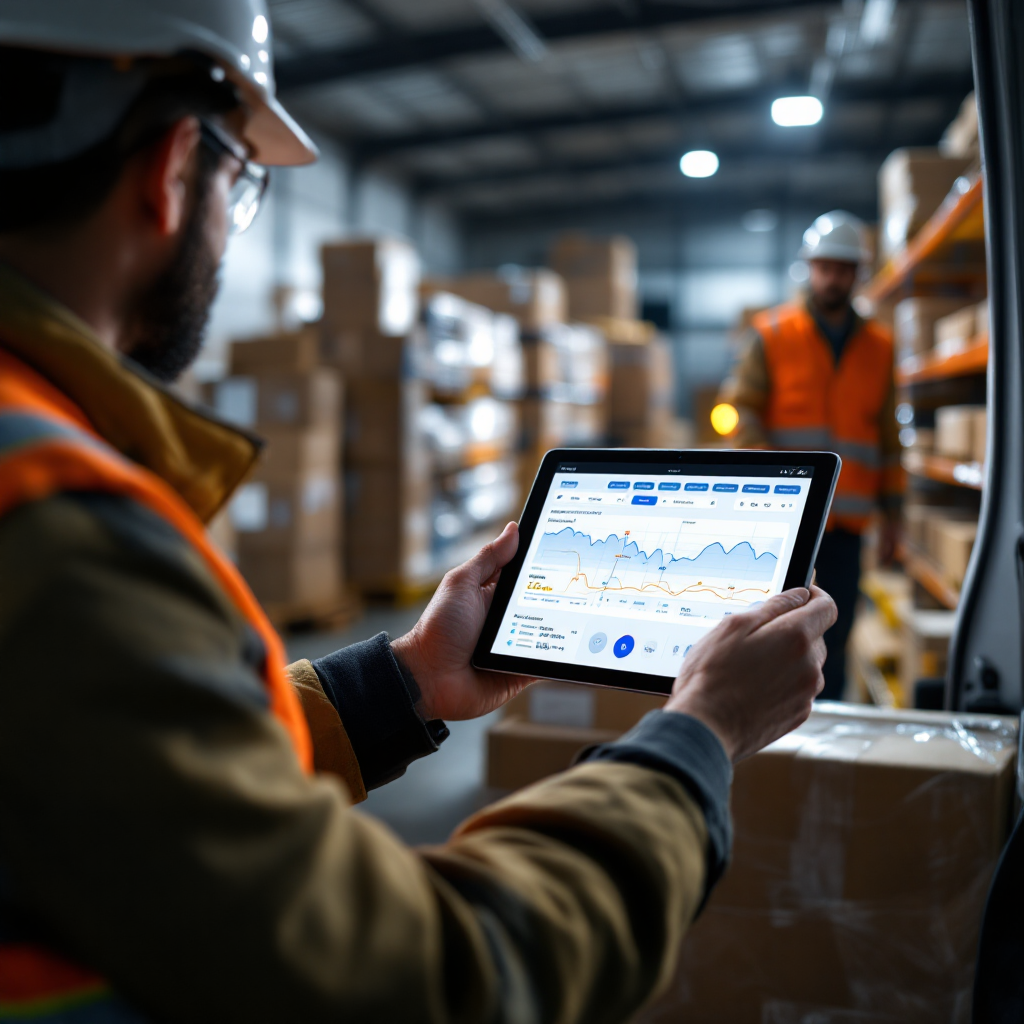
first AI projects, free pilots and the path to stronger margins that redefine processing orders
Run a first AI pilot that is time‑boxed and low risk. Pick one route, one customer segment, or one product category. Offer a free or low-cost integration window to remove barriers. Set clear success criteria: ROI within 3–6 months, processing orders time reduced, and a margin lift target of 2–5% from lower waste and improved routing.
Recommended scope for the first ai test: automate recurring orders, enforce replenishment thresholds, and enable auto-confirm for standard SKUs. Add simple analytics to track processing time and order accuracy. Use an ai platform that supports quick connector builds and lets ops customise templates without coding.
Risk management matters. Train staff, define exception flows, and give human agents final sign-off on unusual queries. Keep logs so you can audit decisions. Use the pilot to refine models and to learn what data fields matter most. That reduces future integration effort and shortens time to scale.
Expected outcomes are real. Pilots often cut order processing time by around 30% and lower manual errors by about 25% in reported cases (source). These gains translate into stronger margins through fewer emergency deliveries, lower food waste, and reduced labour costs. Leverage AI so teams focus on growth rather than repetitive tasks.
Scale by iterating models and expanding to more SKUs and routes. Embed continuous monitoring and set performance SLAs. Also, use PDF and export features for audits and supplier reconciliations. Finally, ensure your approach can integrate with ERPs and erps via secure APIs and that it preserves data provenance for compliance.
FAQ
What exactly is an AI agent for food?
An AI agent for food is a software system that reads orders, evaluates inventory, and recommends or triggers fulfilment actions. It connects to systems such as ERP and POS, uses analytics to forecast demand, and automates routine messages to suppliers and customers.
How can AI reduce food waste?
AI reduces food waste by aligning purchases with predicted sales and by optimising routes to shorten transit times. By forecasting demand and triggering timely reorders, AI helps avoid overstocking and spoilage.
Which use cases deliver the fastest ROI?
Start with recurring orders, replenishment thresholds, and automated order entry. These use cases cut processing time and errors quickly, and they often pay back within 3–6 months.
Can AI integrate with my ERP?
Yes. Most AI solutions connect via API or middleware to ERP systems. Choose a connector-first approach if you want flexibility, or a direct plugin if you need a faster initial setup.
Do chatbots help B2B food ordering?
Chatbots help by taking bulk orders, validating stock in real time, and generating purchase orders. They can work across multiple channels, including WhatsApp and web chat, to streamline order entry and confirmations.
What KPIs should I track in a pilot?
Track fill rate, spoilage percentage, processing time, order accuracy, confirmation time, and OTIF. These metrics show operational gains and help build the business case for scale.
How should we manage exceptions?
Keep a human-in-the-loop for exceptions and set clear escalation paths. Train staff on the AI’s decision rules and log every override so models improve over time.
Are there free pilot options available?
Yes. Many vendors offer free or low-cost pilots for limited periods. A free pilot on one route or product group lets you validate benefits before committing to a full rollout.
How do AI agents affect customer interactions?
AI agents speed confirmations, handle common product questions, and provide ETA updates. This enhances customer relationships and reduces the load on human agents while improving customer experience.
What steps are needed to scale beyond a pilot?
After a successful pilot, expand to more SKUs and locations, iterate on models, and strengthen integrations with ERPs and TMS. Maintain governance, continuous monitoring, and SLAs to sustain gains as you scale.
Drowning in emails?
Here’s your way out
Save hours every day as AI Agents label and draft emails directly in Outlook or Gmail, giving your team more time to focus on high-value work.