


How AI in hospitality speeds booking and reservation: conversational AI converts enquiries into direct bookings
AI speeds the booking funnel and turns enquiries into direct booking at scale. For example, an AI answers availability, rates and policies instantly. As a result, guests move from query to payment far faster. A 2025 report shows hotels using AI agents raised booking efficiency and guest satisfaction in measurable ways. This statistic helps explain why more teams choose digital assistants.
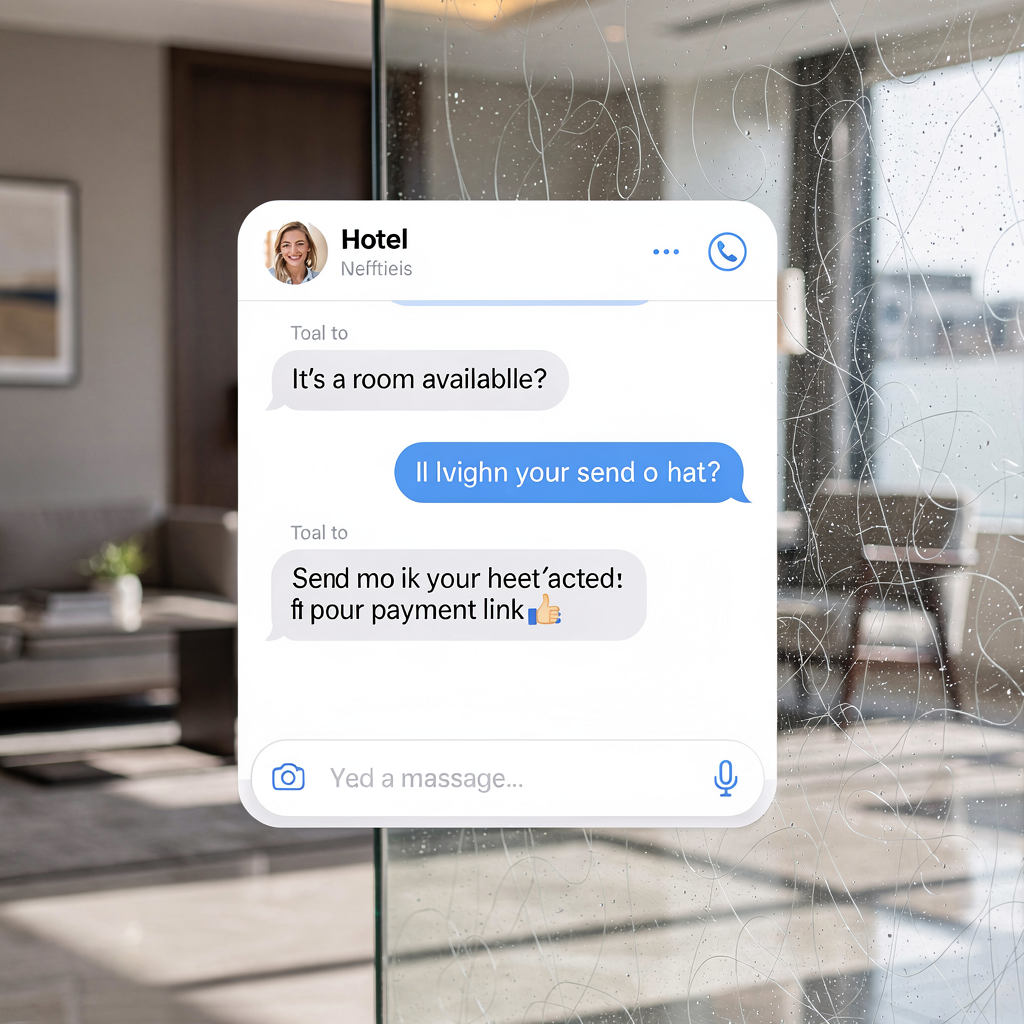
Conversational AI sits on the hotel website and messaging apps. It handles common questions and confirms book reservations in the same chat. In practice, a chat-based booking flow can check availability, hold a room, and send a payment link in one session. That reduces friction in the booking process and cuts abandoned sessions. Industry surveys also report that hotels saw higher direct bookings and reduced OTA dependence after deploying assistants in 2025.
The assistant works with your booking engine and property management system to read inventory and rates. Then it replies in seconds. This means fewer phone calls. It also means staff spend less time on routine tasks. Many hotels and resorts measure faster response times and improved guest satisfaction scores after deployment. For example, platforms that combine conversational AI with calendar sync and payment links lift conversion by streamlining choices.
Quick stat: 68% of hospitality companies expect AI to improve guest experiences over five years, showing rising confidence in this tech source. The result is clearer. Hotels that adopt an ai booking assistant capture bookings that would otherwise be lost. They also reduce lost revenue caused by slow replies. For independent hotels, the payoff is direct revenue and simpler operations.
Finally, a reservation assistant powered by AI answers common guest requests and suggests upgrades. It is designed to enhance guest choice while keeping the brand voice. If you want practical guidance on moving from email and phone to automated replies, see how operations automation scales teams without hiring more staff in practice.
AI reservation and hotel booking assistant features: multilingual chatbot, WhatsApp integration and payment flows
AI reservation features now cover the full guest journey. They include natural language understanding, payment links, calendar sync, and channel integrations. For instance, WhatsApp integration lets guests book on the app they already use. Many hotels choose WhatsApp to lower friction and increase direct bookings. Case studies show this works, with providers like HiJiffy and Asksuite reporting higher conversion on messaging channels and case notes.
Core features to expect are: a multilingual chatbot that serves several markets, a booking engine link or embedded flow, calendar sync with the property management system, and secure payment gateway integration. Also, channel integrations should include WhatsApp, Messenger and web chat. In practice, the three most requested integrations are the PMS, the channel manager and the payment gateway. These three keep inventory, rates and payments in sync.
For hotels using ai, multilingual support expands reach. The assistant can switch languages mid-chat and still book reservations. This reduces friction for international guests and improves guest experiences. A hotel booking assistant can also attach special requests to the reservation and push that data into hotel management systems. That improves handover to hotel staff at check-in.
Technically, an ai chatbot combines generative AI, rules-based checks, and secure payment flows. It acts as a virtual assistant that reads availability from the booking engine and confirms the room. Then it issues a payment link that completes the transaction. This flow both increases direct booking and captures ancillary sales.
Design note: include a screenshot mock-up showing a WhatsApp chat booking a room, a confirmation, and a payment prompt. Also, if you want examples of operational email automation that preserve context across conversations, virtualworkforce.ai shows how to automate the full email lifecycle for ops teams with real results. That approach translates well to booking confirmations and guest communication across channels.
Drowning in emails?
Here’s your way out
Save hours every day as AI Agents label and draft emails directly in Outlook or Gmail, giving your team more time to focus on high-value work.
Reservation assistant for independent hotels and hotel staff: reduce workload while improving guest satisfaction
Reservation assistants free front-desk time and let staff own high-value service. For many independent hotels, every saved minute improves margins. An assistant handles routine guest enquiries like check-in time, breakfast hours and parking. It can answer multi-lingual questions, update reservations, and pass complex issues to human agents. This keeps simple tasks automated and the hotel staff focused on personalised service.
Deployment is often simple. A hotel adds a small script to the hotel website or connects the assistant to WhatsApp. Then the assistant syncs with the property management system and the booking engine. Training involves setting tone and escalation rules. After that, the assistant begins to answer guest queries and book reservations.
Metrics to track are clear. Measure response times, handled chats per hour, staff hours saved, conversation-to-booking conversion, and guest satisfaction. These KPIs show the assistant’s impact. For example, teams report faster replies and higher guest satisfaction scores when an ai booking assistant handles standard requests. That effect reduces repeat phone tagging and lost tasks in shared inboxes.
Independent hotels benefit from modest pricing and fast setup. The assistant provides scripted fallback to human agents and full context when escalation happens. Staff see the conversation history inside their management system and can step in smoothly. This reduces rework and keeps replies accurate.
For hotel managers considering wider automation, virtualworkforce.ai offers insights on automating email workflows and reducing manual triage. Those same principles apply to reservation flows: route or resolve automatically, and escalate only when needed see an operations approach. The result is consistent replies, fewer errors, and more time for guest-facing tasks.
AI booking assistant, hotel AI and hotel chatbots for upsell and to increase revenue
An AI booking assistant can drive upsell across the guest lifecycle. It analyses guest profiles and suggests room upgrades, F&B offers, and local experiences. At booking time, personalised offers lift acceptance rates. Pre-arrival messages can further increase ancillary spend. As a result, hotels capture direct bookings and revenue that would otherwise go to third parties.
AI makes targeted offers by using timing and guest signals. For instance, a guest who books a longer stay may see a room upgrade option at a discounted rate. The assistant notices and promotes it during the booking or in a follow-up chat. This dynamic upsell increases RevPAR and reduces reliance on commission-heavy booking platforms.
Hotels and resorts can measure uplift in direct bookings and revenue with clear KPIs. Track average booking value, upsell acceptance, and total ancillary spend. When configured correctly, a hotel chatbot suggests relevant add-ons without interrupting the booking flow. It can link the purchase to the reservation and push payment into the channel manager and hotel management systems.
Real-world platforms such as Asksuite highlight that ai-powered assistants increase direct bookings and ancillary sales. The effect includes better margins and improved direct revenue case studies. The assistant uses guest profile signals to decide when to show an offer. It then times messages for pre-arrival windows where acceptance is higher.
Implementation tip: use a combination of rules and machine learning. Rules guard margins and timing. Machine learning refines who sees which offer. Also, integrate with the booking engine to update rates and availability instantly. That prevents overbooking and keeps the upsell genuine. Finally, make sure your payment gateway and property management system accept the add-on so the reservation stays consolidated.
Drowning in emails?
Here’s your way out
Save hours every day as AI Agents label and draft emails directly in Outlook or Gmail, giving your team more time to focus on high-value work.
The guest journey, guest experiences and conversational AI: balancing automation with the human touch for best hotel results
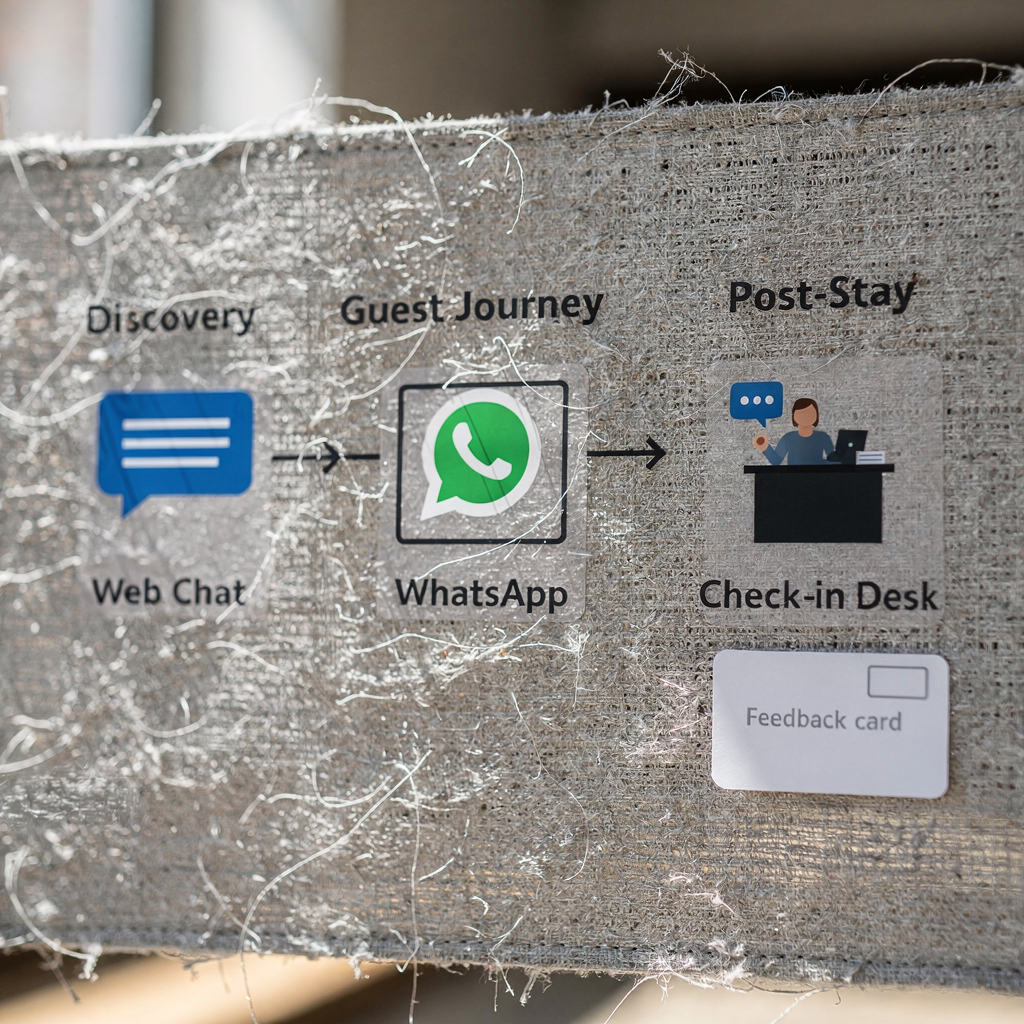
Map the guest journey from discovery to post-stay. Conversational AI adds value at discovery, booking, check-in, and post-stay feedback. At discovery, the assistant answers prices and availability on the hotel website. During booking, it confirms rooms and secures payment. At check-in, it records arrival time. Post-stay, it requests feedback and suggests return offers. This sequence preserves context across the stay and enhances guest experiences.
Do not let automation replace helpful staff. Instead, script fallbacks to human agents and define clear escalation rules. For example, if a guest asks for a complex group booking, the assistant forwards the full chat to hotel staff. Human agents then take over with complete context. That hybrid model improves guest interactions and reduces handling time.
UX guidance: give the assistant a brand voice that matches the hotel. Also, include a clear path to a human for sensitive requests. Benchmarks show hybrid approaches lift NPS and reduce resolution time. Leading hotels report improved guest satisfaction when conversational AI does routine work and staff handle the bespoke experiences source.
For teams worried about compliance, design data flows to meet GDPR and local rules. Store consent and send minimal personal data to third-party services. This protects guests while keeping automated replies fast. If you need to automate email replies and preserve accurate context across teams, virtualworkforce.ai demonstrates how thread-aware email memory and data grounding reduce errors and speed replies learn more. That fidelity matters when passing requests from assistant to hotel staff.
Assistant in 2026 — choosing the best AI for hotels, deployment checklist and success metrics
Choosing the best AI requires clear criteria. First, confirm PMS and booking engine integration. Next, check multilingual NLP and analytics. Also, verify data privacy and payment security. Finally, test scripted fallbacks and escalation to human agents. These checks reduce risk and help the assistant work well from day one.
Deployment steps are straightforward. Start with a pilot on the hotel website or WhatsApp. Then integrate with the property management system and the booking engine. Train the assistant on your policies and tone. After that, roll out to more communication channels. Measure performance and iterate.
KPIs to track include direct booking rate via assistant, conversation-to-booking conversion, average booking value, guest satisfaction, and reduction in staff ticket load. Also monitor guest enquiries handled per hour and guest satisfaction scores. A hotel tech report shows hotels using ai saw clear improvements in booking efficiency and guest satisfaction report. Use those benchmarks to set realistic targets.
For compliance, follow GDPR and payment standards. Keep complex reservations routed to human agents. Document escalation paths and maintain logs for audit. Your assistant in 2026 should be secure, accountable, and measurable.
If your team wants to automate operational messaging and reduce manual email work, consider how end-to-end email automation works in other sectors. For example, virtualworkforce.ai automates the full email lifecycle for ops teams and shows how to reduce handling time while improving consistency case study. The same discipline helps hotel operations scale without hiring.
FAQ
What is an AI assistant for hotel reservations?
An AI assistant for hotel reservations is a virtual assistant that handles booking tasks. It answers guest enquiries, confirms availability, and can complete payments without human input.
How does conversational AI convert enquiries into bookings?
Conversational AI answers availability and rate questions instantly, reduces friction, and guides guests through the booking process. It can hold rooms and send a payment link within a single chat session.
Can the assistant work on WhatsApp?
Yes. Many hotel chatbots integrate with WhatsApp to meet guests where they communicate. That lowers friction and often increases direct booking rates.
Will the assistant replace front-desk staff?
No. The assistant frees hotel staff from routine tasks and lets them focus on in-person service. Human agents still handle complex or high-value guest interactions.
Is multilingual support available?
Yes. Modern assistants support multiple languages and can switch mid-chat. That improves experiences for international guests and enhances guest communication.
What metrics should hotels track after deployment?
Track conversation-to-booking conversion, average booking value, direct booking rate via assistant, guest satisfaction, and staff hours saved. These KPIs show business impact.
How does the assistant help increase revenue?
The assistant personalises offers, times upsells and recommends ancillaries based on guest signals. This increases ancillary spend and improves direct revenue.
What integrations are essential?
Essential integrations include the property management system, channel manager, and payment gateway. These ensure availability, pricing and payments stay in sync.
How do hotels protect guest data?
Hotels should follow GDPR and payment security standards. Keep consent records and route sensitive cases to human agents when needed.
How can hotel teams scale operations with AI?
Start with a pilot, integrate key systems, train the assistant, and measure KPIs. For a related example of automating operational communications and reducing manual work, see virtualworkforce.ai’s approach to end-to-end email automation here.
Drowning in emails?
Here’s your way out
Save hours every day as AI Agents label and draft emails directly in Outlook or Gmail, giving your team more time to focus on high-value work.