


ai assistant: how ai in hospitality helps the hotelier
An AI assistant sits at the intersection of guest service and hotel management. It acts as a chatbot, as an ai virtual concierge, and as an ai-powered tool that handles simple tasks so staff can do more complex work. For a hotelier, the main benefit appears in reduced front-desk pressure and faster replies. For example, 68% of hospitality companies expect AI to significantly improve guest experiences within five years PhocusWire, 2025. This stat highlights why hotels and resorts, and hotel groups, consider AI as core to future operations.
Today, an ai assistant answers FAQs, routes a guest inquiry, and updates the property management system or PMS when needed. It can manage booking inquiries on a website chat, and it can coordinate with major property management systems to show real-time availability. As a result, staff to focus on high-value tasks increases, and operational efficiency improves. Hotels using AI report faster response times, around-the-clock coverage, and multilingual replies that help international guests. A practical example comes from resorts that deploy multilingual ai to handle basic requests and to escalate complex service requests to on-site staff.
Additionally, integrating AI with email and operations can reduce manual work tied to guest communication. If your hotel runs heavy email volumes, consider processes that automate email triage and replies; our team at virtualworkforce.ai automates the full email lifecycle for ops teams so teams reclaim time and reduce errors. For a hotelier this means consistent, accurate responses, better guest satisfaction scores, and reduced reliance on third-party channels. Next, we will explain how conversational ai and natural language processing streamline the guest experience and convert interest into confirmed bookings.
chatbot, conversational ai and natural language processing to streamline guest experience
Conversational AI uses natural language processing to understand intent, not just keywords. This matters because guests rarely phrase a request in exact terms. A modern hotel chatbot for hotels or a website chat that uses conversational ai can parse nuance, and then offer the right option. For instance, pre-arrival questions, requests for late checkout, and local recommendations arrive through chat, so the AI answers quickly and escalates when needed. This approach improves the booking process and helps to deliver exceptional guest interactions.
Use cases range from pre-arrival checklists and upsell prompts to in-stay service requests and concierge services. An ai reservation assistant can present room upgrades, show available add-ons via booking engines, and secure a payment link in real-time. When an ai reservation agent recognises a booking opportunity it can push a price-match offer to convert intent into a reservation. Industry research shows that ai provides “a continuous stream of accurate data across all hotel functions,” which improves forecasting and inventory decisions Hotel-Online, 2025.
Metrics to track here include response time, resolution rate, and conversion from chat to confirmed booking. Also measure guest satisfaction scores and direct bookings and revenue to prove ROI. Many hotel management teams combine ai webchat with their booking engines to reduce friction and to increase direct bookings. In a multi-property environment, consistent ai answers across channels create a seamless guest journey. If your operation struggles with inbound messages, see how automated email workflows could help by reviewing a practical guide on how to scale operations without hiring scale operations without hiring. Later we cover voice and phone automation as a complementary channel.
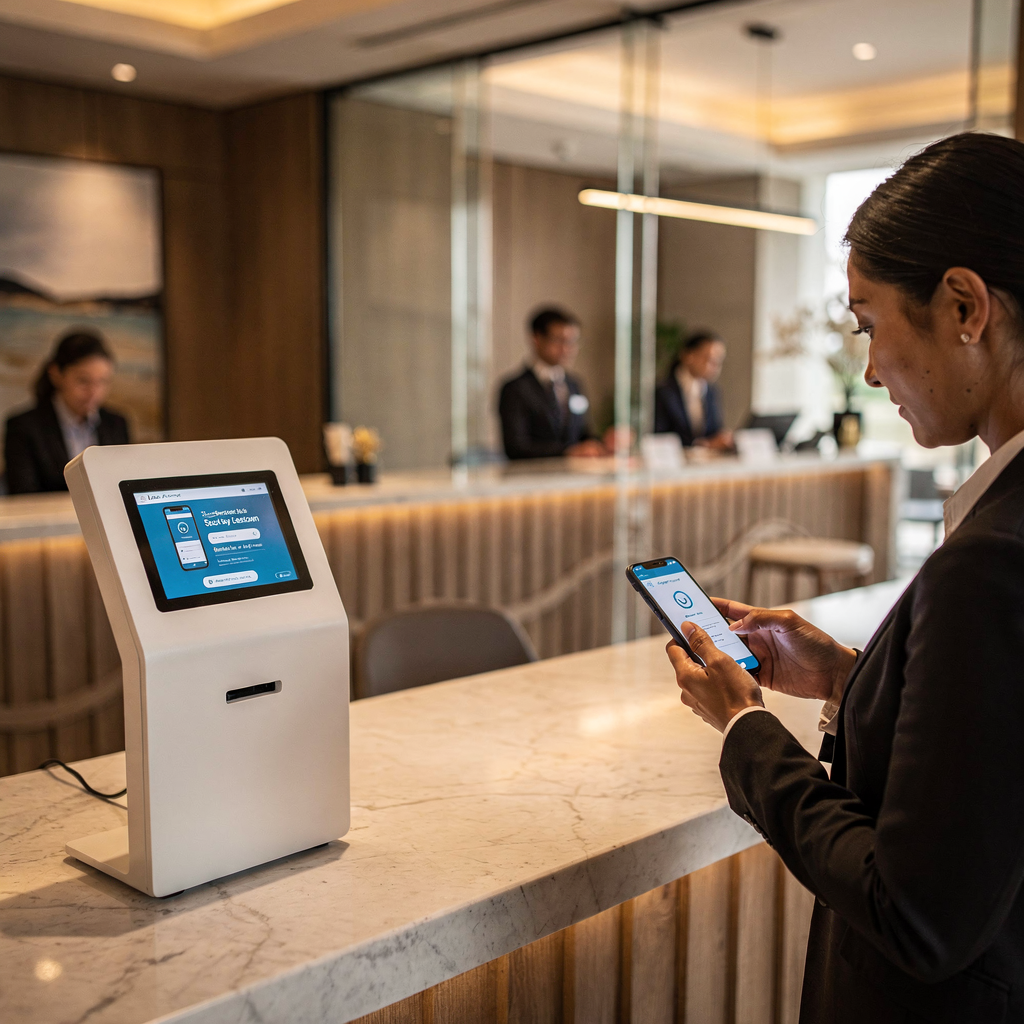
Drowning in emails?
Here’s your way out
Save hours every day as AI Agents label and draft emails directly in Outlook or Gmail, giving your team more time to focus on high-value work.
voice ai, voice assistant and call center: automate bookings and reduce load
Voice technology adds a natural layer to guest interactions. A voice assistant and voice AI solution take phone bookings, answer basic policy questions, and reduce hold times for guests. For many hotels, voice calls still drive a high percentage of hotel reservations. Implementing an ai voice assistant that integrates with hotel reservations and booking engines helps to automate guest calls and to capture bookings during peak hours. Automating routine calls lowers call center workload while preserving the option for human handover when necessary.
Successful deployments offer a balance. The voice AI handles simple inquiries, while trained staff manage complex or sensitive requests. That handover rule protects brand trust and preserves concierge services for high-touch guests. Yet, hotels must approach voice carefully. Research warns that perceived privacy and security risks for voice tech can hurt brand loyalty if not managed; the study notes that “perceived risks associated with AI voice assistants negatively affect brand loyalty” ScienceDirect, 2021. Therefore, ensure transparent consent, robust data controls, and clear escalation paths.
Track metrics like reduced average handling time, successful voice bookings, and decline in repeat calls. Integrate voice AI with the property management system and with CRM so agents see context on handover. Brands like Hilton have deployed conversational AI and voice features to speed replies and to improve guest communication. If your call center handles a high volume of standard questions, consider an automated solution that connects voice calls to ai agents and CRM. Also, consider voice as part of an omnichannel approach that includes chat, email, and web-based booking to deliver a consistent, reliable guest experience.
ai reservation, ai reservation agent and ai reservation assistant: turning enquiries into direct bookings
An ai reservation assistant focuses on conversion. It recognises intent, it surfaces the best available rates, and it shortens the path from interest to booking. AI reservation agents work across channels. They reply on website chat, in messaging apps, or via voice. They can show real-time availability, suggest packages, and complete a secure payment flow through integrated booking engines. Asksuite clients and similar platforms report higher conversion from enquiries when chat is offered 24/7 AskSuite, 2025.
To convert better, configure the ai to recognise a booking opportunity and to act immediately. Present a clear offer, include images, and allow an express checkout. The assistant provides clear steps and confirmation, and it reduces the need for OTAs. When an ai reservation connects to a property management system it writes the booking into the PMS, it logs preferences, and it triggers pre-arrival communications. That data then feeds personalised experience prompts for arrival and in-stay upgrades.
Measure conversion rate from enquiry to booking, average revenue per booking, and the share of direct bookings versus OTA share. Also track feedback on guest interactions and on how well the assistant provides accurate responses. As you test, keep a close eye on pricing and cancellations so the ai can learn to recommend the right package. For hotels and resorts seeking to centralise guest communication, integrating AI with operational email flows can reduce manual workload; learn more about virtual assistants for operations in our virtual assistant logistics guide virtual assistant logistics.
Drowning in emails?
Here’s your way out
Save hours every day as AI Agents label and draft emails directly in Outlook or Gmail, giving your team more time to focus on high-value work.
omnichannel hotel chatbot, asksuite and canary ai: hotel tech and ai solutions for a seamless booking process
Omnichannel means consistent answers across web, apps, social, and messaging. Deploy a hotel chatbot that behaves the same on every channel. Guests then get unified information whether they use website chat, messaging, or a voice assistant. Platforms such as asksuite and Canary AI integrate chat, booking, and CRM so teams keep a single view of guest history. For many hotel groups, that integration drives a seamless booking process and reduces guest frustration.
When a chatbot integrates with booking engines and with major property management systems, it can present rates, it can reserve rooms, and it can write the booking into the property ledger in real-time. This connection helps hotels and resorts to lower OTA dependence and to increase direct bookings and revenue. An omnichannel hotel chatbot also captures consent and preferences for future marketing, so future messages remain relevant and welcome. Hotels using omnichannel AI solutions enjoy a clearer guest journey, and they can measure uplift through conversion and guest satisfaction scores.
Choose hotel tech that centralises data and that respects governance. Canary AI and similar ai solutions provide templated integrations, while asksuite focuses on hospitality-specific flows. When you select a vendor, verify that the system supports the property management system you use and that it links with booking engines. If your operation also deals with heavy email volumes, consider automating correspondence so replies remain fast and traceable; for guidance on automating email drafting and logistics-style correspondence see practical notes on automated logistics correspondence automated logistics correspondence. Finally, make sure your omnichannel stack supports multilingual ai to serve international guests and to deliver a personalized experience that matches guest expectations.
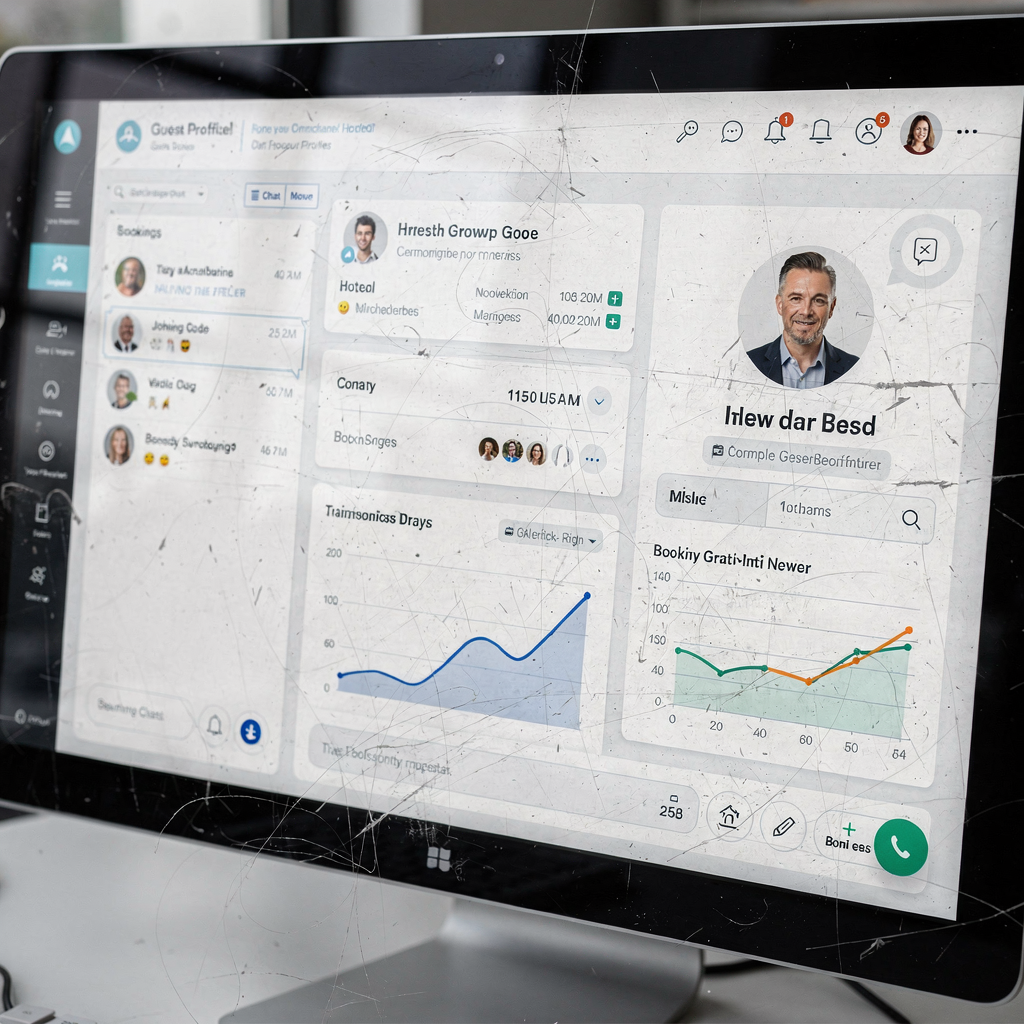
train ai, faqs and data: measuring ROI, privacy and the future of hotel ai
Training matters. Use historical FAQs, common hotel scripts, and booking-process flows to train the model. Include escalation rules so the assistant knows when to hand off to a human. Train AI with guest profiles and with consented data to enable personalization, and ensure governance over data access. You should log every ai answer so leaders can audit replies and revise tone. If your team handles many operational emails and bookings, integrating AI with email systems boosts speed. For hotels that need email automation, explore how to automate email workflows with Google Workspace and virtualworkforce.ai automate email workflows.
Measure ROI by tracking conversion rate from chat or email to booking, average handling time, guest satisfaction scores, and revenue per available room. Also monitor resolution rate and the frequency of escalations. Good KPIs show where AI improves operational efficiency and where training still needs work. Be transparent about data usage, and follow local rules in the EU and other markets. Protect voice data, and define retention policies so guests trust your service.
Stay careful with automation. While AI can automate guest FAQs and routine service requests, always retain fast paths to human agents. That preserves guest confidence and control. As the hospitality industry adopts more AI, successful rollouts will pair smart automation with clear governance and human oversight. If you want a primer on how AI improves customer service workflows and reduces manual email work for operations teams, see our guide on how to improve logistics customer service with AI improve logistics customer service with AI. With thoughtful deployment, an assistant for hotels can streamline bookings, protect guest trust, and deliver exceptional guest service while improving operational efficiency.
FAQ
What is an AI assistant for hotels?
An AI assistant is a software tool that handles guest interactions across channels. It can act as a virtual concierge, as a chatbot, and as an ai reservation assistant to speed replies and to capture bookings.
How does conversational AI improve the guest experience?
Conversational AI understands intent using natural language processing. As a result, it answers pre-arrival queries and in-stay requests faster and with more accurate responses.
Can AI handle booking inquiries and complete reservations?
Yes. An ai reservation agent can present availability, apply offers from booking engines, and complete secure payments to convert enquiries into confirmed bookings.
Does voice AI replace call center staff?
Voice AI automates routine voice calls and reduces workload, but it should not fully replace human agents. A clear handover to staff preserves quality for complex requests.
How do hotels measure AI success?
Track metrics such as conversion from chat to booking, average handling time, guest satisfaction scores, and revenue per available room. These KPIs show where AI delivers value.
Is multilingual AI necessary for resorts with international guests?
Yes. Multilingual AI helps international guests and reduces friction across languages. It supports global operations while improving guest satisfaction across markets.
How should hotels train their AI?
Train AI with historical FAQs, common hotel workflows, and booking scripts. Include escalation rules and audit logs so the team can refine responses and maintain governance.
What privacy steps must hotels take with AI?
Hotels must be transparent about data use and must secure voice and chat records. Implement retention policies and get consent where regulations require it to maintain trust.
Can AI increase direct bookings and revenue?
Yes. AI can reduce booking friction and boost direct bookings by offering instant, personalised offers and by integrating with booking engines and PMS systems.
Where can I learn more about automating hotel operations with AI?
Start by exploring resources on email and operational automation to reduce manual work. For example, our guides on virtual assistants for logistics and on automating email workflows show how AI agents scale operations while preserving accuracy.
Drowning in emails?
Here’s your way out
Save hours every day as AI Agents label and draft emails directly in Outlook or Gmail, giving your team more time to focus on high-value work.