


ai and hospitality ai in the hospitality industry: how hotel tech can enhance guest experience and operational efficiency
The market case for AI in hotels is simple: guests expect fast answers and hotels need scalable ways to deliver. For example, a 2025 industry survey found that 68% of hospitality companies expect AI to significantly improve guest experiences over the next five years. That statistic shows why hotel tech budgets now prioritise automation, data and integration with existing management systems. In practice, AI reduces mundane tasks, and it frees staff to focus on high-value interactions.
Artificial intelligence helps with guest interactions, booking friction and internal workflows. A growing share of adults use AI weekly, and hotels can match that behaviour by offering AI-powered touchpoints that operate 24/7. A hospitality technology expert observed that “AI in hotels helps improve both guest experiences and operations. Chatbots and virtual assistants make customer interactions faster and more efficient, which is critical in today’s fast-paced environment” (Codelevate). That direct quote supports the business case for investment.
Key KPIs to track include guest satisfaction, direct bookings, conversion lift and saved staff hours. Studies suggest AI agents can lift direct bookings and convert more leads through smarter booking flows and personalised nudges. In addition, AI enables faster triage of guest messages and supports better decision-making with analytics. For teams handling high email or message volumes, tools that automate intent classification and routing cut response time and reduce errors. If you want a practical example of end-to-end email automation that reduces handling time and increases consistency, see our guide to automate logistics emails with Google Workspace and virtualworkforce.ai.
To sum up, the power of AI rests on its ability to scale personalised guest service while improving operational efficiency and measurable KPIs. The business case exists today, and hotels that adopt a focused plan can deliver personalised guest experiences without adding headcount.
Use ai hotel and ai tools to automate the booking process and manage reservation and booking channels
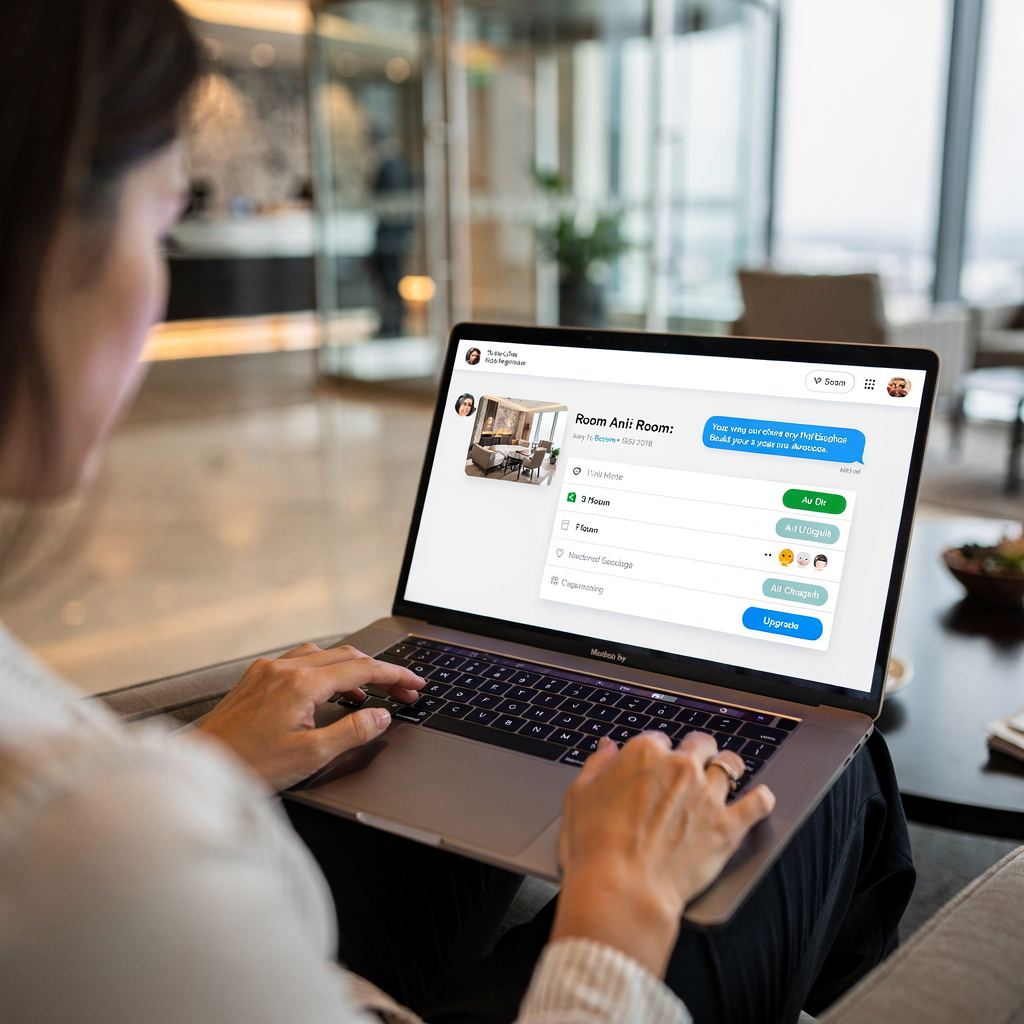
Use AI tools in the booking process to reduce friction and capture direct revenue. Modern booking engines embed webchat and widgets that guide guests through pricing, availability and upsells. These flows convert better because they answer questions in real time, resolve simple queries and keep guests on your site rather than sending them to booking platforms. AI agents that assist with bookings typically raise conversion; industry reports note uplifts commonly reported in the 15–35% range for direct-booking improvements (Asksuite). That kind of impact matters for profit margins.
Practical integration points include the property management system, a payment gateway and the central reservation system. You must ensure data flows between PMS, CRS and booking engines are secure and reliable. An AI hotel chatbot can capture lead details, pre-fill forms and validate payment information. When a complex reservation or group booking needs human review, the system should fall back to a reservation agent. For larger hotels, integration with the hotel’s PBX and booking platforms prevents double-sells and reduces manual reconciliation.
Voice and webchat matter here. Guests often prefer webchat for quick clarifications and voice for hands-free options via smart speakers or phones. Design prompts that confirm dates, room types and add-ons, and then pass a structured reservation record into the PMS. The workflow should reduce data entry and lower cancellation risk. If you need a model of how operational email and message automation scales, read about how teams can how to scale logistics operations without hiring — the patterns transfer to hotel reservations and guest workflows.
Finally, measure conversion by booking source and track abandonment points in the booking process. Use A/B tests to refine copy, placements and the timing of prompts. With careful integration and monitoring, AI reduces friction in reservation flows and improves revenue per booking.
Drowning in emails?
Here’s your way out
Save hours every day as AI Agents label and draft emails directly in Outlook or Gmail, giving your team more time to focus on high-value work.
streamline message handling with an omnichannel inbox and natural language chatbots to never miss guest messages and handle faqs
Design an omnichannel inbox so staff capture every message from guests. A consolidated communication platform pulls webchat, SMS, WhatsApp and email into a single view. With NLU, the system can understand natural language, tag intent and reply to routine inquiries automatically. This approach helps hotels never miss a guest message and meets guest expectations for fast responses. Guests receive prompt replies, and the platform routes tougher requests to human agents with context attached.
AI chatbots handle many repetitive questions and FAQs, and they reduce pressure on staff. A clear SLA-based routing policy ensures that escalations get immediate human attention. For voice, include ai voice capabilities that accept voice commands and then transcribe intent for review. The omnichannel inbox should show history across multiple channels to maintain context. When concierge requests require in-person action, the system creates a ticket that integrates with the back-office workflow and PBX records.
Templates speed replies and keep tone consistent. For example, an FAQ template can cover check-in times, parking and pet policies. Track metrics such as first response time, deflection rate and guest support satisfaction. Remember to provide support via clear escalation paths so brand standards remain high. If you want a deeper look at operational email automation patterns that reduce manual triage, explore our article on how to improve logistics customer service with AI, which highlights techniques that translate to guest communication across hotel channels.
Finally, design the inbox to minimize errors and to give staff a single pane of glass for all conversations. That setup streamlines workflows, cuts wait times and lifts morale for front-line teams.
integrate customizable upsells and prompts to enhance revenue and free up your team for higher-value service
Use contextual upsells to increase ancillary revenue without interrupting the guest journey. AI can surface the right offer at the right time: at booking, before arrival, or during stay. For instance, an AI virtual concierge can suggest room upgrades, dining reservations or late check‑out based on booking history and known preferences. Personalized recommendations improve attach rates and encourage repeat bookings.
Automation sends customised messages that feel personal. Trigger rules can run on booking stage, 72 hours before arrival, or after a service interaction. Track attach rate and incremental revenue per booking to measure success. To validate offers, run A/B tests that compare different copy, price points and timing. Use AI algorithms to score propensity and to prioritise high-probability guests.
These systems also free up your team to focus on complex guest service and in-person hospitality. When the AI handles routine upsell prompts, staff can concentrate on delivering exceptional guest service and resolving special requests. That shift improves the hotel’s guest satisfaction and loyalty and enhances guest perceptions. Offer examples include breakfast bundles, spa add-ons and early check-in offers. Keep offers customizable so the property can reflect brand standards and seasonal inventory.
Finally, measure long-term effects like repeat bookings and revenue per available room. Use clear governance so guests can opt out and so communications respect consent. Thoughtful implementation lets hotels enhance guest experiences while automating revenue tasks and allowing staff to focus on moments that matter.
Drowning in emails?
Here’s your way out
Save hours every day as AI Agents label and draft emails directly in Outlook or Gmail, giving your team more time to focus on high-value work.
hotel ai and ai tools to automate back-of-house workflows, streamline housekeeping and reduce human intervention where it adds no guest value
Back-of-house automation transforms hotel operations by improving speed and accuracy. For housekeeping, an AI scheduler can assign rooms based on departure times, maintenance flags and staff availability. Integrations with property management and hotel management systems let the AI update room status in real time and reduce duplicate work. That setup cuts room turnaround time and reduces overtime.
AI tools can detect maintenance issues from guest messages or sensor data and then create structured work orders. The architecture usually flows: AI detects intent, writes a task, and pushes it to a housekeeping app via the PMS. That pattern reduces manual handoffs and errors, and it improves operational efficiency. Use clear KPIs such as reduced time-to-clean, fewer guest complaints about room readiness and lower overtime costs.
Not everything should be automated. Human judgment remains essential for sensitive service recovery and high-touch guest interactions. Apply risk controls so the system escalates when confidence is low, or when a guest reports safety issues. Use ai algorithms to flag anomalies, but keep managers in the loop for final decisions. For property management and inventory, AI helps forecast linen needs and schedule staff, and it ties into payroll and rostering systems.
This approach streamlines hotel tasks and preserves time for staff to deliver on-site hospitality. While AI reduces manual work, ensure robust monitoring so automation improves operational outcomes without sacrificing quality. Implement pilots, measure results and scale what demonstrably improves hotel rooms readiness and service requests while keeping the human touch where it counts.

Deploy hospitality ai with clear faqs, governance and a seamless roadmap so you never miss targets and keep guest trust
A rollout plan keeps deployments on track and protects guest trust. Start with a small pilot, define success metrics and expand in phases. Governance must cover privacy, consent and data access. For properties in the EU or with EU guests, follow GDPR practices and document processing activities. Communicate clearly to guests about where AI is used and how it helps, so you preserve brand trust and transparency.
Create an internal FAQ library for staff that covers common scenarios and escalation paths. The guest-facing FAQ should explain automated replies, how to request human support and how data is stored. Regular training helps teams adopt the new workflows and understand when to step in. Use a monitoring cadence with daily dashboards during the pilot and weekly reviews after scale-up.
Measure ROI against booking uplifts, reductions in staff hours and improvements in guest satisfaction scores. A governance checklist should include change control, incident response and audit trails to prove compliance. For teams handling high email volumes and operational messages, consider systems that automate the full message lifecycle and draft replies grounded in operational data so humans only intervene when needed.
Finally, keep improvement loops short. Use guest feedback and staff notes to refine prompts, timing and fallback rules. That process ensures you never miss targets and that AI deployments deliver exceptional guest experiences while respecting privacy and brand standards.
FAQ
What measurable benefits can AI bring to a hotel’s guest experience?
AI can improve direct bookings, reduce response times and increase personalization. For example, surveys show that many hospitality companies expect AI to significantly improve guest experiences within five years, which translates into higher conversion and better satisfaction scores when implemented correctly (PhocusWire).
How does AI help automate the booking process?
AI captures leads via webchat and booking widgets, pre-fills reservation details and guides guests through payment and confirmation. It integrates with booking engines and the PMS to reduce manual entry and lower abandonment during the booking process.
Can AI handle guest messages in multiple languages?
Yes. Natural language capabilities allow systems to understand and reply in many languages. That feature expands reach for international guests and supports consistent service across multiple channels.
What happens when a guest has a complex reservation request?
The AI routes complex queries to a human agent with full context and suggested actions. Escalation rules and clear SLAs make sure a person takes ownership when required.
How do hotels measure the success of AI pilots?
Pilots track conversion uplift, deflection rate, first response time and hours saved. Compare those KPIs to baseline performance to quantify benefits and to plan scale-up.
Is guest privacy at risk when using AI?
Not if you implement governance and consent controls. Document data flows, follow GDPR where applicable, and be transparent with guests about automated processing to maintain trust.
How do AI systems free up staff to focus on higher-value work?
By automating repetitive tasks like FAQs, booking confirmations and basic upsells, AI reduces manual workload. Staff then focus on in-person guest care and complex service recovery that require human empathy.
Do AI agents increase direct bookings?
Yes. AI agents guide guests through the booking process, answer questions in real time and present contextual offers, which together improve conversion and reduce dependence on third-party booking platforms (Asksuite).
How do hotels keep AI responses consistent with brand tone?
Configure messaging templates and review suggested replies regularly. Training and governance let you control tone, escalation criteria and response policies so that AI delivers brand-consistent communication.
Where can I learn about automating operational messages and emails?
For practical patterns, explore resources on end-to-end email and message automation that teams use to reduce triage and increase accuracy. Our materials show how to automate intent classification, routing and drafting while keeping humans in the loop when needed virtualworkforce.ai virtual assistant, AI in freight logistics communication, and AI for customs documentation emails.
Drowning in emails?
Here’s your way out
Save hours every day as AI Agents label and draft emails directly in Outlook or Gmail, giving your team more time to focus on high-value work.