


ai assistant and oil and gas trading: what has changed and why it matters
AI has moved trading in the oil and gas sector from intuition toward data-driven action. Also, traders now receive continuous signals from models that ingest market feeds, production telemetry and news. Next, an AI assistant turns those streams into alerts, signal generation and trade recommendations in a single pane. First, it ingests real-time prices and production reports. Then, it synthesizes unstructured data and structured feeds to create actionable insights for traders and risk teams. This shift matters because the global oil and gas market is fast and volatile. For context, the market for AI in oil and gas was valued at about USD 2.32 billion in 2021 and is expected to rise in the mid-single billions by 2025 and beyond source.
Also, major energy companies describe the practical impact. Shell calls large-scale models “research assistants,” a phrase that captures how models condense decades of work into concise guidance source. Furthermore, NVIDIA highlights the role of AI in energy forecasting and demand prediction, noting that algorithms “are being used for energy forecasting, to predict energy demand, and to optimize economic value” source. These statements show how artificial intelligence now supports both trading strategy and operational planning. Also, the ability to process amounts of data that once overwhelmed teams is central. In practice, AI delivers faster forecasting and improved hedging accuracy. As a result, teams reduce exposure and lower operational risk.
Also, traders benefit from better analytics and cleaner data processing. Next, AI offers real-time solutions that connect the trading desk to field operations. For example, an AI assistant can flag a refinery outage and automatically suggest hedge moves. In addition, virtual assistant workflows help desk staff check positions, review blotters and surface relevant information in plain natural language. For teams looking to automate repetitive tasks, a virtual assistant that connects to ERP and field systems speeds response and reduces manual data errors. If you want a practical example of how a virtual assistant can transform mail-driven workflows for ops teams, see our virtual assistant logistics resource virtual assistant for logistics. Finally, this new era improves operational efficiency and gives global oil and gas traders stronger, faster decision support.
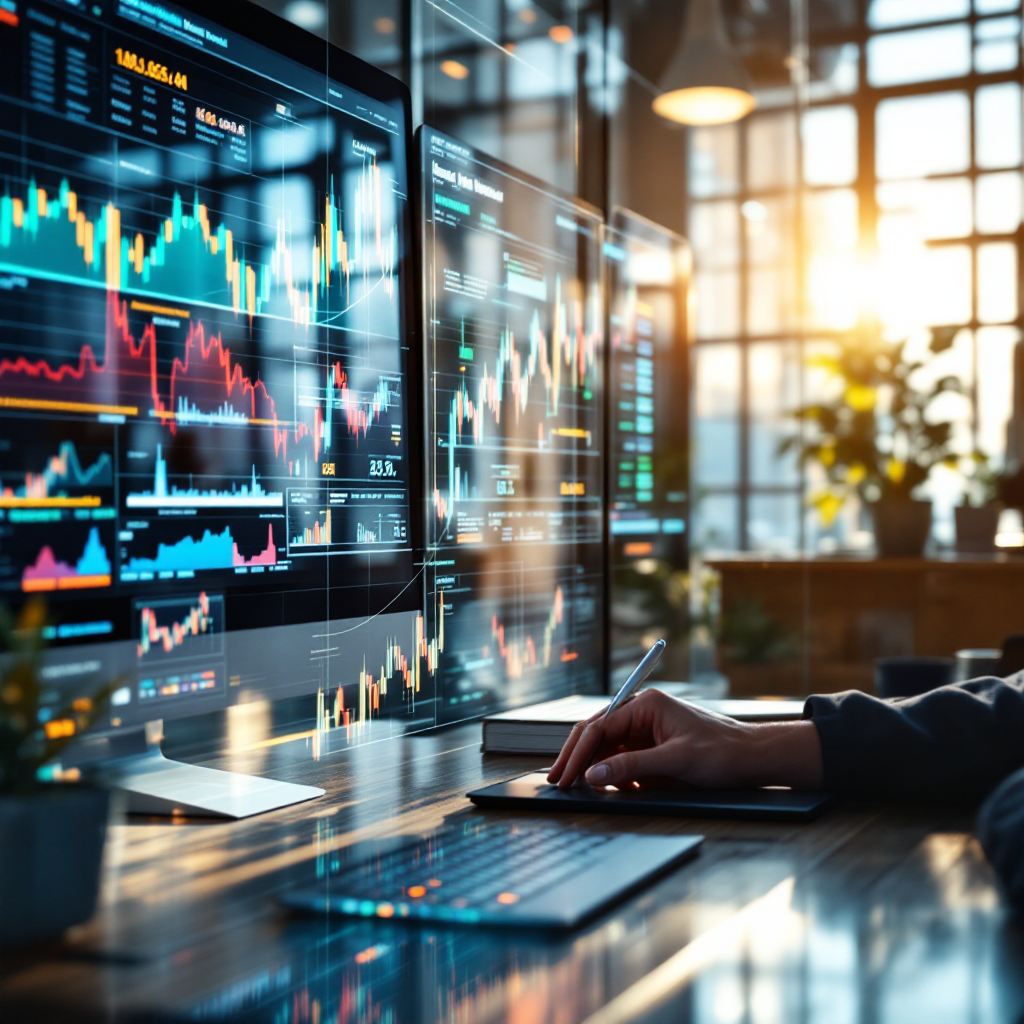
generative ai, ai agents and agentic automation to streamline trading workflows
Generative AI and AI agents are changing how traders work. First, define the terms. Generative AI produces written briefings, scenario narratives and structured summaries from raw streams. Also, AI agents perform goal-driven sequences. They act autonomously inside rule sets. For instance, an ai agent can monitor price bands, check counterparty credit and then recommend or execute a hedge within set limits. Next, contrast an assistant versus an agentic system. An AI assistant suggests moves. In contrast, an agentic system can take action to meet a goal. This agentic automation reduces latency and improves execution in volatile windows.
Also, gen AI models produce market briefings in natural language. As a result, traders save time on manual research. In addition, AI agents automate routine trade tasks and workflow handoffs. For example, they can draft confirmation emails and push entries into trade blotters. These use cases speed response and limit manual error. Also, agentic systems can automate trade execution under strict governance. They run within predefined rules and require human approval for high-risk actions. For practical governance, teams must monitor model drift, log decisions and maintain human-in-the-loop checkpoints.
Also, quantifiable benefits include lower latency and fewer mistakes. For example, AI-driven platforms execute more orders during short volatility windows, which lets desks capture transient spreads. Next, streamlining with generative AI and AI agents reduces routine friction. Also, it frees traders to focus on complex strategy instead of copies and manual reconciliation. In addition, conversational AI and specialized ai combine to provide real-time summaries and checks. For operations teams that handle many inbound requests, AI virtual assistants can automate email drafting and provide audit trails; see our guide to automated logistics correspondence for a direct example automated logistics correspondence. Finally, teams should treat agentic as a staged rollout: pilot, validate and scale with strict controls to keep governance, explainability and regulatory compliance intact.
Drowning in emails?
Here’s your way out
Save hours every day as AI Agents label and draft emails directly in Outlook or Gmail, giving your team more time to focus on high-value work.
ai-powered ai platform and digital twins to optimize production and predictive maintenance
An AI platform ties together data lakes, model training pipelines, inference engines and deployment tools. Also, these platforms provide capabilities for model monitoring and explainability. For trading, that means feeding timely, cleaned signals into decision systems. In particular, an ai platform centralizes unstructured data with structured feeds from sensors, ERP and external markets. As a result, data processing and analytics become repeatable and auditable. Also, digital twins simulate supply chain nodes such as refineries, terminals and pipelines. By modelling constraints and flows, twins deliver forecasts that directly inform price formation and liquidity models.
Also, predictive maintenance connects operations to market signals. For example, predictive maintenance reduces downtime by spotting equipment malfunctions early. That stabilizes supply forecasts for traders. A representative market estimate shows predictive maintenance market growth from about USD 5.9 billion in 2023 to roughly USD 32.3 billion by 2030, which reflects broad adoption in asset-heavy sectors. Next, fewer outages mean more reliable supply signals. Therefore, trading models gain accuracy and hedges become more precise. In addition, ai-powered insights from twins and predictive maintenance create a tighter bridge between operations and trading.
Also, platform components matter. They include data lakes for amounts of data, training clusters for llms and inference at the edge to manage live data. Also, powerful AI models run on efficient infrastructure to reduce energy use and control emissions management. In practice, platforms that are powered by artificial intelligence allow teams to deploy models where they matter. In addition, these platforms enable condition monitoring, remote inspections and drone inspections that reduce inspection time. Finally, digital twins enable oil and gas companies to optimize production and adjust drilling or optimize drilling schedules based on simulated outcomes and real sensor feeds. For teams looking to deploy ai safely, an incremental platform rollout that validates models against historical outcomes is the right approach.
drill, gas operations and predictive maintenance: joining field operations to the trading desk
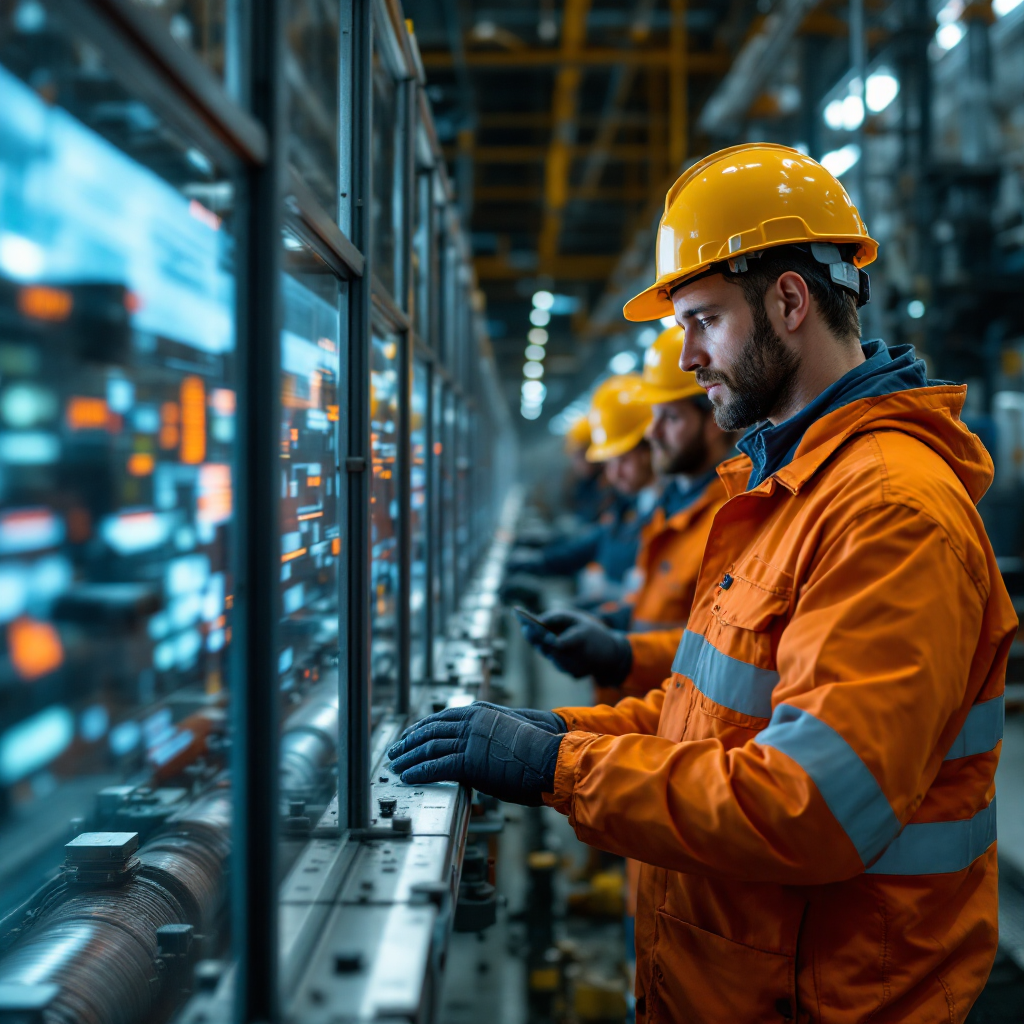
Field telemetry now feeds trading models directly. Also, sensor streams in drill rigs and pipelines provide minute-by-minute insight. Next, that live data can indicate rising pressure, an equipment malfunction or a maintenance need. In turn, anomaly detection flags potential downtime. Then, a workflow routes maintenance work orders and revises supply forecasts for the desk. This chain — sensor → anomaly detection → maintenance scheduling → revised supply forecast — gives traders clearer sightlines into upcoming production changes.
Also, gas operations and drill activity are now quantifiable inputs to market models. For example, drilling operations telemetry helps forecast short-term deliverability. In addition, drilling automation and remote monitoring allow teams to adjust drilling programs faster when a signal appears. Also, condition monitoring reduces unplanned downtime. As a result, marginal costs fall and trading models get more reliable inputs. For gas businesses this improves day-ahead scheduling and reduces basis risk.
Also, integration challenges remain. Many field systems run on legacy SCADA and ERP platforms. For example, integrating an older refinery control system requires careful mapping of tags and secure gateways. Therefore, teams use APIs and standardized connectors. For email- and API-driven workflows that link field alerts to the desk, our ERP email automation resource explains common patterns and guardrails ERP email automation for logistics. Also, geologist notes, maintenance logs and manual data entries must be reconciled. Next, a robust data validation layer reduces errors from manual data. In addition, this approach protects regulatory compliance and keeps audit trails intact. Finally, by joining drill telemetry and predictive maintenance with trading platforms, firms reduce downtime, improve hedge precision and strengthen operational efficiency in a measurable way.
Drowning in emails?
Here’s your way out
Save hours every day as AI Agents label and draft emails directly in Outlook or Gmail, giving your team more time to focus on high-value work.
chatbots, specialized ai and workflow automation to scale trading teams
Chatbots and specialized AI support trading desks by automating routine communications and checks. Also, chatbots provide instant Q&A on positions, P&L and counterparty exposure. Next, AI virtual assistants draft messages, summarize positions and provide plain-language reports. As a result, teams reduce time spent on repetitive tasks and manual data lookup. For example, a virtual assistant can pull position history from an ERP and produce a short email ready for counterparty confirmation. Also, this reduces copy-paste errors and standardizes compliance language.
Also, specialized ai models act as domain copilots. They can validate legal clause templates, check regulatory obligations and scan contracts for exceptions. Also, automation frees up senior staff to focus on portfolio strategy. For onboarding, chatbots accelerate new hires by answering procedural questions and surfacing training materials. In addition, the ability to automate routine email replies and reconciliation steps scales teams without linear headcount increases. For operations teams that drown in message bursts, no-code virtual assistants can cut handling time significantly. See our guide on how to scale logistics operations with AI agents for practical steps to implement similar systems scale logistics operations with AI agents.
Also, governance is crucial. Audit trails, role-based access and limits on autonomous trade actions keep risk in check. Next, natural language processing and llms power conversational ai that must be monitored for hallucination and drift. Also, a clear escalation path ensures high-risk trades require human review. In addition, process automation must tie into existing ERPs and trade repositories for reconciliation. Finally, chatbots and ai virtual assistants deliver faster responses, reduce repetitive tasks and let small teams manage larger books with confidence while preserving explainability and regulatory compliance.
artificial intelligence, advanced ai and the future of oil and gas: scaling, cost reduction and implementation road map
The future of oil and gas will be shaped by advanced AI, digital twins and pragmatic deployment. Also, firms that combine agentic methods with solid data governance will see cost reduction and improved forecasting. First, a practical road map starts with pilot projects that validate model outputs against known outcomes. Next, teams integrate data sources and then deploy AI agents with human oversight. Finally, once controls and metrics are stable, firms scale across trading and operations. This staged approach balances innovation with regulatory compliance and risk management.
Also, energy companies face implementation trade-offs. Large models consume energy and raise questions about energy use and emissions management. Therefore, teams must factor model energy cost into ROI and sustainability plans. Also, the skills gap is real: traders, geologists and operations teams need upskilling to work alongside AI. In addition, companies should leverage a mix of on-prem and cloud options to meet governance needs.
Also, longer-term gains include lower operational costs, more accurate market forecasts and enhanced operational efficiency. Leading AI models will provide ai-powered insights for refinery throughput, trading strategy and maintenance planning. Next, an ai company that focuses on no-code connectors helps integrate ERPs, emails and TMS systems so manual data friction falls. Also, as firms deploy AI, they should monitor llms for drift, maintain audit logs and ensure regulatory compliance. In addition, powerful AI that is carefully governed enables safer scaling and measurable cost reduction. Finally, by combining digital transformation, digital twins and agentic automation, the oil and gas industry can secure a path to sustainable energy practices while preserving safety and accountability.
FAQ
What is an AI assistant in oil and gas trading?
An AI assistant is a system that ingests market and operational inputs and produces recommendations, alerts and summaries for traders. It uses natural language processing and data analysis to surface relevant information quickly so teams can act faster and with more confidence.
How does generative AI help trading desks?
Generative AI produces briefings, scenario narratives and contract drafts from raw information. It saves time on manual writing and helps standardize communications, which reduces errors and speeds confirmations.
What are AI agents and how do they differ from assistants?
AI agents are autonomous, goal-driven systems that can take actions within set rules. In contrast, an AI assistant suggests or summarizes. Agents automate sequences like monitoring thresholds, executing trades within limits, and updating trade blotters.
Can digital twins affect market prices?
Yes. Digital twins simulate refinery and pipeline behavior, which improves supply forecasts that feed pricing models. More accurate supply inputs reduce uncertainty and help traders model basis risk more precisely.
How does predictive maintenance improve trading outcomes?
Predictive maintenance reduces unplanned downtime by identifying equipment malfunctions before they escalate. This stabilization of supply signals leads to more reliable forward curves and more effective hedging.
Are chatbots safe for trading workflows?
Chatbots are safe when coupled with proper governance, audit trails and role-based access. They excel at routine tasks, but high-risk decisions should route to human reviewers to maintain compliance.
How do you integrate field telemetry with trading systems?
Integration uses APIs, connectors and data validation layers to map SCADA and ERP tags into a central platform. Reliable mapping and data quality checks are essential to prevent false signals and to maintain regulatory compliance.
What implementation roadmap should firms follow?
Start with pilot projects that verify model outputs. Then integrate data sources, deploy agents with human oversight and scale once performance and controls are stable. This staged approach minimizes operational risk.
How can small teams handle larger books with automation?
Automation and AI virtual assistants reduce repetitive tasks and manual data lookups. As a result, fewer staff can manage larger books because automation handles routine communications and reconciliation tasks.
Where can I learn more about applying AI to email workflows in operations?
For practical guidance on automating email-driven operations, review virtualworkforce.ai resources on virtual assistants and ERP email automation. These explain no-code connectors, audit logs and how to reduce manual data errors in real workflows virtual assistant logistics, ERP email automation for logistics, and automated logistics correspondence.
Drowning in emails?
Here’s your way out
Save hours every day as AI Agents label and draft emails directly in Outlook or Gmail, giving your team more time to focus on high-value work.