


packaging — How AI speeds design and cuts time-to-market
AI accelerates packaging design phases by automating repetitive steps and generating many design choices fast. For example, generative AI can produce hundreds of packaging concepts in a fraction of the time that manual design cycles took, and industry reports show up to a 50% reduction in time‑to‑market when teams adopt generative ai tools. First, concept generation moves from days to hours. Next, mock-ups and dielines iterate automatically. Then, supplier hand‑off uses standardized files and metadata so production can begin sooner. This sequence shortens concept, mock‑ups and supplier hand‑off stages dramatically.
Design teams gain more design options and can test user responses faster. Also, AI-driven previews let customers visualize outcomes before physical prototypes exist. For teams that sell to retail, faster cycles mean quicker reactions to market trends and to seasonal demand. Packaging designers can test color accuracy, material variants and size changes without long turnaround. The result: faster and more efficient launch cycles that boost revenue and reduce obsolete inventory.
Practical tools now include AI-powered asset managers and ai tools that auto‑generate dielines and layout variants. These ai-powered tools link to digital asset libraries so sales representatives and brand teams can pick assets with confidence. In operations, virtualworkforce.ai shows how AI agents can automate email workflows that arise during supplier handoffs, reducing back-and-forth and lowering the time to finalize print approvals; see our resource on automating logistics email handling for an example of operational automation.

To adopt generative ai successfully, companies must combine human review with AI iteration. A study of printing and packaging work found that “AI is not just automating tasks but enabling creative exploration in packaging design,” which highlights the need for creative oversight [Printing report]. Therefore, design teams should set clear KPIs for concept speed, prototype cycles and approval time. By doing so, packaging groups can reduce time-to-market and improve responsiveness to market trends.
ai in packaging — Material optimisation and waste reduction
AI models now help packaging teams choose materials that meet strength, cost and recyclability goals. For instance, machine learning analyzes packaging materials’ mechanical properties, cost per square meter and environmental metrics. The model then recommends thinner substrates or alternative substrates that still meet regulatory needs. This ai in packaging approach can optimize material usage across SKUs.
Consider corrugated boxes. A machine learning model can predict structural performance for a given box size, top load and stacking height. The model can therefore reduce corrugate use and minimize fill material without compromising protection. In one hypothetical ROI, cutting 10% of corrugate across a product line reduces material cost and reduces CO2 emissions tied to production and transport. If a mid‑sized packer ships 10,000 boxes per month, a 10% material cut can lower annual material spend significantly and reduce transport weight, which lowers emissions and fuel cost.
AI also recommends packaging materials that increase recyclability and reduce packaging waste. In regulated sectors, such as pharmaceuticals or food and beverage, suggestions must meet compliance criteria. Tools that combine material databases with regulatory checks speed this process. Companies can discover how AI shortens decision cycles by linking material options to supplier availability, cost and environmental data.
To make this practical, teams should track packaging materials and performance data in a centralized system. Then they can run AI models that identify opportunities to reduce packaging waste and to improve packaging sustainability. For guidance on integrating operational AI with supplier communications and approvals, see our guide on automated logistics correspondence, which explains how automation reduces approval latency and speeds material ordering. Use AI, but keep human validation in place to confirm results and maintain safety.
Drowning in emails?
Here’s your way out
Save hours every day as AI Agents label and draft emails directly in Outlook or Gmail, giving your team more time to focus on high-value work.
packaging process — AI‑driven workflows that transform production and quality control
AI-driven systems change the packaging process on the factory floor. Vision inspection cameras powered by AI spot defects, color shifts and print misregistration far faster than manual inspection. These systems create a detect → alert → adjust control loop. When a camera finds a flaw, the system alerts operators and triggers corrective actions. That loop reduces rejects, cuts scrap and shortens downtime.
Predictive analytics optimize machine changeovers and run rates. For example, models analyze historical machine telemetry, maintenance logs and production runs to predict when a press or gluer will need service. Predictive maintenance lowers unplanned downtime and increases overall equipment effectiveness. A common result is fewer stoppages and a steadier output. In addition, anomaly detection reduces false accepts and finds subtle defects early. Vision inspection combined with predictive maintenance can therefore transform throughput and quality.
Real-time dashboards provide operators with clear guidance. These dashboards show expected run rates, potential jams and quality trends. Teams can then make informed decisions quickly. This kind of visibility helps entire supply chain partners who rely on timely packaging output. For logistics teams that manage shipping and customer updates, integrating email automation with production alerts is powerful; learn how virtualworkforce.ai reduces email handling time and keeps stakeholders informed in our piece on AI in freight logistics communication. The combination of ai-based vision systems and automated communication reduces manual work and keeps lines running.
Quality control benefits also include better traceability. Systems log faults, link images to batch IDs and record corrective actions. This traceability supports compliance and helps identify repeat issues. To scale these benefits, companies should prioritize data quality, invest in sensor coverage and train staff to work with ai-driven control loops. Human intervention remains crucial, since operators validate flagged issues and make final calls on complex quality decisions.
packaging sustainability — Custom packaging, smart labels and pharma traceability
Sustainable packaging now includes intelligent tags, custom right‑sizing and improved traceability. Smart labels such as RFID, QR codes and sensor tags pair with AI to monitor environmental conditions, verify authenticity and improve traceability. Pharma deployments already show tangible gains in compliance and patient safety through smart pharmacy label systems and automated processes [Medpak]. These systems reduce human error and improve documentation.
Custom packaging and size‑on‑demand systems cut void fill and lower transport volume. AI helps design right‑sizing rules so packers use the smallest viable box. That practice reduces shipping emissions and freight costs. For retailers and shippers, right‑sizing directly reduces fuel consumption per unit and lowers CO2 across the entire supply chain. Also, intelligent packaging enables post‑sale experiences like personalization and product authentication, which raise consumer trust.
Smart‑label markets grow quickly. Industry research shows rapid expansion led by demand for traceability, anti‑counterfeit features and environmental monitoring. These ai-powered packaging approaches help brands meet consumer demand for transparency and recyclability. Furthermore, sensors that monitor temperature or humidity feed AI models that detect transit excursions and trigger recalls or corrective actions when needed.
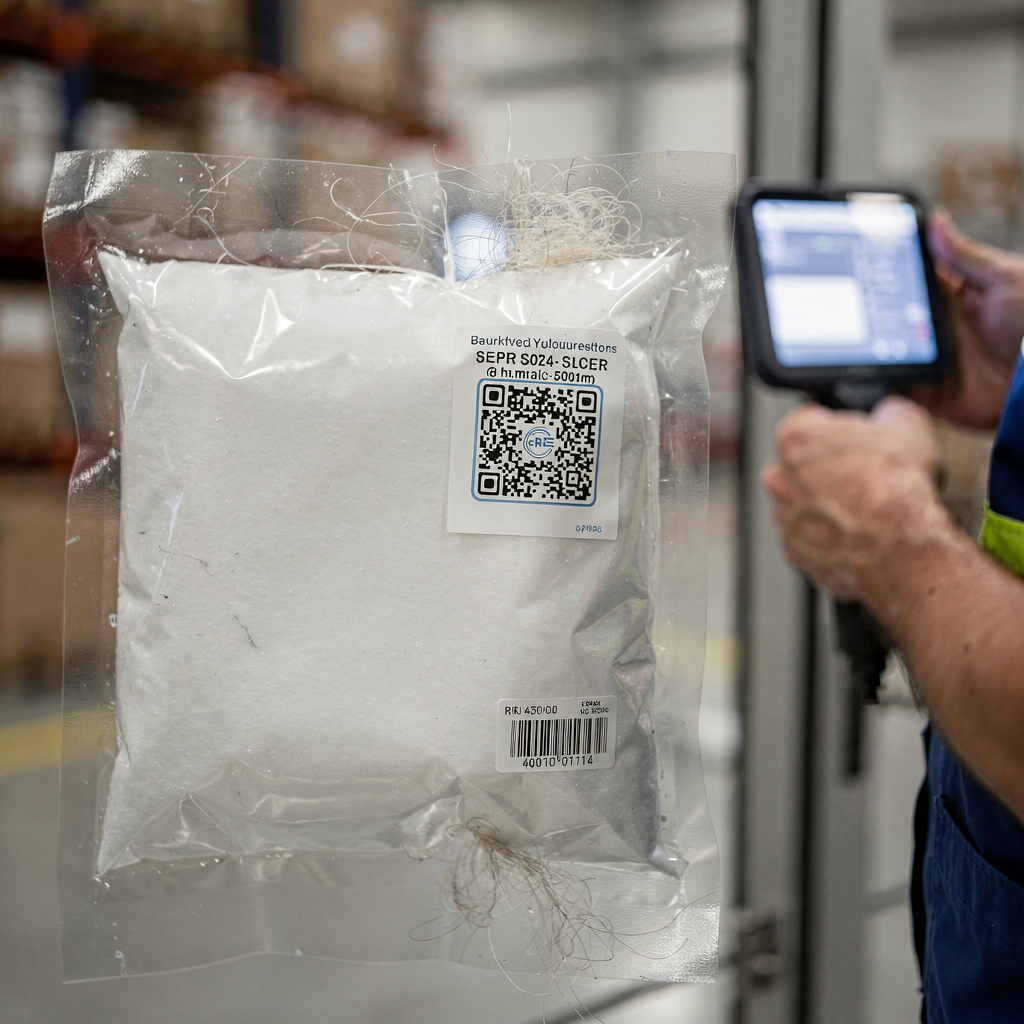
Practical steps for packaging companies include mapping data flows from sensors to analytics, and then to operational systems. For email‑driven exceptions during shipments or recalls, AI agents can route and draft messages automatically. See our guidance on AI for freight forwarder communication to learn how automated messages speed exception handling. Finally, firms should measure recyclability, monitor packaging recycling rates and report gains as part of packaging sustainability programs.
Drowning in emails?
Here’s your way out
Save hours every day as AI Agents label and draft emails directly in Outlook or Gmail, giving your team more time to focus on high-value work.
ai for packaging — Adoption barriers, the MIT 95% finding and how to scale
Many AI pilots struggle to reach production. A high‑profile report found that roughly 95% of AI pilots fail to scale, often because teams treat models as experiments rather than integrated systems [MIT report]. Root causes include poor data quality, missing integrations, lack of ROI metrics and weak governance. Therefore, packaging companies must plan beyond the pilot.
To scale, favor packaged AI solutions that include data work, system integration and monitoring. Packaged offerings reduce the need for in‑house model ops and speed deployment. Also, include explainability and human‑in‑the‑loop checks so operators trust outputs. AI adoption improves when teams define clear KPIs, such as percent reduction in time‑to‑market, material savings and percent fewer rejects.
Other barriers include fragmented supplier data and inconsistent metadata across SKUs. Santiago Lopez de Haro explains that AI can synthesize diverse supply chain data to optimize flows, but data collection must be robust [Spinnaker SCA]. Companies should invest in data pipelines and integration layers so models access high‑quality inputs. Also, embed monitoring to catch sourcing errors; research shows some AI outputs contain sourcing mistakes unless validated [Economic Times].
Practically, make a scale plan before the pilot. That plan should include integration with ERP, WMS and supplier portals, clear ownership for data, and a staged rollout. For email and operational workflows tied to packaging approvals, virtualworkforce.ai demonstrates a model to reduce handling time and to enforce governance; read about scaling operations in our piece on how to scale logistics operations. By choosing the right partners and packaged AI solutions, companies transform pilots into repeatable production value.
future of packaging & future of ai — What packaging companies must do to use AI and remain competitive
The future of packaging requires new skills, governance and clear KPIs. AI will shift work from repetitive tasks to oversight and strategic choices. Teams must define metrics for time-to-market, material savings, defect rates and sustainability. Also, firms should invest in data pipelines and in personnel who can operate, validate and govern AI outputs.
A practical checklist helps. First, define KPIs and success criteria. Second, invest in data quality and pipelines that link ERP, WMS and supplier systems. Third, set up human‑in‑the‑loop validation and explainability so operators trust results. Fourth, choose packaged ai solutions where possible to reduce integration risk. Fifth, pilot with a scale plan that includes monitoring and lifecycle governance. These steps help packaging companies move from experiments to production.
Technology stacks will include vision inspection, predictive analytics and ai agents that handle operational email and exceptions. For example, AI agents can triage packing list questions, draft replies and push structured updates into ERP as our platform does. This reduces bottlenecks and lets staff focus on packaging innovation and strategic tasks. In the years ahead, integrating AI with warehouse systems, with packaging machinery and with supplier portals will boost agility. To prepare, firms should train staff, hire data‑savvy roles and adopt governance practices that protect data while allowing rapid iteration.
Finally, the path forward balances speed with caution. Use pilot learnings, measure results and then scale. Those that govern data, embed human validation and select the right ai technology will transform operations. By doing so, they will reduce packaging waste, improve recyclability and create better products for consumers. The future of ai and the future of packaging intersect where companies plan for change, adopt responsibly and measure impact.
FAQ
What is an AI assistant for packaging?
An AI assistant is a software agent that helps packaging teams automate tasks from design to supplier communication. It can generate design options, triage emails, suggest materials and draft messages, reducing manual work and speeding approvals.
How does generative AI reduce time-to-market?
Generative AI creates many packaging designs quickly, so teams iterate faster and select winners earlier. This reduces concept and mock‑up cycles and shortens supplier hand‑off, which can cut time-to-market by up to 50% based on industry reports [Dataforest].
Can AI help reduce packaging materials and cost?
Yes. Machine learning models predict structural performance and propose thinner or alternative substrates that meet strength and compliance needs. That leads to lower material usage, cost savings and reduced transport weight.
Are AI vision systems reliable for quality control?
AI vision inspection can catch defects faster than manual checks and reduce downstream scrap. However, companies must validate models and include human intervention for edge cases to ensure consistent results.
How do smart labels improve traceability?
Smart labels like RFID and QR codes feed real-time condition and location data into analytics systems. In regulated sectors such as pharma, this improves compliance, anti‑counterfeit measures and patient safety [Medpak].
Why do many AI pilots fail to scale?
Many pilots fail due to poor data quality, lack of integration, unclear ROI metrics and weak governance. The MIT analysis found about 95% of pilots do not scale without packaged solutions and data work [MIT].
What should packaging companies do first to adopt AI?
Define KPIs, invest in data pipelines, pilot a clear use case and require human validation. Favor packaged AI solutions that include integration and monitoring to speed deployment and reduce risk.
How can AI help with sustainability goals?
AI identifies opportunities to reduce packaging waste, optimize material usage and improve recyclability. It supports right‑sizing, smart labels for lifecycle data and analytics that measure packaging sustainability.
Can AI automate supplier and logistics emails?
Yes. AI agents can triage and draft operational emails, ground replies in ERP or WMS data, and route exceptions. Platforms like virtualworkforce.ai automate the full email lifecycle to cut handling time and improve accuracy; see our article on AI for customs documentation emails for examples.
What are the risks of relying on AI in packaging?
Risks include sourcing errors, model drift and over‑reliance without human oversight. To mitigate these, maintain data governance, monitor outputs and require human review for critical decisions. Regular audits and explainability help maintain trust.
Drowning in emails?
Here’s your way out
Save hours every day as AI Agents label and draft emails directly in Outlook or Gmail, giving your team more time to focus on high-value work.