


ai in procurement: what an ai agent does for the procurement team
AI changes how procurement teams work every day. An AI agent acts as an autonomous assistant that speeds sourcing events, automates repeat procurement tasks and surfaces data-driven recommendations. It ingests spend records, supplier scorecards, contract terms and external news, and then it highlights what matters. For example, AI can flag a supplier with rising days payable while suggesting alternative suppliers with similar lead times. IBM puts this clearly: “AI tools could play a pivotal role in helping organizations dissect and develop procurement strategies by processing massive internal and external data sets” AI in Procurement – IBM. This quote shows why teams prioritize data integration and model validation.
Market scale matters. The AI-driven procurement market reached roughly USD 5.2bn in 2024 and it is growing fast, with forecasts near a 28% CAGR. That growth signals heavy investment in platforms and vendors. Practically, teams report meaningful outcomes. Companies that apply automation and analytics have seen reported cost reductions up to about 25% and procurement cycle-time cuts close to 30% in some pilots. These figures confirm why procurement professionals must understand AI capabilities and where to pilot next.
Quick takeaway for the procurement team: free up buyer time for strategy, reduce manual errors, and improve supplier fit. A well-configured AI agent shortens the procurement process, surfaces negotiation levers, and keeps audit trails. However, the human remains central. Procurement officers and procurement managers still make final sourcing decisions. Teams who adopt AI usually see faster procurement and clearer allocation of human effort. For leaders deciding whether to implement ai in procurement, start with a focused sourcing event or invoice-matching workflow and measure savings and cycle time improvements. Over time, the aim should be a blend of automated steps and human review that raises procurement excellence without sacrificing control.
ai tools, procurement platform and top ai tools for procurement
There are several tool types you will encounter when you map the technology landscape. Common categories include spend analytics, contract lifecycle, sourcing/auction engines, negotiation assistants, supplier risk monitors and conversational assistants. Each type targets a specific part of the procurement lifecycle. For example, spend analytics helps you clean and classify spend, while contract lifecycle management (CLM) tools automate renewals and clause checks. When vendors add agentic workflows, you start to see multi-step automation across sourcing and supplier onboarding.
Vendor examples include Suplari, SAP Ariba, Ivalua, Jaggaer, GEP, Arkestro and Zycus, and many now embed generative or agentic features. Research shows procurement is leading enterprise AI integration, and that job roles in procurement will evolve significantly as these tools become mainstream 10 Procurement Job Roles Most Impacted by AI – Suplari. Weekly use of generative AI in procurement rose sharply in 2025, with early adopters moving beyond pilots and into platform integration. This trend pushes procurement platforms to offer open APIs and data connectors to ERP and CLM systems.
Choose a procurement platform based on three technical priorities: data integration, open APIs and support for source‑to‑pay workflows. Clean master data is crucial. If your procurement data sits in silos, AI outputs will underperform. Also, prefer vendors who let you toggle AI features. That way you can test agentic automation, measure value, and switch features off if needed. If your team handles high volumes of operational email tied to orders, consider solutions that automate the entire email lifecycle; our work at virtualworkforce.ai focuses on reducing handling time and increasing consistency by grounding replies in ERP and other systems. For technical teams, integration with your procurement system and ERP is non-negotiable. Finally, evaluate the top ai tools for procurement on real pilot metrics: supplier-match accuracy, cycle time and compliance across procurement.
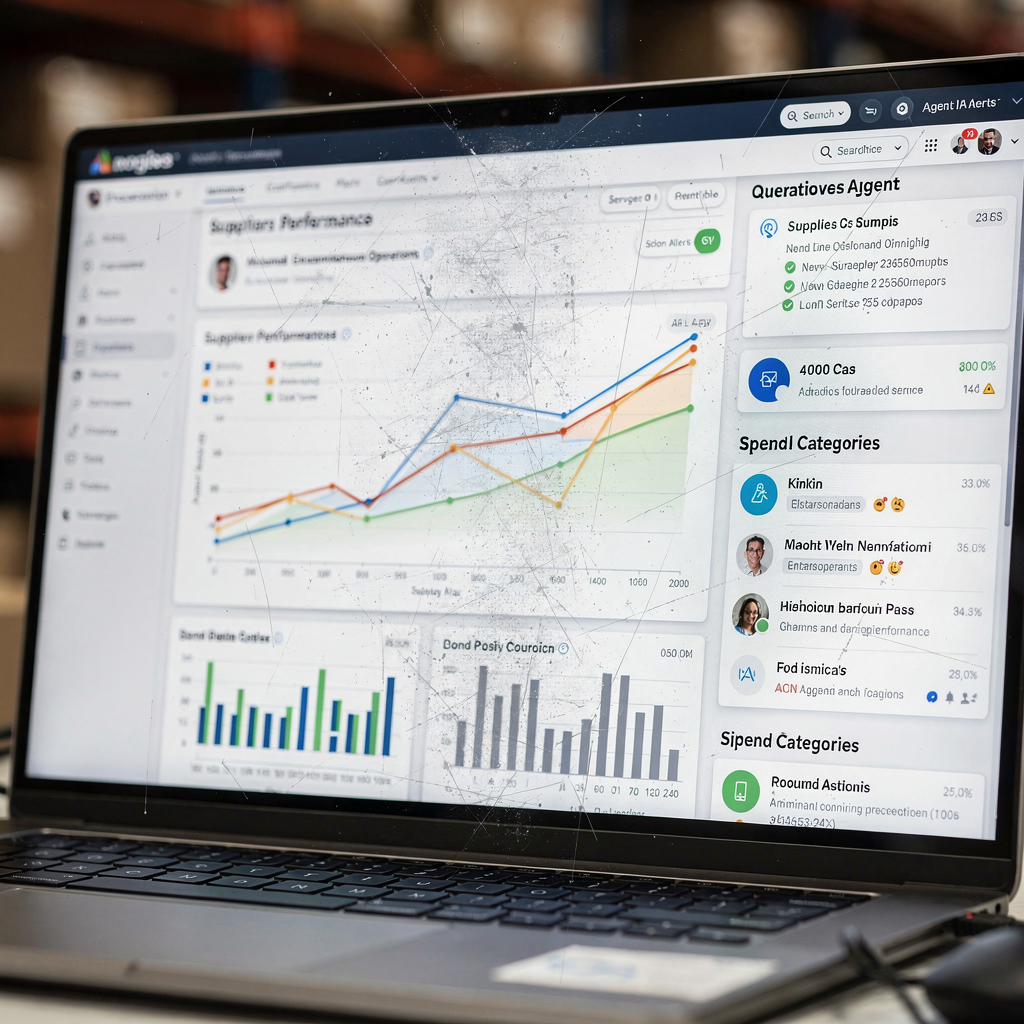
Drowning in emails?
Here’s your way out
Save hours every day as AI Agents label and draft emails directly in Outlook or Gmail, giving your team more time to focus on high-value work.
use cases: automate procurement and procurement tasks with agentic ai in procurement
Agentic AI unlocks practical use cases that transform day-to-day operations. Start with automated RFx drafting and run. AI drafts a requirements document, populates supplier lists, runs the event, and summarizes bids. Next, supplier shortlisting becomes faster. AI ranks suppliers by past performance, financial stability and compliance signals. Then, dynamic negotiation support guides buyer strategy with scenario simulations and concession suggestions. Beyond sourcing, common procurement tasks such as PO/invoice matching and anomaly detection move from manual triage to near-real-time review. Machine learning flags mismatches and routes exceptions to the right reviewer.
Agentic AI in procurement can operate multi-step, rule-guided workflows. For instance, an agent can monitor bids, propose awards, trigger approvals, and create contract drafts for legal review. The agent follows guardrails you define, and it logs every action for audit. That audit trail is essential for governance, and it helps procurement leaders trust automation. A research paper on AI-driven negotiation shows these assistants provide scenario analysis and negotiation scripts that improve outcomes AI-Driven Smart Negotiation Assistant for Procurement – SciRP.org.
Measurable benefits are clear. Organizations using agentic workflows report faster sourcing cycles, higher supplier-match accuracy and earlier risk detection. For example, automated invoice matching can cut cycle time and reduce late payments. But automation must include clear guardrails, approval thresholds and human-in-the-loop checkpoints. You should enable audit logs and versioned decisions so every procurement decision can be reviewed. Finally, map the use cases to your procurement lifecycle and pick a pilot that delivers measurable ROI within 90 days. That pilot might be an invoice exception workflow, or a sourcing event for a frequent category. By starting small and iterating, procurement teams reduce risk while building credibility for broader ai adoption.
ai assistant and generative ai in procurement: smarter procurement for supplier selection and negotiation
An AI assistant synthesizes internal spend, supplier performance and external signals to rank suppliers and to simulate negotiation scenarios. It processes purchase history, delivery reliability, and compliance records, and then it quantifies trade-offs. A generative AI assistant can draft contract clauses, supplier messages, negotiation scripts and executive summaries from structured and unstructured procurement data. This drafting speed matters when teams prepare for high-stakes sourcing events. KPMG described the impact plainly: “Generative AI will be a massive disruptor—for the better,” which highlights how creative problem-solving and strategic innovation can accelerate procurement transformation Unleashing the power of generative AI in procurement – KPMG.
Supplier risk and governance improve when agents monitor public filings, credit signals and regional alerts. Agents can flag financial stress, compliance issues and operational risks in near real time. As a result, procurement leaders get early warnings that prevent supplier failure and supply disruptions. McKinsey finds that senior leaders are increasingly comfortable interacting with generative tools, and that this interaction drives higher expectations for procurement outcomes 350+ Generative AI Statistics – Master of Code. Those expectations push procurement organizations to adopt tools that deliver clear metrics.
Negotiation assistants suggest data-backed concessions and BATNA options to improve negotiation outcomes. They can model price sensitivity by category, propose anchor offers, and generate script lines that match corporate tone. In practice, this makes buyers more confident and reduces negotiation cycle times. Still, teams must balance automation with human judgement. Incorporate human review for final terms, and set guardrails for red-lines that never auto-accept. When deployed well, AI delivers smarter procurement and helps procurement professionals focus on higher-value supplier relationship work rather than repetitive drafting and triage.
Drowning in emails?
Here’s your way out
Save hours every day as AI Agents label and draft emails directly in Outlook or Gmail, giving your team more time to focus on high-value work.
implement ai and integrate with procurement system and procurement software — a checklist for procurement leaders
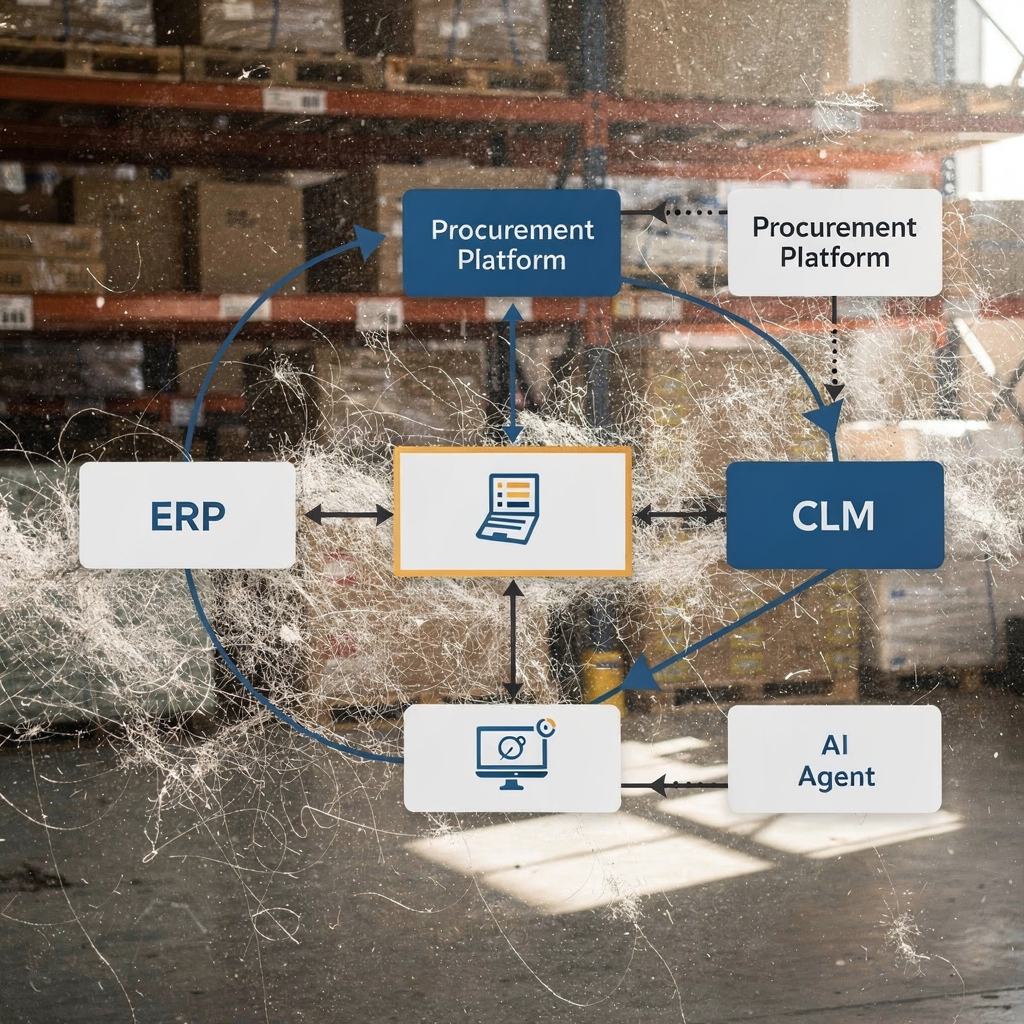
Successful implementation starts with clear technical prerequisites. First, ensure clean master data and a single source of truth. Then, secure APIs or middleware to connect your ERP, CLM and e‑procurement systems. If you lack those connections, agentic features will stumble because AI relies on consistent procurement data. Also, confirm the vendor supports your procurement lifecycle and source-to-pay workflows. Integration with your procurement system matters for end-to-end procurement visibility.
Governance and trust protocols must follow. Establish model validation rules, human-in-the-loop checkpoints, performance KPIs and clear escalation paths. Keep audit logs for every automated decision. Procurement leaders need to publish those metrics so procurement teams trust automation. A governance playbook should include thresholds for auto-award, manual approval triggers, and processes for handling supplier disputes. This approach supports compliance across procurement and reduces supplier pushback.
For change actions, pilot with a high-impact use case, measure results, upskill staff and publish success metrics to build momentum. Use short, focused pilots for recurring procurement tasks like PO matching or invoice exceptions. When you show measurable savings and faster procurement cycle times, procurement leaders gain the executive backing needed to scale. Prefer modular AI components that can be switched off or tuned without replacing core procurement software. Also, consider solutions that automate operational email and document tasks; virtualworkforce.ai, for instance, automates email lifecycles by grounding replies in ERP, TMS and SharePoint to reduce handling time and to preserve context. For procurement teams adopting ai, this reduces admin load and supports faster decision-making.
benefits of ai, ai procurement ROI and why procurement teams need agentic ai
Quantifiable ROI includes direct cost savings, efficiency gains and risk avoidance. Direct savings come from better supplier selection and price optimization. Efficiency gains show up as reduced cycle time and redeployed FTEs toward strategic sourcing. Risk avoidance stems from earlier supplier failure detection and compliance flags. When leaders review pilot dashboards, they should capture these three ROI streams separately to show the full value of AI initiatives.
Executive signals reinforce urgency. More than half of senior leaders now interact regularly with generative tools, which raises expectations that procurement will adopt similar capabilities 350+ Generative AI Statistics – Master of Code. Procurement organizations that delay may find their peers moving faster. Still, risks exist: data bias, over-automation and supplier pushback can undermine programs. Mitigate them by enforcing transparency in ai outputs, keeping human oversight for critical approvals, and rolling features out in phases.
Final guidance for procurement leaders: target measurable pilot KPIs, choose vendor integrations that match your procurement system, and prioritise trust and governance alongside speed. Use an incremental plan to automate procurement tasks and to enable procurement transformation across procurement and sourcing channels. Adopt agentic ai in procurement where it accelerates value, and resist sweeping replacements of existing procurement systems. Instead, integrate modular AI solutions that are built for procurement and that complement your teams. Doing so will make procurement more strategic, faster and less error-prone while preserving supplier relationships and compliance.
FAQ
What is an AI agent for procurement?
An AI agent for procurement is an autonomous software assistant that automates repeat procurement tasks, manages sourcing events and surfaces data-driven recommendations. It executes rule-guided workflows and logs actions so procurement managers can audit decisions and maintain control.
How does AI improve supplier selection?
AI combines internal spend history, supplier performance and external risk signals to rank suppliers and to propose best-fit options. It reduces manual research, increases supplier-match accuracy and shortens the time needed to shortlist candidates.
Can AI write contract clauses and supplier messages?
Yes. Generative AI can draft contract clauses, create supplier messages and prepare negotiation scripts based on procurement data and templates. Human review remains essential for legal and compliance checks before finalizing any contract.
What are common pilot use cases for procurement leaders?
Common pilots include invoice matching, RFx automation, supplier shortlisting and anomaly detection in spend. Choose a high-frequency process with measurable KPIs to demonstrate quick ROI and to build trust in AI initiatives.
How do I integrate AI with my procurement system?
Integration requires clean master data, a single source of truth and APIs or middleware that connect ERP, CLM and e‑procurement platforms. Ensure data quality first, then enable secure connectors for real-time AI insights.
What governance measures should we set up?
Set model validation standards, human-in-the-loop rules, approval thresholds and audit logs for all automated decisions. Clear escalation paths and published KPIs help procurement teams trust the AI outputs and maintain accountability.
Are suppliers comfortable with AI-driven procurement?
Suppliers may push back if they feel automation reduces negotiation transparency. Mitigate concerns by communicating your processes, preserving human negotiation for key terms and ensuring compliance across procurement interactions.
How quickly can procurement teams expect ROI?
Well-designed pilots often show measurable ROI within 60–120 days, depending on scope and data readiness. Focus on measurable metrics like cost savings, cycle time reduction and reduced manual effort for clearer results.
What role does a procurement professional play after AI adoption?
Procurement professionals shift from manual processing to strategy, relationship management and exception handling. They validate AI recommendations, set guardrails and focus on supplier performance and category strategy.
Where can I learn more about operational email automation in procurement?
If your procurement operations include high email volume tied to orders and invoices, consider resources on automating the email lifecycle. Our pages on virtual assistants and ERP email automation explain how automating messages can reduce handling time and increase consistency: virtual assistant for logistics, ERP email automation for logistics, and how to scale operations with AI agents.
Drowning in emails?
Here’s your way out
Save hours every day as AI Agents label and draft emails directly in Outlook or Gmail, giving your team more time to focus on high-value work.