


rail operations: ai assistant, ai agent, real-time, alert
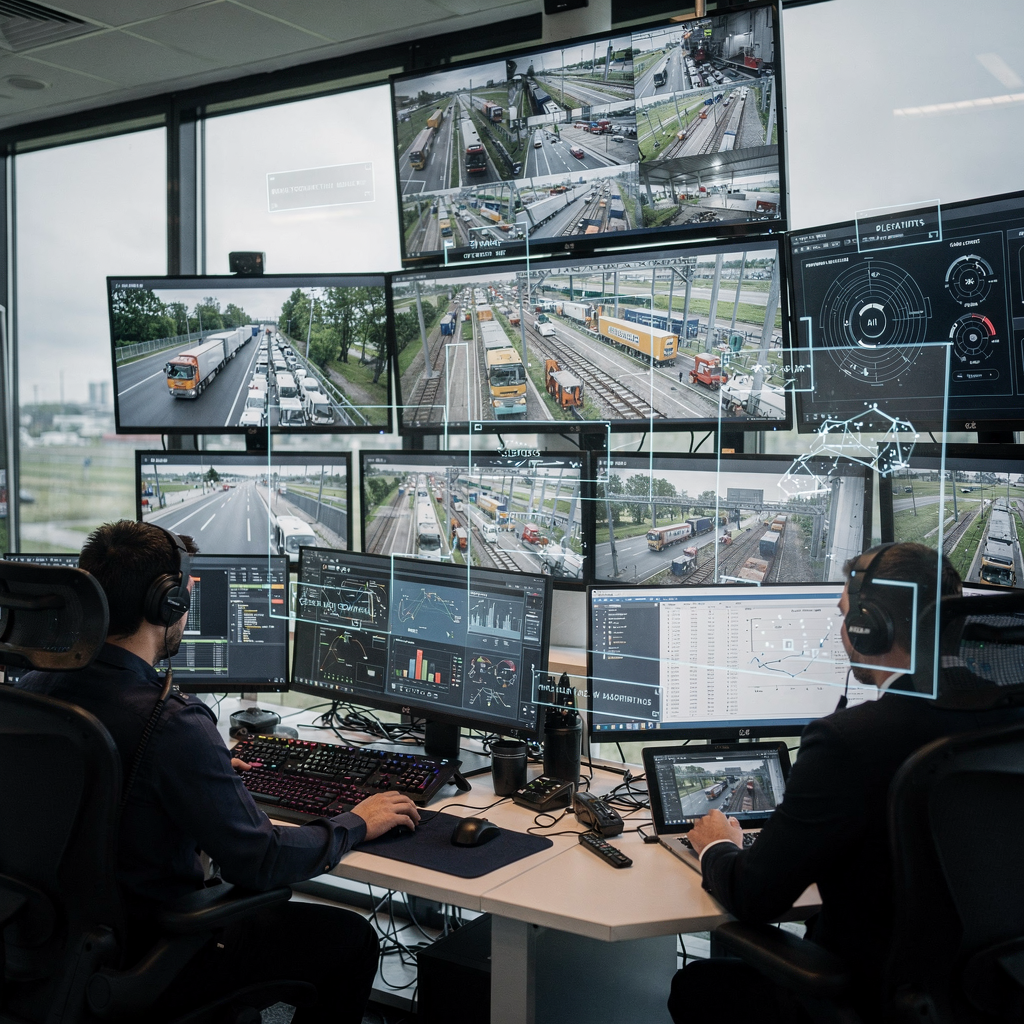
AI assistants are changing how rail operations watch assets and respond to incidents. An AI assistant can scan CCTV, flag hazards, and generate an alert in real-time so teams can act quickly. For example, AI-powered video analytics move systems from passive recording to active detection, which “is redefining the rail surveillance landscape” according to industry reporting on modern CCTV upgrades How AI-driven Innovations Are Transforming Rail CCTV – Moxa. This change helps rail operators cut response times and keep trains moving. At the same time, a lightweight ai agent can triage events, route alerts, and attach context such as train status and recent telemetry so humans can decide the next step.
Real-time detection matters because seconds count during near misses, trespass events, or equipment faults. Therefore systems must integrate with control room dashboards and communications so an alert reaches the right rail operator immediately. When AI spots a track obstruction, the system can create a ticket, notify maintenance teams, and feed a single source of truth back to the operations dashboard. Virtualworkforce.ai helps by automating operational communications where emails and tickets create friction; see how a digital assistant can reduce manual email triage and keep teams focused on safety rather than inbox work virtual-assistant-logistics.
Systems should balance automation with human oversight. Tune models to reduce false positives, and keep clear escalation paths for safety-critical alerts. In addition, audit logs and explainability features must show why an ai-powered decision was made. This ensures operators trust alerts. Finally, integrating AI with legacy signalling and monitoring systems allows real-time situational awareness across the railway. Together these steps help transform surveillance from reactive video archives into proactive operations that prevent disruption and improve passenger outcomes.
predictive maintenance: predictive, predictive maintenance, maintenance planning, train status, data-driven
Predictive maintenance uses data-driven models to forecast failures and optimise maintenance planning. Sensors on bogies, bearings, and traction motors stream telemetry. Then machine learning processes that sensor data to estimate remaining useful life and predict maintenance windows. This predict maintenance approach reduces unscheduled downtime, increases mean time between failures, and lowers maintenance cost per km. Railway pilots by Network Rail and Siemens in 2023–24 showed measurable drops in unplanned outages when sensor-led models informed long-term maintenance decisions. Those case studies show how targeted interventions keep trains running and maintenance budgets predictable.
To succeed, operators must install sensors, collect clean labelled data, and run a pilot on a single fleet or depot. Start by defining metrics such as MTBF and the specific metric used to track component health. Next, involve maintenance teams and maintenance systems early so workflows align with recommendations. Training crews to trust AI outputs matters, as does providing explainability for forecasts. Teams can act faster when a model highlights likely failure modes and suggests maintenance planning steps. This enables maintenance teams to switch from reactive repairs to scheduled interventions, which supports operational excellence across the rail sector.
Data quality and master data management are essential. Create a single source of truth for asset IDs and service histories so models learn reliably. Also integrate predictions with existing systems and dashboards so planners see train status updates and repair tickets automatically. For operators looking for practical guidance, start small, measure improvements in MTBF and reduced delays, and then scale. As artificial intelligence can transform maintenance economics, careful pilots and governance protect safety and build trust in new AI. For a look at how automation of operational messages can help, see the work on ERP email automation for logistics and operations ERP email automation logistics.
Drowning in emails?
Here’s your way out
Save hours every day as AI Agents label and draft emails directly in Outlook or Gmail, giving your team more time to focus on high-value work.
freight management and supply chain: freight, freight management, supply chain, optimization
Freight flows depend on precise timing, available capacity, and clear communications across the supply chain. AI tools provide better forecasting for demand, smarter routing, and dynamic capacity planning. These AI-driven capabilities help reduce empty runs, improve terminal slot scheduling, and increase asset utilisation. For example, by predicting dwell times and optimising interchange windows, freight operators can reduce delays and improve margins. The end result is improved customer satisfaction and more efficient rail services for shippers.
Implementing freight management improvements requires integrating AI with existing systems and trackers. Link the timetable, load records, and TMS data to build a complete view. Then apply optimisation algorithms to route trains, match loads to available wagons, and prioritize movements during congestion. A proper interface between planning systems and live telemetry enables re-planning when disruptions occur. Companies should measure throughput, wagon utilisation, and terminal turnaround as primary metrics to confirm benefits. When data quality is weak, start with small corridors and progressively widen coverage as master data improves.
Operators can also use digital assistant features to automate routine tasks such as status emails and slot confirmations. For logistics teams that want to automate freight communications, virtualworkforce.ai shows how an AI-based email workflow reduces manual burdens and speeds replies AI for freight forwarder communication. In addition, linking freight management models to supply chain partners gives end-to-end visibility. This helps operators transform planning into execution while protecting against major disruption. Finally, consider integration with national rail traffic management systems to align local optimisation with broader traffic management goals, improving throughput across the network.
ai in rail: ai, ai-driven, ai models, generative ai, ai tools, ai helps
The AI ecosystem for rail covers vision models for CCTV, time-series models for sensors, and NLP systems for incident reports. AI models detect track intrusions, predict equipment degradation, and summarise events in natural language for on-call staff. In particular, generative AI can draft incident summaries and standard status messages, freeing humans to focus on higher‑value decisions. Use cases include anomaly detection in video, time-series forecasting for component wear, and natural language summaries that populate a dashboard. These ai tools speed context sharing and improve situational awareness across railway systems.
When integrating ai-driven analytics, validate models on historical incidents and simulate edge cases. Monitor model drift and retrain as data changes. Use explainability tools to justify alerts in safety-critical contexts. For regulated operations, document why a model fired an alert and who signed off on the action. This approach helps build trust where artificial intelligence can transform decision speed without sacrificing safety. Research on human-AI interaction stresses the need for robust governance when ai systems play a crucial role in safety-critical settings Artificial Intelligence Index Report 2025 | Stanford HAI.
Also, integrate AI with operator workflows and dashboards so outputs are actionable. A central dashboard that aggregates CCTV alerts, sensor flags, and maintenance recommendations gives a clear interface for staff. Use ai and machine learning in tandem: vision models spot the event, time-series models suggest remaining useful life, and generative AI drafts the operator note. Case studies from rail companies show real benefits when teams combine these components and follow clear escalation paths. For more on industry adoption rates and the broader trend of AI agents in business, see McKinsey’s state of AI analysis The state of AI in 2025 – McKinsey & Company. 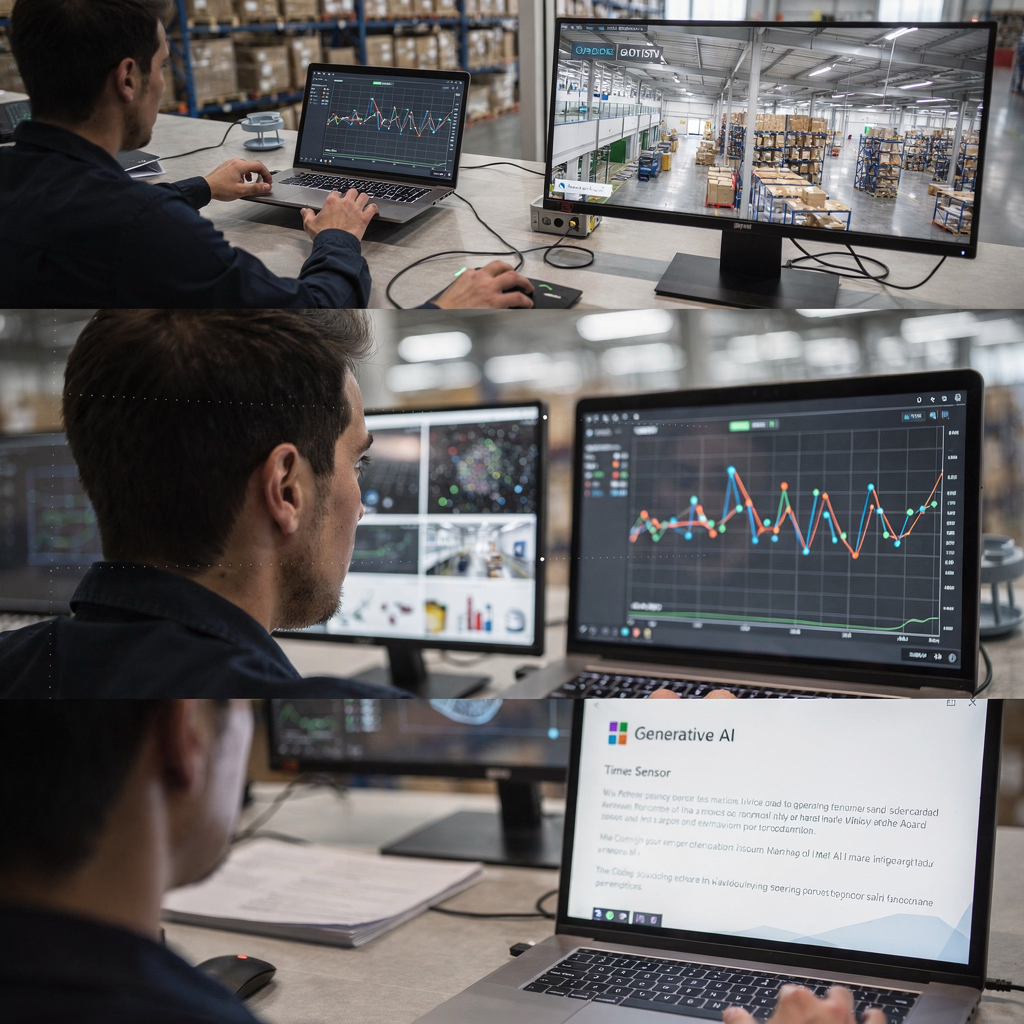
Drowning in emails?
Here’s your way out
Save hours every day as AI Agents label and draft emails directly in Outlook or Gmail, giving your team more time to focus on high-value work.
automation and streamline workflow: automation, streamline, automate, workflow, legacy systems, integrate
AI can automate routine tasks and streamline crew and control room workflow. For example, systems can triage inbound messages, attach context, and route them to the right maintenance teams. This automate routine tasks approach reduces manual lookups and keeps humans focused on exceptions. In dispatch centres, automating message summarisation and ticket creation saves time and reduces errors. The result is faster resolution and more consistent communications across rail services.
Legacy systems often block quick wins. Many railway systems are decades old, so plan phased integration with middleware or APIs. Where no API exists, use adapters to pull telemetry and timetable feeds into a modern dashboard. Integrating AI with existing systems lets teams access a single source of truth for asset health and train status. Clear escalation paths and a human-in-the-loop interface maintain safety. Design workflows so operators get concise alerts, see supporting evidence, and can accept, escalate, or override automated recommendations.
Digital transformation benefits also include lower email overheads. virtualworkforce.ai automates the full email lifecycle for ops teams, which is useful for rail departments that handle hundreds of operational emails daily. That solution shows how automation and a digital assistant reduce handling time and preserve traceability automated logistics correspondence. Finally, address interoperability and data flows early, set master data rules, and run pilots that combine automation with human oversight to maintain safety and build trust.
case studies and future direction: case studies, rail industry, passenger experience, traffic management, national rail, data quality
Case studies show practical outcomes when AI is applied carefully. The Moxa review details how AI-driven CCTV changes surveillance from passive to active detection and supports faster incident response Moxa 2025. Network Rail and Siemens pilots prove that predictive maintenance lowers unplanned outages and supports long-term maintenance planning. These examples demonstrate that artificial intelligence can transform specific parts of operations while requiring careful governance to scale across national rail systems.
Passenger experience improves when delays shrink and communications get clearer. Better traffic management at choke points reduces cascading delays, improving on-time performance and customer satisfaction. For traffic management and rail traffic management, AI helps prioritise movements during disruption and reroute services when needed. However the rail industry must manage cybersecurity and regulatory compliance as it scales new AI solutions. Good data quality, strong master data, and robust authentication protect models and ensure reliable outputs.
Next steps for rail operators are practical. Run pilots with clear metrics, such as fewer safety incidents avoided, reduced delays, and maintenance cost per km. Enforce data governance, measure ROI, and prepare governance for ai-driven decision support. Operators should also invest in workforce training so staff understand model limits and can make informed decisions. For hands-on guidance on scaling operations and preserving operational excellence, see practical resources on scaling logistics operations with AI agents how to scale logistics operations with AI agents. As new ai arrives, focus on precision and efficiency, maintain human oversight, and keep improving data flows to protect passengers and assets.
FAQ
What is an AI rail agent and how does it function?
An AI rail agent is software that observes data streams, then performs detection, triage, and routing for operational events. It typically combines vision models, time-series analytics, and workflow rules to create alerts and suggested actions for staff.
How does predictive maintenance reduce unplanned downtime?
Predictive maintenance uses sensor data and models to estimate remaining useful life and flag impending faults before they cause failure. Maintenance teams can schedule repairs proactively, which lowers unscheduled outages and improves long-term maintenance planning.
Can AI improve freight management on rail networks?
Yes. AI can optimise routing, forecast demand, and coordinate terminal slots to reduce empty runs and boost asset utilisation. For practical implementation and communication automation, operators can explore AI for freight forwarder communication resources.
What safeguards limit false positives from AI alerts?
Safeguards include model tuning, thresholding, human-in-the-loop verification, and explainability reports that show why an alert triggered. Clear escalation paths and audit logs also help operators trust the outputs.
How do rail operators integrate AI with legacy systems?
Operators use APIs, middleware, or adapters to extract telemetry and asset data from legacy signalling and management systems. Phased integration and pilot projects help validate workflows before broader rollout.
What role does generative AI play in operations?
Generative AI drafts incident summaries, status emails, and routine reports, saving time and ensuring consistent communications. Humans review and approve content to keep safety and accuracy high.
How should rail companies measure AI project success?
Use metrics like mean time between failures, reduction in unplanned outages, maintenance cost per km, and improved customer satisfaction. Also track response times to incidents and the accuracy of alerts as operational KPIs.
What are common barriers to scaling AI in rail?
Common barriers include poor data quality, interoperability issues with existing systems, cybersecurity concerns, and workforce readiness. Addressing master data and governance early reduces risk and speeds adoption.
How does AI affect passenger experience?
AI shortens incident resolution times, improves on-time performance, and enhances communications during disruptions. These changes lead to improved customer satisfaction and clearer passenger messaging.
Where should a rail operator start with AI pilots?
Start with a narrow, measurable pilot such as CCTV analytics on a single corridor or predictive models for a specific component type. Define success metrics, involve maintenance teams, and plan integration with existing systems before scaling.
Drowning in emails?
Here’s your way out
Save hours every day as AI Agents label and draft emails directly in Outlook or Gmail, giving your team more time to focus on high-value work.