


Recycle better with AI: automated sorting lifts recovery rates by 20–30%
AI is changing how companies recycle and how operators measure success. For example, studies show AI-powered sortation can increase material recovery by roughly 20–30% and cut contamination in output, which raises material value and resale potential (From data to value in smart waste management). Therefore, recycling teams that deploy vision and robotics see measurable gains in throughput and consistency. These systems combine computer vision, machine learning, and gripping robots to replace error-prone manual picks. As a result, throughput rises and material purity improves.
Computer vision models identify recyclable items by shape, texture, and color, while secondary sensors such as NIR detect polymer and metal signatures. Next, robots perform the physical pick or an air blast diverts material. This interplay reduces human fatigue and human error, which helps facilities meet tighter recycling guidelines and improve recovery. KPIs to track include recovery rate, contamination rate, throughput (t/h), and material purity. Those metrics matter for contracts, compliance, and revenue.
In practice, AI systems feed frequent feedback and retraining loops. The model learns from operator corrections and new samples. Consequently, accuracy climbs over time. Track the share of correctly identified material type, the fraction of recyclable loads diverted to the wrong stream, and the change in tonnage sold at higher grade. For municipal MRFs and private recycler plants, this approach helps align operations with sustainability goals while still focusing on cost control. Also, an ai assistant can speed operator decision-making on the line, and it can log examples to support audits and continuous improvement.
Finally, remember energy and governance trade-offs. AI workloads, including data processing, require electricity; recent reports warn that AI-related data processing used about 4.4% of U.S. electricity in 2023, a figure projected to climb. Thus, plan inference efficiency, renewables, and proper operational governance to both boost recycling rates and limit environmental impact. For teams handling heavy email and ops workflows tied to sorting contracts, integrating email automation can also streamline communications with partners and clients—see how a virtual assistant for logistics can help with rapid replies and record-keeping at scale (virtual-assistant-logistics).
AI-based systems in practice: three commercial examples and measurable gains
Several vendors supply AI-based sorters and proven systems to recycling facilities. AMP Robotics, ZenRobotics, and TOMRA are commonly used names that illustrate different approaches. AMP uses fast vision and robot arms to perform dozens of picks per minute, while ZenRobotics emphasizes modular robots for C&D and mixed municipal streams, and TOMRA blends optical sorting with sensor fusion for complex streams. Each vendor has facility case studies showing material purity and labour cost reductions, making payback plausible within a few years depending on material value.
For example, AMP reports higher pick speeds that lift recovery of target fractions. Tomra installations reduce contamination in high-value streams such as PET and certain metals. ZenRobotics deployments are common in construction & demolition lines to separate wood, metal, and concrete rubble. These vendors show that AI-powered sort systems can be delivered as retrofit modules or as full-line solutions. Retrofit modules help smaller plants adopt automation without total replacement, while full-line projects are suitable where operators want end-to-end modernization.

Capital cost varies widely. A modular robot cell ranges from tens to low hundreds of thousands of dollars, while full-line replacements reach into the millions. Expected payback depends on material prices, labour savings, avoided landfill fees, and better grades. Operational drivers include throughput (t/h), downtime, and the ability to sell higher-purity bales. In one documented case, e-waste lines using AI tools reported faster disassembly and higher recovery of precious metals, supporting broader global recycling efforts (THE GLOBAL E-WASTE MONITOR 2024).
Vendors also vary by software: some provide cloud analytics and fleet management; others emphasize on-premise inference for compliance and latency reasons. When selecting a supplier, compare vendor SLAs, model update cadence, and integration options with existing PLC/SCADA systems. For ops teams that want to reduce email friction tied to invoices, schedules, or exception handling, linking sorting telemetry to an inbox automation tool helps maintain audits and speed responses (automated-logistics-correspondence).
Drowning in emails?
Here’s your way out
Save hours every day as AI Agents label and draft emails directly in Outlook or Gmail, giving your team more time to focus on high-value work.
The AI agent on the line: real-time vision, operator guidance and autonomous picks
An ai agent on the sorting line performs three core tasks: detect, decide, and direct. First, cameras and NIR sensors scan each item. Then the model classifies objects by material and grading. Finally, the system selects an action: robot pick, diverter actuation, or operator prompt. This loop runs at production pace, delivering real-time decisions that raise throughput and reduce sorting errors.
Real-time visual pipelines must be fault tolerant. Models flag unknown items and send them to human review. That safeguards quality and creates labeled examples for retraining. Importantly, operator guidance features make systems user-friendly; a touchscreen or tablet shows the operator a photo of the item and a suggested action. This interactive flow reduces onboarding time, since staff learn by following prompts and correcting mistakes. The guided approach helps novice operators reach mature performance quickly.
Autonomous picks are increasingly precise thanks to improved gripping and control. High-speed arms can cope with dozens of picks per minute, while pneumatic diverters handle fragile loads. Together, these capabilities enhance material purity and lower labour costs. Small teams can therefore manage larger volumes. To maintain compliance and provide traceability, the ai agent logs every pick and every correction to a secure audit trail, which supports vendor integration and contract reporting.
Operators also benefit from insight dashboards and structured feedback loops. The system surfaces common misclassifications and recommends labelling updates. For plant managers seeking to optimize operations, this level of transparency supports decisions about conveyor tuning, camera placement, and shift scheduling. Teams can also integrate these logs into broader IT systems to automate routine email updates and schedules, reducing the administrative burden of running a busy recycling facility (how-to-scale-logistics-operations-without-hiring).
Custom AI for each recycler: sensor mix, models and integration
No two streams are identical. Mixed municipal solid waste, e-waste, and C&D require different sensors and models. Custom AI matters because the same camera model that detects bottles may miss composite materials or electronics. For that reason, teams should design a sensor mix that includes RGB cameras, NIR, X-ray, and weight sensors. Then, tailor models to the local feedstock and the target material type.
Integration is as important as model performance. Decide early whether inference will run on-premise or in the cloud. On-premise inference reduces latency and helps meet strict compliance. Cloud analytics scale easier and ease model updates. Also ensure PLC/SCADA hooks, data logging, and audit trails are in place for traceability. A simple integration checklist: sample the stream, label data, train models, pilot, and scale. Governance and version control keep models transparent and auditable.
Deployment steps are straightforward when teams follow a repeatable path: first sample and label, then validate, next pilot on a single conveyor, and finally scale across lines. Use feedback loops to retrain models as composition drifts. That approach helps identify seasonal shifts in material type or contamination. Vendors offering no-code toolchains and user-friendly retraining help operations teams personalize and customize models without a large data science team. virtualworkforce.ai’s no-code agents show how non-technical ops staff can configure behavior and guardrails, which mirrors the need for user-friendly model control in plant software.
Finally, remember regulatory and safety integration. For electronics and household hazardous waste streams, safety protocols and proper disposal are essential. A documented guideline and clear signage at the blue bin help customers follow proper recycling steps. Tailor training so staff know when to escalate items that could harm equipment or people. When systems are built to scale, they fit into the wider infrastructure of municipal partners, private recyclers, and downstream buyers.
Drowning in emails?
Here’s your way out
Save hours every day as AI Agents label and draft emails directly in Outlook or Gmail, giving your team more time to focus on high-value work.
Smarter recycling solutions: prediction, routes and contamination control
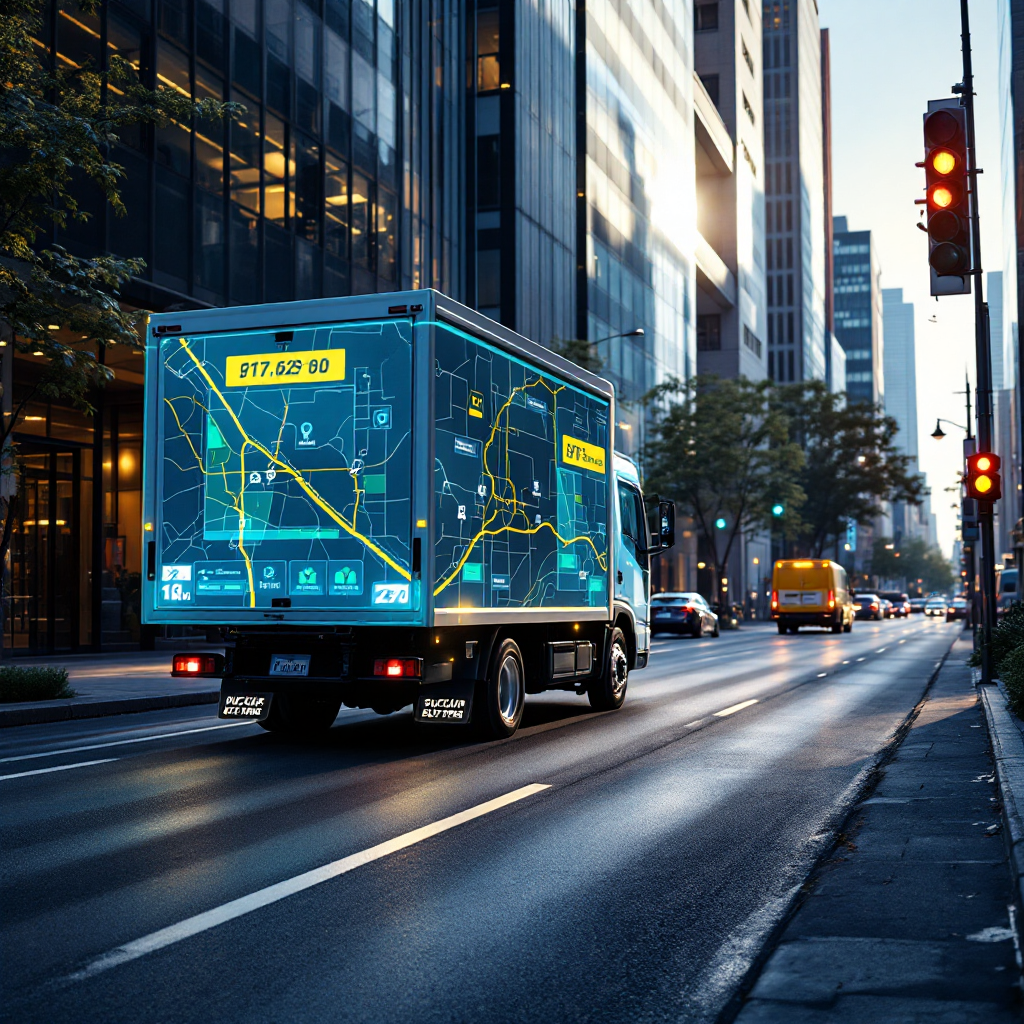
Beyond pick-and-place, AI helps predict volumes, optimize collection routes, and reduce contamination at the source. Predictive analytics models use historical and real-world sensor data to forecast daily flows. That allows managers to schedule crews, scale MRF capacity, and avoid overloads. Route optimization reduces truck miles and fuel use, while better forecasting reduces missed pickups and customer complaints.
AI can also analyze contamination patterns and suggest educational outreach. For example, image samples from curbside collections show frequent errors, such as food-soiled containers or non-recyclable plastics. Labels, localized guideline updates, and photo-of-the-item feedback to residents improve proper recycling. A user-friendly mobile chatbot can accept a photo of the item and provide immediate guidance on whether it is recyclable, compostable, or landfill-bound. Such interactive services empower residents and cut contamination rates.
In the collection fleet, schedule optimization and predictive maintenance reduce downtime. Sensors on trucks and conveyors feed models that forecast failures and recommend preventive service. Consequently, uptime rises and processing costs fall. For operators, these improvements enhance margins and support sustainability goals. Local authorities and private recyclers can align incentives and contracts around measurable improvements in contamination and throughput. Furthermore, combining route optimisation with better collection education reduces unnecessary disposal and landfill use.
Finally, analytics also help prioritize investments. When a recycler considers a new optical sorter versus retrofitting screens, data on contamination, truck miles, and forecast accuracy guide the decision. By leveraging AI for prediction and operations, recycling solutions become more proactive than reactive, and the entire ecosystem benefits from lower costs and higher recovery.
Ecosystem and sustainability: energy, governance and scaling responsibly
AI brings benefits, but trade-offs matter. Data centres supporting AI consume energy; one analysis estimated U.S. AI-related electricity at around 4.4% in 2023, with projections rising. Therefore, plan for efficient inference, renewable power, and lightweight models. These steps align technology rollouts with sustainability targets and reduce the carbon footprint of automation work.
Governance is another core requirement. Establish model audits, privacy controls, and vendor SLAs to ensure consistent performance. Compliance with local rules and reporting supports procurement and downstream contracts. A formal guideline for model updates, logging, and performance metrics keeps systems trustworthy and transparent. Also create escalation pathways for items that sensors can’t identify, and route those exceptions to human review.
To scale responsibly, build partner networks including equipment vendors, software integrators, municipal clients, and financiers. Financing models—leasing, outcome-based contracts, and performance guarantees—can lower adoption barriers. Pilot programs and phased deployment demonstrate value to stakeholders and reduce risk. When combined with clear sustainability goals, AI adoption helps transform the recycling ecosystem into a higher-performing, lower-impact infrastructure.
Lastly, remember the human dimension. Training, user-friendly interfaces, and intuitive dashboards make automation acceptable to operators. Tools that integrate with existing workflows—such as email and ops automation—reduce administrative load and let teams focus on core tasks. For instance, automating operational emails and exception handling speeds communication between MRFs and buyers, which tightens the feedback loop and helps refine and optimize processes (how-to-improve-logistics-customer-service-with-ai). By balancing energy, governance, and practical deployment, the industry can deploy AI-driven recycling at scale and meet shared sustainability goals.
FAQ
What gains can AI deliver for recovery and purity?
AI systems can lift material recovery by around 20–30% and reduce contamination in sorted bales. Those gains translate to higher grades and better revenue for recycling facilities.
Which vendors provide proven AI sorters?
Companies such as AMP Robotics, ZenRobotics, and TOMRA have commercial installations in MRFs and C&D plants. Each offers different sensor mixes and business models to match facility needs.
How does an ai agent differ from a conventional control system?
An ai agent adds learning, real-time classification, and operator guidance to decision-making. It also logs corrections so the model improves over time and adapts to changing streams.
Can smaller plants adopt AI without full-line replacement?
Yes. Many vendors sell modular retrofit cells that integrate into existing conveyors and control systems. This approach lowers upfront capital needs and shortens payback windows.
How do teams handle items the model cannot identify?
Systems flag unknowns and route them for human review, creating labeled examples for retraining. That feedback loop reduces future misclassifications and improves long-term performance.
What energy concerns should operators consider?
AI workloads demand electricity for inference and cloud processing. Operators should plan for efficient models, on-premise inference when appropriate, and renewable power to reduce environmental cost.
How does AI help reduce contamination at the source?
AI can analyze curbside photos and capture common errors, then feed targeted education. Interactive tools, like a chatbot that responds to a photo of the item, empower residents to follow proper recycling practices.
Are there financing options to deploy AI at scale?
Yes. Leasing, outcome-based contracts, and vendor financing are common. Pilot studies help establish measurable ROI and make securing financing easier.
How do AI tools affect workforce needs?
Automation reduces repetitive manual picks but increases demand for technicians and data stewards. Training and intuitive interfaces help staff transition into higher-value roles.
What regulations or governance should recyclers prepare for?
Prepare for data privacy rules, vendor SLAs, and reporting requirements tied to contracts and certifications. Model audits and traceable logs support compliance and buyer confidence.
Drowning in emails?
Here’s your way out
Save hours every day as AI Agents label and draft emails directly in Outlook or Gmail, giving your team more time to focus on high-value work.