


AI phone, voice AI, ai assistant — cut missed calls and speed bookings
Phone traffic spikes during dinner service. Many restaurants lose bookings because staff cannot answer every customer call at peak hours. An AI phone service keeps the line open around the clock, so restaurants never miss a call and convert more enquiries into confirmed seating. For example, about 79% of U.S. restaurants now use some form of AI, and adopters report revenue uplifts and labor savings that directly improve the bottom line 79% of U.S. restaurants now utilize some form of AI. Therefore phone answering becomes a growth lever rather than a cost center.
Voice AI can take multiple calls at once, so simultaneous calls no longer jam a single line. A Google Duplex-style voice model can sound natural while it confirms a time, captures party size, and logs special requests. In fact, these AI voice interactions reduce abandoned calls and improve booking conversion compared with voicemail and callback workflows AI in Restaurants: from Chatbots to Data-Driven Menu Creation. As a result, restaurants see higher answer rates and fewer lost covers during peak hours.
Key metrics to watch include answer rate, booking conversion rate, and average hold time. An AI-powered phone answering solution will track those KPIs in real time and auto-route complicated calls to human staff. This reduces stress on hosts and helps restaurant staff focus on the dining room. Also, by combining conversational AI with calendar sync and reservation platforms, the system updates availability instantly and confirms bookings in seconds. For practical tech teams, start with a low-risk pilot on off-peak shifts, then expand coverage. You can also learn how operational email automation works as a similar pattern by reading about how to scale logistics operations without hiring how to scale logistics operations without hiring.
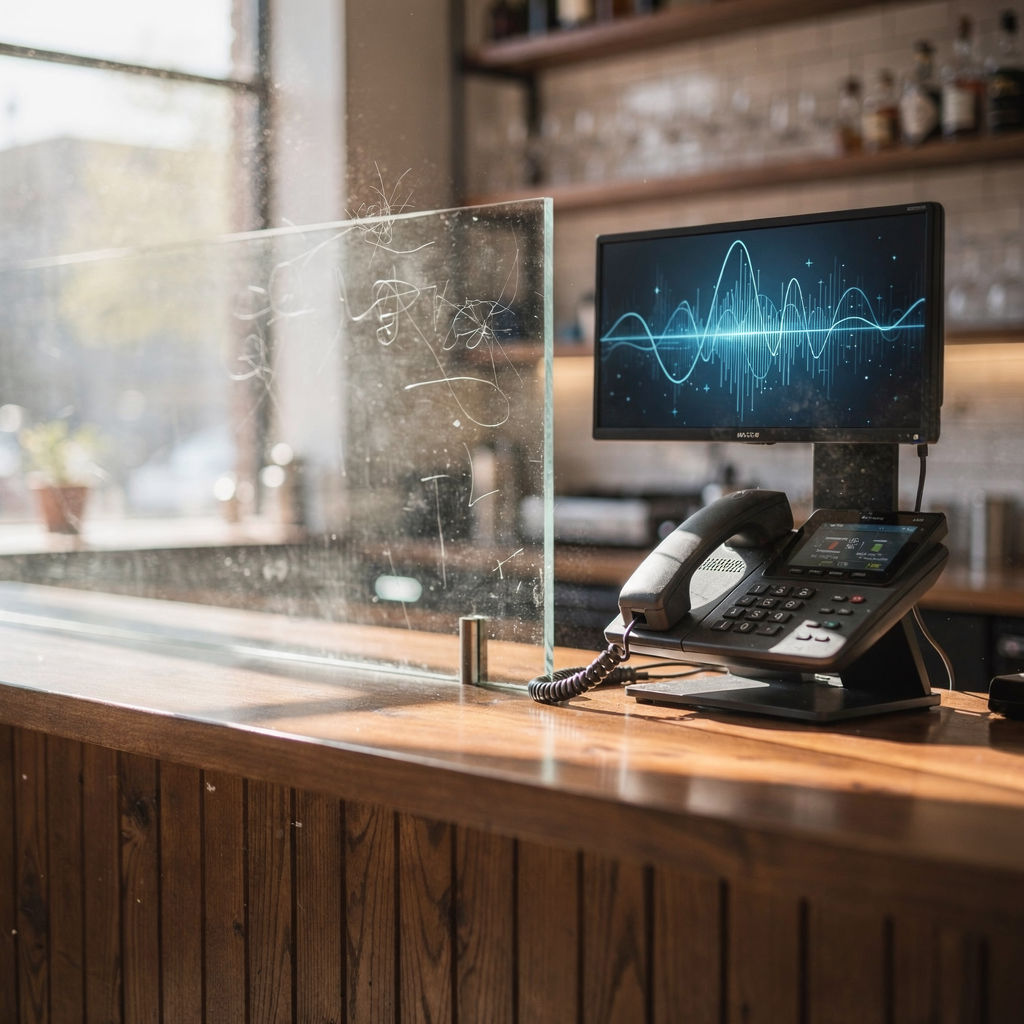
Finally, transparency matters. Tell callers when an AI answers and offer a quick human transfer. That simple disclosure preserves trust while you benefit from automated coverage. In short, an AI phone service reduces wait times, improves the booking process, and helps restaurant owners reclaim missed revenue.
reservation, booking, inquiry, customer inquiries — how AI improves the guest experience
Callers phone for many reasons: a new reservation, a change or cancel request, menu questions, or accessibility details. A well-trained AI handles routine customer inquiries instantly, so guests get answers fast and staff stay focused on in-person hospitality. When an automated flow confirms a reservation, it reduces mistakes in party size and time, which cuts double-bookings and improves the dining experience. For example, OpenTable and Resy style assistants already take, modify, and confirm reservations while building guest profiles for future service From Reservations to Reviews: How AI Is Changing Restaurants.
Map a typical caller journey to design responses. First, identify intent: is the caller asking to make a reservation or to change it? Next, verify availability in the restaurant’s reservation system and secure the slot. Then, capture preferences and allergies and send a confirmation message by SMS or email. This flow resolves most calls without human intervention. As a result, time to first response drops and the accuracy of reservation data improves. That leads in turn to fewer last-minute surprises for kitchen staff and a smoother service.
AI voice assistants can also upgrade the ordering experience for phone orders and delivery orders. They can confirm dishes, repeat back special instructions, and push orders directly into the POS or delivery platform. This reduces human error and speeds kitchen prep. Also, by logging interactions into CRM, AI can help restaurants personalize follow-ups, which raises customer satisfaction and encourages repeat visits.
Quick KPIs to measure include time to first response, accuracy of reservation data, and repeat caller resolution rate. These numbers make it clear when an AI-powered routing rule or script needs tuning. If you want to see how AI agents automate repetitive communications in operations contexts, check resources on virtualworkforce.ai about email lifecycle automation automated logistics correspondence. By designing journeys that default to simple, clear options, you ensure guests get what they need fast and staff handle the exceptions that require human warmth.
Drowning in emails?
Here’s your way out
Save hours every day as AI Agents label and draft emails directly in Outlook or Gmail, giving your team more time to focus on high-value work.
existing restaurant, existing restaurant stack, use ai — integrating AI with POS and booking systems
Integration is the practical work that makes an AI phone service reliable. Start with an audit of your existing restaurant stack: list the POS system, reservation platform, CRM, and any SMS/email providers. Then pick an AI phone vendor that supports standard connectors or webhooks to those systems. Typical integrations include calendar sync with the reservation system, cover updates in the POS, and messaging triggers for confirmations and reminders. This ensures orders and reservations reflect real-time availability and that no two systems contradict each other.
Integration steps are straightforward. First, audit current systems and workflows. Next, select a compatible ai solution and map the API flows you need. Then test in low-volume hours and train staff on fallbacks. Finally, move to full production during a quieter service day. During testing, measure error rate and reconcile mismatches between the AI and the POS. If you use a shared inbox or have heavy operational email traffic, consider how AI agents can automate email workflows; this pattern is similar to how teams reduce handling time in logistics by using virtual email agents ERP email automation for logistics.
Practical integration tips include: enable two-way sync so the reservation system marks a cover when the AI confirms a booking; send immediate SMS confirmations to lower no-shows; and log call transcripts to customer profiles so hosts see preferences on arrival. Ensure the POS system receives no-show and cancel flags to adjust staffing and prep. Also, map fallback routes so complex customer calls transfer to a host within a set threshold. This makes the system resilient and trustworthy.
Quick KPI candidates here are time to full integration and error rate during the first month. Aim for a staged rollout: integrate core flows first, then add deeper CRM updates. That approach keeps risk low and demonstrates value fast. If you want to see how similar automation handles large volumes of repetitive messages, our company has detailed examples of automating operational communications for logistics teams at virtualworkforce.ai how to improve logistics customer service with AI. Use AI to streamline your stack and reduce manual reconciliation between systems.
ai for restaurants, ai agents, voice assistant, restaurants use — operational and staff impacts
When AI takes routine calls, it changes day-to-day work for front-of-house and managers. Hosts spend less time on the phone and more time greeting guests. Kitchen staff get steadier orders and clearer special requests. Managers can focus on floor flow and staff coaching rather than triage. Many restaurants using AI report lower labor hours and higher covers per service as the AI handles waitlists, reconciling double bookings, and pushing SMS confirmations.
AI agents can also flag patterns that matter: repeated menu items that sell out, persistent timing issues, or frequent cancellations on specific nights. That data helps managers plan labor and stock more accurately. Artificial intelligence for restaurants can forecast ingredient needs and suggest schedule adjustments so the kitchen runs more smoothly and food service costs fall. These improvements support operational efficiency and free human staff to deliver high-quality hospitality.
Staff acceptance depends on clear roles and training. Set expectations early: the AI answers standard queries, and staff handle complex or sensitive calls. Also deploy a visible dashboard so hosts can see when AI handled calls and where escalations occurred. This transparency builds trust. For restaurant groups, centralized configuration lets operators update scripts across sites quickly, which helps when specials change or groups rotate menus.
Quick KPIs include labour hours saved, covers per service, and staff satisfaction. For teams that manage both phone orders and in-person seating, the AI can route phone orders to the kitchen while keeping table traffic smooth. If you want to compare how AI reduces manual message overload in another industry, see virtualworkforce.ai case studies on virtual assistant logistics virtual assistant logistics. By letting machines handle repetitive touchpoints, your team can focus on the human moments that drive loyalty.
Drowning in emails?
Here’s your way out
Save hours every day as AI Agents label and draft emails directly in Outlook or Gmail, giving your team more time to focus on high-value work.
message, hospitality, restaurant operators, enhancing customer, customer loyalty — measuring value and keeping people happy
Clear, timely messages matter to guests. A confirmation text that repeats the reservation time and captures dietary notes reduces stress for both diners and staff. Automated pre-shift messages that flag VIPs or birthday parties let hosts prepare an extra touch. These small details add up to better customer satisfaction and deeper customer loyalty. Use confirmations and custom notes to make guests feel known and remembered.
Track metrics that link directly to guest happiness: repeat booking rate, Net Promoter Score or CSAT, and no-show reduction. When an AI captures preference data, feed that into the CRM so future visits feel personalized. That data also supports targeted offers and post-visit follow-ups, which improve lifetime value. Ensuring seamless follow-ups and loyalty messages will turn one-time visitors into regulars.
Automate confirmation and cancellation messages to limit late surprises. This reduces last-minute seat waste and helps the kitchen scale prep. Ensuring seamless communication between phone, reservation platform, and POS helps managers optimize covers and staffing. Remember, the goal is to streamline operations and enhance the dining experience; the right balance of automation and human touch increases guest satisfaction without making service feel robotic.
Quick KPIs in this area are repeat booking rate, NPS/CSAT, and percentage reduction in no-shows. If you are assessing ROI, compare revenue per available seat before and after launching the phone answering solution. As you measure impact, use those insights to refine your scripts and personalization rules so hospitality stays at the center.
ai assistant, ai phone, ethical use, costs and KPIs — rollout checklist for operators
Rolling out an AI phone service requires clear steps. First, define goals: increase answer rate, improve booking conversion, or reduce labour. Then budget for subscription fees and integration costs. Typical subscriptions vary by call volume and features; weigh those costs against expected revenue per captured booking and the value of reduced labour hours. Also build a compliance plan to disclose automated calls when required and protect guest data.
Checklist items: pilot script, fallback to human, privacy notice, and a monitoring dashboard that tracks answer rate, conversion, and revenue impact. Include a plan for addressing bias and for limiting data retention. Be explicit about consent for recording and linking phone transcripts to CRM profiles. Operational KPIs to track after launch include answered calls %, bookings from phone %, revenue per available seat, and cost per captured booking.
Practical policy points matter. Let callers opt out of automated prompts and always offer a human transfer. Also test scripts for clarity and friendliness. Use A/B testing on confirmation wording to improve conversion and measure the effect on no-shows. If your group manages multiple sites, centralize rules and push updates across the restaurant group so consistency stays high.
Finally, remember that AI can help in many ways but it must be deployed responsibly. A good AI solution supports staff rather than replacing all human contact. To see similar automation patterns in operations, where long message threads become structured workflows, read about how to scale logistics operations with AI agents how to scale logistics operations with AI agents. With the right checklist, restaurants can start small, measure impact, and expand while keeping hospitality front and center.
FAQ
What is an AI phone answering service for restaurants?
An AI phone answering service uses artificial speech and natural language models to answer calls, take reservations, and field basic questions. It frees staff from repetitive phone work and helps ensure that the restaurant never misses a customer call.
Will customers know they are speaking with AI?
Yes, it is best practice to disclose when an automated system answers a customer call. Disclosure preserves trust, and offering an easy transfer to a human keeps the experience comfortable for guests.
How does AI improve the reservation process?
AI captures reservation details quickly, confirms availability with your reservation system, and sends immediate confirmations by SMS or email. This reduces errors in party size and timing, which lowers double bookings and saves time for hosts.
Can AI integrate with my existing POS and reservation system?
Most modern AI phone solutions use webhooks and APIs to sync with POS systems and reservation platforms so orders and reservations update in real time. A planned audit and staged testing make integration smooth and reduce errors during the first month.
Will AI reduce the need for restaurant staff?
AI automates routine tasks and reduces phone workload, allowing staff to focus on in-person hospitality. It often lowers labor hours spent on phones, but human hosts remain essential for complex or high-touch interactions.
Is using AI secure and compliant with privacy rules?
Yes, when operators adopt clear privacy notices, limit data retention, and require consent for recording, AI phone systems can meet legal standards. Include vendor audits and data governance in your rollout checklist to maintain compliance.
How do I measure the ROI of an AI phone system?
Track answered calls %, bookings from phone %, revenue per available seat, and cost per captured booking. Compare these KPIs before and after launch to quantify revenue uplift and labor savings.
Can AI handle food ordering and delivery orders?
Yes, AI can confirm order details, repeat special instructions, and push phone orders into delivery platforms or POS. This reduces human error and speeds up order handling for delivery orders and phone orders.
What happens when the AI cannot resolve a customer inquiry?
The system should have a clear escalation path that transfers the call to a human staff member. A fallback to human policy ensures guests get help for complex requests or sensitive issues.
How do restaurants go live with an AI phone service?
Start with a pilot during low-traffic hours and integrate with your reservation and POS systems. Train staff on new workflows, monitor KPIs, and expand coverage as confidence grows. Small pilots let restaurant operators validate value and adjust scripts before a full rollout.
Drowning in emails?
Here’s your way out
Save hours every day as AI Agents label and draft emails directly in Outlook or Gmail, giving your team more time to focus on high-value work.