


How AI improves distributor performance and the sales process for the modern retailer (ai, sales process, retailer, use ai)
Distributors face complex stock flows, many SKUs and mixed channels. AI helps by turning raw sales data into clear action. For example, demand forecasting narrows uncertainty. Also, stock allocation across depots becomes more precise. In turn, personalised offers lift conversion and repeat business. The role of an AI shopping assistant ranges from predicting demand to suggesting bundles at the point of sale. For instance, large retailers report reduced stockouts and higher on‑shelf availability after adopting predictive systems. See surveys that show around 42% of retailers already use AI and that the global AI market in retail could reach about $15.3bn by 2025 (industry survey) and (market forecast).
Track the right metrics. First, measure stockouts and on‑time availability. Next, track conversion and customer satisfaction. Also, measure promotional ROI and labour time saved. Short feedback loops let teams act fast. AI provides real‑time insights during sales calls. For example, sales reps see recommended SKUs and cross‑sell guidance live in the CRM. This use of analytics and natural language processing trims decision time. Consequently, the sales process shortens. The distributor can increase sales while cutting excess inventory.
Practical steps matter. Start with a focused use case. Then, proof results with a pilot that links POS, ERP and CRM. virtualworkforce.ai, for example, focuses on earned time for ops teams and reduces handling time for repetitive email tasks. In addition, that approach shows how data fusion improves order handling and communications. Finally, document results and scale the model when conversion and stock metrics improve. In short, retailers that use AI carefully gain clearer demand signals, better on‑shelf rates and a more efficient sales process.
Where an ai shopping assistant sits in omnichannel retail and how to integrate the ai tool (ai shopping assistant, shopping assistant, ai tool, retail media)
An AI shopping assistant sits at several integration points across omnichannel retail. It connects to ecommerce platforms, POS, warehouse management systems and CRMs. Also, it ties into retail media platforms to sharpen promotions and SKU prioritisation. Integration patterns vary. Many vendors use an API‑first approach. Others deliver middleware or platform‑native plugins for Shopify or Salesforce. For example, platform plugins speed deployment for ecommerce stores. At the same time, API‑first systems keep compatibility with legacy ERPs.
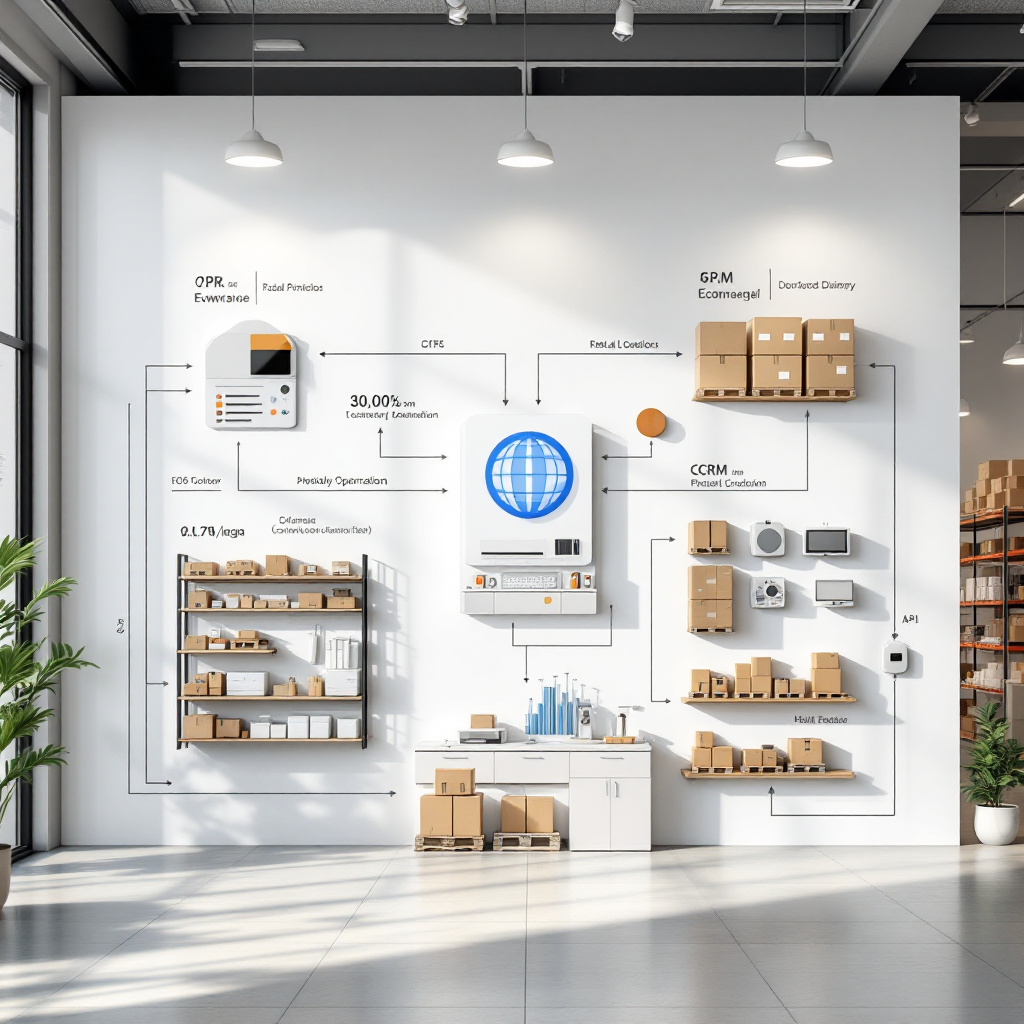
Functions span product discovery, dynamic promotions, in‑store assistance and checkout help. Also, the assistant can power a conversational chatbot at the point of sale. In addition, it can deliver personalised product recommendations and support retail media campaigns. Real‑time pricing updates become possible. Thus, conversion lifts and promotion ROI can improve. For example, AI‑led product discovery often raises conversion by improving relevance. Meanwhile, smoother fulfilment supports on‑time availability.
Implementation depends on business needs. First, decide whether to adopt a standalone AI tool or a vendor suite of AI‑powered tools. Next, evaluate integration with existing CRMs and ERPs. Also, check technical compatibility and security. virtualworkforce.ai shows how no‑code connectors can speed integration for logistics and operations teams. For more details on automating logistics correspondence and email drafting, see our guide on automated logistics correspondence automated logistics correspondence. Finally, choose a path that makes the shopping assistant feel seamless to customers and staff.
Drowning in emails?
Here’s your way out
Save hours every day as AI Agents label and draft emails directly in Outlook or Gmail, giving your team more time to focus on high-value work.
How to choose the best ai and best ai sales assistants for your business (best ai, best ai sales assistants, ai sales assistant software, sales tool, right ai)
Choosing the best AI starts with clear requirements. First, map the sales tool needs. Do you need recommendations, outreach automation or a virtual assistant for ops? Next, check data access for CRMs and ERPs. Also, examine vendor track record and whether the ai platform supports explainability. Explainability matters for trust and for sales leadership. Consider total cost of ownership. Look for modular vendors that let you expand from a pilot to full deployment.
Compare fit by channel. Ecommerce‑first retailers need strong product feed management and direct integration with ecommerce platforms. Field sales distributors need CRM outreach and offline sync. Some vendors focus on outreach, while others specialise in recommendation engines. Examples include recommendation engines used by big retailers and outreach tools that connect to HubSpot and other CRMs. For outreach, HubSpot and other platforms have many integrations. Also, Regie.ai and similar tools work for messaging, but confirm they match your security and data rules.
Test with a short pilot. Define success metrics and data readiness. Also, include a security review. For example, measure conversion lift, lead response speed and inventory accuracy. A simple pilot might run for eight weeks. Include a checklist that covers data connectors, user roles and a rollback plan. For logistics‑focused teams that need faster, consistent replies, see our virtual assistant for logistics page virtual assistant for logistics. Choose the right AI by balancing capabilities, vendor fit and ease of scaling. In the end, the best AI matches your sales process, integrates cleanly and delivers measurable gains.
How to automate lead data and routine tasks so your sales team sells more (automate, lead data, sales team, ai tool)
Automation frees sales reps to focus on high‑value selling. Start by automating lead enrichment and prioritisation. Also, push hot leads into the CRM with clear next steps. For example, an AI tool can tag leads from web forms and attach purchase intent signals. Then, the sales team receives a ranked list so reps call the best prospects first. This improves conversion and shortens sales cycles.
Next, automate routine order tasks. Use AI to prefill order entries, flag exceptions and draft response emails. virtualworkforce.ai shows how no‑code agents draft accurate, context‑aware replies and pull data from ERPs and WMS systems. As a result, teams cut handling time and errors. Also, route high‑priority customer queries to senior reps. Meanwhile, lower‑risk emails can be auto‑answered.
Keep data clean. Ensure that lead data includes consent records and an audit trail. Also, set rules so the AI agent respects do‑not‑contact preferences. For sales workflows, create templates for follow‑up sequences and sales calls. Then, let the AI suggest next best actions. For example, automated re‑order reminders raise retention, and AI suggestions in call scripts help reps ask the right questions. Finally, measure results. Track lead response time, conversion and time saved. Use those figures to justify wider rollout and to increase sales.
Drowning in emails?
Here’s your way out
Save hours every day as AI Agents label and draft emails directly in Outlook or Gmail, giving your team more time to focus on high-value work.
Using general ai to personalise shopping experiences and lift retail media performance (general ai, ai shopping, shopping experiences, retail media)
General AI uses large models plus fine‑tuning to create dynamic product copy and personalised feeds. First, personalise at scale by serving relevant product recommendations and tailored creative. Next, test creative variations with A/B experiments to find what converts best. Also, apply natural language processing to interpret shopper intent from queries and behaviour. This improves product discovery and reduces search friction.
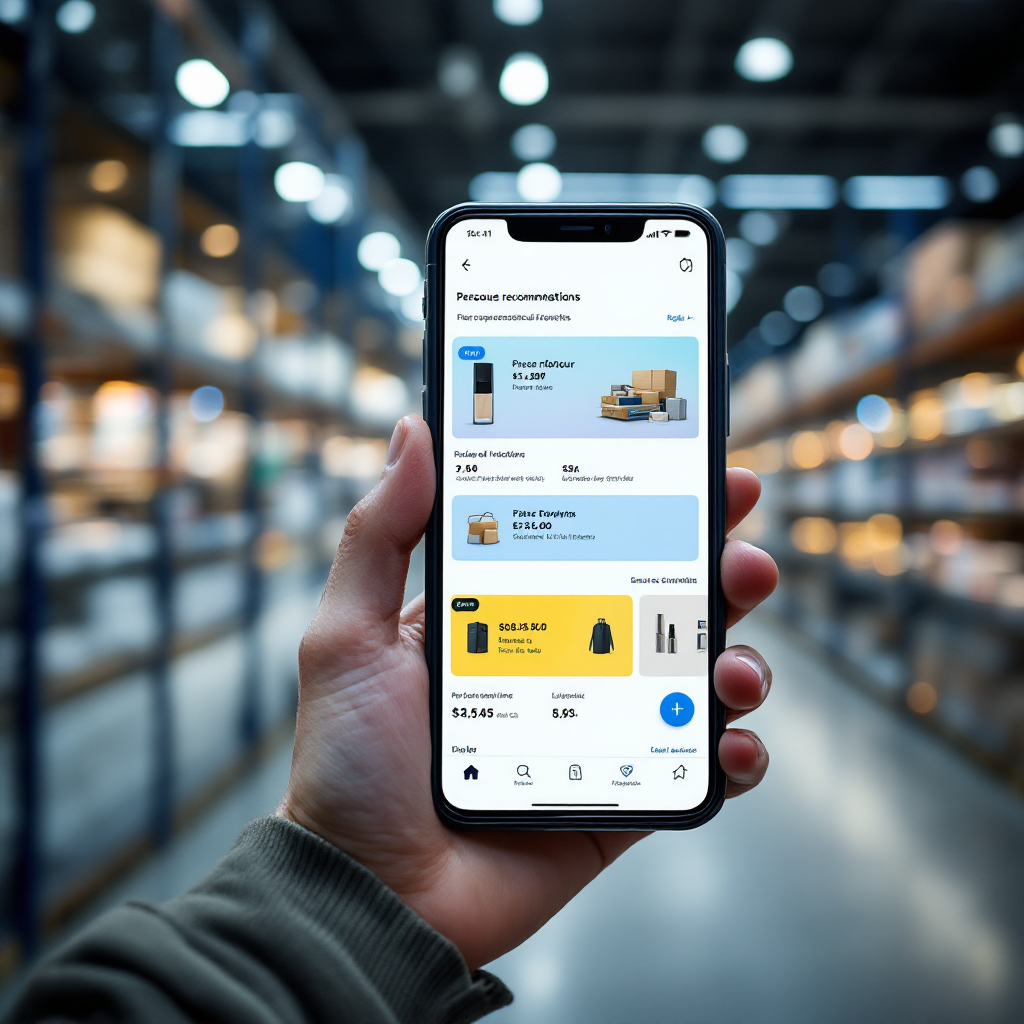
Retail media benefits too. Use AI to predict ad spend ROI and to prioritise SKUs in campaigns. Then, optimise bids and creative for high‑margin lines. Also, AI can generate tailored headlines and descriptions that match shopper intent. For example, retailers that deploy personalised feeds often see higher conversion and better promotion ROI. Consumer readiness grows. In one study, 44% of US consumers said they would use AI as a personal assistant, which supports broader adoption (Salesforce).
Best practices include clear disclosure and opt‑ins for personalisation. Also, monitor model drift and test for bias. Use revenue intelligence to link ad spend to on‑shelf availability and margin. For ecommerce and retail media teams, a hybrid approach often wins. Combine general AI creativity with rules that protect margins and inventory. Finally, deliver experiences for customers that feel relevant and helpful, rather than intrusive.
Governance, security and measuring ROI to pick the right ai for long‑term value (right ai, use ai, ai sales assistant software, automate)
Governance and security make AI sustainable. First, set clear data privacy rules and access controls. Also, audit model outputs and monitor for bias. For compliance, map data flows against GDPR and UK rules. In addition, require vendor transparency on model training data and update policies. For sensitive logistics and order management tasks, use tokenised APIs and least‑privilege roles.
Security patterns matter. Adopt secure integration practices and use role‑based access to limit exposure. Also, keep audit logs and redaction policies for email memory and PII. For logistics teams that need email automation, review our guidance on ERP email automation for logistics ERP email automation. That helps align system updates with communications.
Measure ROI with an outcomes framework. Track acquisition lift, retention, inventory efficiency and labour productivity. Also, set cadence for review and iterate. For instance, target a reduction in stockouts and aim to cut email handling time by defined minutes per case. virtualworkforce.ai reports that teams typically cut handling time from about 4.5 minutes to 1.5 minutes per email. Use those figures to model savings and to justify scale.
Appendix: Pilot readiness checklist. First, confirm data connectors for CRM, ERP and WMS. Second, define success metrics and a short pilot timeline. Third, complete a security and privacy assessment. Fourth, train a small group of users and collect feedback. Appendix: One‑page ROI template. List baseline metrics, expected lift for each metric, time horizon and cost of deployment. Then, calculate net benefit and payback period. Finally, pilot, learn and scale so teams can automate safely and deliver faster value.
FAQ
What is an AI shopping assistant and how does it help distributors?
An AI shopping assistant uses artificial intelligence to suggest products, forecast demand and automate routine tasks. It helps distributors by improving stock allocation, speeding responses and personalising offers for shoppers.
Where should I integrate an AI tool in my tech stack?
Integrate the AI tool with ecommerce, POS, CRM and warehouse systems for full omnichannel value. Also, consider retail media and ERP links so that recommendations respect inventory and margins.
How do I pick the best AI sales assistant software?
Start with your primary use case and data readiness. Then, evaluate vendor compatibility with CRMs, security, explainability and total cost of ownership. Run a short pilot to validate the choice.
Can AI automate lead data without creating compliance risks?
Yes, if you enforce consent records and audit logs before automation. Also, implement rules that respect do‑not‑contact preferences and keep a clear trail for regulatory checks.
Will general AI improve shopping experiences for customers?
General AI can generate dynamic copy and personalised feeds that match customer behaviour. However, you should disclose AI use and offer opt‑ins to keep trust high.
How do I measure ROI for an AI pilot?
Measure conversion lift, reduction in stockouts, time saved for staff and promotion ROI. Also, create a simple one‑page ROI template that lists baseline, expected lift, costs and payback.
What governance steps are essential before a wider rollout?
Set data privacy rules, model monitoring and bias checks. Also, ensure secure APIs, role‑based access and clear escalation paths for unexpected outputs.
Are there AI tools suited for logistics and email automation?
Yes. Some platforms focus on logistics email drafting and context‑aware replies that pull from ERP and WMS. For logistics teams, review our pages on automated logistics correspondence and ERP email automation for specifics automated logistics correspondence and ERP email automation.
How can AI improve retail media campaigns?
AI predicts SKU performance, optimises bids and tailors creative to shopper segments. This can increase conversion and raise return on ad spend when linked to inventory signals.
What are the first steps to scale AI across my retail business?
Run a tight pilot with clear metrics, secure necessary data connectors and train a small user group. Then, scale by repeating successful pilots across channels while monitoring governance and costs.
Drowning in emails?
Here’s your way out
Save hours every day as AI Agents label and draft emails directly in Outlook or Gmail, giving your team more time to focus on high-value work.