


ai: why supermarkets are using ai now
AI is changing how supermarkets operate and how people shop. It helps with personalization, inventory forecasting, dynamic pricing, and conversational commerce. For example, personalization and product recommendations make suggestions that match past buys, while inventory tracking predicts stock levels and reduces out-of-stocks. Stores also use dynamic pricing to adapt to demand and to offer targeted coupons in real-time. These capabilities let grocery retailers simplify the shopping trip, and they let retailers find the best deals for customers while improving margins.
Two quick facts show growing use. About 36% of shoppers have used an AI tool to assist with grocery tasks, and roughly 43% of Americans are aware of AI shopping assistants but only 14% have actively used one. Meanwhile, roughly 44% of consumer-goods executives report using generative AI in customer service. These numbers show clear interest and growing implementation by retailers.
In short, AI delivers faster trips, tailored offers, fewer out-of-stocks, and smoother checkouts. At the same time, risks exist. Pricing transparency and biased recommendations can harm trust, and a recent investigation raised concerns that instacart’s ai solutions may inflate grocery bills for some shoppers. The quote that “AI is becoming the new grocery gatekeeper” captures how AI shapes choices and access in stores and apps (The Food Institute).
Definition: AI here means machine learning and generative models that analyze data to provide personalized product and recipe recommendations, forecast demand, and automate dialog with customers. Benefits include personalization, speed, and cost savings, while risks include transparency and privacy. For retailers that want to automate operational tasks and improve the digital customer experience, tools such as no-code email and agent platforms from virtualworkforce.ai can also help operations teams reduce time spent on repetitive requests and keep supply-side data accurate and current.

ai assistant: core features that shoppers actually use
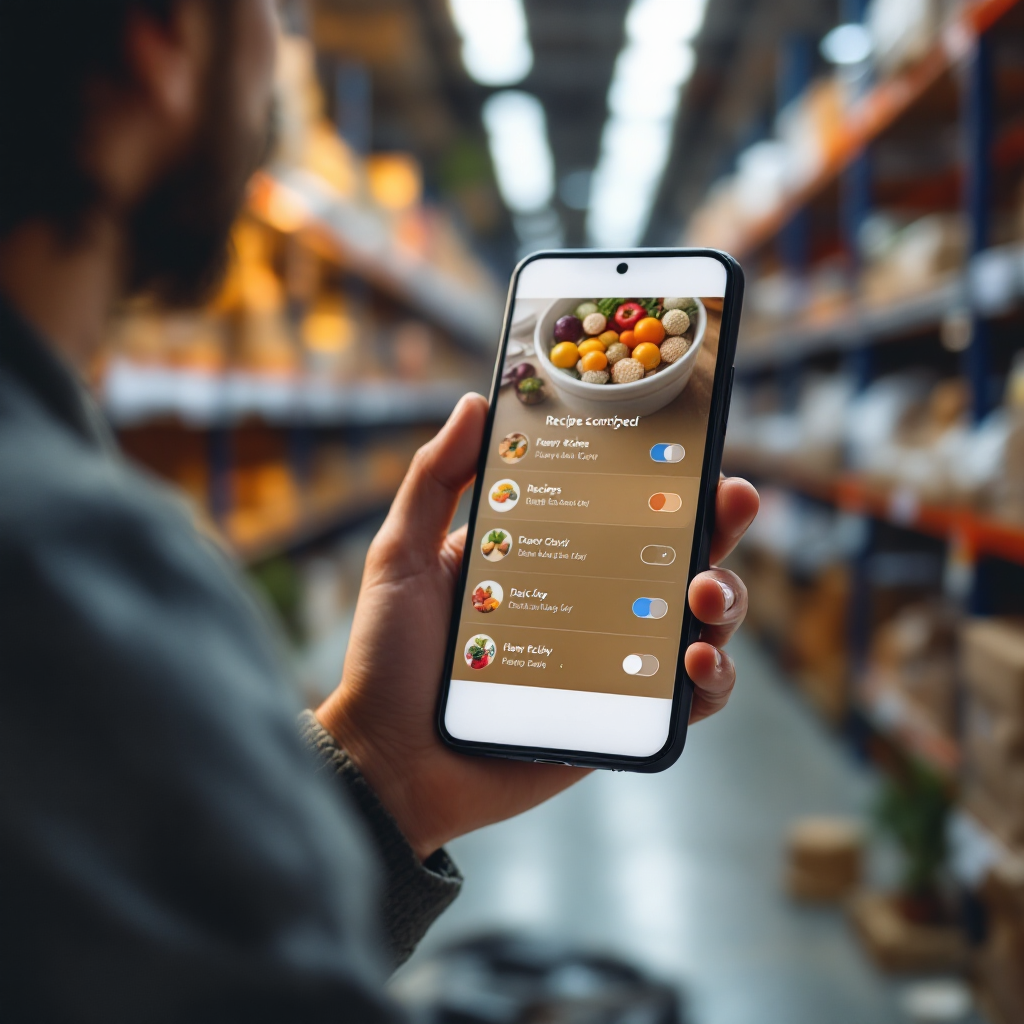
AI assistant features now focus on clear, useful tasks. Shoppers use conversational search and voice interaction to find products. They use recipe-to-cart flows that convert a recipe into a shopping list and then into a cart. They scan handwritten notes or receipts and import items. They use pantry integration so that the app knows what is already at home. These features reduce friction in grocery shopping and make shopping faster.
Usage patterns show how people interact with interfaces. A recent survey finds that 81% of users reported voice or chat shopping interfaces in recent months. Yet only about 34% of U.S. shoppers are comfortable letting AI complete purchases for them. That gap matters: people will use conversational features, but they want control when money is involved.
Here is a short user story. A parent opens a mobile app, asks a voice integration for a week of easy dinners, and then taps to add a meal plan to cart. The assistant removes items already flagged in the pantry, normalizes quantities, and suggests a cheaper substitute for a sold-out item. The result: the shopper saves time, avoids duplicate buys, and feels in control. That scenario shows how ai-powered tools can support daily routines and reduce friction across the shopping journey.
Design checklist for trust: prioritize transparency, allow easy edits, show provenance for product recommendations, and provide clear privacy settings. Let users opt in to data sharing and show why a personalized product was suggested. Retailers should also surface a store view that shows in-store aisle location to find items when a shopper goes to the physical store. For operations teams that answer many customer emails about orders and substitutions, integrating a no-code agent like virtualworkforce.ai can automate replies while citing ERP or order history, which supports accurate, timely guidance to shoppers.
Drowning in emails?
Here’s your way out
Save hours every day as AI Agents label and draft emails directly in Outlook or Gmail, giving your team more time to focus on high-value work.
grocery shopping: how AI changes the shopping experience
AI touches every step of the grocery planning and buying flow: plan, list, shop, use, and avoid waste. First, the shopper uses AI to plan meals and to assemble a grocery list with de-duplicated ingredients. Next, the list becomes a cart for online shopping or an in-store list for aisle guidance. Then AI smooths checkout, suggests substitutes, and tracks inventory so shelves match demand. Finally, AI prompts recipes that use near-expiry items and reduces food waste. The full flow shortens the shopping trip and improves value for both shopper and store.
Retail pilots report measurable improvements in KPIs. Stores measure time per trip, basket size, substitution rates, and the share of trips completed without a return visit. Early results show reduced time in app and fewer duplicate purchases. For instance, dynamic placement and targeted promotions increase basket relevance and can improve conversion. At the same time, stores must track pricing fairness; reports show issues with algorithmic pricing, including instacart’s ai pricing experiments raising concerns.
Touchpoints are varied. AI supports in-app guidance, in-store kiosks, smart shopping carts that scan items as you shop, voice at home that prepares a grocery list, and pickup lanes that speed collection. Each touchpoint produces real-time signals that can improve personalization and inventory tracking. Stores can test agentic features that act on their behalf, such as an assistant that places recurring orders when pantry levels drop. That kind of agentic commerce or agentic ai must run under clear controls so shoppers retain consent and oversight.
Retailers should adopt measurable goals. Track time saved per trip, percentage of lists converted to carts, reduction in duplicate items, and lift in basket value from curated product ideas with offers. Also monitor substitution satisfaction and returns. For digital teams that want to scale order and correspondence tasks, check resources like virtualworkforce.ai for automating logistics emails and keeping order expectations aligned with store inventory, which helps the grocery industry deliver a consistent shopping experience.
meal plan: using AI to build practical weekly meals and reduce waste
AI-generated meal plans use preferences, allergies, pantry data, and promotions to build a weekly shopping and cooking schedule. The assistant can create a practical weekly meal plan that matches family schedules and that uses common ingredients across recipes. It can also factor in current deals and coupons so the plan saves money. When an AI assistant suggests a weekly meal with overlap across recipes, it reduces odd leftover items and lowers food waste.
To reduce food waste, the assistant prioritizes recipes that use near-expiry items and suggests portion adjustments. It prompts users to use leftovers for lunches and to freeze components that rarely spoil. The assistant also consolidates ingredients across multiple meals to avoid duplicate buys. In trials, AI-driven meal planning reduces duplicate purchases and increases ingredient usage. These improvements show value for households and for sustainability goals in-store.
Example weekly plan: three dinners that share a core protein, two lunches built from leftovers, and a weekend meal that uses pantry staples on promotion. The assistant adds everything to the shopping list and flags items already in the pantry. Backend data sources needed include purchase history, point-of-sale promotions, and optional fridge sensors or smart pantry feeds. With that data, the ai-powered grocery engine recommends personalized product and recipe recommendations tailored to the household.
UX examples: a calendar interface that shows meals and swap buttons, a grocery list with de-duplicated ingredients added automatically, and quick taps that add a shopping trip to the mobile app. Retailers can measure impacts by tracking meal plan adoption, reduction in returned or wasted items, and increased use of targeted promotions. For retailers seeking to automate customer messaging about meal plans or orders, tools such as virtualworkforce.ai can craft accurate, context-aware emails that reference order ETAs and pantry signals and that free teams to focus on higher-value tasks.
Drowning in emails?
Here’s your way out
Save hours every day as AI Agents label and draft emails directly in Outlook or Gmail, giving your team more time to focus on high-value work.
shop lists: building a de-duplicated grocery list that saves time and money
Shop lists matter. A smart grocery list merges recipe ingredients, removes duplicates, and cross-references pantry and recent buys. A shopping list is simplest when it only shows what you need. The system should automatically normalize quantities, convert units, and prefer the user’s usual brands. It should also offer cheaper substitutes when an item is out of stock. These features make in-store shopping faster and online shopping more accurate.
List generation works like this: the assistant parses recipes, extracts ingredients, collapses duplicates, and compares the result to pantry data and past receipts. The assistant then suggests a shopping list with de-duplicated ingredients and quantities that match household usage. It can also add a price estimate and show the latest deals and coupons for items on the list. The result lowers the chance of duplicate purchases and reduces waste.
Practical features to include are automatic quantity normalization, preferred brand defaults, cheapest suitable substitutes, and real-time stock that indicates if an item is available or on promotion. A mobile app can also show in-store aisle location to find products quickly. The list with de-duplicated ingredients added into the cart will save many return trips and will reduce checkout friction. For grocers that design these features, privacy matters. Offer local-only pantry storage, or clear opt-in for cloud sync, and keep personal purchase data protected.
Outcome metrics to track include fewer duplicate items per trip, fewer return trips for missing items, and a drop in basket waste. Design teams can measure before-and-after behavior with a pilot. If your ops teams field many list or order questions, consider automating routine replies. virtualworkforce.ai’s no-code agents integrate ERP and order systems to generate accurate, thread-aware email replies that reference past orders, which cuts handling time and keeps shoppers informed about substitutions or delays.
ai shopping assistant: use cases and the Albertsons ai shopping assistant example
AI shopping assistant use cases span personalization, faster checkout, customer service automation, and sustainability. Retailers use these assistants to provide tailored recommendations in the moment, to help shoppers find a specific product, and to automate routine correspondence. Use cases include auto-replenishment triggers, personalized promotions, guided meal planning, and in-store pickup coordination. These features support the shopping companion role of an assistant and improve the overall grocery experience.
One concrete example is the albertsons ai shopping assistant. The albertsons ai shopping assistant connects meal-plan-to-cart flows, imports handwritten lists, and offers conversational help both online and in-store. In pilots, its digital customer experience for albertsons simplified click-to-cart steps and reported large time savings for frequent shoppers. The assistant also integrates with smart shopping carts and with pickup workflows to automate checks and to reduce friction at the point of collection. This case shows how a store can mix online shopping and in-store convenience into a single, smooth journey.
Risks and governance matter. Firms must ensure pricing transparency and explainability, and they must give customers opt-in controls. Monitor for bias in product recommendations and set clear substitution ethics so AI does not push unsuitable or undesired replacements. Also be aware of broader ecosystem players: some reports highlighted issues with instacart’s grocery pricing experiments and raised questions about algorithmic fairness. Mention of instacart’s new ai or of instacart’s ai solutions should come with governance and audit plans.
Three recommended next steps for retailers: run small pilots with clear KPIs for time saved and substitution satisfaction; publish a privacy policy that explains how personalized product and recipe recommendations are generated and stored; and invest in customer education so shoppers understand and trust recommendations. Two suggested CTAs for readers: try an AI list tool for one week, and test a week of AI meal plans to measure saved time and reduced food waste. For logistics and order teams that need to automate customer replies and inventory updates, explore virtualworkforce.ai’s resources on automated logistics correspondence and on how to scale logistics operations without hiring to see how no-code agents can support retail operations.
FAQ
What is an AI assistant for supermarkets?
An AI assistant for supermarkets is a software agent that helps shoppers and staff with tasks like finding products, assembling a meal plan, and answering questions. It can be a chat, voice, or in-app feature designed to simplify grocery planning and to improve the shopping experience.
How common are AI tools in grocery shopping?
Usage is growing: about 36% of shoppers have used an AI tool for grocery tasks, while awareness of AI shopping assistants is higher than active use. Retailers are increasingly adopting generative tools in customer service as well.
Will an AI assistant make purchases without my consent?
Most shoppers prefer control: only a minority are comfortable letting assistants complete purchases autonomously. Designers should require explicit opt-in and confirm purchases before payment, and should make it easy to edit or cancel orders.
Can AI reduce food waste through meal planning?
Yes. AI meal planning can prioritize recipes that use near-expiry items and consolidate ingredients across meals, which reduces duplicate buys and food waste. Practical weekly meal plans also help households use ingredients more efficiently.
How does a de-duplicated grocery list work?
A de-duplicated grocery list merges ingredients from multiple recipes, normalizes quantities, and checks pantry or recent purchases to avoid repeats. It can also suggest cheapest suitable substitutes and show real-time stock to prevent extra trips.
Are there privacy concerns with AI assistants?
Yes. Shoppers must know what data is used and how it is stored. Retailers should offer opt-in choices, local storage for pantry data, and clear privacy policies to keep trust high.
What should retailers measure when piloting an AI assistant?
Key metrics include time per shopping trip, list-to-cart conversion rate, substitution satisfaction, reduction in duplicate items, and changes in basket size. These measures show both operational and customer benefits.
How can operations teams reduce time spent on shopper emails?
Ops teams can use no-code AI email agents to draft context-aware replies that pull data from ERP or order systems. Solutions like virtualworkforce.ai automate routine correspondence, freeing teams to handle exceptions and improving response accuracy.
What governance is needed for agentic features?
Agentic features that act on behalf of a shopper need strict consent flows, clear limits, and audit logs. Explainability and opt-out controls are essential so shoppers keep control of purchases and preferences.
Where can I try an AI list tool or meal plan test?
Many grocery apps now offer trial features for shopping lists and meal plans; try a week of AI meal plans to measure time saved and food waste reduced. For retailers exploring automation for customer emails and logistics communication, check virtualworkforce.ai resources on automated logistics correspondence and on how to scale logistics operations without hiring to learn more.
Drowning in emails?
Here’s your way out
Save hours every day as AI Agents label and draft emails directly in Outlook or Gmail, giving your team more time to focus on high-value work.