


AI and the utility: digital transformation for 21st century water
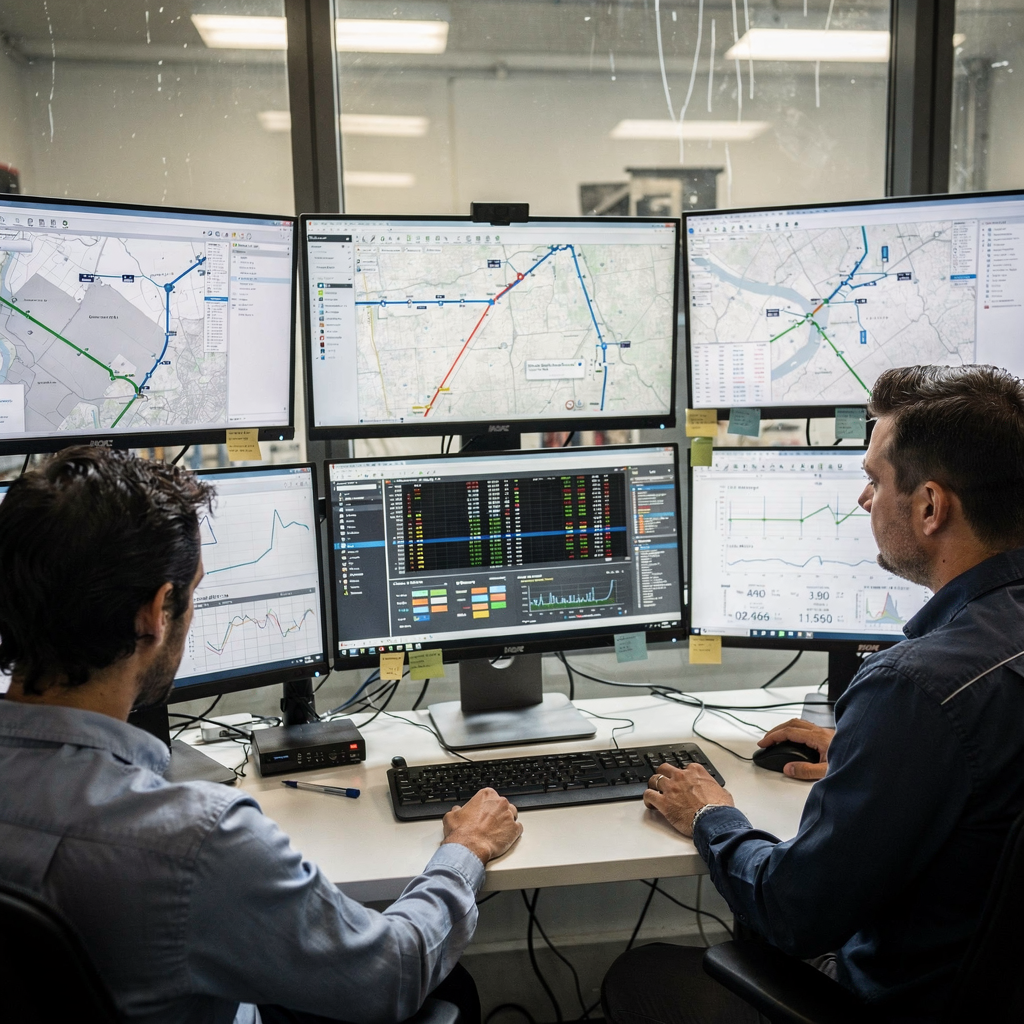
First, define what a digital water assistant looks like for a modern utility. A digital water assistant is a single interface that links analytics, SCADA, asset registers, metering and customer systems. Next, it aggregates telemetry, customer records and maintenance logs so operators can see a complete picture of the water network. Then, it lets teams act from one place rather than jump between consoles. For example, a virtual sales assistant improved customer interactions by integrating talent and data sources into a single flow Revolutionizing sales in distribution. Also, a water utility leader observed, “Harnessing AI’s capabilities allows us to proactively manage our water systems, ensuring reliability and sustainability for our communities” AI, Data, Data Centers: Strategies and Opportunities for the Water ….
First practical step: pilot a single plant or district metered area. Next, map data sources such as sensors, meters and invoices. Then, prioritise high-value workflows like leak response and billing exceptions. Also, align KPIs early. Suggested KPIs include time to detect incidents, mean time to repair (MTTR), percent of automated responses and customer satisfaction score. These KPIs help teams measure operational efficiency and prove the case for scale.
Transition to action by assigning clear ownership. For example, appoint a model steward and an operations sponsor. In addition, set data governance rules and integrate with legacy systems and digital twins where they exist. Many utilities still rely on aged control systems, so small adapters and API layers help bridge gaps. Finally, ensure training for field crews and contact centre staff so the new platform supports existing processes and does not disrupt service quality.
virtualworkforce.ai solves a common email problem for utility operations teams by automating the full email lifecycle. It labels intent, routes or resolves emails automatically, and drafts accurate replies with business data. As a result, teams reduce handling time and improve response consistency. Therefore, pairing a digital water assistant with targeted email automation becomes a practical way to streamline operations, reduce operational costs and support a data-driven digital transformation.
Real-time intelligence to optimize water management and operational efficiency
First, the promise of real-time intelligence is faster detection and faster response. Second, streaming analytics over sensor feeds can enable real-time leak detection, pressure management and demand forecasting. In addition, process control at treatment works benefits from continuous model updates and feedback loops. For example, edge telemetry provides low latency alerts while cloud models capture long-term trends and retrain on historical data. This tech pattern mixes edge and cloud to balance speed, cost and accuracy.
Next, measurable outcomes include faster incident detection, lower non-revenue water and energy savings from optimised pump schedules. A recent analysis shows data centres that power AI workloads consume a rising share of electricity, which in turn affects utility planning and energy budgets Why AI uses so much energy — and what we can do about it. Also, a peer-reviewed estimate highlighted large ranges for water used by AI systems for cooling, which reminds teams to include energy and water costs when they forecast benefits AI systems’ environmental impact and water consumption.
Then, integrate with SCADA and the outage management system (OMS). Also, verify model outputs against field observations to avoid false alarms. Set decision thresholds so models trigger human review for higher-consequence events. For instance, pair real-time anomaly scoring with confirmation steps carried out by crews or automated remote valve actions. This approach keeps systems resilient and reduces operational risk.
Finally, practical design notes: implement a phased roll-out starting with a single feeder or treatment train. Use data augmentation and synthetic examples to train models where sensor coverage is thin. In addition, keep the models explainable and maintain a knowledge base that logs model versions, training data and performance. This helps with compliance and audit trails. Also, think about compute placement: balance edge inference with cloud retraining to control both latency and the environmental footprint of the AI-driven solution.
Drowning in emails?
Here’s your way out
Save hours every day as AI Agents label and draft emails directly in Outlook or Gmail, giving your team more time to focus on high-value work.
Digital water assistant to automate customer experience and help utilities
First, a digital water assistant can automate routine customer interactions and free up contact centres. Second, common functions include automated billing explanations, outage notifications, booking engineer visits and personalised conservation advice delivered via chat or voice. In addition, connecting customer data, AMI feeds and CRM creates a single source of truth so responses remain accurate and traceable. For example, automated draft replies based on operational data reduce manual research and avoid errors.
Next, the benefits are clear: lower contact volumes, faster responses and better customer satisfaction. Also, metrics to track include contact handling time, percent of queries resolved automatically and reduction in avoidable visits. virtualworkforce.ai demonstrates email lifecycle automation in operations, which maps well to utility customer-facing workflows where email and case notes contain most of the context virtual assistant for logistics (example of end-to-end email automation). Furthermore, integrate IVR, chat and email so customers receive coherent notifications and status updates.
Then, design escalation paths to human agents for complex cases. Also, allow customers to opt into proactive notifications about planned outages or pressure changes. This improves service quality and reduces surprise complaints. In addition, provide customers with actionable water-use insights based on smart meter data to encourage conservation and reduce peak demand. A smart meter feed plus analytics can reveal simple behaviour changes that lower bills and cut water waste.
Finally, ensure privacy and compliance across customer channels. Embed audit trails and role-based access, so agents only see permitted data. Use natural language processing to match queries to intents, and then either resolve automatically or route with full context. For more on scaling operations without hiring extra staff, see practical advice on reducing manual workload and improving response speed how to scale logistics operations without hiring. This combination of automation and human escalation improves response times, lowers operational costs and raises customer satisfaction.
Use cases: proactive decision-making — leak detection, demand forecasting and predictive maintenance
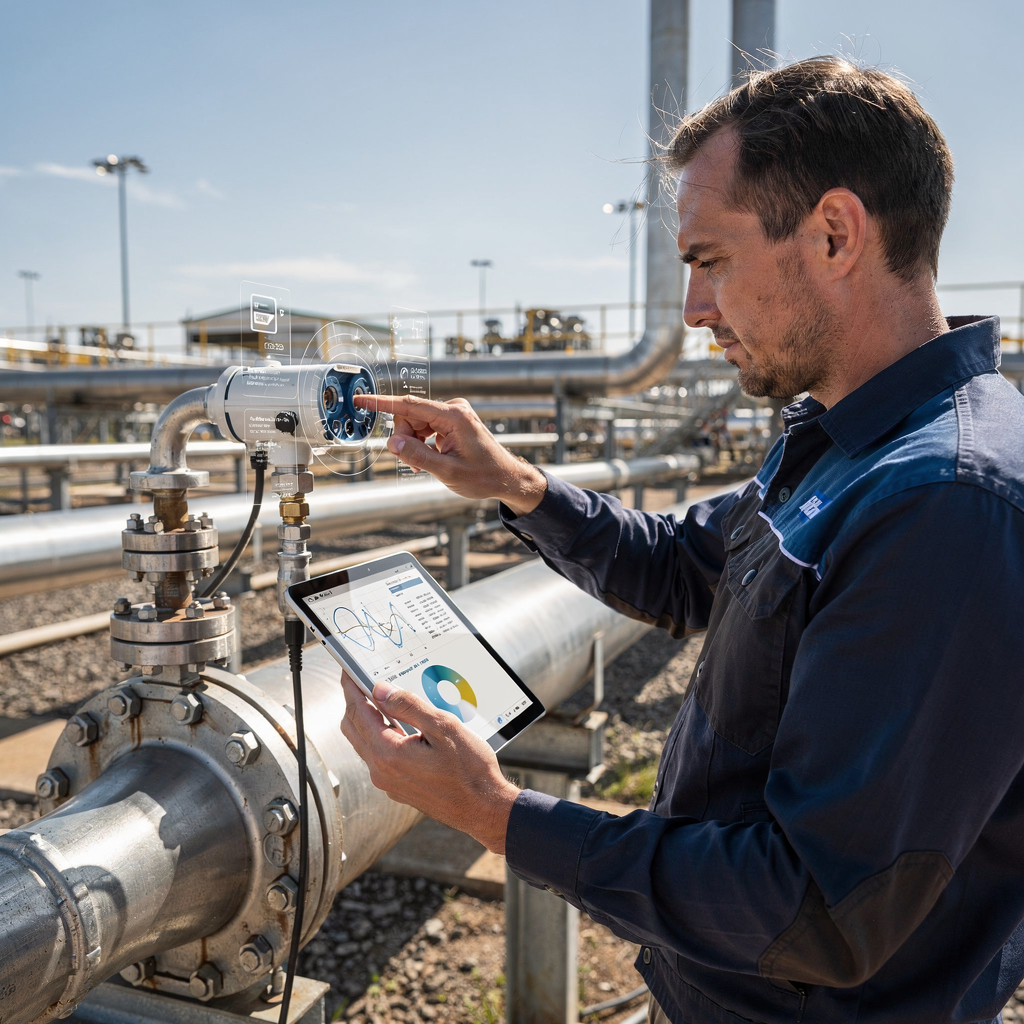
First, leak detection improves with multi-sensor fusion. Combine flow, pressure and acoustic data with machine learning to spot small anomalies before they cause major water loss. Next, prioritise pockets by consequence: target high-demand feeders and critical infrastructure first. Also, linking detection to field service management tools lets teams dispatch crews with precise diagnosis and repair instructions. This reduces mean time to repair and limits water loss.
Then, demand forecasting guides day-to-day operations and capital planning. Short-term demand forecasts optimise treatment plant loading and pump schedules to reduce energy use. Longer-term forecasts inform replacement cycles and investment in storage or network reinforcement. Moreover, predictive analytics let planners evaluate scenarios and quantify avoided costs from deferred pipe failures or reduced emergency repairs.
Next, predictive maintenance uses vibration, motor current and operational history to forecast equipment failure. Pair condition data with scheduled interventions and spare-parts forecasts. Also, integrate maintenance forecasts into field service and inventory systems to reduce unnecessary dispatches. This careful coordination lowers operational costs and improves service reliability.
Finally, present value in terms executives understand. Link each use case to avoided cost categories such as water loss, emergency repairs and regulatory fines. For instance, calculate gallons saved, staff hours avoided and energy reductions attributed to optimised pump schedules. In addition, show improved performance against KPIs such as MTTR and outage frequency. These tangible metrics help authority figures adopt and fund scale-up across the water infrastructure portfolio.
Drowning in emails?
Here’s your way out
Save hours every day as AI Agents label and draft emails directly in Outlook or Gmail, giving your team more time to focus on high-value work.
Compliance, energy and water: minimising the environmental cost of AI
First, acknowledge that AI infrastructure has a material energy and water footprint. For example, a study estimated AI systems consumed between 312.5 and 764.6 billion liters of water annually, which highlights a sustainability trade-off when utilities expand digital platforms AI systems’ environmental impact and water consumption. Second, data centres powering AI applications accounted for 4.4% of U.S. electricity consumption in 2023 and are projected to grow, which influences how water providers plan for energy and water needs Why AI uses so much energy — and what we can do about it.
Next, risk management requires choices about compute placement and cooling technologies. Choose low-water cooling providers where possible. Also, balance cloud use with on-premise and edge compute so you can schedule heavy model training to low-grid-stress times or regions with renewable energy. In addition, embed reporting of energy and water use for digital platforms within sustainability reporting and capital business cases.
Then, address regulation and governance. Embed strong data governance, privacy controls and recordkeeping to meet industry compliance standards and GDPR where relevant. Also, build auditable model logs and version histories to support regulatory review. As one expert warned, “this silent drain is drawing concern from environmental scientists,” which underlines why teams must quantify and manage the environmental footprint of their digital platforms EXPERT COMMENT: AI is gobbling up water it cannot replace.
Finally, consider policy trends. Lawmakers are beginning to scrutinise data centres for electricity and water use, which can affect siting and operational rules for AI-driven projects AI data centers face scrutiny for water and energy use. Therefore, build governance into your rollout plan. This reduces regulatory risk and ensures the digital assistant supports sustainable water and wastewater operations while meeting compliance obligations.
Roadmap to empower utilities: data-driven rollout and the future of AI for water providers
First, adopt a phased approach: assess data maturity, run small pilots, then integrate into operations and scale across assets. Second, ensure organisational change management. Train staff, create an AI ops process, align IT and OT teams and appoint model stewards. Also, define SLAs for model performance and incident response so crews and digital teams work in sync.
Next, focus pilots on high-value workflows such as leak response or billing exceptions to prove rapid ROI. Use a knowledge base to capture decisions and tie every model update to measured KPIs. In addition, include environmental trade-offs in business cases by quantifying energy and water use of training and inference. This creates transparent decisions and helps leaders prioritise sustainable choices.
Then, look to the future. AI assistants will revolutionise water infrastructure management by combining real-time intelligence, automation and actionable analytics. They will help transform water operations, enable water conservation and drive smarter capital planning. However, success depends on data quality, governance and sustainable computing choices. For pragmatic guidance on automating correspondence and reducing manual work, consider approaches that automate emails and ground replies in ERP and operational data automated logistics correspondence (example of email automation in ops).
Finally, a quick checklist for decision-makers: define clear KPIs, secure data flows, pilot high-value use cases, quantify environmental trade-offs and prepare regulatory and customer communications. Also, use real-time intelligence to improve resilience and service quality. virtualworkforce.ai shows how automating repetitive, data-dependent emails can free time for high-value work and streamline workflows across operational teams how to improve logistics customer service with AI (related operational automation). This balanced roadmap helps utility companies make data-driven choices that enable utility teams to manage resources smarter while staying compliant and sustainable.
FAQ
What is a digital water assistant and how does it help utilities?
A digital water assistant is a unified interface that links analytics, SCADA, asset registers, metering and customer systems. It helps utilities by providing a single place to view operations, automate routine tasks and support decision-making with data-driven insights.
How can AI improve leak detection in a water network?
AI combines flow, pressure and acoustic data with machine learning to detect small anomalies that indicate leaks. This proactive detection reduces water loss and lowers repair times by guiding crews to the highest-priority locations.
Will AI increase energy and water use for utilities?
AI infrastructure can increase energy and water use, especially for large training workloads in data centres. Therefore, utilities should plan compute placement carefully, choose low-water cooling providers and schedule heavy tasks during low-grid-stress times to reduce environmental impact.
How do I start a pilot for a digital water assistant?
Begin with a single plant or district metered area and map sensors, meters and customer systems. Next, run targeted pilots on high-value workflows like leak response or billing exceptions and measure KPIs such as time to detect incidents and MTTR.
Can a digital assistant automate customer notifications about outages?
Yes. A digital assistant can send outage notifications, provide estimated restoration times and book engineer visits. It can also escalate complex queries to human agents with full context to keep service quality high.
How do utilities manage compliance and audit requirements with AI?
Embed data governance, detailed model logs and version history so regulators can review decisions. Also, maintain role-based access and audit trails to meet privacy and compliance obligations, including GDPR where relevant.
What measurable outcomes should utilities expect from AI projects?
Expect faster incident detection, reduced non-revenue water, energy savings from optimised pump schedules and shorter response times for customers. Also, track operational costs and customer satisfaction improvements to assess ROI.
How does predictive maintenance work for pumps and motors?
Predictive maintenance uses vibration, motor current and operational history to forecast failures. This enables planned interventions, reduces emergency repairs and optimises spare parts inventory to lower costs and downtime.
Are there sustainability trade-offs when adopting AI for water management?
Yes. AI-driven projects consume compute, electricity and sometimes water for cooling. Utilities should include energy and water use in their business cases and prefer renewable energy and efficient compute strategies to balance benefits with sustainability goals.
How can my organisation prepare staff for AI-enabled utility operations?
Train operators, appoint model stewards and create an AI ops process to manage models and incidents. Also, align IT and OT teams, update SLAs and document change management steps so staff adopt the new tools with confidence.
Drowning in emails?
Here’s your way out
Save hours every day as AI Agents label and draft emails directly in Outlook or Gmail, giving your team more time to focus on high-value work.