


AI and HOA management: what AI does and why it matters
AI and HOA management intersect where routine work meets scale. Artificial intelligence helps property teams process resident messages, classify community documents, and flag compliance issues so staff can focus on governance. AI is already used to summarize long threads, extract key dates from invoices, and auto‑tag service requests. For many HOAs the power of AI lies in its ability to handle repetitive tasks and reduce manual work while preserving audit trails.
Core capabilities include natural‑language chat for homeowner questions, document processing to parse CC&Rs and bylaws, predictive analytics for budgeting and collections, and workflow automation to route service requests. These capabilities help management companies cut cycle time on regular administrative tasks and boost resident satisfaction. A recent industry note shows that many property managers begin with “high‑volume, rule‑based tasks,” which makes adoption practical and measurable “start with high‑volume, rule‑based tasks”.
The measurable benefits are clear. In practice AI can cut administrative workload by about 30–40% when implemented well, freeing teams to work on higher‑value governance and resident relations (Vantaca). Still, boards and board members must set adoption guardrails. Use AI where rules are fixed and outcomes are auditable, and keep humans in the loop for disputes, interpreting governing documents, and any item touching on legal or bylaw interpretation.
When to adopt versus retain human oversight depends on risk and volume. Automate high‑volume, low‑risk routine tasks first. Then test predictive features on collections and vendor routing. Finally, expand into conversational chat where transcripts and escalation paths remain visible. If your manager team needs examples of rapid email triage built for ops, our work with virtualworkforce.ai shows how AI can save time by reducing handling time per message and keeping context in shared inboxes learn more about scaling with AI agents.
Automate routine tasks: AI tool and automation that unlock higher-value work
Automating routine tasks changes daily work for managers and community managers. An ai tool that classifies incoming messages can triage tenant enquiries, create work orders, and prefill meeting minutes. It can also route vendor quotes, schedule recurring billing, and draft responses to common homeowner questions. This reduces handoffs, lowers response times, and allows staff to focus on relationship‑based work.
Practical automations include capturing service requests from email, summarizing contractor bids into a template, and auto‑creating recurring invoice reminders. For example, virtualworkforce.ai automates the full email lifecycle so teams cut time per message from about 4.5 minutes to 1.5 minutes, which helps managers save time and improve consistency. For HOAs, that adds up when hundreds of messages flow through a portfolio each week. Another practical tool is a chat interface that lets homeowners ask a question and receive an instant answer, with clear direction to escalate to a person if needed.
Simple ROI math helps build a case. If automation saves two hours per week for a manager who costs $50 per hour, a single automation yields $5,200 per year. Scale that across a portfolio and the savings unlock higher‑value governance work. When you choose an ai tool shortlist by ease of integration, auditability, and ability to scale across properties. Also consider whether the vendor supports zero‑code setup and deep data grounding; these features reduce IT friction and shorten time to value. See our notes on automating emails for operational teams for a practical how‑to automated correspondence examples.

Drowning in emails?
Here’s your way out
Save hours every day as AI Agents label and draft emails directly in Outlook or Gmail, giving your team more time to focus on high-value work.
Financial management: AI-powered AR, collections and AI in HOA management
Financial management is a clear fit for AI in HOA management because data and rules drive decisions. AI‑powered accounts receivable systems use predictive risk scoring to prioritize delinquent accounts and personalize outreach. These systems can propose payment plans, draft collection notices, and calculate expected recoveries. A practical benefit is faster collections and more transparent reporting for boards.
Use AI for predictive scoring, automated payment reminders, and dispute classification. A predictive model flags accounts that likely require a board decision, while routine late fees and invoice reminders run automatically. Yet boards must maintain fiduciary oversight and a retrievable audit trail. As one industry observer put it, “AI’s entrance into HOA and COA collections addresses critical issues of fairness, transparency, and operational efficiency” (TechCollect).
When selecting systems, prefer HOA software that integrates with your general ledger and supports accounts payable workflows. Monitor metrics like days sales outstanding (DSO), recovery rate, and dispute rates. Track measurable improvements after rollout, and retain manual review thresholds for large write‑offs or contested invoices. Also ensure collections letters reference governing documents and CC&Rs to avoid legal missteps.
One caveat: ai-driven collections must be explainable to homeowners and boards. Keep templates clear and allow a human to revise messages before escalation. For teams that need deep email automation for operational finance messages, our case materials on virtualworkforce.ai ROI provide useful parallels for reducing handling time across repetitive emails see operational email ROI.
Case study — Vantaca and AI HOA in community association management
This case study shows how a platform approach produces results. Vantaca introduced HOAi, and partner reports indicate thousands of hours saved through automation of workflows, collections, and owner communications. Vendors that offer end‑to‑end platform integration reduce context switching and create better auditability. Vantaca customers report measurable time reductions and cost savings when they phased in automation carefully (Vantaca insight).
What worked in these roll‑outs was a clear pilot, tailored automations, and focused staff training. Teams started with one use case, such as automated collections or meeting minutes, then expanded. They measured time saved, resident satisfaction, and compliance impact before scaling. That data‑led approach helped boards trust the technology and allowed managers to demonstrate measurable gains.
Implementations that succeed follow a phased plan. First, choose a high‑volume task and set KPIs. Second, configure templates and rules so output matches board tone and legal needs. Third, train staff and keep a human escalation path. Finally, evaluate results and iterate. The case study shows that when tools are fully integrated, the platform reduces manual entry and speeds approvals while maintaining records needed for audits and bylaw compliance.
From an operations perspective, AI agents that automate emails and triage work orders can significantly reduce overhead. For teams interested in operational email automation specifically, our materials on automated logistics correspondence explain how thread‑aware memory and data grounding cut errors and speed replies automated correspondence. This mirrors the HOA results where tailored agents reduce routine work and free staff for governance and resident engagement.
Drowning in emails?
Here’s your way out
Save hours every day as AI Agents label and draft emails directly in Outlook or Gmail, giving your team more time to focus on high-value work.
Homeowner experience: AI in your HOA using HOA software and community management tools
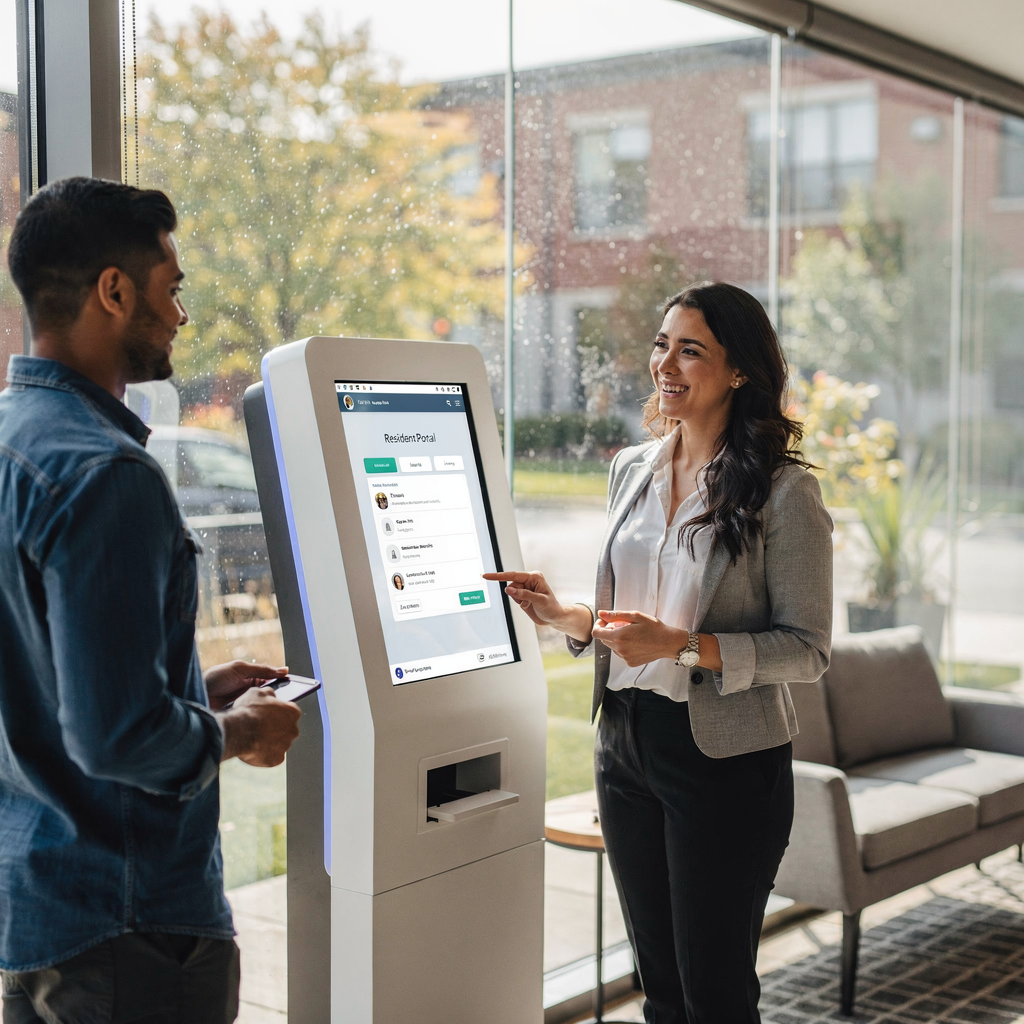
Residents notice fast, consistent service. A 24/7 chat or chatbots provide instant answers to simple queries while keeping a human escalation option for complex issues. That improves resident satisfaction and reduces frustration with slow response windows. For many homeowners the promise is simple: homeowners can ask basic questions anytime, receive clear notifications, and track service requests in real‑time.
Examples include proactive maintenance alerts, transparent billing communications, and self‑service portals where a homeowner can download a community document or lodge a service request. Zendesk AI deployments highlight “faster responses, accurate self‑service, and smarter agent support” for property managers and HOAs (Zendesk). Those features help community managers handle spikes in volume without hiring more staff.
Design communications to simplify homeowner interactions. Keep language plain and avoid legalese when possible. Offer clear opt‑outs for automated outreach and provide a visible escalation path to a human manager. Use templates that match your board’s tone for billing and covenant enforcement notices. For community events, send layered notifications so busy homeowners receive a short alert and a longer follow‑up if they ask for details.
When deploying chat or AI‑powered knowledge bases, test them with a small group of residents first. Monitor resident satisfaction and response accuracy. Use generative AI to draft responses, but always ground messages in your community’s governing documents and provide links to CC&Rs. These steps help build trust and create a better community experience while keeping teams from becoming reactive to volume spikes.
Portfolio scale: automate, unlock efficiencies and manage legal risks for community association management
Scale changes the economics of HOA work. The global HOA software market is growing rapidly, and AI helps portfolios scale without linear staff increases. Consolidated platforms let managers apply the same automation patterns across properties so the ROI compounds. This is one reason why many hoa management companies are evaluating AI pilots for collections, vendor routing, and email triage market report.
Risk management must accompany scale. Compliance, data security, bias, and fiduciary duty all demand human review. AI isn’t a replacement for judgement; AI isn’t perfect and must include explainability and audit logs. Boards should require systems that log decisions, retain originals, and allow a board member or manager to review changes to governing documents or covenant enforcement actions. Legal teams should check that automated notices reference CC&Rs and that sensitive actions are routed to a human.
Create a rollout roadmap: pilot one automation per quarter, track KPIs such as hours saved, arrears reduction, and resident satisfaction, then expand successful automations across the portfolio. Ensure IT sets up access to data sources and governance rules. Encourage teams to utilize AI where it reduces manual lookups and speeds approvals, and to keep manual review thresholds for large financial or legal items.
Finally, embrace measurable goals. Track how automation reduces manual work, how predictive models improve recovery, and how resident satisfaction changes. A scalable program makes a well‑run portfolio more viable and lets management companies gain a competitive advantage while protecting homeowner rights and the community association management industry as a whole.
FAQ
What is AI for HOA management?
AI for HOA management refers to tools that automate repetitive tasks, analyze data, and support decision making for associations. These tools can handle communications, parse documents, and predict financial risk while leaving governance decisions to humans.
How can AI reduce administrative workload?
AI automates triage, drafting, and routing of regular administrative tasks like emails and service requests. That lets staff focus on higher‑value work and improves response times.
Are collections handled by AI fair to homeowners?
AI can increase transparency by tracking outreach and outcomes, and by applying consistent rules. Boards should keep oversight and audit trails to ensure fairness and compliance with CC&Rs.
Can small HOAs use these tools?
Yes. Many vendors offer scalable plans and cloud‑based HOA software that fit small associations. Start with one pilot and measure measurable benefits before wider rollout.
How does AI affect resident satisfaction?
Faster responses, 24/7 self‑service, and clear notifications improve resident satisfaction. However, residents must always have a human escalation path for complex issues.
What legal risks should boards consider?
Boards should watch for incorrect notices, data privacy issues, and bias in automated decisions. Legal review of templates and governance for bylaw changes is essential.
Will AI replace community managers?
No. AI automates routine tasks and boosts manager effectiveness so staff can focus on relationship work and governance. It is a tool to simplify workload, not a replacement for human judgement.
How do we measure ROI from AI?
Track hours saved, arrears reduction, resident satisfaction scores, and dispute rates. Start small, measure outcomes, and expand what works.
What is the role of AI agents in operations?
AI agents can automate the full email lifecycle, triage intent, and draft grounded replies based on operational data. They reduce handling time and maintain context in shared inboxes.
Where can I learn more about automating operational emails?
Explore resources on operational email automation and AI agents to see examples and ROI models. For detailed guides, our automated correspondence and ROI pages explain how to implement and scale such systems automated correspondence, operational email ROI, and practical scaling steps scale with AI agents.
Drowning in emails?
Here’s your way out
Save hours every day as AI Agents label and draft emails directly in Outlook or Gmail, giving your team more time to focus on high-value work.