


ai and reits: why data-centre REITs matter now
AI demand is the growth engine for data-centre REITs; hyperscalers’ AI spending lifts occupancy, rents and long‑term cash flow. Over the last two years, public commentary and market analysis have made the point clear. For example, a Nasdaq piece highlights two data‑centre REITs that could significantly outperform as AI expands, and it connects that thesis to rising hyperscaler capex and demand for rack space 2 Data Center REITs That Could Triple Your Money as AI Grows. Equinix now guides to roughly $4–5bn per year of capital expenditure for 2026–29, while Digital Realty operates 300+ sites and a global footprint that matches hyperscaler needs, which shows where scale matters.
Therefore, a simple framing helps. First, hyperscalers spend heavily on AI compute and they need power, cooling and real estate near networks. Second, REITs that serve these customers see stronger occupancy, higher effective rents per kW, and steadier cash flows. Third, investors can read the signals in tenant commitments and capex schedules. The demand backdrop also aligns with large tech and telecom platform growth, which lifts the case for REITs that host edge and core infrastructure.
Data and rapid pilots underline the thesis. Broad surveys find nearly all occupiers and investors testing AI pilots for CRE operations and asset management, which points to accelerating ai adoption across the real estate industry The Best AI Tools for Real Estate: A 2026 Field Guide. For REIT professionals, the path to value runs through scale, power flexibility and proven operational processes. For readers who want practical tools to handle the operational email volume and tenant correspondence that grows with scale, our virtual assistant logistics page explains how AI agents manage email lifecycles and reduce handling time virtual assistant logistics.
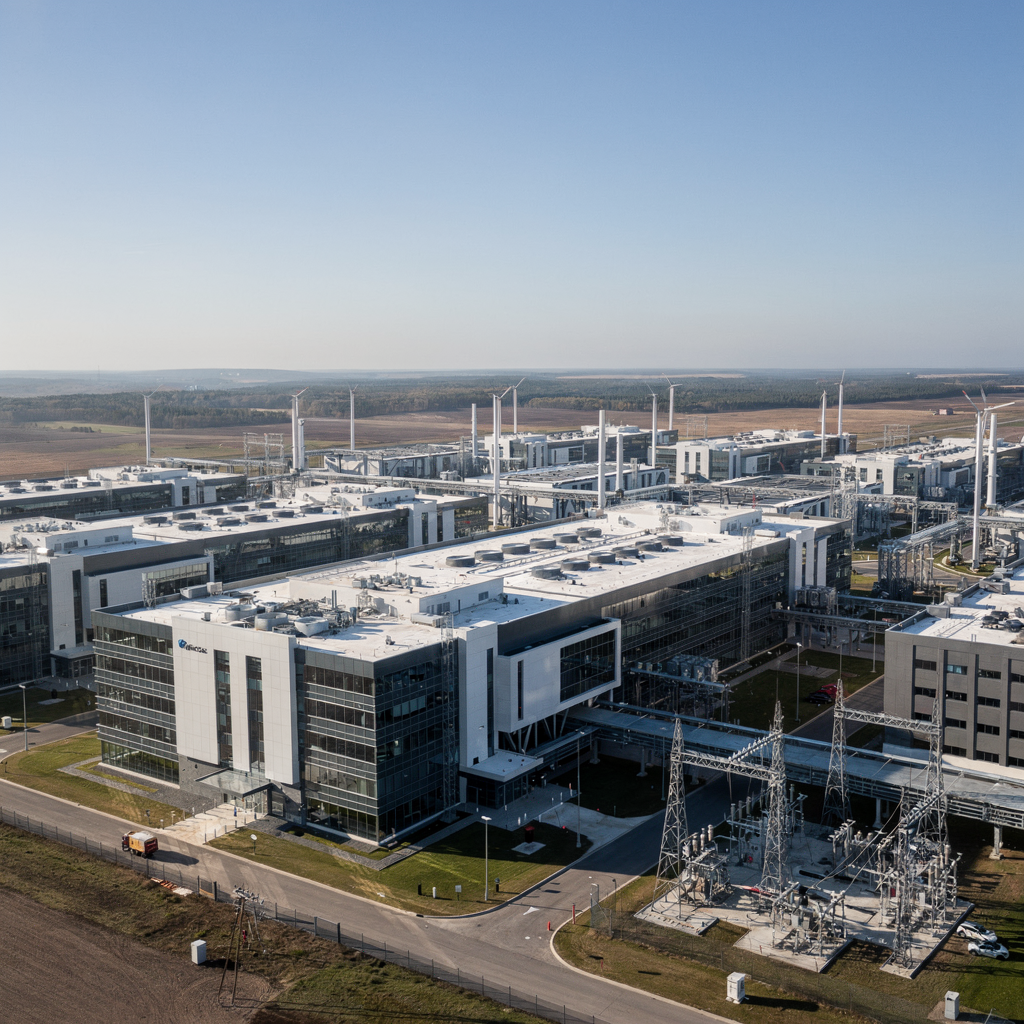
ai could transform operations through automation and predictive maintenance
AI could cut downtime and costs by predicting failures and automating routine tasks in power, cooling and IT systems. In practice, machine learning models consume telemetry and sensor feeds to detect anomalies before systems fail. Operators then act on precise alerts, so teams spend less time chasing symptoms and more time fixing root causes. Studies suggest predictive maintenance can cut unplanned downtime by roughly 75% and reduce maintenance costs by 10–40% when deployed correctly AI for Real Estate: Use Cases and Proven Strategies.
What do teams need to start? First, robust sensor networks and IIoT connectivity. Second, labelled failure data and historical performance logs for supervised learning. Third, integrations to operations systems so alerts trigger workflows. Fourth, a governance plan for data access and model validation. Typical ROI follows a clear path: pilot, validate, and scale. Pilots often run 3–6 months; scaling across a portfolio takes 6–24 months. During that window, response times improve, manual errors drop, and health and safety oversight becomes more proactive.
Many parts of a data‑centre estate benefit from this practical shift. Cooling and power controls tune dynamically, so the facility draws less energy at non‑peak times. IT systems avoid cascading hardware failures. Site teams spend fewer nights on emergency callouts. For operational email workflows that surface maintenance requests and escalate vendor tasks, virtualworkforce.ai demonstrates zero-code setups to interpret intent and draft grounded replies that reference ERP or asset data, which speeds response and preserves context automated logistics correspondence. Taken together, these changes raise uptime and lower per‑unit operating cost, and they support stronger valuation outcomes over time.
Drowning in emails?
Here’s your way out
Save hours every day as AI Agents label and draft emails directly in Outlook or Gmail, giving your team more time to focus on high-value work.
data analytics to optimize valuation and cash flow for reit managers
Data analytics lets REIT teams optimise pricing, forecast demand and improve asset valuations by 15–20% via better predictive insights. Models that join telemetry, tenant behaviour and market indicators create forward-looking views of occupancy, power needs and likely churn. That visibility lets asset managers set rents by kW, plan staged expansions, and reduce vacancy risk. Evidence shows AI-enabled asset management can lift valuation accuracy and capture up to a 15–20% upside in commercial portfolios when managers use predictive signals to drive decisions AI in Real Estate: How Industry Leaders Win With Automation.
To build these models, teams need a minimal data set. At the core, include occupancy, power use per rack, cooling efficiency metrics, rent collections and local market indicators. Then layer in performance data such as service ticket frequency and tenant usage trends. With this input, a dashboard can show a rent outlook, power per rack trends and a predictive churn score for each tenant. That dashboard turns raw feeds into actionable insight for strategic decision-making.
Operationally, data accuracy matters. Teams must check sensor calibration, reconcile billing records and link lease terms to consumption. When managers use these insights they make informed decisions about deferment, capital projects and tenant incentives. For those working across large portfolios, an AI platform that standardises inputs and automates alerts speeds analysis. For readers focused on investor outcomes, the link between better forecasting and cash flow is direct: improved billing accuracy and demand forecasts reduce surprise vacancies and stabilize cash flow. For practical guidance on how to scale repeatable responses to tenant messages and billing inquiries, see our guide on scaling operations with AI agents how to scale logistics operations with AI agents.
real estate sector adoption: pilots, scale and risk reduction for investors
The real estate sector is running wide AI pilots — c.92% of occupiers/investors have started or plan pilots — but scaling is the next barrier. Surveys show nearly all market participants experiment with AI for CRE tasks, yet only a smaller share move pilots into production. That execution gap creates opportunity for firms that can integrate models into governance, ops and vendor stacks The Best AI Tools for Real Estate. AI models that combine tenant analytics and maintenance signals can reduce default or operational risk by about 25% when embedded in workflows AI for Real Estate: Use Cases and Proven Strategies.
Investors watch for proof of scale. A clear governance checklist improves the odds of production success. Key items include data governance, change management, and a vendor versus in‑house trade‑off analysis. Teams also assign measurable KPIs, such as reduction in mean time to repair and improvement in collection rates. Pilots should aim for a 6–12 month horizon to deliver measurable ROI, then extend to portfolio coverage in the following 6–18 months.
For investors, reduced risk shows up in multiple ways. First, fewer unexpected outages mean steadier revenue. Second, early tenant risk signals reduce defaults and protect dividend streams. Third, standardized reporting improves financial reporting and investor confidence. Practical scaling requires clear ownership, model monitoring and regular retraining. Firms that close the execution gap and standardize rollouts will be well‑positioned to capture long-term value. For operations teams that deal with high email volumes and tenant requests, automated workflows and virtual assistants help capture structured data and support decision-making processes, which further lowers operational friction and speeds resolution.

Drowning in emails?
Here’s your way out
Save hours every day as AI Agents label and draft emails directly in Outlook or Gmail, giving your team more time to focus on high-value work.
new ai use cases: tenant analytics, energy efficiency and capacity planning
New AI applications — tenant analytics, energy optimisation and capacity planning — deliver direct cash‑flow and ESG gains for data‑centre REIT portfolios. Tenant analytics spot payment or usage anomalies early, which lets teams intervene before a minor issue becomes a major risk. Energy optimisation tunes PUE and can cut utility spend by targeting inefficient systems. Capacity planning aligns build‑outs with real demand so capital does not sit idle, and that reduces stranded cost risk.
Start with tenant analytics. Models that combine billing, usage and support tickets create predictive churn and default signals. Next deploy energy controls that adjust cooling curves and server-room airflow in real time. Finally, add capacity planning that forecasts demand by tenant type and circuit, which supports phased investments. A short deployment order helps teams capture wins quickly: 1) tenant analytics, 2) energy controls, 3) capacity planning. Each step requires specific data feeds, as well as buy‑in from operations and leasing.
Expected benefits vary by stage. Tenant analytics lower collections risk and improve revenue opportunities. Energy initiatives support ESG reporting and may pair with solar‑power implementation to offset loads. Capacity planning improves return on capital and keeps expansion aligned with hyperscaler commitments. AI use in these areas also supports health and safety by predicting failures that might create hazardous conditions. Across all of these new ai applications, the core is repeatable, auditable models that feed into leasing and financial reporting. For teams aiming to capitalize on ai, combining small pilots with clear metrics accelerates adoption and proves value to investors.
ai-powered investment thesis: spotting long-term winners in the sector
AI-powered REIT strategies favour operators with scale, tenant diversity and disciplined capex — these traits separate likely long‑term winners. Investors should watch for hyperscale customer exposure, flexible power and cooling and demonstrated capex discipline. These characteristics point to REITs that can grow revenue while controlling operating cost, which supports long-term value and dividend reliability. For example, large global operators with committed expansion plans often appear in earnings reports as the best positioned for further AI-driven demand.
To translate this into action, track three metrics quarterly: AI revenue exposure, net effective rent per kW, and utilisation by tenant type. These indicators show how tied a portfolio is to AI workloads and whether pricing reflects actual consumption. An exit/hold checklist helps investors set guardrails. If a manager shows weak data governance, rising unplanned outages, or capex that outpaces demand without tenant commitments, those are amber or red flags.
In the broader market, several themes matter. First, ai innovations could lead to strong growth in compute demand through 2030, which favours operators with the largest deployments and network proximity. Second, comparative strength in operating metrics makes a REIT an excellent portfolio diversifier for those seeking comparatively low correlation with other asset classes. Third, real estate firms that combine modern building management systems with data accuracy and robust performance data will win on both operational efficiency and tenant retention. For investors wanting deeper operational support, technology companies and tools such as chatgpt‑style assistants and virtual assistants can speed analyst workflows, and they fit into a larger digital transformation that redefines investment strategy and informed decisions. Finally, for evidence that integrating AI into core operations moves markets, read analyst commentary and the NASDAQ and LPL pieces that link performance to ai exposure AI and Diversification: Are You Covered? and From Power Grids to Data Centers: The Overlooked Winners.
FAQ
What makes data‑centre REITs different from other REITs?
Data‑centre REITs host server equipment and provide power, cooling and connectivity. They differ in revenue drivers because income ties to power usage and network access, not only to square footage.
How does AI improve uptime in data centres?
AI analyzes sensor and telemetry feeds to spot anomalies and predict failures. With early alerts, teams prevent outages and reduce mean time to repair.
Can AI increase property valuations for REIT managers?
Yes. Predictive insights and better demand forecasting can improve valuation accuracy and capture value. Studies show targeted implementations can lift valuations by double digits in well‑executed portfolios.
What are the main data inputs for predictive maintenance?
Key inputs include sensor data, telemetry, labelled failure logs and historical maintenance records. Integrating those feeds into a model allows rapid detection and prioritisation.
How should firms scale pilots to portfolio‑wide programs?
Start with clear KPIs and governance, then pilot, validate and standardise. Focus on data access, vendor versus in‑house tradeoffs, and retraining cadence to maintain model performance.
What role can virtual agents play in REIT operations?
Virtual agents automate the email lifecycle, triage tenant requests and draft accurate replies grounded in ERP or lease systems. This reduces time spent on repetitive tasks and improves consistency.
Are there ESG benefits from AI in data centres?
Yes. Energy optimisation reduces PUE and supports energy‑efficiency initiatives. Combined with solar‑power implementation and better controls, AI helps lower the carbon footprint.
What risks should investors monitor when evaluating AI exposure?
Watch for weak data governance, misaligned capex and lack of tenant commitments. Also monitor operational KPIs like outage frequency and net effective rent per kW.
How fast do REITs typically see ROI from AI projects?
Pilots can show value in three to six months, and portfolio scaling often completes in six to 24 months. ROI depends on the scope, data quality and execution discipline.
Where can I learn more about automating tenant and operations emails?
Explore guides on automated logistics correspondence and how to scale operations with AI agents for practical deployment steps and examples. See resources that explain zero‑code setups and integration with core systems automate logistics emails with Google Workspace.
Drowning in emails?
Here’s your way out
Save hours every day as AI Agents label and draft emails directly in Outlook or Gmail, giving your team more time to focus on high-value work.