


automate: Why automating appointment scheduling saves time and money
Automate to cut wasted time and reduce costs across operations. First, automating routine appointment tasks shrinks the number of manual emails and phone calls. Second, it lowers administrative headcount pressure and speeds throughput at the gate. For example, research shows automated appointment reminders can reduce missed appointments by up to 28% in outpatient settings, which translates into better resource use and fewer lost revenues (study). Also, more than 81% of consumers prefer self-service scheduling, which drives demand for online portals and email confirmations (market data). These figures prove the ROI of automated appointment scheduling and automation for logistics teams.
Track a few clear metrics to prove success. Measure no-show rate, average turnaround per truck, admin hours saved, and detention costs. Track on‑time arrival rate for a baseline. Then, publish weekly KPIs to demonstrate savings. Quick wins include replacing a spreadsheet with an online booking portal and adding automated confirmation and reminders. Replace spreadsheet slots immediately and remove the biggest source of manual work. That single step reduces back-and-forth and helps teams focus on exceptions.
When you automate, you cut errors and improve throughput. Use a scheduling platform that integrates with transportation management systems and WMS so appointment confirmations reflect live capacity and inventory. virtualworkforce.ai shows how AI agents can automate email lifecycle tasks so teams reduce time per message and maintain accuracy; this helps operations scale without hiring (see scaling with AI). Also, automated appointment scheduling lowers the emails per day that staff must handle and turns email into a structured workflow, not a bottleneck.
Also, Next, Then, However, Therefore, Thus, Meanwhile, Consequently, For example, In addition, Finally, Likewise, Similarly, Conversely, Otherwise, Instead, Therefore, Next, Also, Then, Thus, Consequently, Meanwhile, Finally.
dock and dock door: allocate capacity to cut queues and balance work
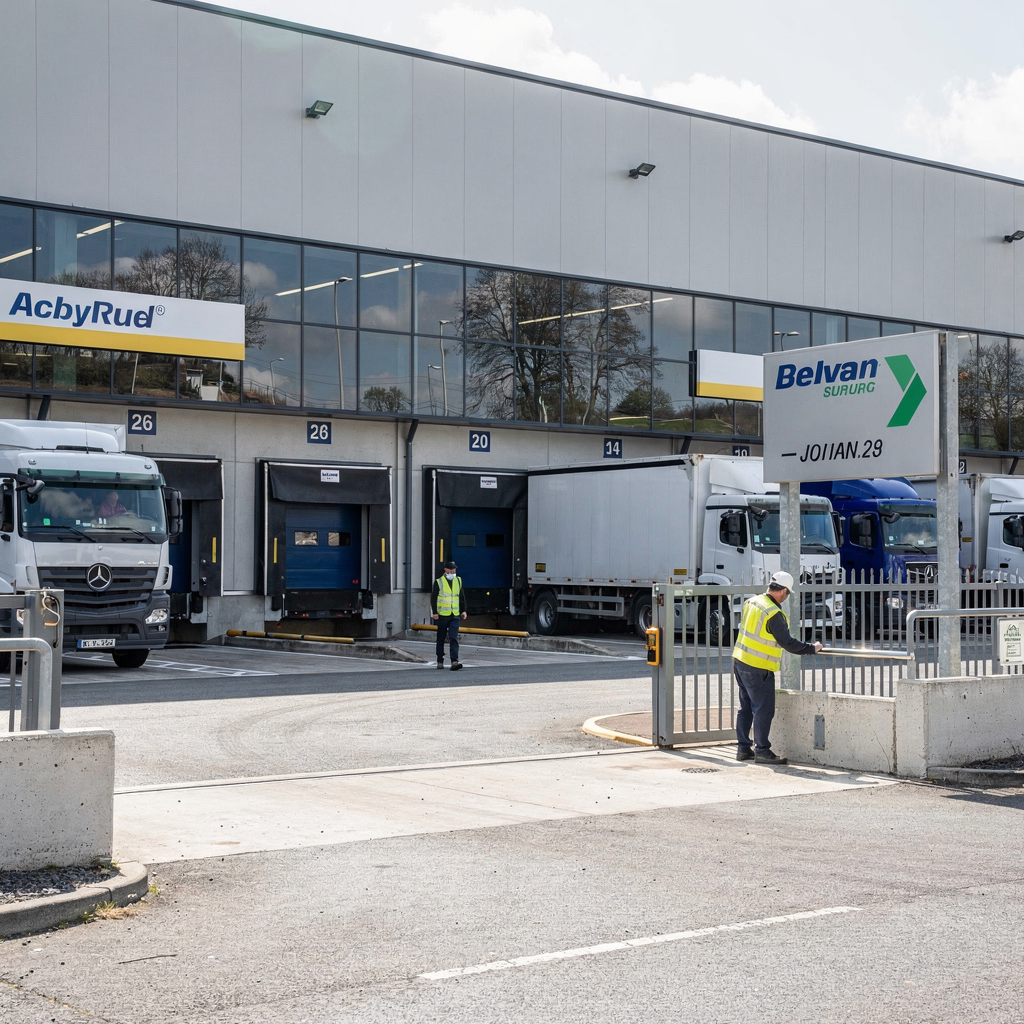
Proper dock and dock door allocation removes queues and balances workload. First, defining door types matters. Label doors for loading, unloading, and cross‑dock operations so planners match each appointment request to the right resource. Second, set time windows and buffer rules to absorb variability during peaks. Slot-based dock scheduling shortens driver wait times and raises utilization. For example, scheduling dock doors by slot and load type shortens driver wait times and increases utilisation in many operations. This task prevents a bottleneck at the gate and protects warehouse productivity.
Actions to adopt quickly include mapping door capabilities, setting minimum appointment duration by load type, and grouping same‑carrier appointments where possible. Use a policy that differentiates heavy crate loads from small parcel shipments and reserve specific doors for truckload or LTL. A simple rule might reserve the first two morning time slots for perishable shipments to prioritize temperature‑sensitive freight. Then, the rest of the day handles standard deliveries and cross‑dock movement. Track dock door utilisation, average gate wait, and appointments per door per day to measure gains.
Integrate the dock side with your appointment management and yard processes. Link the dock scheduling rules to TMS and WMS so calendars show upstream ETA updates and downstream labour availability. That way, operations see near real-time visibility and can reschedule with minimal friction. Vendors such as Descartes and other scheduling platforms provide built-in door management, but a lean team can start with a cloud-based portal and strict rules before migrating to a full transportation management solution. Finally, pilot one busy door, collect metrics, and scale the rules to other docks.
Also, Next, Then, However, Therefore, Thus, Meanwhile, Consequently, For example, In addition, Finally.
Drowning in emails?
Here’s your way out
Save hours every day as AI Agents label and draft emails directly in Outlook or Gmail, giving your team more time to focus on high-value work.
appointment scheduling and booking: carrier self‑service, rules and integrations
Design the booking flow so a carrier can self‑service while the system prevents conflicts. Start with a scheduling platform that shows real-time availability and enforces booking windows. Require carrier validation at registration and auto-confirm once a slot is allocated. Build rules that close slots before the start, enforce a 15‑minute check‑in window, and allow limited same‑day appointment booking. For instance, set a policy to auto‑close a slot 30 minutes before its start to prevent late arrivals from upsetting the plan. This approach helps schedule appointments smoothly and reduces last-minute changes.
Integrations are essential. Connect the scheduling portal to TMS and WMS so the portal knows inventory, labour, and ETA. Use transportation management systems and API links to push appointment requests into operational calendars. This connection drives smarter decisions and reduces errors when a carrier arrives. Include a calendar ICS feed for planners and a two‑way update flow for carriers and planners. Also, provide carrier network access for larger shippers and brokers so they can see available slots and avoid back-and-forth calls.
Features to require include real‑time slot visibility, automated confirmation emails with calendar invites, a reschedule link, and carrier messaging. Use a validation step to check truck dimensions and driver credentials before finalising appointment booking. Where useful, enable limited same‑day reschedule windows and a formal rejection reason if capacity won’t accommodate a load. For complex lanes, an ai-driven suggestion engine can propose optimal slots based on past dwell times and labour peaks; start with rule-based heuristics before adding AI. If you want a practical example of email automation that supports carrier rules, see virtualworkforce.ai’s automated logistics correspondence tools for drafting and routing emails (internal).
Also, Next, Then, However, Therefore, Thus, Meanwhile, Consequently, For example, In addition, Finally.
calls and emails vs manual appointment scheduling and phone calls and emails: replace manual work with reliable notifications
Manual appointment scheduling and phone calls and emails waste time and create errors. Staff repeat information, rekey data, and risk double‑booking. By contrast, automated emails reduce back‑and‑forth and keep appointment details consistent. Use an email sequence that triggers confirmation on booking, a reminder at 24–48 hours, a final reminder two hours before arrival, and includes a change/cancel link plus arrival instructions. Add SMS where carriers prefer short messages. This sequence reduces missed appointments and improves on‑time delivery rates.
Templates should use concise subject lines, a clear time window, a link to a calendar invite, and gate and PPE notes. Include a short list of documents a driver needs and a link to reschedule. Replace manual work by wiring these templates into the scheduling platform so every appointment creates the same accurate thread. Virtual agents can automate replies when carriers send questions, and they can extract structured data from emails to update the TMS. For operations teams that face hundreds of inbound messages, virtualworkforce.ai demonstrates how AI agents reduce handling time and increase consistency across shared inboxes (internal).
Data supports the switch. Research found automated reminders work well but still need tuning to boost engagement further (review). Also, B2B teams report higher conversion when appointments reach decision-makers reliably via automated channels (industry). Replace phone trees and ad hoc email threads with a single workflow and you will reduce errors, detention, and wasted emails per day.

Also, Next, Then, However, Therefore, Thus, Meanwhile, Consequently, For example, In addition, Finally.
Drowning in emails?
Here’s your way out
Save hours every day as AI Agents label and draft emails directly in Outlook or Gmail, giving your team more time to focus on high-value work.
smart scheduling and calendar: rules, prioritisation and exception handling
Smart scheduling ensures loads match resources. Create rules that prioritise perishable or high‑value loads, group single‑carrier appointments by lane, and enforce a loading/unloading cadence to reduce changeover. A rule set should include prioritization logic for truckload versus LTL, automatic grouping by receiver when possible, and a guardrail that prevents double‑booking of tight time slots. The calendar becomes the single source of truth for operations, gate, yard, and planner views.
Allow two‑way updates from carriers and 3PLs so the calendar remains current. Integrate the calendar with TMS, WMS, and the real-time visibility platform to keep arrival ETAs and inventory aligned. When an ETA slips, the system should suggest alternative slots and trigger an alert to planners and carriers. Start with rule‑based heuristics to reduce complexity and then add ai-enabled suggestions for tougher optimisation problems. A simple machine learning model can recommend slots that historically reduce average dwell and prevent bottlenecks.
Use smart scheduling to handle exceptions. If labour shortages appear, the system should propose overtime or temporary priority lanes for urgent shipments. If regulatory paperwork delays a broker or shipper, an automated hold can protect downstream appointments. Publish KPIs like on‑time arrival, slot utilisation, and average dwell to guide continuous improvement. For teams exploring deep automation across email and scheduling flows, our guide on how to scale logistics operations without hiring explains practical steps and integration points (internal).
Also, Next, Then, However, Therefore, Thus, Meanwhile, Consequently, For example, In addition, Finally.
dwell times and disruption: monitor, alert and recover
Measure dwell times and build processes to contain disruption. Track average dwell, 95th percentile dwell, and root causes such as labour shortage, paperwork, or facility lockups. Shorter dwell reduces detention and improves warehouse productivity. When an appointment exceeds a dwell threshold, trigger an alert that emails operations and the carrier. That alert should include context and a proposed next step so handlers avoid hours of triage.
Recovery steps must be rehearsed. Use dynamic rebooking to move impacted appointments into temporary priority lanes. Deploy overtime labour triggers when a cluster of long dwells appears. Post‑incident reviews should identify why a shipper or broker missed documentation, why a truck waited, and how to prevent repeats. These reviews feed continuous improvement and smarter decisions about peak capacity.
Implement a simple tech checklist to support these actions: a carrier portal with booking and automated emails, calendar sync via ICS/API, TMS/WMS integration, real‑time ETA updates, and an analytics dashboard. Publish weekly KPIs such as on‑time arrival rate, no‑show rate, average dwell time, detention cost saved, and slot utilisation. Pilot at one site or a single door, collect data, train carriers and staff, and scale with measured gates. Remember: poor data produces wrong slots. Enforce gate check‑ins and feed actual arrival times back to the system to close the loop. If you want to reduce missed appointments and other email-driven friction, consider automating the full email lifecycle so exceptions get resolved faster and manual work shrinks (internal).
Also, Next, Then, However, Therefore, Thus, Meanwhile, Consequently, For example, In addition, Finally.
FAQ
What is the main benefit of automate appointment scheduling at docks?
Automating appointment scheduling reduces manual work and cuts driver wait times. It also lowers admin costs, improves on‑time delivery, and reduces missed appointments.
How much can automated appointment reminders reduce missed appointments?
Research shows automated reminders can reduce missed appointments by up to 28% in outpatient settings, and similar gains often transfer to logistics when reminders reach drivers and carriers (study). This reduces detention and improves resource use.
Can carriers self‑service when using a scheduling platform?
Yes. A carrier portal allows carrier self‑service for booking and reschedule requests while enforcing validation rules. This reduces back‑and‑forth and helps planners focus on exceptions.
What integrations are essential for appointment booking to work?
Integrations to TMS and WMS are essential so the booking reflects inventory and labour. Calendar sync and a real‑time visibility platform help update ETAs and avoid conflicts.
How does smart scheduling prevent bottleneck at the loading dock?
Smart scheduling groups similar loads, prioritises high‑value or perishable shipments, and enforces buffer rules between appointments. That approach reduces changeover and prevents bottleneck formation.
What should an automated email sequence include?
An effective sequence includes confirmation on booking, a 24–48 hour reminder, a final two‑hour reminder, and a change/cancel link with arrival instructions. Also include a calendar invite and brief gate/PPE notes.
How do I measure dwell times and disruptions?
Track average dwell, 95th percentile dwell, and the root causes behind long waits. Use alerts to notify operations when a threshold is crossed and enact recovery steps like dynamic rebooking.
Is manual appointment scheduling still useful?
Manual appointment scheduling works for small operations, but it drives errors and manual work as volume grows. Automation reduces phone calls and emails and standardises appointment management.
How can virtualworkforce.ai help reduce manual work?
virtualworkforce.ai automates the full email lifecycle so agents label, route, and resolve operational emails. That reduces handling time, increases consistency, and frees staff to manage exceptions rather than routine messages.
What is a safe way to pilot automated scheduling at my site?
Pilot on one busy door or site, collect core metrics like no‑show rate and average turnaround per truck, train carriers and staff, and scale gradually. This reduces risk and demonstrates measurable benefits before wider rollout.
Drowning in emails?
Here’s your way out
Save hours every day as AI Agents label and draft emails directly in Outlook or Gmail, giving your team more time to focus on high-value work.