


Blog

AI transit email assistant for public transport
AI integration for public transport: why email assistants matter AI email assistants for public transport are automated systems that read, classify, and reply to passenger emails. They use natural language processing and rules to interpret intent, gather the right data, and produce accurate responses. For riders this means faster replies, clearer service updates, and fewer […]

AI transit assistant: Transform public transport
AI to transform public transport and transit operations (ai; transform; public transport; transit operations; ai in transit; ai-driven) AI assistants now define new workflows for transit operations and operator teams. For clarity, AI in this chapter refers to NLP chatbots, real‑time data analytics and machine learning models used by operators and passengers. These systems take […]
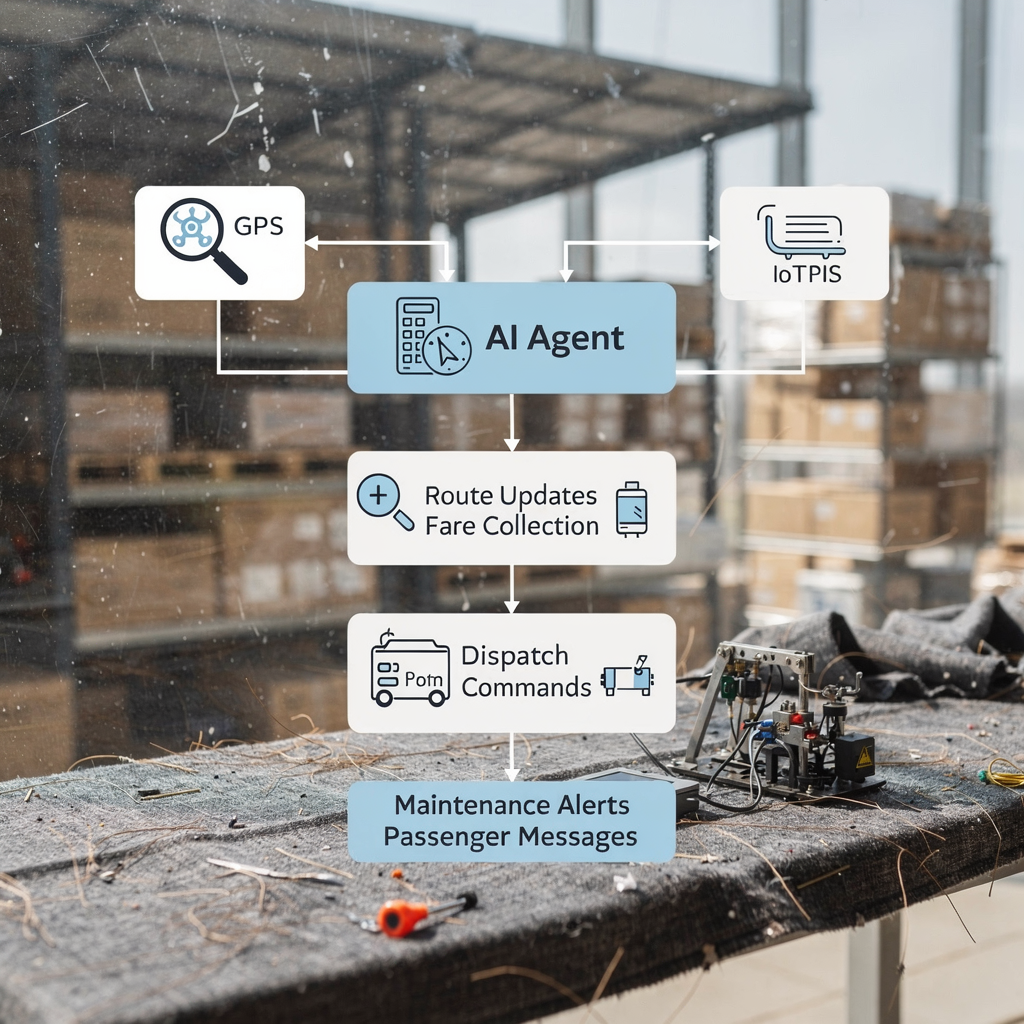
AI agents transform public transportation
ai AI agents now sit at the heart of modern public transport operations. In plain terms, an AI agent is an autonomous software process that ingests data, reasons about it, and takes or recommends actions. These intelligent agents link inputs such as GPS tracking, ridership data and iot sensors to outputs like adjusted timetables, dispatch […]

AI email assistant for municipalities
AI and local government: why municipalities need an AI email assistant Municipal offices face growing email volumes. Staff juggle hundreds of messages daily. Citizens expect fast replies. However, limited staff time makes that hard. Therefore, municipalities look to AI to help. AI can triage messages, draft replies, and reduce repetitive work. A study found near […]
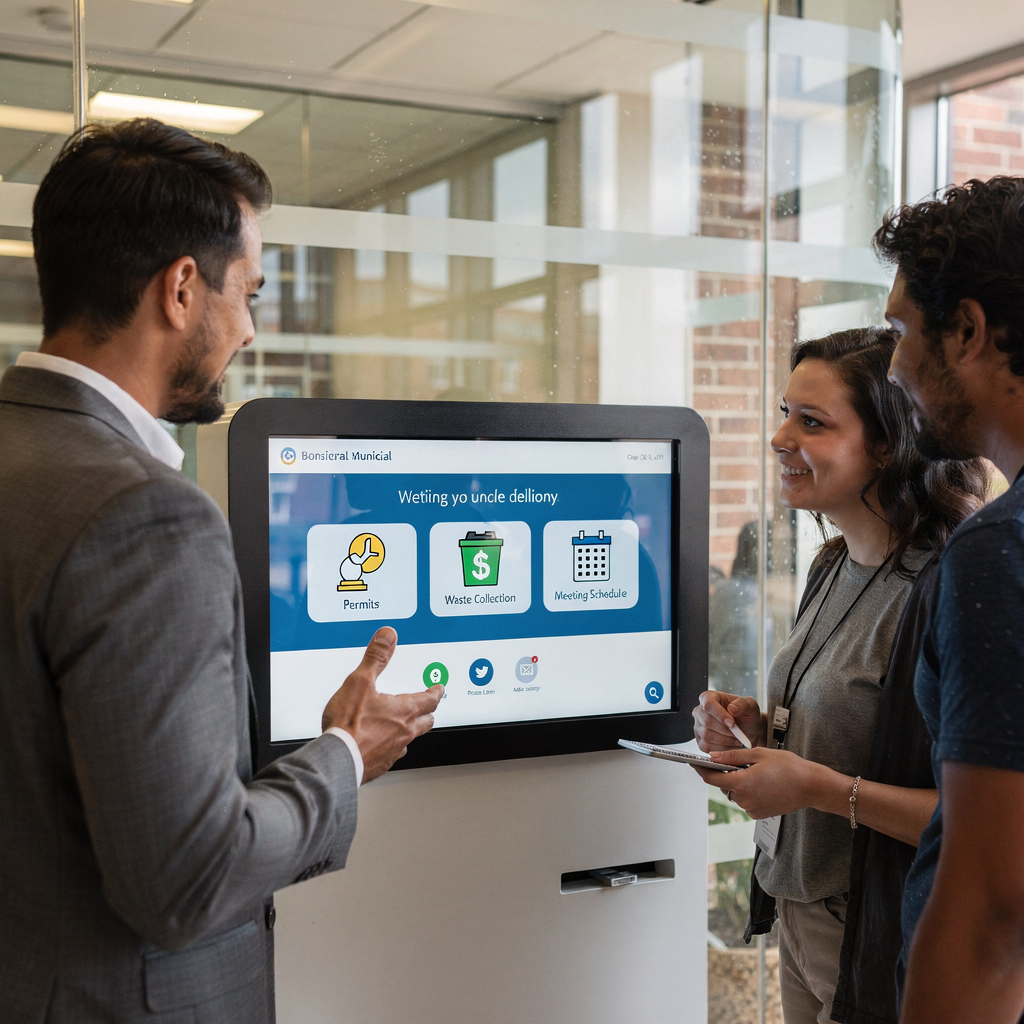
AI assistant for municipalities
AI and local government: why municipalities are investing now. Local governments face rising demand and tight budgets. First, AI offers clear ways to modernize municipal processes and improve citizen services. Second, cities report active spending on AI. For example, 66% of 167 cities in an ESI ThoughtLab study say they are investing in AI now, […]

AI agents for municipalities: local government support
ai in local government: why city councils adopt ai First, next, then, also, additionally, therefore, thus, however, meanwhile, consequently, finally, in addition, for example, similarly, likewise, so, now, then. Local governments are adopting AI to improve public services and to respond faster to citizen needs. AI helps process unstructured inputs, and it speeds routine work. […]
