


AI-agenter til hospitality: booking og gæsteservice
hospitality overview: why ai agents for hospitality are reshaping the guest journey
First, major facts set the scene for hospitality leaders. Today most hotels use AI. Research shows that 87% of hospitality professionals use AI in hotels. A global study found that 78% of hotel chains already use AI. Executive confidence is strong: 84% of travel executives say AI is essential for growth. These figures mean hospitality businesses must act now.
Second, define terms clearly. An AI agent is a software agent that performs tasks, holds context and makes decisions within set rules. Agentic AI refers to systems that can take autonomous action across multiple systems. Hospitality AI covers tools built for hotels and resorts to handle bookings, concierge tasks and revenue work. Common use cases include booking assistants, digital concierges and revenue management automation. For example, AI booking assistants and AI concierge chatbots can respond 24/7.
Third, immediate benefits are clear. AI reduces manual work, supports 24/7 service and cuts avoidable errors. It improves operational efficiency and helps hotel teams focus on high-value tasks. AI agents improve response time and accuracy for booking and guest-facing tasks. For hotel management, integrating AI with property management systems (PMS) and management systems creates a single source of truth that speeds decision-making.
Finally, leaders should note strategy. Agentic AI may remap guest journeys and change customer loyalty patterns. The FAU study warns that AI-powered agents could become the “gatekeepers of loyalty” and shift customer loyalty toward algorithmic experiences; hotels that combine data, service and brand will retain advantage. For practical next steps, hospitality leaders should map workflows, prioritise quick wins and pilot with clear KPIs.
Drowning in emails?
Here’s your way out
Save hours every day as AI Agents label and draft emails directly in Outlook or Gmail, giving your team more time to focus on high-value work.
booking and guest service: how an ai agent can automate bookings and guest service
First, an ai agent can handle booking requests around the clock. A 24/7 booking assistant answers availability questions, confirms reservations and processes cancellations without human delay. This reduces friction for guests and raises direct‑booking conversion. For example, a booking chat flow will check rates, book a room and push the reservation into the PMS and CRS in real time.
Next, practical integrations make automation reliable. The typical data flow is booking → PMS → CRM → revenue management. To work well, an AI agent needs access to property management systems, channel managers and payment gateways. The setup includes APIs, secure credentials and rules for when to escalate an inquiry to hotel staff. Hotels and resorts that adopt these links see faster response times and fewer booking errors.
Also, multilingual support reduces friction for international guests. Advanced conversational AI and voice agents can handle booking questions in several languages. Combined with chatbots, they improve first reply times and lower staffing pressure. In practice, hotels that offer multilingual support and consistent responses see better guest satisfaction scores.
Practical checklist for deployment:
- Integrations: PMS, CRS, payment provider, CRM and channel manager.
- Data flows: reservation → confirmation → billing → housekeeping update.
- Error handling: clear handover rules, escalation channels and fallbacks.
- Monitoring: response times, direct‑booking rate and cancellation handling.
Finally, email remains a major booking channel. virtualworkforce.ai automates the full email lifecycle for ops teams and can route booking emails, draft replies and push structured data back into operational systems. See how email automation connects with logistics and operations in related guides on scaling operations and automating correspondence for more detail.
guest experience and loyalty: ai-powered personalisation using guest data
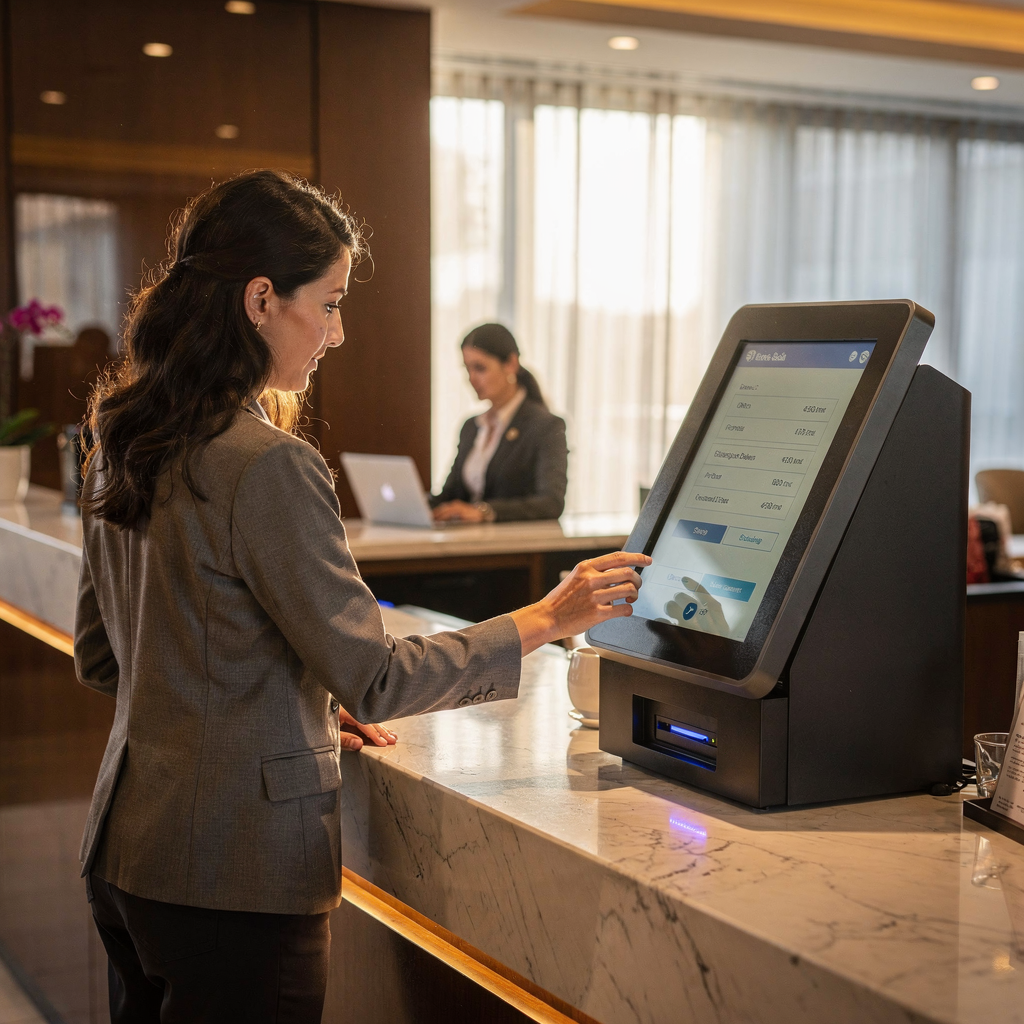
First, personalisation drives loyalty. AI agents use guest data to enrich profiles and recall preferences. This enables tailored offers, upsell triggers and personalised service at scale. For example, an AI agent may note a guest’s room temperature preference and set room controls before arrival. That creates a seamless guest stay and supports higher guest satisfaction.
Second, profile enrichment matters. AI systems collect signals from past stays, guest reviews and booking behaviour to build guest profiles. These profiles power targeted offers that match guest needs and boost conversion. The FAU research warns that agentic AI could become the gatekeeper of loyalty; hotels should therefore use personalised service to strengthen direct relationships, not cede control to third‑party agents.
Third, balance personalisation with privacy. Consent, transparency and data minimisation are essential to retain guest trust. GDPR and similar regimes require clear opt‑ins. AI systems may suggest offers, but hotels must keep human oversight for sensitive decisions. Do not overpersonalise to the point guests feel tracked. Instead, use preference recall to enhance simple, pleasing touches.
Practical ways AI personalises stays:
- Custom room setup based on guest profiles and guest history.
- Targeted dining or activity suggestions sent pre‑arrival.
- Personalised loyalty nudges that align with guest segments.
Finally, measure impact with guest satisfaction and guest loyalty metrics. Track guest satisfaction scores, repeat booking rates and NPS. When done well, AI-powered personalisation lifts customer loyalty, reduces manual work for hotel staff and improves the overall guest experience.
Drowning in emails?
Here’s your way out
Save hours every day as AI Agents label and draft emails directly in Outlook or Gmail, giving your team more time to focus on high-value work.
revenue management and pricing: agentic ai to optimize pricing and hotel management
First, revenue management benefits from agentic decisioning. Agentic AI can monitor demand signals and adjust pricing in near real‑time. That helps hotels capture short‑term opportunities and keep rates competitive. McKinsey highlights how agentic AI can remap customer journeys and operational workflows; hotels that test agentic workflows can find incremental revenue without extra headcount.
Second, connect AI to the right systems. Effective dynamic pricing requires access to PMS, channel data and competitor feeds. Property management systems plus market data form the single source of truth for rate decisions. AI systems may suggest rate moves, automate small changes and flag large switches for human approval. This hybrid model reduces risk while delivering fast reaction to market changes.
Third, define KPIs and safety nets. Common KPIs are RevPAR, ADR and occupancy. Start with guardrails: caps on percentage change, time windows for rapid updates and overrides for special events. These controls prevent errant pricing and maintain brand positioning. For channels where rate parity matters, the AI should follow channel rules and only propose approved promotions.
Practical steps to pilot pricing AI:
- Scope a single hotel or small hotel group and run a 90‑day pilot.
- Integrate with PMS and channel manager; log every recommendation.
- Measure RevPAR uplift, occupancy and ADR versus control group.
- Use manual override to keep final rate control with revenue managers.
Finally, automation and business intelligence rank highly for value. A recent industry summary notes that automation and business intelligence are the most valuable AI applications in this sector. Use advanced AI to optimise pricing while keeping human oversight for major commercial decisions.
automation and scale ai: how ai agents work to automate operations for hospitality professionals
First, AI agents work as digital employees. They run rules, call APIs and manage repetitive tasks. In operations, agents automate check‑in/out, billing emails and housekeeping requests. They create structured data from messages and push it back into PMS and management systems so teams have a single source of truth.
Second, orchestration matters. An effective deployment includes agent orchestration, a clear handover to hotel staff and traceable decision logs. That keeps staff in control and ensures accountability. For many hotel groups, the result is lower cost per interaction and consistent guest service across properties.
Third, choose buy vs build carefully. Vendors vary in integration depth, security and language support. Evaluate candidates for multilingual support, conversational AI skills and industry experience. virtualworkforce.ai focuses on email lifecycle automation for ops teams, grounding replies in ERP and other operational data. That approach reduces handling time and preserves accuracy for complex, data‑dependent correspondence.
Practical checklist to scale AI:
- Map workflows and pick repeatable processes to automate.
- Define escalation rules and human handover points.
- Test multilingual support and conversational AI for front desk tasks.
- Measure labour savings and improvement in operational efficiency.
Finally, scaling AI improves reliability. When AI handles routine guest asks and simple inquiries, hotel staff can focus on problem‑solving and personalised care. This focus on high‑value work supports hospitality excellence and higher guest satisfaction.
adoption and the future of hospitality: turning to ai, ai solutions and guidance for hospitality leaders and hospitality businesses
First, adoption is now mainstream. Studies show broad use by hospitality professionals and chains. For leaders, the path is clear: pilot, measure and scale. Begin with a 90‑day pilot that includes ops, revenue, IT and legal stakeholders. This short cycle helps test assumptions and capture early wins.
Next, governance is essential. AI systems may act autonomously; governance must cover ethics, privacy and vendor lock‑in. Create rules for data access, consent and explainability. Train hotel teams so staff understand how AI handles common requests and when to intervene. Staff reskilling ensures adoption and reduces fear of replacement.
Also, vendor selection should focus on integrations, security and industry fit. Ask potential partners about property management systems integration, multilingual support and proof of measurable ROI. Internal links to automation guides for operations and logistics offer useful technical context for email and operational automation solutions.
Practical 90‑day plan:
- Define scope and KPIs: RevPAR, direct bookings, response time and guest satisfaction.
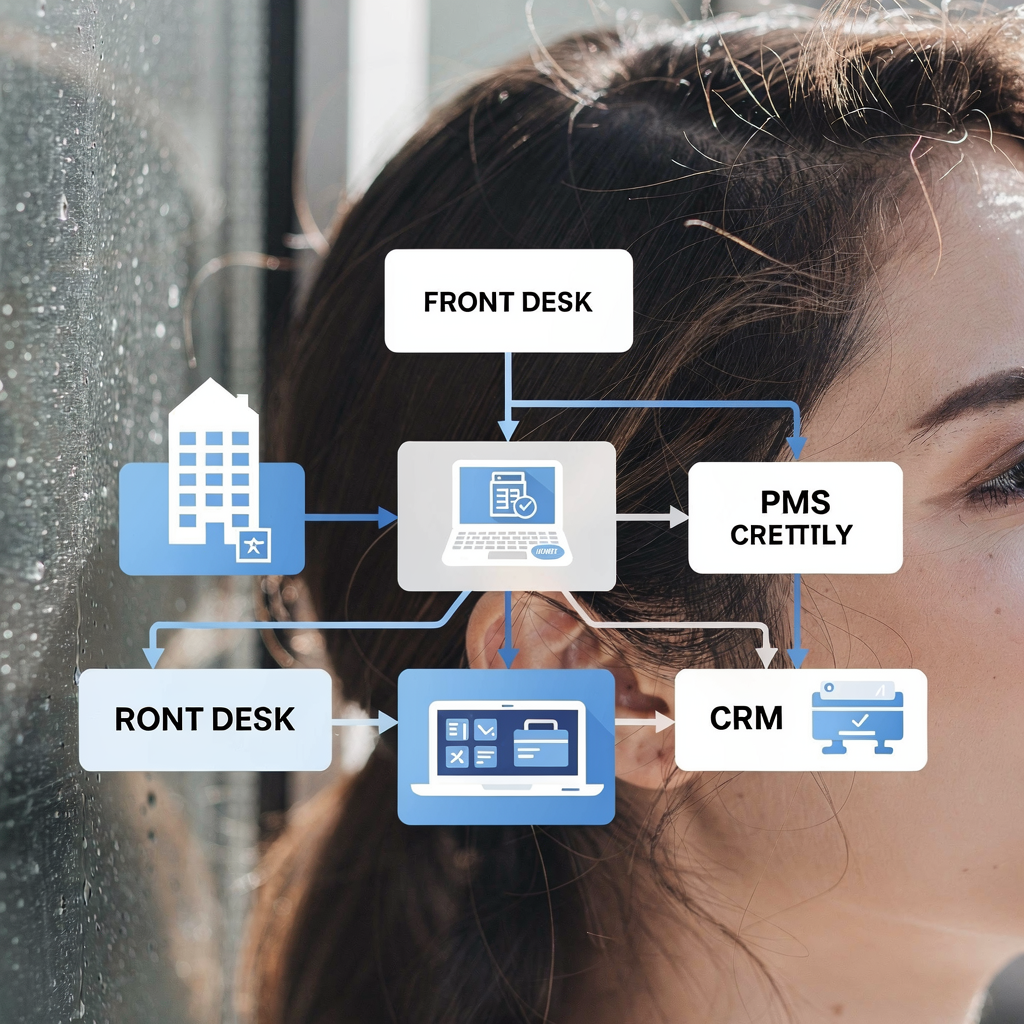
- Map data flows and connect PMS and management systems for a single source of truth.
- Run a pilot, measure impact and refine escalation rules.
- Plan roll‑out with training, governance and stakeholder alignment.
Finally, the future of hospitality will combine human teams and advanced AI. Agentic AI can remap journeys, but hospitality businesses must ensure AI supports guest outcomes and operational goals. Turning to AI is not a shortcut; it is a disciplined programme that requires clear metrics and staff engagement. Hospitality leaders who follow this path will deliver better guest experiences, stronger customer loyalty and measurable business improvements.
FAQ
What are AI agents in the hospitality industry?
AI agents are software tools that perform tasks autonomously, such as answering booking questions or updating room status. They connect with hotel systems and can reduce manual work while improving response speed.
How do AI agents handle booking and cancellations?
AI agents handle booking creation, confirmation and cancellation by integrating with the PMS and CRS. They process payment details, send confirmations and can hand over complex cases to staff.
Can AI improve guest experience without invading privacy?
Yes. AI can enrich guest profiles while respecting consent. Hotels should use transparent opt‑ins and limit data use to what improves personalised service.
What is agentic AI and how does it affect pricing?
Agentic AI can take autonomous actions based on rules and data signals. For pricing, it can suggest or apply rate changes in real time, within preset guardrails overseen by revenue managers.
Do AI solutions work with legacy property management systems?
Most modern AI tools offer connectors for common property management systems and channel managers. Integration planning is critical to ensure data flows and a single source of truth.
How do hotels measure success when they deploy AI?
Common KPIs include RevPAR, ADR, occupancy, response times and guest satisfaction scores. Pilots should compare these metrics against a control period to show impact.
Will AI replace hotel staff?
AI agents aren’t meant to replace staff; they automate routine tasks so hotel teams can focus on complex guest needs. The result is lower cost per interaction and more time for personalised service.
What about multilingual support for international guests?
Offer multilingual support and consistent responses through conversational AI and chatbots. This improves direct bookings and reduces friction for non‑native speakers.
How can operations teams reduce email workload with AI?
Platforms like virtualworkforce.ai automate the email lifecycle by labelling intent, drafting grounded replies and routing messages. This reduces handling time and improves consistency for operational correspondence.
What should hospitality leaders do first when turning to AI?
Start with a focused pilot, map stakeholders and set measurable success criteria. Ensure governance, staff training and integration with PMS and revenue management tools are in place before scaling.
Related resources: learn more about automating logistics emails, email drafting AI and scaling operations with AI agents through internal guides on automation and operational AI.
Drowning in emails?
Here’s your way out
Save hours every day as AI Agents label and draft emails directly in Outlook or Gmail, giving your team more time to focus on high-value work.