


AI og facilitetsstyring: hvordan en AI-assistent kan strømline arbejdsordrer og energirelaterede opgaver for at forbedre driftseffektiviteten
AI ændrer facilitetsstyring ved at gøre data brugbare og arbejde forudsigeligt. Først placeres en AI-assistent mellem bygningsstyringssystemer, CAFM-værktøjer og IWMS-platforme. Den læser sensorstrømme, mærker hændelser og foreslår korrigerende tiltag. Som følge heraf får facility managers klarere SLA’er og færre dublerede opgaver. For eksempel bruger mange bygnedriftsteams Trane Cloud, Honeywell Forge, Johnson Controls Metasys og IBM TRIRIGA til at indsamle telemetri, og et AI-lag til at fortolke det i kontekst. En nylig brancheopsummering forklarer, hvordan nye værktøjer “giver facilitetsansvarlige mulighed for at overvåge vedligehold og lejertjenester med hidtil uset præcision og reaktionsvillighed” (Facilities Dive).
AI kan analysere sensorstrømme i realtid og anbefale handlinger, der automatiserer rutinemæssige arbejdsordrer. Den kan også markere anomalier, så teams reagerer hurtigere. Dette reducerer reaktive reparationer og hjælper teams med at skifte til forebyggende vedligeholdelse. Vigtigt er det, at styringssystemet bliver en kilde til strukturerede alarmer i stedet for et silo af støj. Følgelig skrumper responstiderne. Samtidig får faciliteterne klarere ejerskab af billetter. Implementeringen starter normalt i det små. Begynd med et pilotprojekt, der dækker 1–3 aktiver, valider besparelser, og skaler derefter. Denne tilgang reducerer risikoen, samtidig med at værdien bevises.
Driftsteams bør vælge AI-værktøjer, der integrerer med ældre FM-software og ERP. Vælg også leverandører, der tilbyder styring, forklarbarhed og revisionslogfiler. Når du vælger, kig efter løsninger, der leverer handlingsorienterede indsigter og en klar overlevering til entreprenører. Endelig husk, at teknologi alene ikke forbedrer driftseffektiviteten. Mennesker, processer og politikker betyder noget. Brug træning og enkle playbooks, så facilitetsmedarbejdere accepterer forandringen. Interne e-mail-workflows flaskehalsar ofte driften; værktøjer som virtualworkforce.ai kan automatisere e-mail-livscyklusser for driftsteams og reducere behandlingstiden dramatisk (se virtualworkforce.ai-eksempel).
Work order management and AI-powered automation: reducing downtime with predictive maintenance
Predictive maintenance keeps assets running and costs down. AI analyses historical performance, sensor patterns and service logs to triage work order intake. Next, it creates, prioritises and routes requests to the right technician or contractor. This lowers mean time to repair and reduces reactive firefighting. Studies show predictive maintenance can cut maintenance costs by roughly 30–40% and often trims HVAC energy use by 10–35% when teams act on insights. For context, research on AI adoption in workplaces suggests broad familiarity with generative tools, which supports uptake for maintenance management (McKinsey).
In practical terms, an AI system links asset health to spare-part workflows. It can raise a purchase request when a threshold approaches. Conversely, it will suppress alerts when confidence is low to reduce false positives. This balance avoids unnecessary truck rolls. The system should tie into a computerized maintenance management system so service history remains accurate. Also, incorporate manual approval gates for high-cost repairs. Doing this preserves control and trust with the management team.
Choose thresholds that match risk appetite. Too sensitive and you get alert fatigue. Too lax and you miss failures. Use a calibration phase to tune parameters. Then, measure results: reduced downtime, fewer duplicate work order records and clearer SLA performance. For facilities that rely on timely email coordination, automating repetitive communications matters. (internt eksempel) Overall, AI-powered tools deliver proactive maintenance and help facilities transform from reactive to planned care.

Drowning in emails?
Here’s your way out
Save hours every day as AI Agents label and draft emails directly in Outlook or Gmail, giving your team more time to focus on high-value work.
Real-time monitoring and decision-making: leverage AI tools and facility management software for smarter operations
Real-time analytics turn telemetry into timely decisions. AI ingests streams from meters, BAS and IoT sensors. Then it highlights deviations and suggests corrective actions. Real-time fault detection paired with automatic corrective suggestions speeds decision-making and reduces energy waste. For users, dashboards present KPIs such as energy use intensity, MTTR and ticket backlog. These KPIs let the management team track improvements and prove ROI to stakeholders.
Event-driven automation helps too. For example, occupancy-driven HVAC can reduce heating and cooling in unused zones automatically. In that setup, the ai platform adjusts setpoints and reports energy savings. To optimize energy consumption, combine occupancy data with weather forecasts and asset performance. This layered approach improves comfort while trimming costs. A Boston Consulting Group analysis captured the rising interest in autonomous agents and their practical roles: “AI agents—smart digital assistants capable of learning, reasoning, and handling complex tasks independently—have been receiving a lot of buzz” (BCG). That statement explains why modern facilities increasingly embed advanced AI in their workflows.
When integrating, ensure data quality. Bad inputs yield poor outputs. Create data checks and simple health metrics for sensors. Also, retain human oversight for critical decisions. The best deployments pair AI suggestions with a short approval workflow. This hybrid model improves trust and adoption. Facility managers can access actionable recommendations quickly, and managers can streamline daily operations. For teams facing heavy email loads tied to incidents, routing and draft replies can be automated using tools designed for operational email automation (intern ressource). In short, AI systems make facility operations smarter by turning raw data into decisive actions.
Conversational AI and chatbots: streamline tenant requests and managing work via an AI assistant
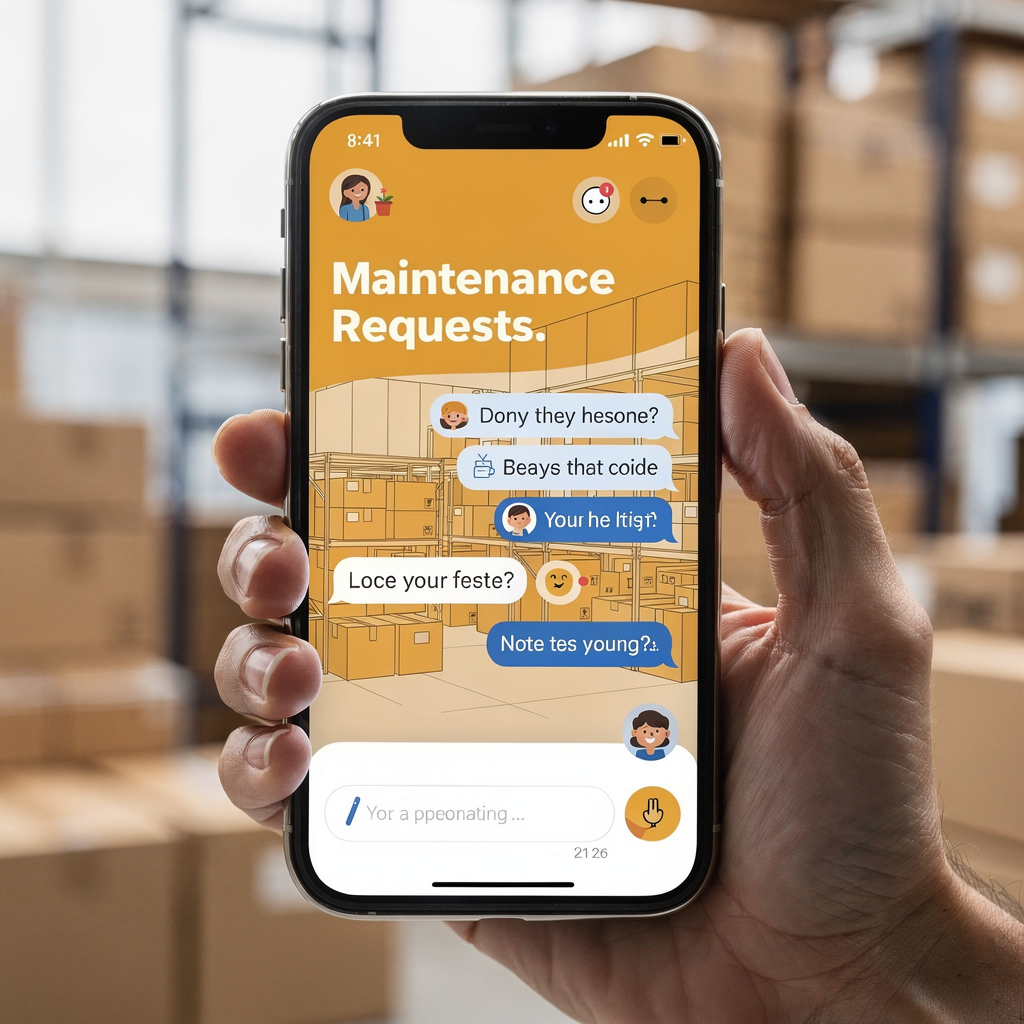
Conversational AI and chatbots offer 24/7 intake for tenant requests. They take trouble reports, answer FAQs and create work order tickets when needed. This reduces call and email volumes, and it gives tenants instant status updates. Chatbots can draft messages, surface policies and route complex issues to humans. This design shortens response times and increases transparency.
When implementing, apply strict privacy and access controls. Tenant data must remain protected. Also, define handover rules so the bot escalates clearly to a human when intent confidence is low. Route-to-right-skill rules ensure the ticket lands with a technician who can act. These guardrails keep the experience smooth and trustworthy.
Chatbots also reduce repetitive tasks for facility staff. For example, bots can confirm building access, share heating schedules, and log simple maintenance requests. They can even attach context to emails and forward the thread with the correct metadata. (internt link) This prevents lost context and unclear ownership.
Conversational tools must integrate with facility management software and the FM software that teams already use. Do not rip and replace systems overnight. Instead, add chat layers that push structured tickets into your maintenance management and CAFM platforms. Test with a small tenant group. Measure tenant satisfaction, first-response time and ticket resolution speed. Finally, train facility staff on new routing rules and escalation norms. With the right rollout, conversational AI chatbots free up people for high-value tasks and let teams focus on strategic initiatives instead of repetitive requests.
Drowning in emails?
Here’s your way out
Save hours every day as AI Agents label and draft emails directly in Outlook or Gmail, giving your team more time to focus on high-value work.
Proactive, predictive and operational efficiency: how AI-powered solutions transform maintenance and energy use
AI-powered solutions link prediction to proactive action plans. Predictive analytics detect wear patterns and warn before equipment fails. As a result, asset life extends and emergency repairs fall. In practical terms, predictive maintenance means fewer surprise outages and lower inventory costs. Many projects report energy savings between 10% and 35% for HVAC systems when optimisation is applied. The broader shift also improves operational efficiency with AI by cutting avoidable labour and energy waste (Syracuse).
Risk management is critical. Poor-quality data creates false alarms and model drift. Therefore, governance and continuous monitoring must accompany any deployment. Set review cadences for models and track drift metrics. Also, involve facility teams early so they trust the forecasts. Training helps staff understand why an alert fired and what to do next.
Operational gains come from combining machine learning algorithms with practical maintenance processes. For example, schedule inspections based on predicted remaining useful life. Tie spare-parts procurement to forecasted demand. That reduces emergency orders and idle technicians. Use KPIs such as reduced downtime, parts-on-hand turnover and service-level compliance to measure success. When teams need fast, grounded replies to operational emails, choose solutions that draft and route replies using live ERP or document data. (intern ROI-ressource) for operations teams, cutting handling time and improving consistency.
Future of facility management: the power of AI to revolutionize management software, decision-making and productivity — frequently asked questions
The future of facility management will mix automation with human oversight. Advanced AI will suggest plans, automate repetitive tasks and free facility staff to focus on strategy. A thoughtful rollout starts with pilots, defines success metrics and scales with governance. Use pilots to measure energy saved, reduced downtime and ticket resolution time. Then expand when the returns are clear. The power of AI in this space lies in faster decision-making and improved productivity, not in replacing skilled technicians.
Cost versus ROI often comes up. Expect initial costs for integration and data cleanup. However, many projects recover costs through maintenance savings and lower energy bills. Data needs vary by use case. Start with the most instrumented assets. Then add more sensors where value is proven. Compliance and privacy require clear policies, secure access and audit trails. Finally, workforce change management matters. Reskill teams, define handovers and keep humans in the loop for critical decisions.
Practically, choose the right ai platform for your objectives. Look for vendors that provide explainable models, easy integrations and clear governance. Ensure the platform can automate repetitive tasks, draft operational emails and push structured data back into ERPs and FM systems. For operations that rely on email, consider a no-code solution that automates the full lifecycle of operational email so your teams can focus on higher-value work and strategic initiatives. (internt eksempel) automates email workflows for ops teams and keeps full data grounding across ERP and shared documents, which reduces manual triage and improves accuracy.
FAQ
What is an AI assistant for facility managers?
An AI assistant is a software agent that helps with monitoring, decision support and routine task automation. It analyses facility data and advises facility managers on maintenance, energy and tenant requests.
How does predictive maintenance reduce costs?
Predictive maintenance uses analytics to forecast failures and schedule fixes before breakdowns occur. This approach lowers emergency repairs and extends asset life, which reduces overall maintenance spend.
Can AI reduce downtime in buildings?
Yes. By predicting faults and prioritising work orders, AI helps reduce downtime and avoid disruptive outages. Measurable outcomes include faster MTTR and fewer unscheduled interruptions.
Are chatbots secure for tenant requests?
They can be when configured correctly. Use encryption, role-based access and strict data retention policies to protect tenant information and meet compliance needs.
How should I start an AI pilot for facilities?
Begin with 1–3 critical assets and a narrow use case, such as HVAC optimisation or email intake automation. Measure energy savings, ticket resolution time and user satisfaction before scaling.
Will AI take jobs from facility teams?
AI supplements staff by automating repetitive tasks and improving workflows. Facility teams can then focus on higher-value work, while humans retain oversight for complex issues.
How much data do AI systems need?
Data needs depend on the use case. Predictive models require historical sensor and work-order data. For conversational tools, historical emails and SOPs improve accuracy.
What governance is required for AI in facilities?
Governance should include model validation, audit logs, access controls and a clear escalation policy. Regular reviews prevent model drift and maintain trust.
How do I measure ROI for AI projects?
Track metrics such as energy saved, reduced downtime, decreased email handling time and faster ticket resolution. Compare baseline performance to pilot results to calculate ROI.
Which vendors and tools should I evaluate first?
Start with platforms that integrate with your BMS, CAFM and ERP. Evaluate vendors that offer explainability, easy integrations and proven case studies. Consider solutions that automate operational email if your team spends significant time on message triage.
Drowning in emails?
Here’s your way out
Save hours every day as AI Agents label and draft emails directly in Outlook or Gmail, giving your team more time to focus on high-value work.