


ai and agriculture: why AI email assistants matter for agricultural businesses
The shift to digital agriculture is accelerating. For example, the European Patent Office reports that digital agriculture technologies grow three times faster than the average technology sector, and that pace matters for agricultural businesses that must react to seasonal trends and weather alerts Digital agriculture technologies grow three times faster than average. Farms and agribusinesses face a high volume of messages. Growers, suppliers and agronomists exchange orders, test results, and urgent alerts every day. As a result, teams waste hours on repetitive email tasks and manual triage. That cost shows up as delayed decisions, lost context in threads, and slower crop interventions.
An AI email assistant can prioritise messages about crop protection, irrigation and deliveries. It flags urgent soil moisture or pest alerts, and it routes notes to the right person. StartUs Insights reports integrating AI assistants into agricultural communication reduces response times by up to 40% which directly helps to reduce crop risk AI in Agriculture: A Strategic Guide. At the same time, the global market for AI in agriculture is projected to grow substantially by 2035, driven by predictive analytics and precision farming AI In Agriculture Market | Global Market Analysis Report – 2035. That market dynamic encourages agritech teams to adopt tools that automate routine email work.
For example, a case study found that AI-enhanced communication improved seed-data exchange and responsiveness between field technicians and agronomists, which raised data quality and helped seed selection decisions Smarter Seed Data Collection with AI. Given these facts, the value proposition is simple. First, reduce response lag and cut time spent on email. Second, surface urgent field events earlier. Third, improve traceability of decisions and recommendations. virtualworkforce.ai offers no-code AI email agents built for ops teams that face these exact problems, and the platform can draft replies inside Outlook or Gmail that cite ERP or farm management systems. In short, AI email tools can help agricultural businesses prioritise, respond and act faster to improve crop yields and operational efficiency.
ai-powered farm management: integrate ai agent with farm systems and IoT
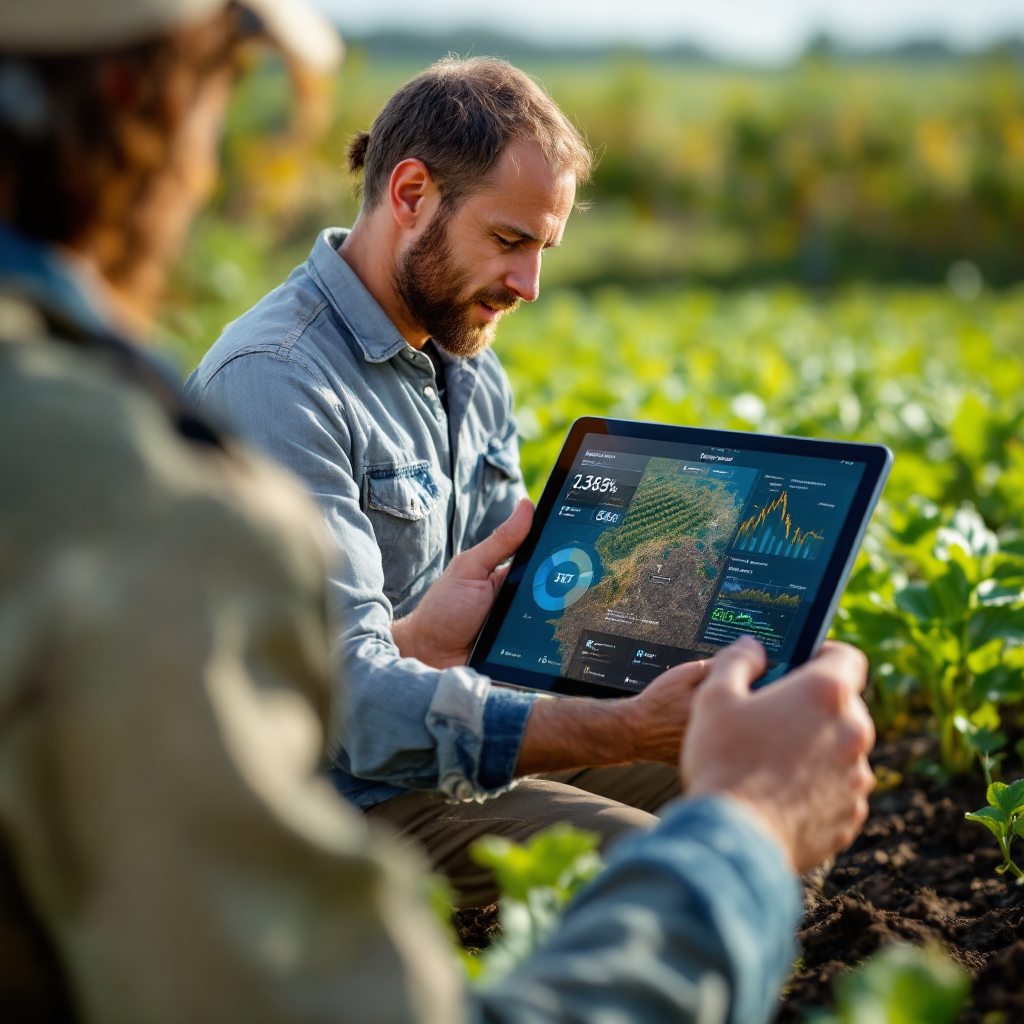
To be effective, an AI agent must integrate with core farm management systems and live data feeds. Typical connections include farm management information systems (FMIS/ERP), weather APIs, and IoT sensors that monitor soil moisture or temperature. Satellite feeds and remote sensing also feed models that predict disease risk, and those signals must map to email actions. When you integrate these sources, the assistant can convert raw events into meaningful, time‑bound messages for teams.
A practical example helps. When a soil‑moisture sensor reports a drought threshold, the system creates an alert and the AI agent drafts an automated email to the irrigation crew with location details and recommended action. The agent flags the message as urgent and attaches the relevant field sensor data. The team reviews and sends the message, which reduces manual copy‑paste across systems and speeds response. This pattern repeats for delivery ETA changes, lab results and pesticide warnings.
Security and governance matter. Use role-based access to limit which API keys and data sources the agent can call. Log every action, and keep an audit trail for compliance. Also, implement redaction rules for sensitive data and a review queue for high‑risk messages. virtualworkforce.ai emphasises deep data fusion and role controls, which makes no-code rollouts easier for IT while giving business users control of templates and escalation rules.
Checklist to integrate successfully: map data sources, define which events generate an email, configure escalation paths, and set access controls. Next, run a sandbox test with sample alerts and followup flows. Finally, monitor output quality and iterate. By integrating farm management, IoT and satellite feeds with an AI agent, teams reduce task management overhead and speed field actions. This approach helps transform farm operations into data-driven, consistent processes that improve agronomic decisions and reduce errors.
Drowning in emails?
Here’s your way out
Save hours every day as AI Agents label and draft emails directly in Outlook or Gmail, giving your team more time to focus on high-value work.
ai email assistant to automate workflows and streamline operations
An AI email assistant can automate repetitive workflows and save teams hours each week. First, it helps prioritise urgent messages. Second, it triages supplier queries. Third, it schedules follow‑ups. Fourth, it generates agronomist reports from ongoing email threads. These workflows reduce manual work, and they free agronomic teams to focus on decisions that affect crop yields.
Here are four concrete workflows with clear triggers and actions.
1) Urgent field alert. Trigger: a pest alert from a field sensor or satellite feed. AI action: draft an urgent email to the crop protection team with affected field coordinates, recent sensor history and recommended interventions. Human handover: agronomist reviews, edits and sends. Result: faster pest control and reduced crop loss. This workflow uses predictive analytics and can cut response time by the documented ~40% in cases where AI assistants were introduced StartUs Insights.
2) Supplier order triage. Trigger: inbound supplier email about seed delivery. AI action: check ERP and inventory, then draft a reply with ETAs or ask clarifying questions. Human handover: operations staff confirm and send. Result: fewer followups and fewer errors.
3) Routine followup and scheduling. Trigger: overdue lab test or field visit. AI action: create followup reminders, suggest time slots, and populate calendar invites. Human handover: field tech confirms. Result: improved scheduling and less email backlog.
4) Agronomist reporting. Trigger: end of week email thread with field notes. AI action: summarise threads, extract measurements, and craft a report template that cites lab data and sensor logs. Human handover: agronomist signs off. Result: consistent reports and time saved.
These workflows link to broader ops automation best practice. For example, virtualworkforce.ai integrates with ERPs to pull accurate context into drafts, which reduces reducing manual tasks and improves writing quality inside shared mailboxes. When teams adopt these workflows, they typically cut handling time from several minutes per email to a fraction of that time. This supports faster decision cycles, reduces errors and delivers better results on the ground.
personalize email marketing and template design to leverage farm-level data
Personalisation helps email marketing perform better. In agriculture, targeted campaigns that use field-level data increase open rates and improve response. To personalise effectively, pull specific farm fields, crop type and seasonal trends into templates. Then, create content that speaks directly to the grower’s needs and the current season. A good template library reduces time per campaign and ensures consistent communications.
Template types to build first: onboarding, advisory alerts, sales outreach and followup. For example, an automated planting reminder uses field-level predictions and weather alerts to schedule the best planting window. The template inserts crop type and local soil metrics. That kind of personalized email converts better than generic blasts.
Practical rules for personalization: first, use clear data fields such as field name, crop type, last lab result and recommended products. Second, segment by region and season. Third, include a clear call to action for a phone call or visit. Fourth, A/B test subject lines and message body to measure what improves engagement. Use concise subject lines and short paragraphs so farmers’ email apps show the most relevant content first.
Template checklist: define data sources, set mandatory fields, add variable fallbacks, include legal notices, and set escalation rules for urgent responses. Also monitor response rates and iterate regularly. Tools that offer ai-powered writing and ai-powered email generation speed content creation and keep tone consistent. For teams that need logistics-specific guidance, see how to automate logistics correspondence and email drafting for operations on our logistics pages for examples of template libraries and rules automated logistics correspondence.
Finally, personalisation builds trust. It helps agricultural extension programs deliver timely advice and helps digital green’s initiatives scale outreach to smallholder farmers. When combined with targeted campaigns and reliable email templates, personalisation supports sustainable farming and better agronomic outcomes.
Drowning in emails?
Here’s your way out
Save hours every day as AI Agents label and draft emails directly in Outlook or Gmail, giving your team more time to focus on high-value work.
use ai to boost productivity: analytics, prioritise alerts and decision support
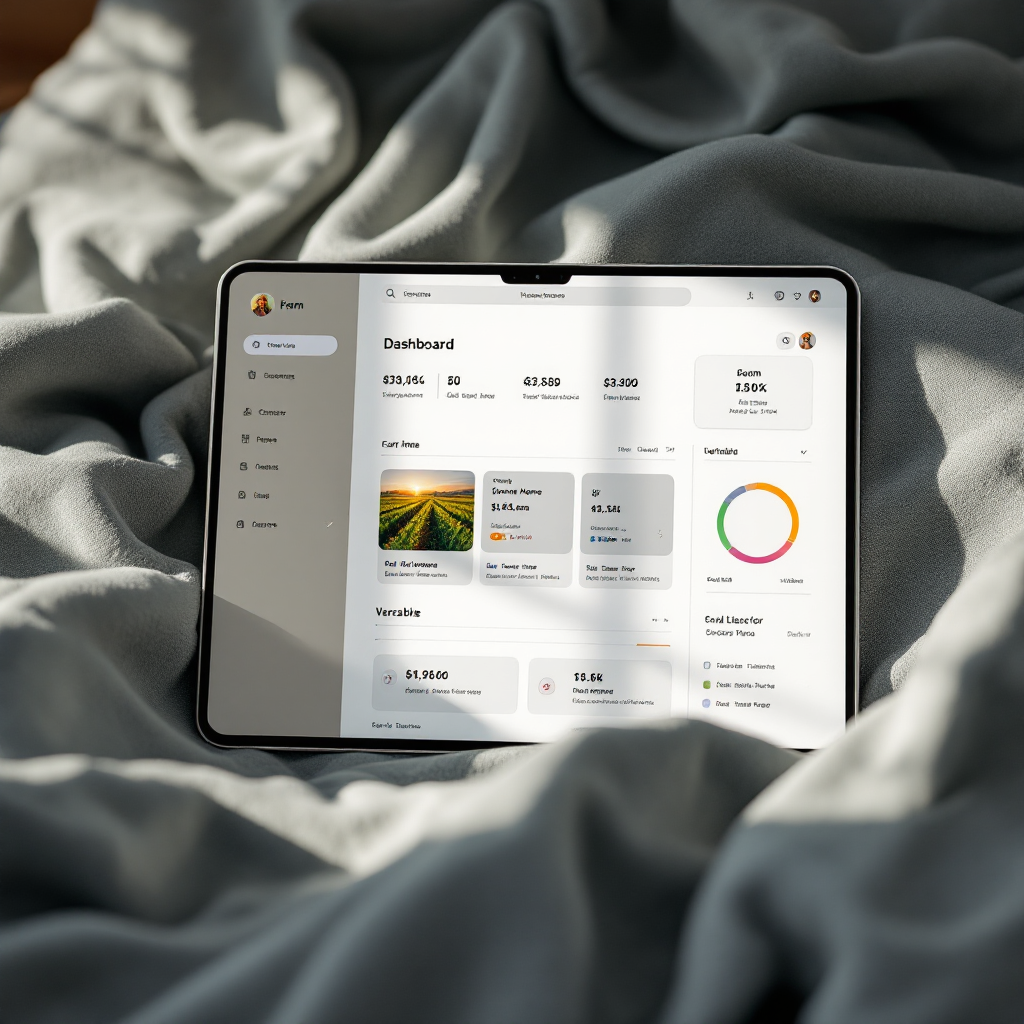
Analytics transform inbox activity into measurable performance. An AI agent can analyse inbox volume, response lag and topics to reveal bottlenecks. For example, dashboards can show response time by sender, by agricultural extension requests and by supplier. These metrics help teams prioritise which workflows to automate next.
Priority rules help to surface messages that affect crop yields. Set rules that promote pest or disease alerts, lab anomalies and weather alerts. The agent flags those messages in the inbox and assigns a severity score. Teams then react faster, and they can link response times to field outcomes. That connection makes the ROI for automation easier to justify.
Use these case metrics to track success: average response time, number of automated replies, saved labour hours and a proxy yield impact based on faster interventions. A simple ROI model compares saved hours against improved treatment timing. Market research shows rapid adoption of AI tools in rural communities and a clear business case for improved response Revolutionizing Farming: AI Chat Solutions Driving AgriTech. In practice, teams that use ai-driven inbox analytics and prioritisation see reduced manual triage and better alignment between advice and action.
Technical features that help: natural language processing to classify messages, predictive analytics to forecast issues, and machine learning algorithms that learn from user feedback. Then, surface recommendations directly in the email composer so staff can send data‑grounded replies. virtualworkforce.ai provides an SQL-accessible data layer to ground replies in ERP and email memory which helps to ensure consistent, accurate answers and to reduce errors.
Finally, analytics encourage continuous improvement. Review monthly dashboards, test changes in templates, and track whether faster replies correlate with fewer crop protection incidents. These steps help transform the inbox from a source of delay into a command centre that supports better results across the agricultural industry.
ai-powered email: scale, ROI and recommendations for the agriculture industry
Scaling an AI email capability requires a clear pilot plan, measurable success metrics and strong governance. Start with a 90‑day pilot that focuses on one use case, such as irrigation alerts or supplier order handling. Define success metrics up front: time saved per email, number of automated email replies, followup reduction and a proxy for yield impact. These measures let you quantify business value quickly.
Pilot design steps: map the integration points, select the initial data sources, build a small template library and train the ai models on typical threads. Choose a controlled group of users and set escalation paths. Also add user feedback loops so the system learns which replies are accepted and which need correction. virtualworkforce.ai’s no-code controls let business users tune templates and escalation rules without constant IT tickets which helps to accelerate adoption.
Change management and training matter. Run short sessions that show teams how the assistant drafts replies and where to approve or edit content. Emphasise data security and governance. For compliance, log actions and set redaction policies. Use role-based access to enforce who can view sensitive farm data or alter templates. That approach reduces risk and helps teams trust the system.
Checklist to scale: pilot scope, integration map, template set, measurement plan, user training and security review. Also set scaling triggers: consistent time-savings, reduced response lag and positive user feedback. When these triggers occur, expand to adjacent teams and to other regions. For logistics-heavy processes, explore our guide on scaling logistics operations with AI agents to learn how similar teams expanded quickly how to scale logistics operations with AI agents.
Finally, practical ROI examples help decision makers. If teams cut average handling time from 4.5 minutes to 1.5 minutes per email, the labour savings scale quickly across dozens of users. Use that figure to estimate saved hours, and then compare against avoided crop risk from faster interventions. To start, organise a 90‑day pilot, measure the core KPIs and iterate. That path will help transform farm email work into measurable productivity gains and sustainable outcomes for the agriculture industry.
FAQ
What is an AI email assistant and how can it help agricultural businesses?
An AI email assistant drafts, triages and prioritises messages using farm data and inbox history. It helps agricultural businesses respond faster to field alerts, supplier queries and agronomic advice.
How do you integrate an AI agent with farm management systems?
Integrate by connecting FMIS/ERP, weather APIs and IoT sensors using standard APIs and role-based access. Then map events to email templates and escalation rules for clear operational workflows.
Can AI email tools reduce response times for urgent alerts?
Yes. Reports show integrating AI assistants can reduce response times by up to 40% in some cases StartUs Insights. Faster responses help to lower crop risk and improve outcomes.
Are these systems secure for handling farm data?
Secure deployments use role-based access, audit logs and redaction rules to protect sensitive information. Good governance ensures only authorised users see critical data.
What workflows should a farm automate first?
Start with urgent field alerts, supplier order triage, routine followups and agronomist reporting. These workflows deliver immediate time savings and clearer decision trails.
How do personalised email templates improve engagement?
Templates that insert farm-level fields like crop type and field name increase open and response rates. A/B testing subject lines and messages helps refine what works for growers.
How do analytics support better inbox management?
Analytics show response lag, volume by topic and which messages need escalation. Teams then prioritise automation where it yields the most ROI and measure saved labour hours.
What does a 90‑day pilot look like for AI email automation?
Pick a single use case, map integrations, build templates and deploy to a small team. Measure handling time, automated replies and user feedback to decide whether to scale.
Can smallholder farmers benefit from these tools?
Yes. When outreach uses personalised email and clear advisory content, smallholder farmers receive timely recommendations that improve practices and yields. Tools that scale outreach support agricultural extension and targeted campaigns.
How does virtualworkforce.ai support farm operations?
virtualworkforce.ai offers no-code AI email agents that fuse ERP, email memory and other data sources to draft context-aware replies. The platform helps teams reduce manual work and improve consistency while IT retains control of connectors and governance.
Drowning in emails?
Here’s your way out
Save hours every day as AI Agents label and draft emails directly in Outlook or Gmail, giving your team more time to focus on high-value work.