


AI email assistant for hospitality: what it does and why every hotelier should care
An AI email assistant is a software tool that reads incoming messages, decides what they mean, and either crafts a reply or routes the message to the right team. It can auto-fill booking details, send booking confirmations, offer upsells, and schedule post-stay surveys. In plain terms, the assistant automates routine tasks so staff spend less time on every inquiry and more time on high-value guest experience. Therefore hotelier teams see faster response time and a reduced workload. Also, guests receive consistent, on-brand messages throughout the guest journey.
Email remains central for guest engagement. For example, industry benchmarks show hospitality open rates near 25–30% and click-through rates around 3–5% (Selzy, 2024). That stat proves that every email matters. So a system that improves every email has direct commercial value.
An AI email assistant helps hotels lower staff load and increase booking conversions. It automates templates, auto-drafts personalised offers, and sequences timed followups. It also supports CRM updates and links with a property management system so guest data stays current. For operations teams, tools like virtualworkforce.ai show how assistant designed automation can handle the data lookup and drafting steps that usually take minutes per message, and then free human staff for exceptions. This approach turns managing email into an actionable workflow instead of a backlog.
Hotel teams should care because the right AI solution delivers measurable wins. First, response speed improves. Next, accuracy and tone or professionalism stay consistent. Finally, when combined with targeted marketing automation, the same email traffic helps increase direct bookings and reduces OTA commissions. In short, AI bridges daily operations and guest satisfaction while helping hotels compete with larger hotel chains and hotel groups.
Automation and email automation: cut inbox volume, speed response time and standardise reply
Email automation means setting rules and models to handle routine queries without human typing. For hotels, common cases include booking confirmations, cancellations, FAQ about amenities, and payment queries. Automation uses templates and intent detection to triage and respond. As a result, inbox volume drops and response time shortens. AI systems now can handle up to around 70% of routine email enquiries, which cuts manual handling and labour costs (Hotel-Online, 2025). This statistic shows how much workload can be removed from busy front desks.
Automation also standardises reply quality. Templates keep the brand voice steady, and a knowledge base supplies crisp answers to common questions. So, fewer errors appear in confirmations and fewer followups are needed. Then staff only review drafts for special cases. The result is 24/7 coverage and fewer missed messages in shared inboxes.
Practical outcomes matter. The average team that adopts AI email automation sees lower inbox backlogs and faster routing to the right owner. For operations, that means linkages to your property management system and booking engine work smoothly. For more detail on how automated operational email works in logistics and operations, see a technical example of end-to-end email automation at virtualworkforce.ai/erp-email-automation-logistics/ which explains grounded drafting and system updates for complex workflows. And, if you want to compare workflow options, a parallel case study is available at virtualworkforce.ai/virtual-assistant-logistics/ that highlights draft accuracy and routing logic. Overall, automation helps hotels handle peaks in demand without hiring temporary staff.

Drowning in emails?
Here’s your way out
Save hours every day as AI Agents label and draft emails directly in Outlook or Gmail, giving your team more time to focus on high-value work.
Integration with crm, workflow and whatsapp: connect AI agents across channels
Integration ties the AI assistant to the systems hotels already use. A good setup will integrate the assistant with CRM records, the property management system, the booking engine, and messaging channels like WhatsApp. Doing so keeps guest data in a single view and avoids duplicated lookups. Then your team can see past stays, payments, and special requests in one pane. This unified platform reduces errors and improves personalization.
AI agents can label incoming messages, route them, and attach context so humans pick up a conversation with full history. For example, virtualworkforce.ai uses agent logic to understand and label intent, urgency, and customer identity before drafting replies. That approach reduces time spent on triage and on repeated data searches. If you need deeper examples of how automation routes and resolves operational requests, read about automated logistics correspondence which shows how threads are made actionable at virtualworkforce.ai/automated-logistics-correspondence/.
Integration also enables cross-channel handoffs. A WhatsApp inquiry may start as a quick question, then escalate into a booking. AI can convert that chat into an email sequence and then update the CRM automatically. This workflow keeps each message connected to a single guest record so personalization improves. A combined flow reduces the chance of duplicate offers and ensures that followup sequences only go to eligible guests. As hotels adopt integrations, they report higher guest satisfaction and fewer internal escalations. The same integration ideas apply across hotel chains, hotel groups, and independent properties, and they help streamline communication between sales, front desk, and housekeeping.
AI models and ai features: personalise draft emails, automated followup and the right AI solution
Core AI models power intent detection, named-entity recognition, and personalization engines. These ai models read a message, extract booking references, dates, and service requests, and then choose the appropriate template. The system can also personalise salutations and offers based on stay history. For draft control, the assistant creates editable content so staff review and approve before send. That mix of automated drafting and human oversight keeps tone or professionalism consistent while reducing repetitive typing.
Key ai features include auto-draft replies, suggested edits for staff, and scheduled followup sequences that recover abandoned bookings. When a guest starts but does not finish a booking, the followup sequence can send a gentle reminder with a tailored offer. Such sequences are part of ai email automation and can lift conversions. To implement these safely, choose an ai solution that supports secure guest data use and clear escalation paths.
Security and governance matter. The best ai balances automation with traceability and data security. Look for systems that ground drafts in operational data so replies reflect the current booking status. virtualworkforce.ai demonstrates this by drafting replies inside Outlook or Gmail and by pulling facts from ERP, TMS or SharePoint. If you want to explore how AI agents scale operations without extra hires, see virtualworkforce.ai/how-to-scale-logistics-operations-with-ai-agents/ for an operational perspective. Finally, select a tool that provides a knowledge base, editable drafts, and thread-aware memory so guests get accurate answers throughout the guest journey.
Drowning in emails?
Here’s your way out
Save hours every day as AI Agents label and draft emails directly in Outlook or Gmail, giving your team more time to focus on high-value work.
Metrics for hospitality businesses and the hotelier: open rates, CTR, efficiency gains and revenue impact
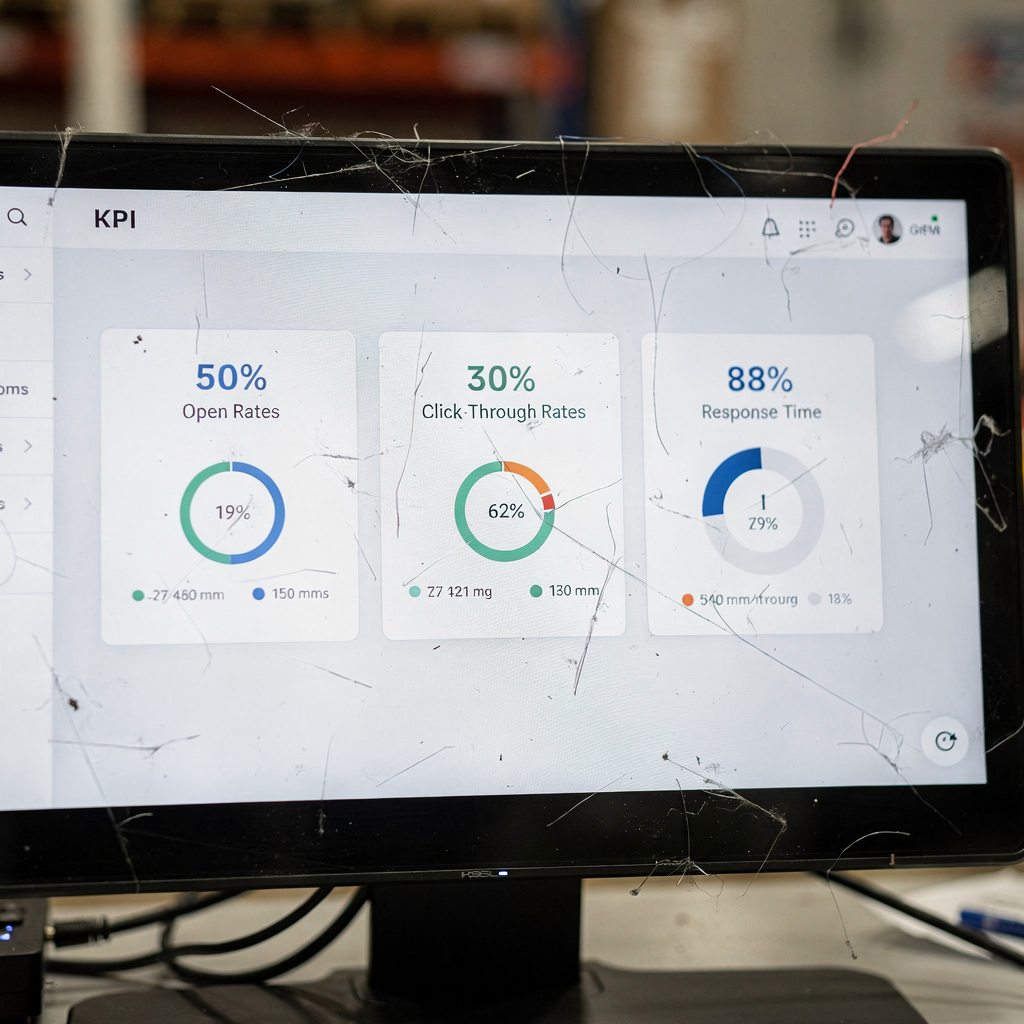
Track a small set of KPIs so you measure impact. Start with open rate and click-through rate. Benchmarks for the sector are about 25–30% open rate and 3–5% CTR (Selzy, 2024). Then measure the percent of enquiries auto-handled; many hotels see roughly 70% handled automatically (Hotel-Online, 2025). Finally, track the uplift in bookings and revenue. Some properties report up to a 15% increase in direct bookings after deploying personalised email sequences and timely followups (Asksuite, 2025). If your goal is to increase direct bookings, these metrics let you quantify ROI.
Operational metrics include average response time, inbox backlog, and number of manual draft edits saved. For example, teams using end-to-end email automation reduce handling time per message, and they lower the overall workload on employees. Also, measure reductions in OTA fees by comparing direct booking revenue before and after personalisation and targeted offers. Use analytics dashboards to track campaign performance, and use metric-driven experiments to refine offers. Moreover, track guest satisfaction scores to ensure automation improves experience and not just efficiency.
Frequently asked questions on ai assistants, ai email automation, inbox safety and transforming hospitality
This section answers frequently asked questions about deploying assistants and email automation in hotels. It covers privacy, routing, and error handling. It also outlines best practices for safe rollout and for keeping guest data secure. For broader logistics examples and ROI evidence, see a case study at virtualworkforce.ai/virtualworkforce-ai-roi-logistics/ which explains operational gains from agent automation.
FAQ
What is an AI email assistant and how does it help hotels?
An AI email assistant reads incoming messages and decides whether to reply, route, or create a task. It helps hotels by automating routine replies, reducing response time, and keeping guest data in sync with backend systems. This reduces workload and improves guest satisfaction.
Can AI really handle most routine email inquiries?
Yes. Modern systems can handle roughly 70% of routine inquiries by using intent detection and templates (Hotel-Online, 2025). They route only complex or urgent cases to humans, which saves time and reduces errors.
How does an AI assistant integrate with CRM and property management system?
Integration connects the assistant to CRM records and the property management system so replies include up-to-date booking details and guest preferences. This integration prevents duplicated work and improves personalization across the booking lifecycle.
Are guest data and privacy safe with AI assistants?
Data security depends on the vendor and configuration. Choose systems with clear governance, role-based access, and audit trails. Also, ensure IT connects data sources and defines access to meet data security and local regulations.
When should the AI route a conversation to a human?
Route to humans when the message shows unusual intent, a dispute, or when the draft confidence is low. Set escalation rules so staff get full context and structured data attached to speed resolution.
Will AI affect my marketing automation and email campaigns?
AI can improve marketing automation by personalising offers and scheduling timely followups. This typically increases engagement and helps hotels lift conversions and direct bookings when combined with good audience segmentation (Selzy, 2024).
How do I measure ROI on AI email automation?
Measure staff hours saved, conversion lift from personalised campaigns, and direct revenue gained versus OTA commissions. Track the % of enquiries auto-handled and changes in average response time to calculate operational savings.
Does an AI assistant support WhatsApp and chat channels?
Yes, many assistants can integrate with chat and WhatsApp so conversations continue across channels without loss of context. This helps handle bookings and enquiries that start on chat and then move to email or phone.
What is the accuracy of AI drafts and how are they controlled?
Drafts are usually grounded in operational data and can be configured to require human approval. This keeps tone or professionalism consistent and reduces the risk of incorrect information. A knowledge base further improves draft accuracy.
How will AI change hospitality communications in the near future?
Generative models and personal assistants will enable more natural, context-aware messages that adjust through the guest journey. They will help hotels personalise offers, streamline communication, and free staff to create memorable guest experiences. For a look at future trends, see AI Assistants and the Future of Customer Service (MiaRec, 2025).
Drowning in emails?
Here’s your way out
Save hours every day as AI Agents label and draft emails directly in Outlook or Gmail, giving your team more time to focus on high-value work.