


How AI and email automation transform hospitality inboxes
AI is changing how hotels manage their shared inboxes and how teams respond to guests. First, AI automates routine emails like booking confirmations, pre-arrival messages, and receipts. Second, it powers marketing workflows such as newsletters and targeted upsells. Transactional emails stand out as high-value touchpoints: they record a mean unique open rate of 47.1% for hotels, which makes them essential to optimise (Cvent, 2024). Also, AI keeps those high-open messages timely and consistent.
Automation reduces manual triage and repetitive writing. For example, a single pre-arrival flow can confirm arrival details, add a personalised upsell, and answer common questions. As a result, front-desk queries drop and ancillary revenue can rise. Additionally, teams see faster response times and fewer missed requests. A recent industry piece explains how automation frees staff to focus on guests while machines handle the repetitive email work (Hotel Online).
AI also labels and routes inbound messages so no important thread stays unassigned. Moreover, AI draft templates and content blocks to keep every email on-brand. For instance, hotel chains and independent hotels can use dynamic template logic to swap in room type, arrival date, and loyalty status. Next, automation validates booking data against the PMS to avoid errors before a message goes out. This reduces discrepancies between a guest’s expectation and the actual reservation.
Practical impact metrics include faster replies, reduced average handling time, and more consistent tone across email and phone channels. In short, AI shifts every hotel inbox from a source of friction into a reliable operational flow. virtualworkforce.ai builds on this approach by automating the full email lifecycle for ops teams, turning repetitive messages into structured workflows grounded in operational systems. Consequently, teams reclaim time and improve guest experience while boosting revenue.
How an AI email assistant improves guest communication and boosts direct bookings
An AI email assistant personalises outbound and follow-up messages using guest data, past stays, and stated preferences. First, it segments guests by behaviour and value. Then, it sends nudges to undecided bookers, with timely reminders and exclusive direct offers. Industry research notes that “AI agents in hospitality are not just tools but strategic partners that help hotels increase direct bookings and foster deeper guest relationships” (AskSuite, 2025). Therefore, an assistant changes how marketing and reservations teams convert enquiries.
Also, AI email flows recover abandoned reservations by sending a short, targeted sequence with urgency and incentives. For example, an abandoned-booking recovery flow can send a gentle reminder, an exclusive discount, and then a value-focused message that highlights free cancellation or breakfast. The result is higher conversion from enquiry to direct booking and lower OTA commissions. In addition, loyalty-member offers can trigger personalised upgrades or room-packages, which lifts ancillary spend.
AI-powered personalization improves guest satisfaction. By sending relevant messages that answer guest questions before arrival, hotels reduce surprise charges and confusion at check-in. This focus on clear and timely communication increases guest satisfaction scores and post-stay review rates. As hospitality expectations shift toward timely and tailored messaging, guests respond well to concise, relevant email communication (HospitalityNet).
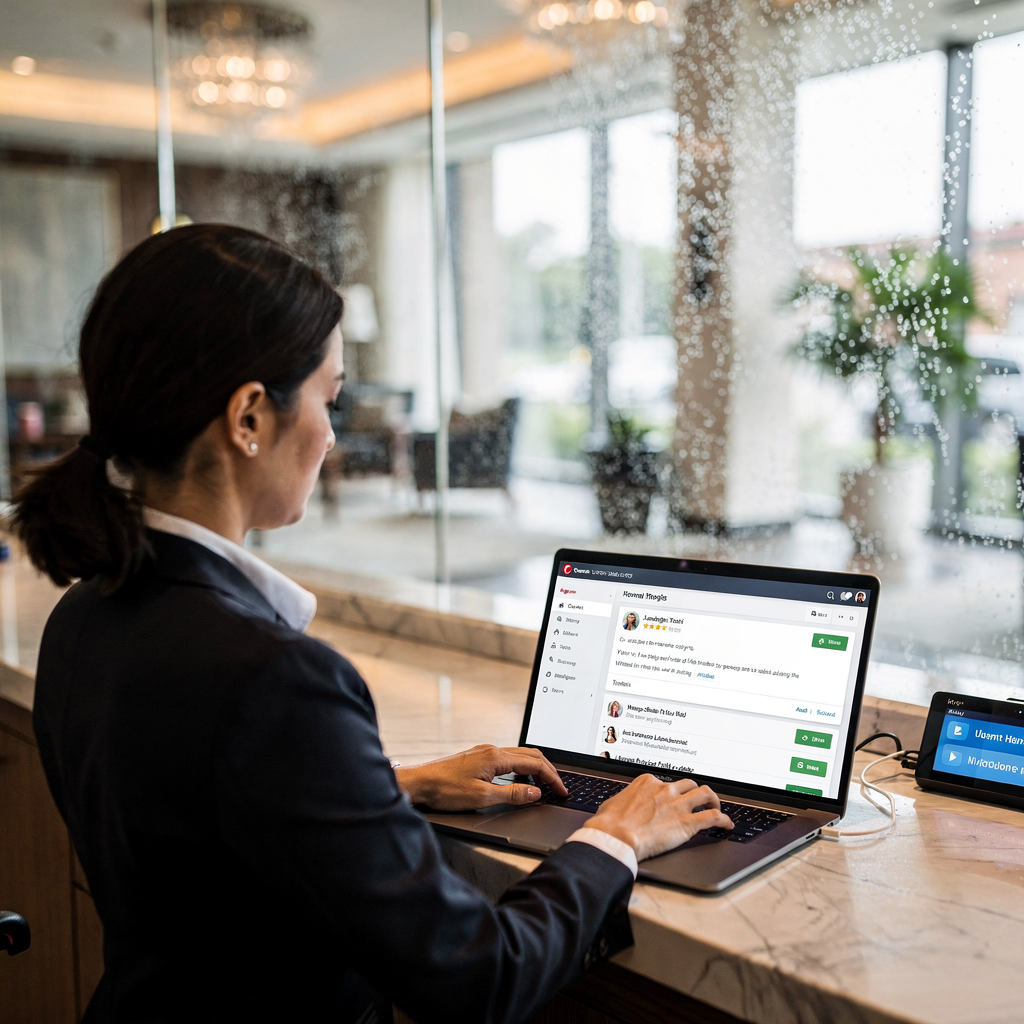
Finally, measurable outcomes are easy to track. Track conversion lift, decrease in OTA bookings, and per-stay ancillary revenue to calculate ROI on an AI email assistant. Use A/B testing of subject lines and dynamic offers to continually improve results. In practice, mixing automated followup with human oversight gives the best balance: let the assistant own routine messages while reservation teams handle complex or high-value requests. This combination drives direct booking growth and better guest relationships.
Drowning in emails?
Here’s your way out
Save hours every day as AI Agents label and draft emails directly in Outlook or Gmail, giving your team more time to focus on high-value work.
Integrating AI with crm, WhatsApp and hotel email systems for seamless communication management
Integration is the backbone of effective communication. Priorities include syncing guest profiles, stay history, and preferences from the CRM to the AI assistant. Next, link the PMS and booking engines so messages reflect real-time availability and rates. For omnichannel reach, connect WhatsApp and other messaging channels so guests get consistent responses across platforms. Quicktext and Revinate are examples that blend email and WhatsApp to improve reach, and many vendors offer APIs to tie into common PMS systems.
When systems share data, the hotel gets a single guest view. This enables automated segmentation and targeted campaigns. Consequently, every message can deliver personalized recommendations based on past behaviour. Also, consistent messaging across communication channels reduces confusion and duplicate requests. Test end-to-end flows before full rollout to confirm delivery, open rates, and accurate data syncing.
Integration steps matter. First, map the necessary data fields between systems. Second, set up access controls and governance. Third, validate message triggers and handover points so reservation teams receive context when needed. For practical guidance on automating email with Google Workspace and enterprise tools, see this resource on automating logistics emails with Google Workspace and virtualworkforce.ai automated Google Workspace email integration. This approach reduces manual lookups and keeps replies grounded in live data.
Also, consider channel-specific templates. Hotel email templates differ from WhatsApp replies in tone and length. Use the AI to generate short conversational replies for WhatsApp and fuller confirmations for email. Finally, monitor analytics and delivery metrics so you can refine settings. Good integration prevents data silos, reduces workload, and improves conversion from enquiry to booking.
Multilingual AI assistant, conversational AI and AI models that automate reservations and post-stay follow-ups
Multilingual support removes friction for international guests. A multilingual AI assistant can detect language from the initial message and reply in the guest’s language using natural language processing. This reduces misunderstandings and speeds resolution. For nuanced or complex or sensitive requests, the system flags the case for human review. Conversational AI handles booking clarifications, rate enquiries, and modification requests. When it cannot complete a task, the AI hands off to reservation teams with full context.
Generative AI and AI models produce subject-line variations, dynamic content blocks, and post-stay surveys. These models can create on-brand subject lines that improve open rates and suggest offers tuned to guest segments. Use generative AI to draft post-stay review requests that sound personal and relevant. As a result, response rates and review volume increase. Also, automated post-stay follow-ups can recover negative feedback privately, preventing poor experiences from becoming public.
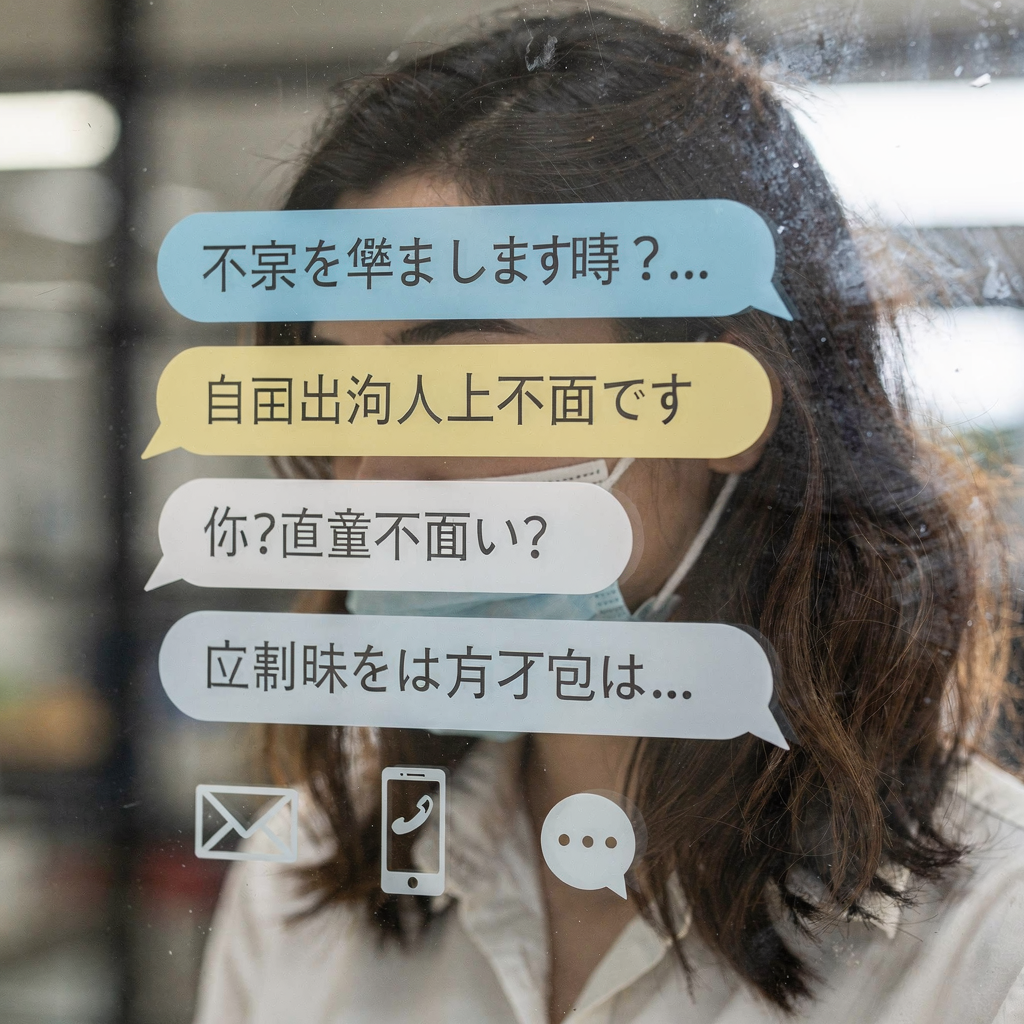
Use a knowledge base to ground replies and provide accurate responses. A centralized knowledge base and thread-aware email memory ensure the AI references past decisions and policy rules. Also, include escalation rules so the AI escalates to humans for high-value bookings or ambiguous requests. This balance yields faster replies and preserves brand consistency. Finally, track KPIs like response time, review count, and issue resolution rates to quantify improvements.
Drowning in emails?
Here’s your way out
Save hours every day as AI Agents label and draft emails directly in Outlook or Gmail, giving your team more time to focus on high-value work.
Data security, common questions and ROI: what hoteliers must know about best ai solutions
Data security is non-negotiable. Ensure GDPR-compliant processing, encryption in transit and at rest, and clear vendor data-processing agreements. Ask vendors for audit logs, SLAs, and evidence of secure deployment. Also, check that the provider supports integration with PMS and CRM systems and can demonstrate hospitality case studies. For help understanding ROI calculations in similar operational contexts, read this deep dive on virtualworkforce.ai ROI for logistics teams virtualworkforce.ai ROI resource.
Hoteliers often ask common questions about accuracy, handover rules, and multilingual limits. For example: how accurate are automated replies? The best AI solutions combine structured data grounding with templated responses to ensure accurate responses. When should a human take over? Set clear handoff triggers for complex or sensitive cases so reservation teams step in when needed. What about privacy? Demand on-brand data handling and strict access governance.
ROI levers include time saved, increased direct bookings, higher ancillary revenue, and lower OTA commissions. Measure savings by tracking handling time per email, conversion lift, and incremental revenue from upsell offers. Also, consider soft benefits such as improved guest satisfaction and more focused hotel operations. If you want to scale safely, choose vendors that offer full audit trails, clear escalation paths, and demonstrable hospitality technology experience. In short, pick the best AI partner that provides integration, traceability, and performance metrics.
Practical playbook to automate ai email automation, newsletters and reservation teams with the power of AI
Start with a simple map of every email touchpoint. Prioritise transactional messages that have high open rates, such as confirmations and pre-arrival notices. Then, define rules to automate those first. Use AI to test subject lines, swap dynamic content blocks, and schedule sends for peak engagement. For newsletter strategy, leverage AI for subject-line testing and segmentation so each guest segment receives relevant content.
Next, set up team workflows and escalation paths. Define handoff triggers so reservation teams receive only complex or high-value requests. Keep humans in the loop for exceptions, upgrades, and sensitive cases. Also, implement monitoring dashboards to track open rates, conversion to booking, response times, and post-stay NPS. Use these metrics to refine templates and rules.
Finally, scale by iterating and expanding to new channels. Integrate with additional systems and communication channels over time. For operational teams interested in broader scale tactics, this guide on how to scale logistics operations with AI agents explains practical implementation steps that translate to hotel operations scaling with AI agents. By following a staged playbook you reduce risk, maintain control, and prove ROI. Use AI features to automate routine reply drafting, create structured records from messages, and push data back into operational systems so every team benefits. The result is a leaner reservation team, faster guest responses, and measurable increases in direct booking and ancillary revenue.
FAQ
What is an AI email assistant for hotels?
An AI email assistant is a software tool that automates the drafting, routing, and sending of hotel messages. It uses guest data and rules to deliver personalised replies and to escalate complex cases to humans.
How does AI improve guest communication?
AI personalises messages using guest profiles and stay history, which makes content more relevant and timely. As a result, guests get faster answers and clearer information throughout their stay.
Are transactional emails still important?
Yes. Transactional messages show very high engagement; for example, booking confirmations and pre-arrival emails average a 47.1% unique open rate (Cvent). These are prime opportunities to inform guests and promote add-ons.
Can AI work with my PMS and CRM?
Yes. The best systems integrate with PMS and CRM to synchronise guest profiles, rates, and availability. Integration prevents errors and supports personalised offers across communication channels.
How do multilingual features help hotels?
Multilingual support allows hotels to reply in a guest’s preferred language automatically, reducing friction and improving satisfaction for international travellers. This capability uses NLP to detect language and craft appropriate replies.
What security measures should I require from vendors?
Require GDPR compliance, encryption in transit and at rest, data-processing agreements, and audit logs. Also ask for clear SLAs and evidence of hospitality deployments to validate vendor claims.
Will automation replace reservation teams?
No. Automation handles routine, data-dependent emails and frees reservation teams to focus on complex or high-value interactions. Teams remain essential for sensitive or strategic tasks.
How do I measure ROI from an AI email assistant?
Track metrics such as average handling time, conversion to direct booking, increase in ancillary revenue, and changes in guest satisfaction scores. These KPIs show both time savings and revenue impact.
What is the role of generative AI in email workflows?
Generative AI creates subject lines, message variations, and post-stay templates that feel personal and on-brand. It speeds creative testing and helps increase open and response rates.
How do I choose the best AI solution for my hotel?
Choose a partner that offers robust integrations, traceability, and hospitality case studies. Look for vendors that support audit logs, escalation rules, and a knowledge base so the system delivers accurate responses and scales safely.
Drowning in emails?
Here’s your way out
Save hours every day as AI Agents label and draft emails directly in Outlook or Gmail, giving your team more time to focus on high-value work.