


AI assistant for hotels — ai, assistant and reservation assistant automate booking to boost direct booking in hospitality
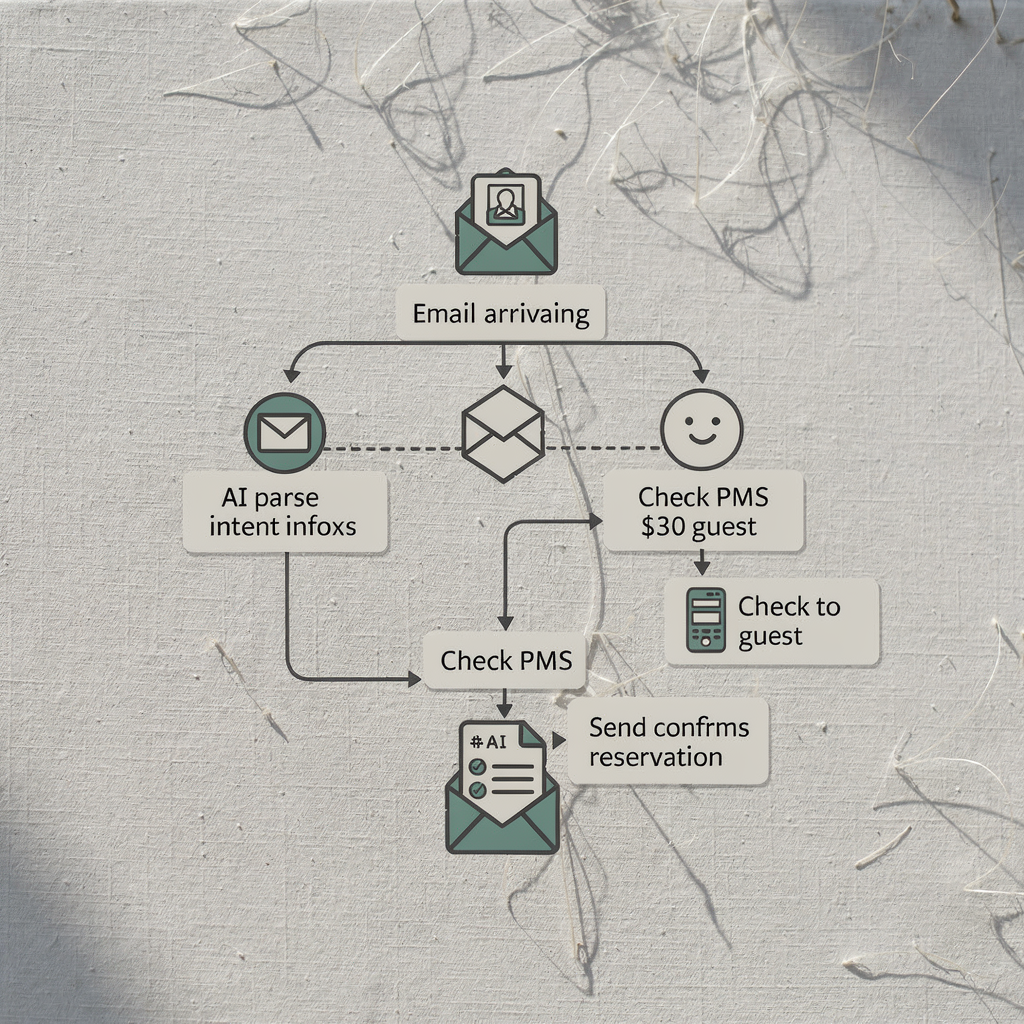
AI now handles routine email enquiries for many hotels. First, an email arrives. Then the assistant reads the message, classifies intent, and finds availability. Next, the reservation assistant suggests room options and rates. Finally, the guest confirms and the system creates a reservation. This simple flow reduces manual steps and shortens the booking process.
Today, a notable share of inbound guest inquiries still come by email. For example, industry reporting shows that roughly 16–20% of inbound hotel inquiries are received via email. Therefore hotels must manage email well. AI-powered email tools parse those emails, answer common questions, and prioritise urgent messages. As a result, hotels see faster replies and fewer missed leads.
Reservation assistants combine natural language understanding and business rules. They use AI models to extract names, dates and special requests. They check the PMS and pricing. Then they present a clear option to the guest. Vendors like Duve and HiJiffy offer similar email-first workflows. Also, modern systems can suggest upsells and extras during the exchange. That helps hotels increase direct bookings and reduce reliance on third-party channels.
Consider a real workflow. A guest emails to check availability. The assistant detects intent, reads dates, and matches inventory. If a match exists, it sends a booking link or a direct confirmation. If the request needs human approval, the tool routes the thread to the correct person with context attached. This approach reduces repetitive tasks, improves response times and keeps the email thread intact for future reference.
For operations teams, email remains an unwieldy source of work. virtualworkforce.ai automates the full email lifecycle so reservation teams can focus on exceptions and personalised guest care. In short, an assistant for hotels converts email volume into reliable, trackable bookings. And it does this while freeing hotel staff to work on value tasks.
Integration & API: integration, api and crm let ai assistants and ai agents work seamlessly with reservation teams
APIs and integrations keep data accurate and current. An AI assistant queries the PMS and the CRM through API calls. It then updates the booking engine and the central reservation record. This reduces double-handling by reservation teams. It also cuts errors caused by manual copy and paste. For hotels that run multiple properties, this matters a lot.
When the assistant writes back to a guest, it attaches the latest rates. It then pushes the confirmed reservation into the PMS. Staff no longer rekey dates or rates. Consequently, teams save time. They reduce busywork and can focus on higher-value guest communication. A well-built integration keeps availability in sync and prevents accidental overbookings.
Cloudbeds and eviivo show typical CRM sync examples. For instance, a CRM note created by the assistant appears in the guest profile. That note contains context and the thread history. Hotel staff then see the whole story. This makes handovers quick. Also, it improves the accuracy of any follow-up offers or pre-arrival messaging.
virtualworkforce.ai integrates operational data to ground email replies. The platform connects to ERP and other systems so answers remain accurate and traceable. That reduces risk and keeps replies compliant with policies. Hotels that integrate AI agents report faster response times and fewer manual errors.
If you want to automate at scale, start with the key integration points: PMS, CRM and the booking engine. Next, map the most common email types and routes. Finally, pilot the API connection for a single property and measure response time and error rates. This stepwise approach helps teams move to seamless operations without disruption.
Drowning in emails?
Here’s your way out
Save hours every day as AI Agents label and draft emails directly in Outlook or Gmail, giving your team more time to focus on high-value work.
Conversational AI & virtual assistant: conversational ai, virtual assistant and ai models power ai-driven agents that work around the clock for guest satisfaction
Conversational AI lets hotels talk to guests naturally. The virtual assistant uses ai models to interpret language, slot dates, and propose options. It blends templates, rules and generative responses to keep tone on brand. This combination creates replies that are accurate and human in tone.
AI agents run 24/7 and handle common questions without delay. Guests get instant replies about rates, check‑in times and special requests. If a request grows complex, the agent escalates to a human. That handover includes context, so staff reply faster and with better answers. This reduces workload on reservation teams and improves guest satisfaction.
Reports highlight that AI increases direct bookings and guest engagement. For example, AI agents “are not just tools but strategic assets that increase direct bookings and enhance guest engagement” according to industry analysis How Hotels Use AI Agents to Increase Direct Bookings. Thus conversational AI supports conversion while keeping service levels high.
Below is a short annotated transcript of an automated booking email exchange. The assistant asks one clear question at a time. It confirms dates. It offers an upsell. It then sends a secure link for payment. If the guest needs to cancel, the assistant shows policy and routes the thread if the case is unusual. This method keeps threads compact and reduces back-and-forth.
Using a best ai chatbot reduces time to confirm and raises conversion rates. It also collects preferences into the CRM so staff can personalise future offers. Finally, the blend of templates and generative ai keeps replies accurate and aligned with hotel policy while still sounding bespoke.
Multilingual & WhatsApp: multilingual messaging, whatsapp and automation to boost direct bookings and support hotel staff
Guests contact hotels in many languages. Multilingual support matters. AI assistants can translate and reply in the guest’s language. They maintain tone and handle local formats. This improves reach and makes the booking process feel personal.
WhatsApp serves international traffic and mobile-first guests. Hotels that add WhatsApp see faster replies and higher conversion on direct channels. The assistant can accept requests on email, then continue the exchange on WhatsApp, SMS or Facebook Messenger if the guest prefers. That flexibility increases the chance to complete a booking.
Automation routes complex threads to human agents when needed. The assistant adds context and the chat history so the human sees all prior messages. This reduces repeated questions and speeds resolution. It also keeps the guest satisfied because they avoid repeating details.
Compliance and data privacy remain essential. Systems should follow GDPR and local rules. Assistants must store only the necessary data and keep it secure. Vendors report better conversion rates when hotel staff combine multilingual automation with crisp handovers to humans.
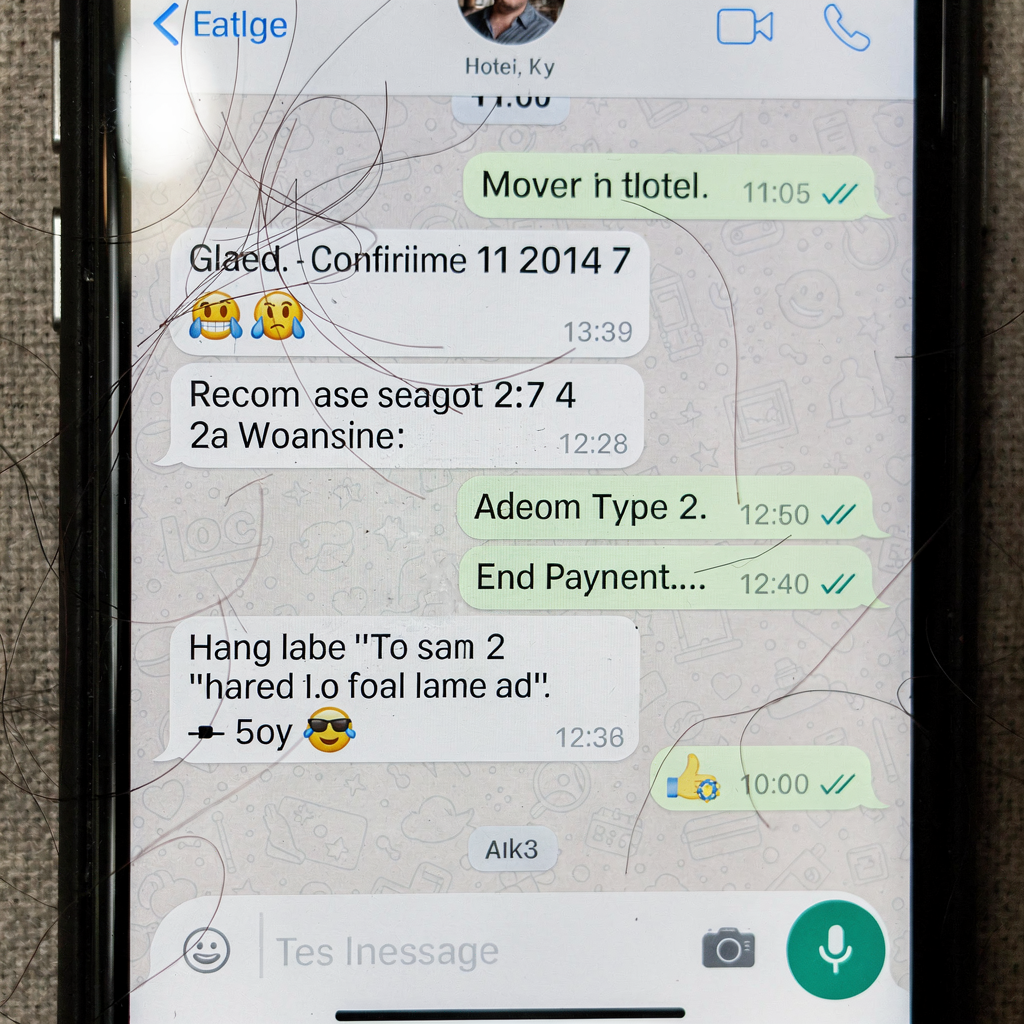
For an example flow, imagine a guest starts on email. The assistant offers to move the chat to WhatsApp. The guest agrees. The assistant sends a confirmation message and a secure payment link. The reservation updates in the PMS and the CRM. This flow boosts direct booking, reduces calls to the front desk, and supports hotel staff by lowering workload.
Drowning in emails?
Here’s your way out
Save hours every day as AI Agents label and draft emails directly in Outlook or Gmail, giving your team more time to focus on high-value work.
Common questions & FAQs handled by the reservation assistant: booking, reservation, common questions and frequently asked questions automated for speed
Reservation teams see the same FAQs repeatedly. Typical topics include rates, cancellation policy, check‑in times, extras and accessibility. A reservation assistant answers these quickly by using a knowledge base and templates. It gives accurate answers and links to policy pages when needed.
The assistant also handles special requests, such as extra beds or dietary needs. It reads the guest message, checks inventory, and proposes options. If the request requires manual approval, the assistant escalates with full context. That keeps the process fast and reduces human error.
An A/B test can compare automated versus manual replies. Test conversion and response time over 30 days. Measure direct booking uplift and the percentage of threads needing human escalation. Many hotels find automation cuts avg handling time and increases conversion.
To keep answers accurate, feed the assistant a curated knowledge base and hotel policies. Then, update the knowledge base as rules change. This practice aligns with industry best practices and reduces incorrect replies. The assistant provides standard responses without human intervention for routine queries and flags exceptions.
Finally, combine FAQ automation with post-stay surveys and analytics. The assistant captures common complaints and suggests operational fixes. Over time, this approach improves the guest experience and creates revenue opportunities through targeted upsells and timely offers.
Implementation & ROI: for the hotelier, measure ai-driven outcomes to boost direct bookings, guest satisfaction and agents work productivity
Start with a short pilot. First, audit inbound volume and tag guest inquiries by type. Next, map reservation teams and the common handover points. Then choose integration points: PMS, CRM and the booking engine. Use a single property as the pilot site. Run for 90 days. Track key metrics in a simple dashboard.
Suggested KPIs include average response time, direct booking rate, revenue uplift, number of escalations, and staff hours saved. Teams can expect reduced handling time per email and fewer errors when systems connect to ERP or the PMS. virtualworkforce.ai clients typically reduce handling time from about 4.5 minutes to 1.5 minutes per email, which shows how much workload drops.
Measure conversion rates on email reservations and WhatsApp threads. Also, follow guest satisfaction and post-stay feedback. If conversion improves and response times fall, scale to other properties. Keep training and governance in place so replies remain compliant and aligned with brand voice.
Include a compliance checklist for GDPR and data privacy. Train staff on escalation rules and tone. Finally, build an ROI model that includes reduced overtime, fewer errors, and incremental direct revenue from bookings that otherwise might have gone to third parties. This clear data helps justify further investment in ai-powered solutions.
For operations-focused teams, see our resources on scaling email automation and the ROI of AI agents for logistics and service teams for similar approaches and metrics: how to scale with AI agents, virtualworkforce.ai ROI examples and automate emails with Google Workspace. These pages show practical steps to deploy, measure and expand automation.
FAQ
How does an AI assistant handle an email reservation?
The assistant reads the message, extracts dates and intent, and checks availability in the PMS. It then replies with options or routes the thread to a human if the case needs review.
Will AI reduce the workload for reservation teams?
Yes. Automation reduces repetitive tasks and speeds replies, freeing staff to manage exceptions and personalised guest care. Teams typically see lower average handling time per email.
Can AI agents increase direct booking?
AI agents guide guests through the booking process and offer direct payment links, which helps increase direct booking. Industry reports note improved conversion when hotels use AI agents in guest communication How Hotels Use AI Agents.
Is WhatsApp supported by hotel chatbots?
Many assistants support WhatsApp and Facebook Messenger so guests can use preferred communication channels. This improves response speed and conversion on direct channels.
How do integrations with PMS and CRM work?
Assistants use APIs to query the PMS and update reservations in real time. They also write notes to the CRM to keep guest profiles current and help staff with context at handover.
Are multilingual replies accurate?
Yes when the assistant uses a curated knowledge base combined with translation capabilities. Multilingual support improves reach and creates a personalised guest exchange.
What about data privacy and GDPR?
Systems must store only required data and follow local privacy rules such as GDPR. Vendors should document data flows and offer configurable retention and access controls to remain compliant.
How should a hotel pilot an AI assistant?
Start with one property, integrate the PMS and CRM, and run a 90-day test. Track response time, direct booking rate, revenue uplift and staff hours saved to measure ROI.
When does the assistant escalate to human agents?
The assistant escalates when a query matches escalation rules, contains a special request, or when the guest asks to speak to staff. Escalations include context and thread history to speed resolution.
Where can I learn more about operational email automation?
See virtualworkforce.ai resources on scaling operations and automating email workflows for detailed guides and ROI examples. These pages include practical steps and case studies to help hoteliers adopt AI.
Drowning in emails?
Here’s your way out
Save hours every day as AI Agents label and draft emails directly in Outlook or Gmail, giving your team more time to focus on high-value work.