


email, AI and assistant — What an email assistant delivers for packaging firms
Email is the backbone of daily operations in packaging firms. AI can read intent, extract data, and draft replies. An assistant that focuses on email reduces repetitive work. First, it handles auto-responses for common customer inquiries and order/status updates. Next, it answers technical Q&A and routes complex requests to the right engineer. For packaging companies that manage specifications, machine schedules, and supplier confirmations, the value is clear. For example, teams that use email automation in B2B contexts report measurable gains. A market study shows a typical uplift of about 14.5% in sales productivity and a drop in marketing overhead, which matters for margin-sensitive suppliers. Also, the packaging industry often works with verified contact lists to keep deliverability high, which helps campaign performance (Packaging Industry Email List).
AI delivers speed and consistency. An AI email assistant reduces manual lookups across ERP and shipment systems. It labels incoming emails by intent and urgency. Then it either resolves the issue automatically or escalates with full context. virtualworkforce.ai uses AI agents to automate the full email lifecycle for ops teams, and that approach shows how teams can cut handling time from about 4.5 minutes to roughly 1.5 minutes per message. This saves time and reduces errors. Also, teams keep better audit trails for compliance and supplier disputes. For packaging firms focused on sustainability and fast turnarounds, this is essential. Finally, a clear escalation path ensures that complex R&D queries still reach engineers. In short, an assistant tailored to packaging chores can speed quotes, confirm materials, and prevent production delays. For practical guidance on connecting email to operational systems, see this resource on ERP email automation that explains common integration patterns ERP email automation for logistics.
inbox, automation and virtual assistants — Automating inbox workflows to free up your time
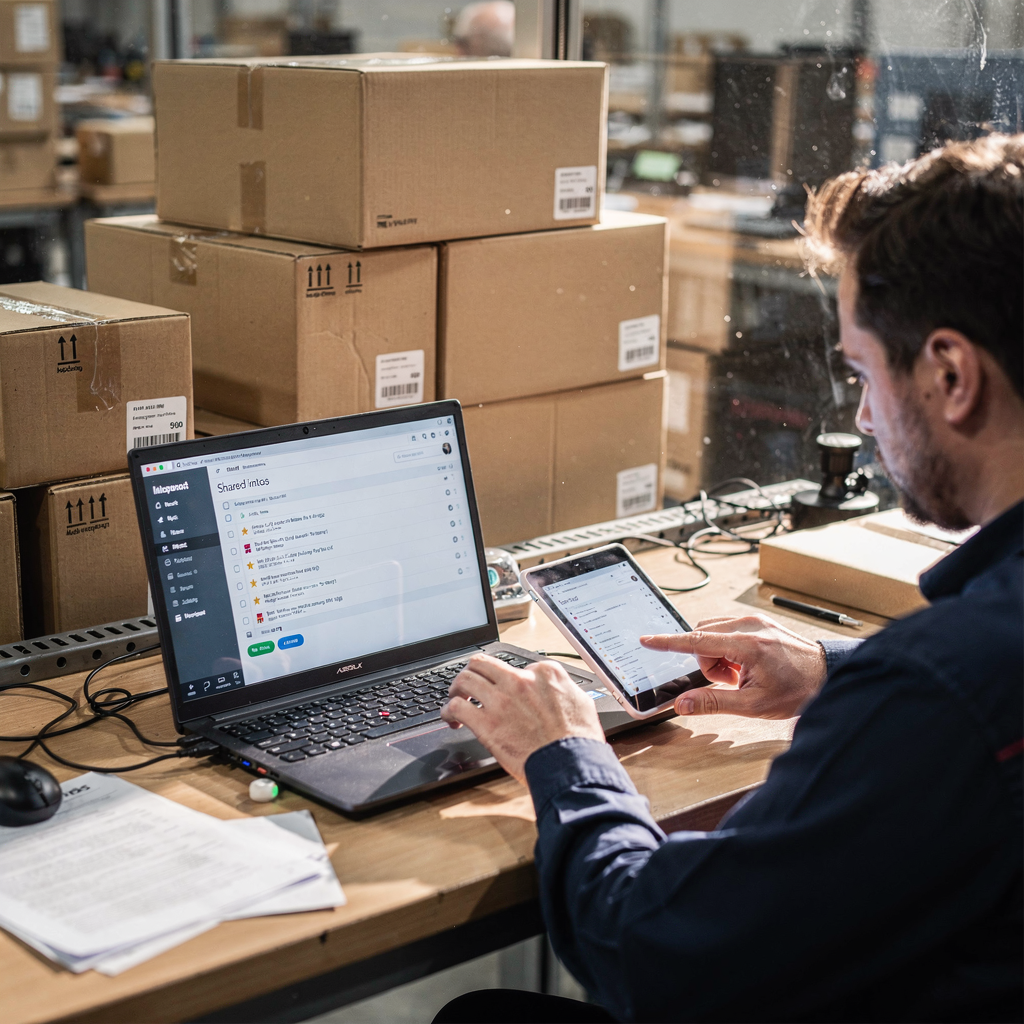
Inbox overload slows teams down. Many packaging teams see more than a hundred incoming emails per employee each day. So they need rules, tagging, and quick templates. An AI layer can triage messages by topic, customer, and urgency. Then it applies templates or routes the message. Also, human virtual assistants handle exceptions and follow complex threads. This hybrid model reduces missed orders. It also reduces time spent on manual sorting and urgent misses. For example, one pilot cut average first response time dramatically after combining AI triage with a human inbox manager. The pilot showed faster turnaround and higher customer satisfaction.
To optimize operations, use a clear folder structure and escalation paths. Use AI to categorize messages so important messages rise to the top. Then let virtual assistants take routine actions. The assistant for email management can send shipment notices, confirm specs, and schedule follow-ups. For packaging firms that must coordinate suppliers, this reduces delays on the production chain. Also, you can deploy an email management virtual assistant to vet outgoing replies before they go. That improves tone and reduces rework. If you want technical details on implementing virtual assistants for logistics and correspondence, this guide walks through templates and routing logic virtual assistant logistics.
Security matters too. Define secure access to ERP and shipping data, and restrict sensitive information. Then train the AI to avoid exposing confidential fields. Finally, measure gains. Track response time, missed orders, and customer satisfaction. These metrics show how much you free up your time and reduce clutter. Also, being able to manage your inbox with fewer clicks lets staff focus on technical problems and innovation.
Drowning in emails?
Here’s your way out
Save hours every day as AI Agents label and draft emails directly in Outlook or Gmail, giving your team more time to focus on high-value work.
email management, AI email assistant and email management virtual assistant — Outsource routine responses and vet messages
Packaging teams should outsource routine email work when it drains valuable time. You can hand repetitive quotes, shipment notices, and FAQs to an email manager or to virtual assistant services. For example, a packaging supplier might use an email virtual assistant to send carrier updates and to confirm delivery windows. Meanwhile, staff stay focused on production and quality. Also, an email management virtual assistant can apply escalation rules and tag messages for legal or quality review. This keeps traceability while lowering administrative burden.
Vetting is critical. Create template QA procedures and set escalation thresholds for exceptions. Also, enforce GDPR and EU data rules on exports and records. For sensitive information, restrict access and add secure access tokens. Then run A/B tests on templates to find the best tone. virtualworkforce.ai recommends business teams configure tone and rules so AI replies match brand voice. This keeps consistency across customer relationships. Use a draft workflow where the AI drafts replies and a human approves the first set of templates. Then expand scope once accuracy hits targets.
When you hire a mix of AI and virtual assistants, you get consistent replies to common inquiries. You also reduce human error in order handling. The result is better customer satisfaction and faster quote-to-order times. In short, outsource low-risk tasks, vet templates thoroughly, and keep engineers focused on higher-value work. If you need examples of automated logistics correspondence and drafting patterns, see this practical resource for logistics teams automated logistics correspondence.
email automation, AI-driven email and AI agent — Streamline lead generation and integrate with CRM
Email plays a key role in lead qualification and in pushing prospects into CRM. First, an AI agent reads inbound interest and scores leads. Then it schedules follow-ups. This process helps convert more MQLs into orders. Also, tagging and structured data let sales reps pick up a thread with full context. For packaging firms, faster response to an inquiry reduces the chance of losing a design slot or a material window. A tight loop from email to ERP and CRM also cuts time to order.
Integration matters. You should integrate email with CRM, order management, and ticketing systems so data flows back and forth. virtualworkforce.ai connects email history to operational systems to draft accurate replies grounded in ERP, TMS, or WMS. This keeps status updates consistent. Also, it creates structured records from unstructured messages so reporting improves. Use lead generation scripts that capture needs, timelines, and budgets. Then map those fields into your CRM. This boosts conversion and reduces duplicate work. For a primer on scaling operations without hiring more staff, check this guide on how to scale logistics operations with AI agents scale logistics operations with AI agents.
Measure outcomes. Track lead conversion lift and quote-to-order time. A measurable target could be cutting quote response time to under an hour for priority leads. Also, reduce manual entry by pushing structured data into order systems. Finally, plan governance. Define who reviews AI drafts and when to escalate. This preserves accuracy while you streamline sales and operations.

Drowning in emails?
Here’s your way out
Save hours every day as AI Agents label and draft emails directly in Outlook or Gmail, giving your team more time to focus on high-value work.
virtual email, inbox management virtual and email management services — Boost productivity and show ROI
Choose between pure AI, human virtual assistants, or mixed services based on cost and complexity. Pure AI suits high-volume, low-risk replies. Human virtual assistants work well for nuanced negotiation and complex specifications. Mixed models combine both. For packaging teams, a mixed model often performs best because many messages require data lookups across systems. Also, a hybrid approach keeps a human in the loop for exceptions and quality control.
Track KPIs to prove ROI. Monitor response time, percent of automated replies, lead conversion lift, and admin hour reductions. Set targets that matter. For example, aim for single-digit minute first responses on priority enquiries. Then report hours saved per week back to operations leadership. These figures show cost-effective improvement. virtualworkforce.ai highlights that reducing handling time from 4.5 to 1.5 minutes per email yields clear savings in staff cost and in error reduction. Moreover, combine those savings with improved customer satisfaction metrics to make the business case.
To implement, start with a pilot on one use case. Then collect metrics and refine templates and escalation paths. Also, vet data access and ensure sensitive information is protected. Next, build dashboards that show efficiency and productivity gains so stakeholders can see progress. If you want to compare tools and workflows for logistics communication, this analysis of best tools and alternatives helps teams choose the right stack best tools for logistics communication. Finally, remember to include qualitative feedback from frontline staff to validate time saved and improved workflows.
frequently asked questions — Implementing AI email automation: how to vet, integrate and scale
Pilot, measure, and scale. First pilot with a single use case. Then define templates, escalation, and CRM integration. Next measure results and iterate. Also create governance rules for sensitive data and compliance. Below are practical questions and answers for teams planning a rollout.
What is the first step to implement email automation in a packaging team?
Start with a pilot on a common thread such as shipment notices or order confirmations. Define templates and escalation rules, then measure response time and accuracy. This approach limits risk and gives measurable results to expand from.
How do I vet AI drafts before they go to customers?
Use a staged approval process where a human reviews the first set of drafts. Also run A/B tests and track error rates. Over time, expand the AI’s autonomy as accuracy improves and as confidence grows.
Can AI integrate with our ERP and CRM safely?
Yes. Integration requires IT to set secure access and to define data scopes. virtualworkforce.ai explains how to ground replies in ERP and to push structured data back into systems for traceability.
How do I keep data compliant with EU rules?
Limit data access, log all actions, and use role-based permissions. Also involve legal early and include data-retention policies in your pilot design to meet GDPR requirements.
Should I outsource email tasks or hire in-house VAs?
That depends on volume and specificity. Outsource routine, high-volume tasks to email management services if you need quick scale. Hire email virtual assistant staff for nuanced or relationship-driven communication.
How do I measure the ROI of an AI email assistant?
Track response time reduction, percentage of automated replies, lead conversion lift, and admin-hours saved. Also capture qualitative feedback on customer satisfaction to show full value.
What happens when an AI makes a mistake in an email?
Have a rollback and escalation process. Ensure humans review flagged messages and correct root causes in templates. Also log mistakes to refine the model and reduce recurrence.
Can AI handle technical specification inquiries from engineers?
AI can handle routine spec checks and provide links to documents. For complex technical queries, route the message to specialists with full context appended so they can respond faster.
How does an AI agent improve lead generation from email?
An AI agent qualifies leads by extracting intent and scoring urgency. Then it schedules follow-ups and pushes structured records into CRM to shorten quote-to-order time. This leads to higher conversion rates.
What governance should be in place before scaling?
Define access controls, escalation rules, template approval workflows, and monitoring dashboards. Also set performance KPIs and a rollback plan to protect customers and maintain brand tone.
FAQ
How quickly can a packaging company see results from an email assistant?
Results often appear within weeks when you start with a focused pilot. You can measure faster response times and lower handling minutes per message early on.
What types of email tasks are best to automate first?
Begin with high-volume, low-complexity tasks like order confirmations, shipment notices, and FAQs. These tasks are predictable and deliver quick efficiency and productivity gains.
Will an AI assistant change our brand voice?
No, not if you configure tone and approve templates. AI drafts can be tailored to match your style, and humans can review early outputs to maintain consistency.
How do I keep sensitive information safe when AI reads emails?
Restrict secure access and set data-scoping rules. Also maintain logs and encrypt connections between email systems and operational data.
Can AI help with supplier coordination for sustainable materials?
Yes. AI can distribute updates, confirm material availability, and route supplier replies to the right buyer. This supports sustainability initiatives by improving communication speed.
Do we need developers to set up integrations?
IT involvement is required to connect ERP and CRM, but many platforms offer low-code or zero-code options. virtualworkforce.ai provides a setup model that focuses on business configuration rather than heavy prompt engineering.
How do we train staff to work with an AI email assistant?
Start with simple training sessions on new workflows and escalation paths. Also collect feedback so you can refine templates and governance policies based on real pain points.
What metrics should we track to prove value?
Track first response time, percent automated replies, lead conversion lift, and weekly admin hours saved. Also measure customer satisfaction to capture qualitative impact.
Can small packaging firms benefit from these tools?
Yes. Small teams often feel the strain of overflowing inboxes most. A scaled pilot can free up valuable time and let staff focus on core manufacturing tasks.
How do we choose between a pure AI solution and a mixed service?
Assess message complexity and risk. Use pure AI for routine updates and a mixed service when messages require negotiation or human judgment. Pilot both to find the best fit.
Drowning in emails?
Here’s your way out
Save hours every day as AI Agents label and draft emails directly in Outlook or Gmail, giving your team more time to focus on high-value work.