


ai assistant for pharma: why ai and assistant streamline distribution
An AI email assistant for pharma tackles the daily chaos of distribution email. It routes queries. It drafts order confirmations and flags exceptions. It reduces manual work and helps teams respond faster to time-sensitive issues. For example, a distributor can send stock queries, cold-chain alerts and recall notices into a shared mailbox. Then the assistant suggests a grounded reply with citations pulled from ERP and shipment trackers.
Pharmaceutical companies face complex email communication across manufacturers, wholesalers, pharmacies and clinics. A single delayed reply can disrupt delivery. Therefore, using an AI email assistant can streamline operations and cut error rates. IQVIA estimates AI and data science can improve supply‑chain responsiveness by up to 25%. That stat shows why firms invest in automated inbox workflows.
Daily pain points include missing ETAs, lost purchase orders and repeated manual copy-paste between systems. An assistant reduces manual copy-paste and lowers the risk of admitting incorrect batch numbers. In practice, teams move from slow email triage to a data-driven reply process that cites the correct stock level or ETA. For companies operating in emerging markets, the need is acute. The World Health Organization reports that 1 in 10 medical products in some regions is substandard or falsified, so accurate email records matter for safety.
Start small. Use the assistant to handle confirmations and shipment notices first. Then expand to more complex threads and controlled medical information. virtualworkforce.ai provides no-code connectors that ground replies in ERP, TMS and email history so replies remain consistent. This approach turns email solutions into a reliable operational layer that helps teams reduce manual tasks and keep the supply chain moving.
ai email assistant and crm: integrate crm to automate email and workflow
Linking an AI email assistant to CRM systems creates a single source of truth. First, the integration syncs customer data and order history. Second, it writes replies that update a customer record and log actions automatically. That means fewer missed follow-ups and less manual data entry. As a result, teams spend less time on low-value work and more time on exceptions.
Practical integration steps begin with API keys and permission models. Next, implement role-based access and a Business Associate Agreement when PHI is involved. Then, map fields so the assistant can read order status, inventory and contact details. This setup allows AI to automate email tasks that used to require copy-paste across ERP, TMS and WMS. It also allows AI to add notes to the CRM record after a reply. Our platform shows how an assistant enables this flow without heavy IT work. See a full example of virtual assistant logistics integration at virtual assistant logistics.
Integration brings clear business benefits. Real-time personalisation improves response rates. Automated logging preserves an audit trail for compliance. Integration can lift conversion rates by around 20–25% when combined with faster follow-up and better data hygiene. McKinsey found that AI-driven tools can also increase sales productivity and cut administrative time for field teams (source).
To prepare, run a CRM readiness checklist. Ensure customer record fields exist for order numbers, batch IDs, and preferred contact hours. Define escalation rules so high-priority messages route to a human. Confirm that the assistant respects consent, encryption and audit requirements. Finally, test with a small group of sales reps and service staff. This phased approach reduces risk and demonstrates ROI before a wider rollout.

Drowning in emails?
Here’s your way out
Save hours every day as AI Agents label and draft emails directly in Outlook or Gmail, giving your team more time to focus on high-value work.
ai-powered email management: streamline inbox, templates and personalized email for hcp
AI-powered email management cleans clutter from shared mailboxes and speeds replies to HCPs. It does so by combining inbox rules, template libraries and context from connected systems. For example, an email triage rule can flag cold‑chain alarms for immediate human review. Then, standard templates provide compliant phrasing to notify a pharmacy or clinician. That keeps messages consistent and audit-ready.
Templates cut risk. A controlled medical information team can store approved wording for routine inquiries. When an HCP asks about dosing or adverse events, the assistant uses the approved template and adds a personalised opening. That combination raises open and response rates for HCPS because the message feels relevant. In practice, teams also use templates for shipment-delay notices and sample requests. A well-maintained template library means fewer compliance errors and faster turnaround.
Personalised email outreach increases engagement. The assistant merges CRM fields and recent order data to craft a message tailored to the recipient. This approach reduces repetitive drafting and improves the quality of email content. As an example, a pharmacy that orders insulin regularly will get a different message from one that buys emergency medicine. That nuance matters when dealing with HCPs and pharmacies.
AI handles routine email drafting so staff can focus on complex queries. It can run sentiment analysis on incoming messages to prioritise urgent threads. Yet human review stays in the loop for high-risk topics. For templates and controlled replies, this hybrid model keeps compliance intact. For more on how email drafting fits logistics, see our page on AI email drafting for logistics.
generative ai virtual assistant: automate CRM actions to boost productivity and the sales process
Generative AI virtual assistant features transform the sales process and back-office workflows. The assistant drafts tailored messages, proposes next steps and creates call notes after each exchange. Sales teams spend less time on admin. They reclaim hours previously lost to template hunting and manual note-taking. McKinsey notes that AI can raise field productivity and reduce admin time, which leads to better performance for reps (source).
Use cases span the entire sales funnel. For lead nurturing the assistant sends tailored sequences. For sample requests it checks stock and drafts the shipping confirmation. For tender responses it aggregates pricing and availability into a compliant reply. Generative AI also helps create concise call summaries that attach to the customer record. That improves team handovers and boosts the productivity of the sales team.
However, guardrails are essential. The assistant should cite sources for critical facts and include a confidence score. Human review thresholds must exist for high-value or complex replies. This protects safety and accuracy for clinical topics and for controlled medical information. The assistant can also be tuned to use approved phrasing, which helps teams comply with regulatory requirements.
The impact shows in measurable KPIs. Teams report an improvement in sales when follow-ups happen faster and notes are accurate. Time saved per sales rep can translate into more meaningful sales interactions and better sales performance. For example, a rep who saves two hours per week on admin can spend that time on high-value meetings. Integrating natural language processing with CRM systems enables the assistant to suggest next actions and to improve lead scoring. In short, generative AI can boost the productivity of sales reps while keeping compliance intact.
Drowning in emails?
Here’s your way out
Save hours every day as AI Agents label and draft emails directly in Outlook or Gmail, giving your team more time to focus on high-value work.
ai in pharma: compliance, security and best ai practices for service and support
AI in pharma must meet strict regulatory requirements. Email solutions that touch patient data need encryption, audit trails and consent capture. When PHI is present, HIPAA-like safeguards apply and a Business Associate Agreement often helps. For EU work, GDPR requires lawful basis, data minimisation and rights to access. Teams must design for these rules from day one to comply with industry regulations and to protect patients.
Start with governance. Define model ownership, data lineage and retention policies. Then add role-based access controls, redaction of sensitive fields and enterprise-grade logging. These measures create a reliable audit trail. They also make it easier to answer regulatory questions and to demonstrate compliance during an inspection or audit.
Best ai practices include human-in-the-loop review and a clear escalation path. Have a review threshold for messages that touch clinical advice or controlled medical information. Maintain a library of approved templates to limit model drift. Also, fine-tune models only with curated, approved text to avoid introducing unvetted language. This approach reduces the chance that the assistant will generate non-compliant email content.
Policy items to check include consent capture, retention limits, deletion workflows and access reviews. Use encryption both in transit and at rest. Build an approval matrix for templates and for any automated reply that could influence prescribing or patient care. Remember the WHO finding about falsified products and the role of traceable records in prevention (WHO).
Finally, document your best practices. Train staff on the limits of the assistant. Conduct periodic audits and model performance reviews. When a vendor provides no-code connectors and email memory, IT can focus on data connections while operations control tone and templates. This split of responsibilities helps teams comply with industry standards without slowing deployment.
ai tools and automation for life sciences: real-time analytics, use ai to streamline inbox and email marketing
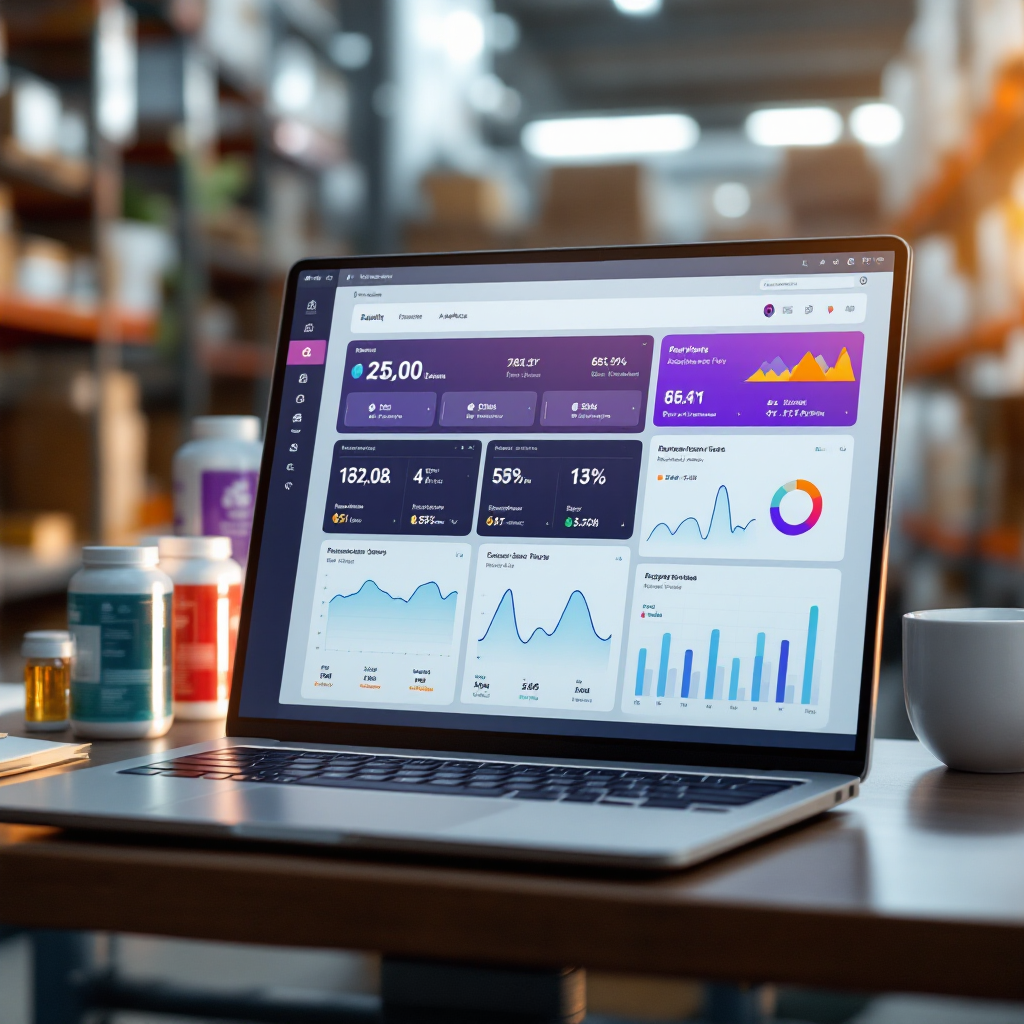
Use AI tools to create a measurable email automation stack for life sciences. The stack combines connectors, analytics and orchestration. It integrates with ERP, TMS and CRM for a complete picture. Real-time dashboards show response times, open rates and compliance incidents. That lets teams prioritise high-risk messages and improve service and support.
Define KPIs early. Common kpis include average reply time, percentage of automated replies, conversion rate on email campaigns and number of compliance incidents. Monitor these metrics during a 90-day pilot. A short pilot shows whether automation reduces manual tasks and whether teams gain the expected efficiency. For a suggested rollout plan, read our proposed 90-day pilot plan and KPI template.
Automation can slash manual data entry and speed up workflows. Many AI approaches reduce admin workload and provide actionable insights from email threads. For example, sentiment analysis flags frustrated customers so humans can step in. Omnichannel routing ensures consistent messaging across email, phone and chat. This helps when launching new pharmaceutical products or when running clinical trials that require coordinated communications.
Vendor selection matters. Choose a partner that integrates email, respects data residency and offers enterprise-grade security. Look for features such as email triage, template management, and the ability to log updates back to customer relationship management. Also, ensure the tool supports audit logs and preserves context across multiple channels.
Measure ROI. Track reduction in handling time, improvement in sales performance and improvement in sales interactions. Use a mix of qualitative feedback and quantitative KPIs. Finally, start with a focused use case. Then scale the automation once the team proves compliance and accuracy. With the right metrics and controls, you can use AI to streamline the inbox, run better email marketing, and provide a data-driven foundation for growth.
FAQ
What is an AI email assistant and how does it help pharma distribution?
An AI email assistant is software that reads inbound messages, drafts replies and can update back-end systems. It helps pharma distribution by automating routine confirmations, routing exceptions and reducing manual tasks so teams can focus on exceptions.
How can I integrate an AI assistant with existing CRM systems?
Integration typically uses APIs, mapped fields and permission models to sync customer data and order status. This lets the assistant update a customer record automatically and log actions for audit and follow-up.
What compliance safeguards are needed when using AI in pharma emails?
Safeguards include encryption, audit logs, consent capture and role-based access. Additionally, maintain approved templates and human review thresholds for controlled medical information to comply with regulatory requirements.
Can generative AI be trusted to draft clinical replies?
Generative AI can draft responses, but it must cite sources and include human review for clinical or high-risk content. Teams should use approved phrasing and maintain an escalation path to clinicians when needed.
How do AI email assistants affect sales reps and the sales process?
Assistants reduce admin and improve follow-up speed, which frees sales reps to focus on high-value interactions. This can lead to measurable improvement in sales and better sales performance when paired with accurate CRM logging.
What metrics should we monitor in a pilot for email automation?
Key metrics include reply time, automation rate, conversion from email campaigns and compliance incidents. These KPIs help measure efficiency gains and ensure controls work before scaling.
Do AI solutions work for HCP outreach and sample requests?
Yes. They use templates and personalization to create compliant, tailored messages for HCPs and can check inventory before confirming sample shipments. Human oversight remains important for clinical queries.
How do vendors handle data privacy and GDPR?
Vendors implement data minimisation, lawful processing bases, encryption and deletion policies to meet GDPR. When PHI is involved, they may sign BAAs and provide options for on-prem or regional data hosting.
What is the best way to start using AI for email in a pharma setting?
Start with a narrow use case like order confirmations or shipment notifications. Then run a 90-day pilot to measure kpis and validate compliance. Expand once accuracy and governance are proven.
How does virtualworkforce.ai support ops teams with email automation?
virtualworkforce.ai offers no-code AI email agents that ground replies in ERP, TMS and email memory to cut handling time and maintain consistent tone. The platform emphasises fast rollout, role-based control and audit logs to match the needs of ops teams.
Drowning in emails?
Here’s your way out
Save hours every day as AI Agents label and draft emails directly in Outlook or Gmail, giving your team more time to focus on high-value work.