


How a real estate agent uses a virtual assistant to win time and leads
Real estate agents face a relentless stream of messages, showing requests, and paperwork. Every day brings dozens of new inquiry messages and updates to listings. This volume creates a time drain. It eats into valuable time that could be spent meeting clients or closing deals. Email remains a top channel. In fact, the industry averages a 37.18% open rate for targeted property emails, which shows that email works when handled well 37.18% open rate for real estate.
An AI virtual assistant can triage new messages and reply instantly. It can sort by intent, tag hot leads, and prepare appointment options. As a result, agents respond faster. Case studies show response times falling by roughly 50% and conversions rising by up to 30% after automation. The agent avoids repetitive admin tasks and spends more minutes with buyers and sellers. For brokers and a solo agent alike, the payoff is clear: save hours every week and reclaim valuable time for showings and negotiations.
Practical use looks like this. The assistant flags a high-intent inquiry right away. Then it proposes a viewing window and pulls property photos and listing details. Next, it drafts a concise reply for agent approval. The UX reduces back-and-forth. It also helps agents focus on closing deals and deep client conversations. For teams, it keeps everyone aligned. The virtual assistant can handle follow-ups, reminders, and nurture sequences so your CRM stays current.
Agents who adopt a real estate virtual assistant report smoother pipelines. They report fewer missed leads. They also keep a consistent tone across every email. If you want to see how operations teams move from email bottleneck to fast replies, virtualworkforce.ai shows how end-to-end email automation shortens handling time and increases consistency virtualworkforce.ai email automation. With the right setup, a real estate agent moves from triage to closing with less friction and a higher conversion rate.
How a real estate virtual assistant integrates with your CRM for better lead generation
Integration is the core of efficient lead nurturing. A real estate virtual assistant connects to your real estate crm and creates contacts automatically. It parses incoming messages and maps names, phones, and viewing preferences into CRM fields. Then it applies lead scoring so that hot prospects surface fast. This flow reduces data-entry errors by roughly 40% in real-world deployments, which means fewer missed opportunities and cleaner client data.
Integration often includes automatic contact creation, email parsing, and two-way sync. In practice, the assistant will tag an MLS number from an inquiry and link the message to the right property listings. It can also sync calendar invites and maintain audit trails for compliance and transaction management. To make this reliable, map fields, set trigger rules, and confirm two‑way sync so updates on either side stay aligned. If you need a practical how-to for connecting email automation with Google Workspace, see a hands-on guide that explains setup and governance integrate Google Workspace with virtualworkforce.ai.
Once integrated, the assistant can automate targeted drip sequences for new leads. That supports lead generation while your agents focus on meetings. It also feeds market data and interaction history into scoring models. Brokers who get this right see faster follow-up and a higher chance to close more deals. For larger brokerages, scale is achieved by assigning leads to teams and routing hot prospects to the right agent based on territory and availability. If you want a view of scaling email agents for operations, a case study on scaling with AI agents lays out sequence and measurement best practices how to scale with AI agents.
Finally, security matters. Choose an assistant for real estate that respects security and privacy, supports granular access controls, and keeps a clear audit of who did what. With CRM integration done well, the assistant becomes a reliable partner that helps agents nurture prospects, keep data clean, and move more leads toward signed contracts.

Drowning in emails?
Here’s your way out
Save hours every day as AI Agents label and draft emails directly in Outlook or Gmail, giving your team more time to focus on high-value work.
How a real estate virtual assistant sorts the inbox and aims for inbox zero for agents to focus on selling
Inbox overload steals selling time. A smart assistant for real estate agents cuts that noise. It triages messages, flags priority leads, and groups routine requests. For example, it separates showing requests, documents for transaction coordination, and vendor updates. Then it applies templates for quick replies. Agents see what matters first and can act fast. Many firms report agents spend about 25% less time on email after deployment. That frees time agents to focus on selling.
Start by teaching the assistant common inquiries and expected responses. Use templates for viewing confirmations, showing instructions, and standard property follow-ups. Then add escalation rules so complex or sensitive items go to a human assistant. The assistant can also schedule viewings, send a reminder, and update the MLS record when needed. That keeps property listings and client calendars synchronized. If the goal is inbox zero, the assistant will help you sort, mark, and archive messages so nothing slips through.
When it works well, the assistant maintains your professional voice. It drafts replies that match your tone, and you approve them. This reduces friction while maintaining a human touch. For agents and teams working across time zones, the assistant provides continuity and faster turnaround. It handles routine tasks and boosts productivity, while a human assistant handles negotiation and relationship work. For teams that want more advanced drafting grounded in operational systems, virtualworkforce.ai provides thread-aware email memory and deep data grounding so replies are accurate and traceable deeply grounded email replies.
Practical tips: begin with a small set of templates. Then expand the rule set. Monitor accuracy and adjust tone weekly. Over time you’ll reduce manual triage and maintain inbox zero more often. Agents who clear email quickly win by being first to respond to high-intent buyers or sellers, and that timing often decides whether you get the showing or not.
Turn listings and email marketing into repeatable workflows with virtual assistant services
Listing launches and drip campaigns are repeatable. A virtual assistant services setup can automate new-listing alerts and tailored buyer matches. When a new listing goes live, the assistant pulls photos, highlights, and listing descriptions into a campaign. Then it personalizes messages using client preferences from CRM. The result is consistent, timely outreach that converts at higher rates. In fact, AI-driven email marketing and analytics improve open and response rates by applying data-driven personalization and timing.
Email marketing works best when it’s personal and predictable. Use the assistant to segment lists, personalize subject lines, and run A/B tests. Then let analytics surface winners. Track engagement metrics like opens and clicks, and measure conversion from email to viewing to offer. These metrics tell you what content resonates. They also indicate which audiences respond to price drops and which prefer virtual tours. For deeper examples of ROI from email automation in operations, see this resource that maps time saved to measurable outcomes ROI and time savings.
Apply workflows to nurture funnels. Set a sequence for initial inquiry, follow-up, and closing reminders. The assistant can send a friendly check-in, deliver neighborhood market data, and suggest a next step. This approach helps you maintain a consistent level of service across new client outreach and long-term nurture. Use automation for repetitive sequences, and reserve human judgment for negotiation and closing deals. If you want to add property portal publishing to that system, a combined toolset synchronizes property listings across channels for broader reach.
Keep an eye on two metrics: engagement rate and conversion to viewing or offer. Those numbers reveal whether your campaign delivers qualified traffic. With repeatable workflows and smart email sequencing, teams can scale outreach without losing personalization. This structure lets you stay organized, test creative ideas, and focus your energy where it produces the highest return.
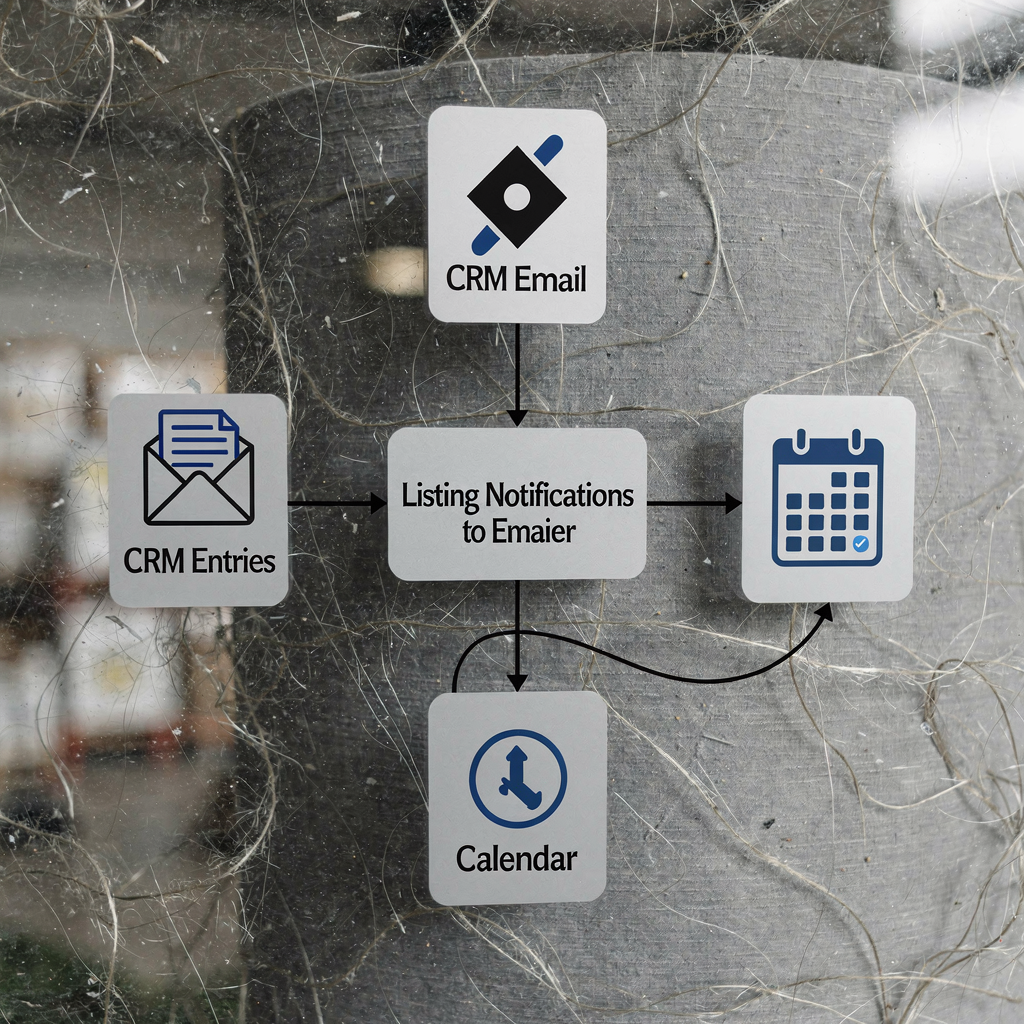
Drowning in emails?
Here’s your way out
Save hours every day as AI Agents label and draft emails directly in Outlook or Gmail, giving your team more time to focus on high-value work.
Scale agents and teams with a real estate virtual assistant and other marketing tools
Scaling means repeatability and predictable workload. A real estate virtual assistant routes leads, assigns tasks, and shares templates so agents and teams operate as one. For single agents, it manages the daily flow. For brokerages, it balances assignments across specialists. You can route hot prospects to top performers, and route document tasks to transaction coordination staff. The net effect is a steadier pipeline and a higher lead-to-client conversion rate.
Combine the assistant with real estate CRM, property portals, and marketing tools. This stack delivers consistent nurture and faster pipeline velocity. For example, a lead captured from a listing portal can trigger a welcome sequence, a viewing invitation, and an agent assignment. The assistant keeps client data updated so follow-up remains timely and relevant. That reduces manual handoffs and lowers the chance of losing a new client.
Teams often use shared templates, shared inboxes, and lead routing rules to maintain a level of service across all listings. A virtual assistant can create tasks for transaction management, send reminders, and keep closing checklists current. It supports transaction coordination and transaction management so nothing stalls before contract signing. For broker-level planning, this system helps predict workload and allocate staff where demand will rise.
Whether you’re a solo agent or staffing a large brokerage, the right mix of tools helps you scale at a fraction of the cost of hiring full-time support. A real estate va or human assistant still adds high-value skills. But virtual assistance reduces repetitive workload and allows your team to focus on relationships and negotiations. That way you support agents to focus on selling, increase capacity, and ultimately close more deals.
Choose and roll out an ai email assistant designed for real estate agents — practical checklist
Choosing an AI email assistant means reviewing compatibility, security, and customization. Start with CRM compatibility. Confirm the assistant supports your real estate crm and maps custom fields. Check data security and privacy. Demand encryption, access controls, and audit logs. Also verify that the assistant handles local language and typical listing descriptions. You should also ask about integrations with MLS feeds and common property portals.
Run a pilot before broad deployment. Pilot with one team and measure average lead response time, conversion lift, CRM data accuracy, and time saved per agent. Track inbox load and new client rate. Measure real estate transactions throughput and monitoring transaction management tasks. Onboarding should include configuring tone, creating escalation paths, and defining rules that map to your local market. Keep an eye on the learning curve and adjust templates frequently.
Here is a short selection checklist: confirm CRM integration, test two‑way sync, review security and privacy settings, build templates for common inquiries, and set escalation rules. Also test how the assistant creates structured data from every email and pushes it back to systems. If you need an end-to-end example of automated email work backed by operational data, explore how virtualworkforce.ai routes and resolves emails with full context so teams can scale without brittle prompts automated correspondence with data grounding.
Finally, define KPIs to measure success. Track average lead response time, conversion rate, time saved per agent, and inbox load. Pay attention to the level of service and market data accuracy. A good rollout yields faster response, fewer errors, and more predictable agent schedules. When the assistant is tuned, agents spend more time on client strategy and less on routine tasks like filing paperwork or scheduling reminders. That means you maintain your professional standards and support agents with tools that help real estate professionals prosper.
FAQ
What is an AI virtual assistant for real estate agents?
An AI virtual assistant is software that automates email and communication tasks for agents. It triages messages, drafts replies, and integrates with CRM to streamline lead follow-up.
How does a virtual assistant integrate with my real estate CRM?
Integration typically means the assistant parses emails, creates or updates contacts, and syncs interaction history. It requires mapping fields, enabling two‑way sync, and testing data flow between systems.
Can an ai email assistant improve response times?
Yes. By triaging and automating initial replies, an assistant can cut reply times dramatically. Faster responses often lead to higher conversion and better client satisfaction.
Will automation replace my human assistant?
No. Automation handles routine tasks and frees a human assistant to focus on negotiation and relationship work. The human assistant then adds strategic value while AI manages repetitive items.
Does the assistant handle MLS and listing updates?
Many systems parse MLS numbers and update property listings in CRM. They can also trigger listing alerts and tailor outreach to buyers or sellers based on preferences.
Is email automation secure for client communications?
Security depends on the vendor. Look for encryption, granular access controls, and audit logs. Also verify security and privacy practices before onboarding the assistant.
How long is the learning curve for agents and staff?
Onboarding time varies, but pilots often show measurable gains within weeks. Expect an initial learning curve while templates and rules are tuned to your market and voice.
Can a virtual assistant help solo agents?
Yes. Whether you’re a solo agent or part of a team, automation can reduce admin and help you focus on client meetings. It is especially valuable where hiring full-time support isn’t practical.
What KPIs should I track after rollout?
Track average lead response time, conversion rate, time saved per agent, inbox load, and new client rate. These metrics show how well the assistant improves real estate tasks and outcomes.
How do I choose the right assistant today?
Choose a solution that integrates with your CRM, respects security and privacy, supports MLS integration, and allows customization for local market language. Pilot the assistant with one team and measure the key performance indicators before scaling.
Drowning in emails?
Here’s your way out
Save hours every day as AI Agents label and draft emails directly in Outlook or Gmail, giving your team more time to focus on high-value work.