


AI and ai-powered reservation — what an AI assistant does for reservation management
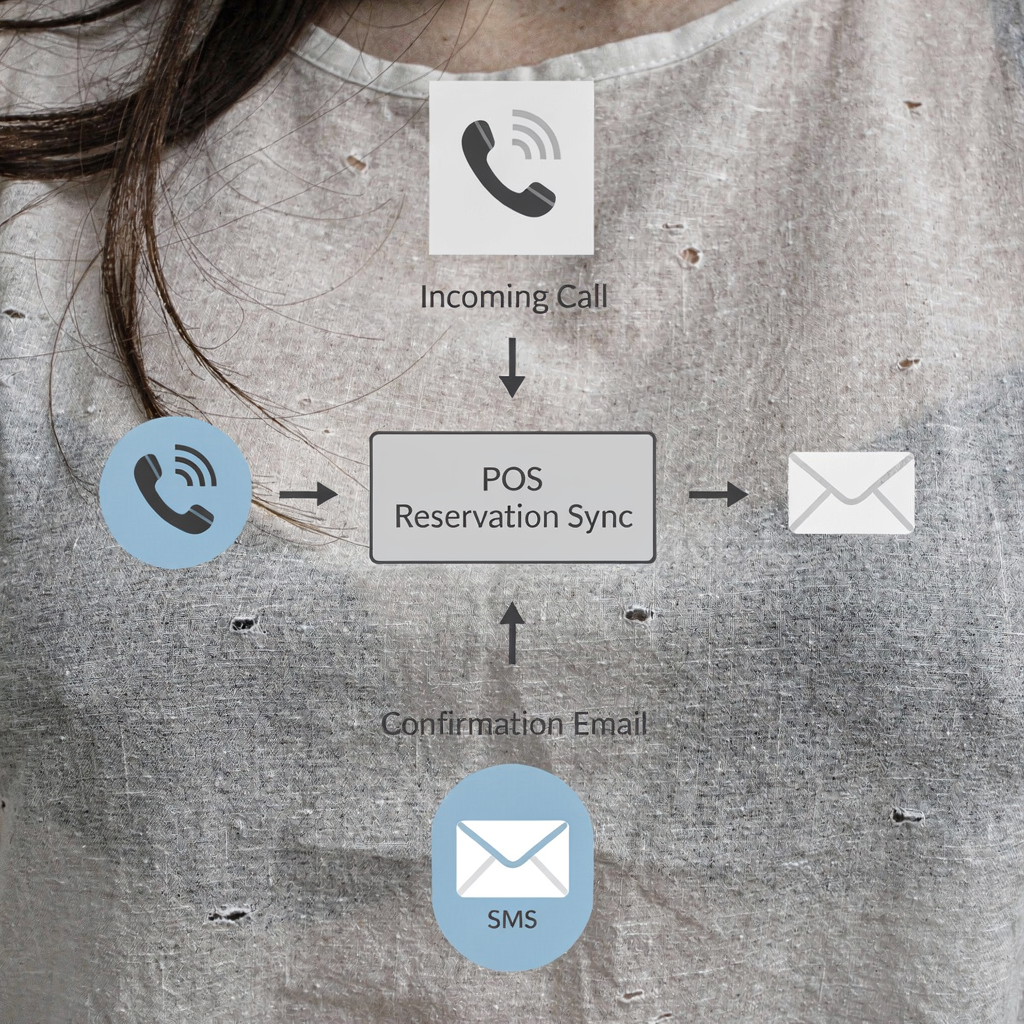
AI is reshaping how restaurants handle bookings and guest messages. First, email remains central. In fact, there are 4.59 billion email users worldwide in 2025, so confirmations and offers arrive by email more than ever. Next, an AI assistant reads incoming messages. Then it checks the restaurant’s calendar and table map. After that, it sends an instant confirmation. This flow—request → AI agent reads calendar → confirmation sent—reduces staff time and errors.
Also, AI-powered tools can automate routine replies. For example, they fill reservation details, attach booking confirmations, and add special notes like dietary preferences or party size. They can also validate email addresses and log customer information for future contact. As a result, the daily workload on reception falls. In short, staff gain time for service.
Integrations matter. A reservation system that shares live slots lets the AI avoid double-bookings. Meanwhile, synced data helps personalise messages. For restaurants and hospitality settings this increases repeat visits. Research shows AI tools reduce manual tasks and speed response times, improving reservation management and guest communication (Appinventiv). If you want to see how virtual agents reduce email workload in ops, check a short case study on how automation scales operations with AI agents here. Schedule a demo to see the short flow in action.
Voice assistant, ai voice and ai voice agent for booking — cut missed calls and improve table bookings
Phone booking still drives a large share of last-minute bookings. First, a voice assistant answers while staff serve diners. Second, an ai voice agent captures date and time, party size and contact number. Then it confirms the slot. This reduces missed calls and lowers stress.
Voice AI now reaches accuracy often above 95%. Case studies report an uplift in captured bookings and fewer missed calls, which raises monthly revenue per location (Restaurant Technology News). For example, on a busy Friday evening the ai phone picks up six simultaneous calls. It holds the simple bookings and passes one complex large-party enquiry to staff. The agent becomes an extra team member during peak times.
Also, voice AI logs calls into the reservation system. It updates the number of guests and flags repeat customers. In practice, restaurants report fewer callback tasks. As a result, guest communication improves and the booking process becomes smoother. For a hands-on look at AI voice ordering and operations, see a practical review of AI voice ordering in restaurants (Hyperlink InfoSystem). If you want to never miss a call, try a short demo of a live voice agent that converts calls into confirmed table bookings.
Drowning in emails?
Here’s your way out
Save hours every day as AI Agents label and draft emails directly in Outlook or Gmail, giving your team more time to focus on high-value work.
Seamless restaurant reservation system — real-time table availability, pos and reservation system and pos and crm integration
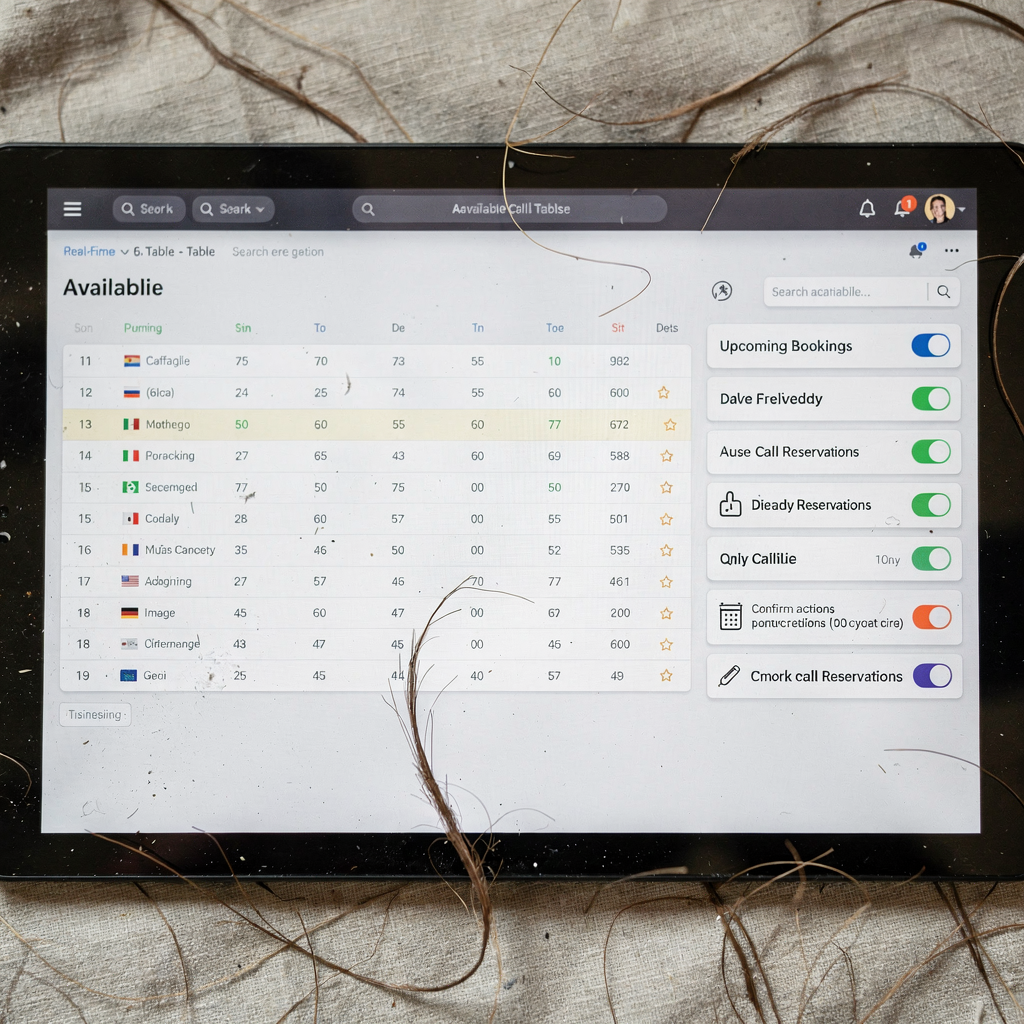
Restaurants need reliable live availability. First, AI syncs with POS and reservation system data. Then it reads table maps, current covers and staff rosters. This gives accurate real-time table availability for walk-ins and online slots. Such syncing helps avoid double-bookings and supports smarter table management.
Required integrations are clear. Connect the reservation system API. Link the POS and CRM so customer history is available. Provide an online ordering feed so orders and covers align. Also connect the review system so the team sees recent feedback. These links let the ai restaurant pull prior visit notes and tailor offers.
Technical staff should expose endpoints, share credentials and define access rules. IT must ensure secure tokens and GDPR-compliant storage for email addresses and reservation details. A tight integration means booking confirmations reflect actual capacity. In addition, a synced POS and CRM helps the AI agent personalise upsells, such as wine pairings or set menus, based on past purchases.
For managers, a seamless, existing restaurant stack reduces errors and improves customer experience. If your team wants a practical integration guide, review a help article on automating logistics emails to see transferable best practices (integration guide). Finally, track real-time table availability, number of guests per booking and missed-call capture rate to prove the value to stakeholders.
Automate confirmation, sms and conversational follow-ups — build customer loyalty with an ai agent
Automated confirmations and reminders cut no-shows. First, send an instant email confirmation at booking. Next, send an SMS reminder 24 hours before service. This two-step approach reduces the risk of empty tables. For upsells, a conversational followup can offer a special menu or event invite.
Also, conversational AI can personalise messages using past orders and dietary preferences. For example, a guest who noted vegetarian choices receives tailored suggestions. This personalization increases customer loyalty and repeat bookings. A/B testing works well here. Run a split test: email-only confirmations versus email plus SMS. Measure conversion from upsell and repeat booking rate.
Recommended metrics include no-show rate, conversion from upsell, repeat booking rate and customer satisfaction. Keep tone templates short and friendly. For instance, use a confirmatory subject line, then a short reminder SMS and a post-visit followup that asks for feedback. Post-visit outreach can drive reviews and inform the CRM for future personalisation.
Security matters. Store only necessary reservation details and log consent. This protects guest data and keeps GDPR auditors happy. To see a real example of how an AI solution drafts and routes messages for ops teams, read how virtualworkforce.ai automates email lifecycles for operations (virtualworkforce.ai case). Finally, offer guests a clear way to update party size or special requests after booking.
Drowning in emails?
Here’s your way out
Save hours every day as AI Agents label and draft emails directly in Outlook or Gmail, giving your team more time to focus on high-value work.
Automate workflow and assistant for restaurants — online ordering, table bookings and reservation management for restaurant owners
Owners want ROI and less busywork. First, an assistant for restaurants automates emails, phone bookings and online ordering into one platform. Then staff focus on service, not triage. This reduces the workload and raises staff morale. Also, time for staff is freed to welcome guests and manage floor service.
Key dashboard KPIs include real-time table availability, bookings per hour, missed-call capture rate and average staff time saved. For managers, these metrics show clear gains. A short ROI example helps. Suppose an average handling time per booking falls by five minutes. Across peak hours, that equates to several hours saved weekly and more covers served.
Rollout readiness checklist: confirm API access, map POS and CRM fields, set tone and routing rules, train staff, and run a pilot. This pilot should run 2–6 weeks and track confirmed bookings uplift and no-shows. If you want to see how ai can also reduce handling time in inboxes, explore our study on scaling operations without hiring (scaling guide).
Finally, food groups and restaurant chains benefit from standardised templates and local customisation. The assistant handles routine replies, and it escalates only when needed. That way, restaurant staff keep control while the system handles repetitive tasks. If you are a restaurant owner ready to grow, schedule a demo and see how the AI agent converts calls and emails into bookings.
Frequently asked questions, free trial and next steps — implementation, privacy and testing an ai-powered booking assistant
This section answers common concerns and sets a clear pilot plan. First, typical pilots run 2–6 weeks. During that time you should see a drop in missed calls and a rise in confirmed bookings. Second, privacy is essential. Store only necessary reservation details and record consent to comply with GDPR and local rules.
FAQ bullets cover the essentials. Data privacy and storage: keep logs minimal and encrypted. Handling complex requests: the AI escalates multi-course or private-event queries to staff. Multilingual support: many solutions offer multiple languages out of the box. Integration time with POS and reservation system varies, but a basic API link often takes days, not months. Costs and free trial terms differ by vendor; ask for a tailored free trial and a clear success metric list.
Minimal technical requirements: API access to your reservation system, POS sync, and a test email account. Pilot plan: week 1 connect and test, weeks 2–4 run live with staff oversight, weeks 5–6 measure KPIs and iterate. Success signals include reduced no-shows, higher booking confirmations and time saved per week. If you want a free trial or want to schedule a demo, contact sales to see a short pilot that is built for restaurants.
Finally, remember that an ai-powered voice assistant and email agent is a tool to improve customer experience. It reduces the workload on teams and helps restaurant management focus on service. For more on AI in operations and how AI handles repeated email workflows, see an exploration of automated logistics correspondence (automation examples). If you are ready, start a free trial and watch confirmed bookings rise.
FAQ
What is an AI-powered booking assistant?
An AI-powered booking assistant is software that automates reservations and guest communication. It handles emails, phone calls and online bookings so staff can focus on in-person service.
How long does implementation take?
Implementation varies, but a basic pilot often runs 2–6 weeks. It depends on API access and the complexity of your POS and reservation system.
Is guest data safe and GDPR compliant?
Yes, when configured correctly. Store only necessary reservation details, log consent and use encryption for storage and transfer to meet GDPR rules.
Can the AI handle complex bookings like private events?
Simple private-event enquiries can be captured, but the system will escalate detailed requests to staff. This hybrid approach keeps control while saving time.
Does this work with my existing POS and CRM?
Most solutions integrate with common POS and CRM systems via APIs. You should provide access and mapping for customer information and order data.
What channels does the assistant support?
Assistants typically support email, phone (voice AI), SMS and online booking widgets. They can also feed into a single workflow dashboard for staff.
Will it reduce no-shows?
Yes. Automated confirmations and SMS reminders measurably reduce no-shows. Followups and clear cancellation links also help improve attendance.
Can it personalise offers for guests?
Yes. When linked to a CRM or POS, the AI can use past orders and preferences to tailor suggestions and drive repeat bookings.
What metrics should I track in a pilot?
Track confirmed bookings uplift, missed-call capture rate, no-show rate, repeat bookings and time saved per week. These show ROI quickly.
How do I start a free trial or pilot?
Contact a vendor, request a short pilot and ask for a schedule a demo. A pilot should include clear KPIs and a simple integration checklist to prove value.
Drowning in emails?
Here’s your way out
Save hours every day as AI Agents label and draft emails directly in Outlook or Gmail, giving your team more time to focus on high-value work.