


AI email assistant and inbox management — why supermarkets need an AI email assistant and better inbox management
Supermarkets face high volumes of customer messages every day, and an AI email assistant can cut handling time and reduce errors. First, calls and receipts create hundreds of incoming messages. Next, staff must check POS, loyalty systems, and inventory before replying. That makes manual email work slow and fragile. An AI email assistant acts as a virtual assistant to draft replies, fetch order status, and route threads. It also supports inbox management at scale so teams can focus on customer needs. For proof, personalised email campaigns can lift click-through rates by up to 14% and conversion by about 10% compared with non-personal messages, according to recent ecommerce stats. Also, email marketing returns an average ROI of roughly US$42 for every dollar spent, which drives the business case for smarter tools like an AI email assistant (Convertcart).
An email AI assistant reduces repetitive tasks. For example, a welcome series can run automatically, with loyalty-tag segmentation and targeted discounts for different cohorts. Teams can measure progress against clear goals: open rate, CTR, conversion, and cost per acquisition. That helps evaluate benefits of AI versus traditional manual email. An AI agent can also tag threads, link to ERP records, and update order management systems so every email looks accurate in the first reply. virtualworkforce.ai builds no-code agents that ground replies in ERP/TMS/WMS data and email memory, which makes every response consistent and reduces rework for ops teams.
To manage risk, set frequency caps and clear opt-outs. Then monitor unsubscribes and inbox deliverability. Keep subject lines tight, and use short sentences in replies so customers read them fast. The use of AI here is practical. It addresses manual email pain, reduces handling time, and raises customer satisfaction by returning useful, accurate information fast. Finally, if you want logistics-focused examples of how AI drafts operational messages, see our page on virtual assistant logistics.

How an assistant can automate email management and follow-up emails
An AI assistant can automate core email flows and follow-up emails so staff do not repeat the same work for each message. Start with segmentation. The assistant tags customers by loyalty tier, purchase frequency, and basket size. Then it runs send-time optimisation to hit the inbox when a shopper is most likely to open. It triggers follow-up emails after abandoned baskets, click-throughs, or delivery exceptions. These real triggers boost conversion because they reach customers at the right moment and with the right offer.
Automation reduces manual workload and speeds up responses. For example, a transactional template can confirm a click & collect order, show an estimated pick-up window, and include personalised product recommendations. Meanwhile, a re-engagement series targets lapsed shoppers with a curated coupon and a short survey. Track metrics such as response time, unsubscribes, and revenue per email. Measure automation impact by comparing cohorts over a 6–8 week pilot. Use A/B tests to refine subject lines and call-to-action copy.
An email ai assistant can also manage incoming email triage for ops teams. It classifies messages, drafts replies, and suggests escalation when a human sign-off is required. That reduces time spent hunting in disparate systems. A no-code ai setup lets business users control behavior and guardrails without heavy IT work. If your ops group wants to automate logistics messages with Google Workspace, check our guide on automate logistics emails with Google Workspace.
Make templates modular so the assistant can insert personalised lines. For transactional mail, include item details and in-store aisle location when available. For promotions, include expiry and a single clear CTA. Keep follow-up emails short and action-focused. In testing, real-time triggers such as abandoned baskets typically lift conversion, and they reduce friction in the shopping journey. Finally, log every automated send so you can audit content and training data for the agentic controls you need.
Drowning in emails?
Here’s your way out
Save hours every day as AI Agents label and draft emails directly in Outlook or Gmail, giving your team more time to focus on high-value work.
AI shopping assistant and shopping assistant features: meal-plan to shopping list
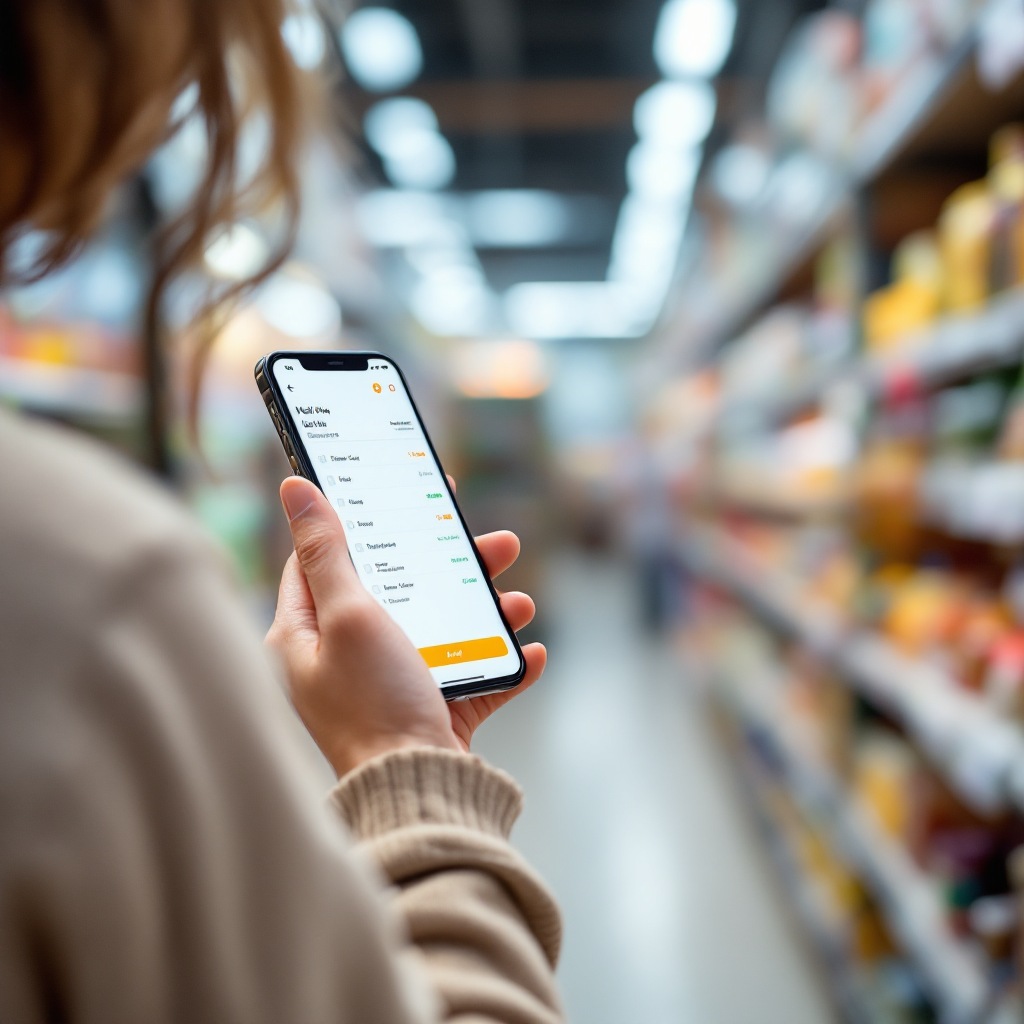
An AI shopping assistant extends email into the shopper’s grocery list and weekly planning. For busy customers, a meal plan and shopping list that arrive via email save time and reduce waste. The flow is simple. A customer opens a recipe email. Then the assistant builds a grocery list, de-duplicates overlapping ingredients, and maps items to the store layout. This shopping list with de-duplicated ingredients reduces waste and lowers decision friction. A shopper can then add the full list to their online trolley with one click. That discovery to purchase path shortens the funnel and often increases basket size.
AI-powered shopping assistant features can include in-store aisle mapping, scaled ingredient consolidation, and suggested substitutes when items are out of stock. An agentic ai shopping assistant idea is to offer a mobile app option that syncs the list with click & collect or scan-as-you-shop tools. The assistant use the next upcoming delivery window to schedule pick-up and to apply loyalty discounts. Weekly meal plan and shopping emails also drive repeat visits because they provide value beyond coupons. They teach shoppers how to plan meals and reduce waste.
For integration with retail systems, connect the assistant to inventory, loyalty, and order management. That ensures an accurate basket and fewer disappointed customers. Some chains have trialled smart carts and AI experiments to reduce checkout friction, and supermarkets can learn from those pilots. The shopper journey benefits when AI links recipe-to-basket, and when the assistant can suggest alternative brands to preserve basket value. If you want examples for logistics and order-contexted replies, see our discussion on ERP email automation for logistics, which highlights integrating backend data into customer-facing messages.
Emails with AI, AI-powered and conversational automation for personalised sales emails
Emails with AI improve sales emails by making them relevant, timely, and trustful. Use AI to generate personalised subject lines and product recommendations. Then use a conversational tone in body copy to increase engagement. Conversational copy feels like a human touch, and it encourages click behaviour. Combine recommendation models with simple dynamic templates so every message feels custom. For instance, an ai sales email that references recent purchases and suggests complementary items will convert higher than a generic blast.
Use generative AI models to draft variants, then validate them with real open and click data. Run controlled A/B tests for subject lines, images, and CTAs. Machine learning can prioritise the variants that perform best for particular cohorts. Salesforce describes how conversational AI breaks data silos and enhances CRM responses, saying that their approach “breaks down silos between applications and data, enabling a seamless, intelligent customer engagement experience” (Salesforce). That type of integration matters when sales emails reference loyalty points, promos, or delivery ETAs.
An email ai assistant and an email ai assistant workflow should also handle cold email outreach to potential business partners or suppliers, but keep regulatory guidance and opt-in rules in mind. Use an ai-powered recommendation engine for cross-sell opportunities and set frequency caps to avoid fatigue. Track revenue per email and customer satisfaction as primary KPIs. For retailers that need logistics-aware email drafting, our resource on logistics email drafting AI explains how to ground content in backend data to avoid errors. Finally, ensure the assistant can escalate to a human when requests require judgment, and maintain a clear audit trail for compliance.
Drowning in emails?
Here’s your way out
Save hours every day as AI Agents label and draft emails directly in Outlook or Gmail, giving your team more time to focus on high-value work.
Integration, real-time data and the Albertsons AI shopping assistant example
Integration is critical for any AI solution in supermarkets. Connect the assistant to POS, loyalty, inventory, CRM, and order management to keep messages accurate and useful. Real-time inventory checks prevent offers for out-of-stock items, and real-time pricing keeps promotions trustworthy. When data flows work, the assistant can apply the right coupon, show in-store aisle location, and schedule a pickup window without human intervention. These capabilities reduce friction and improve customer satisfaction.
Albertsons has run trials with smart carts and AI experiments to test in-store assistance and checkout efficiency. Use the Albertsons AI shopping assistant idea as a reference for digital customer experience for Albertsons while planning your own pilots. For technical architecture, build API endpoints between the AI model, loyalty service, and inventory systems. Then include fallback rules so the assistant can escalate when data is missing. Privacy and consent must remain top priorities; collect only necessary customer data and keep opt-outs visible.
From a governance perspective, deploy agentic controls to limit sensitive actions. You may use an ai agent for drafting and an ai note-taker to capture context during complex order queries. For operational teams, add role-based access and audit logs so every automated action is traceable. Also consider voice integration for in-store help and mobile app tie-ins for one-tap adds from meal plans. If you want to surface logistics-specific automation in customer emails, our page on how to improve logistics customer service with AI provides practical steps for connecting operational data to customer messaging.
Benefits of AI, metrics to monitor and how to use AI tools
The benefits of AI are measurable and multi-fold. You can expect higher open and click rates, better customer retention, and larger baskets. AI reduces manual email time and lowers error rates in order responses. Teams that deploy AI-assisted email drafting often report faster replies and fewer escalations. For marketing, the gains show up as higher revenue per email and improved repeat purchase rates. Therefore, set clear success thresholds before scaling.
Track these KPIs: revenue per email, repeat purchase rate, inbox deliverability, time-to-fulfilment, and conversion after a meal plan email. Also monitor customer satisfaction and unsubscribes. Start with a pilot cohort, run the pilot for 6–8 weeks, and iterate quickly. Use a no-code AI approach when possible so business users can tune templates and escalation paths without constant IT support. virtualworkforce.ai’s no-code setup is one example of a practical path for ops teams that need to manage email and to cut handling time.
Choose AI tools carefully. An ai tool for subject-line optimisation, a recommendation engine for product ideas, and an ai-powered assistant for inbox routing work well together. Leverage generative AI for drafts and machine learning for scoring variants. Use an ask ai tool for internal agents to fetch order history, and provide an option to ask AI in the agent UI for edge cases. Finally, set budget optimization rules and a clear rollout plan: pilot, measure, and scale when KPIs meet targets. These steps help you turn every email into a reliable touchpoint on the customer journey and to improve the overall shopping experience.
FAQ
What is an AI email assistant for supermarkets?
An AI email assistant drafts replies, routes messages, and links responses to backend systems like ERP or loyalty platforms. It speeds up responses and reduces manual email work by providing context-aware templates and data-driven content.
How does an AI shopping assistant build a meal plan and shopping list?
The assistant analyses recipes and purchase history, then creates a meal plan and a grocery list with de-duplicated ingredients. It can map items to aisles and push the list to a mobile app or online basket for one-click add-to-cart convenience.
Can AI handle follow-up emails for abandoned baskets?
Yes. The assistant can trigger follow-up emails after an abandoned basket event and include personalised offers to recover the sale. These real-time nudges often increase conversion and reduce cart abandonment.
How do I measure the benefits of AI in email campaigns?
Track open rates, CTR, revenue per email, repeat purchase rate, and unsubscribe rates. Also measure operational KPIs such as average handling time for customer inquiries and time-to-fulfilment.
Is integration with inventory and loyalty systems necessary?
Yes. Integration ensures offers reflect stock and loyalty benefits. Real-time inventory checks and loyalty data prevent sending misleading promotions and improve customer satisfaction.
What is agentic AI and how does it apply to supermarkets?
Agentic AI refers to AI agents that act autonomously within defined guardrails, such as drafting replies or updating order status. In supermarkets, it can automate routine email tasks while escalating exceptions to humans.
Can I use a no-code AI platform for email automation?
Yes. No-code AI platforms let business users configure templates, tone, and escalation without deep engineering. They speed pilots and reduce IT bottlenecks during rollout.
How do you prevent customers from receiving too many promotional emails?
Apply frequency caps and respect opt-outs, and segment audiences by engagement. Monitor unsubscribe rates and adjust cadence using A/B tests to find the right balance.
What role does generative AI play in producing email content?
Generative AI drafts personalised copy and subject lines at scale, then teams review and approve variants. Machine learning then optimises what performs best for each cohort.
How should a supermarket start a pilot for an AI email assistant?
Start with a small cohort and a limited set of email flows, such as welcome series and abandoned basket follow-ups. Run the pilot for 6–8 weeks, measure the key KPIs, iterate, and then scale when thresholds are met.
Drowning in emails?
Here’s your way out
Save hours every day as AI Agents label and draft emails directly in Outlook or Gmail, giving your team more time to focus on high-value work.