


textile, ai-powered email assistant: what it is and why textile companies need one
An ai-powered email assistant is an automated helper that reads incoming messages, classifies intent, and drafts replies tied to operational data. For textile teams this means fast handling of order enquiries, sample requests, shipping confirmation and supplier confirmations. A well-trained ai assistant reduces manual triage and helps both client and internal threads stay consistent so teams can focus on high-value work instead of repetitive typing.
Textile firms that add these assistants report big gains. Some adopters note response-time cuts of roughly 30–60% and operational efficiency gains near 60% after AI communication tools go live, which mirrors sector studies on AI adoption in textiles and contact workflows showing improved efficiency. At the same time the wider market projects steady growth in textile manufacturing as companies invest in digital tools, and AI plays a clear role in that shift with a forecast through 2026.
Use cases are simple. An order enquiry arrives. The assistant reads the message, pulls order history from ERP, suggests stock and shipment options, and drafts a reply. A buyer asks for a free sample. The assistant pulls the right catalog, queues a packing slip and drafts a polite offer. These flows streamline email handling across sales, operations and suppliers.
If you want hands-on examples, our team documents how AI agents work for logistics and operations. Read more about end-to-end assistants that handle ops emails at virtualworkforce.ai’s logistics assistant page. That page explains how automation moves emails from inbox to action, and how to keep control and traceability.
automate, automation and automated process: core features and key features that save time
Automate routine email work to free staff for strategy. An automated process chain typically starts with inbox triage, then runs template replies, schedules followups, updates records and closes threads when done. Key features that save time include intent classification, workflow routing, scheduled follow-ups and data field mapping. Together these key features reduce task time and cut errors.
- Inbox triage: AI scans subject and body, tags urgency and intent, and routes to the right owner.
- Template replies and personalization: The system drafts messages using product and order data so replies stay accurate and fast.
- Scheduling and followup automation: Set rules to send reminders and chase overdue sample approvals without manual steps.
- CRM and ERP mapping: Map data fields such as company, job title and last contact to keep records current.
- Free sample handling: Automate stock checks, packing instructions and shipment labels for sample workflows.
Metrics matter. Studies in the sector show automation reduces handling time per message and reduces avoidable errors. For example, teams often see average handling time drop from minutes to about one to two minutes per email. Automation reduces repetitive lookups and improves overall accuracy rate by cutting manual copy-paste mistakes.
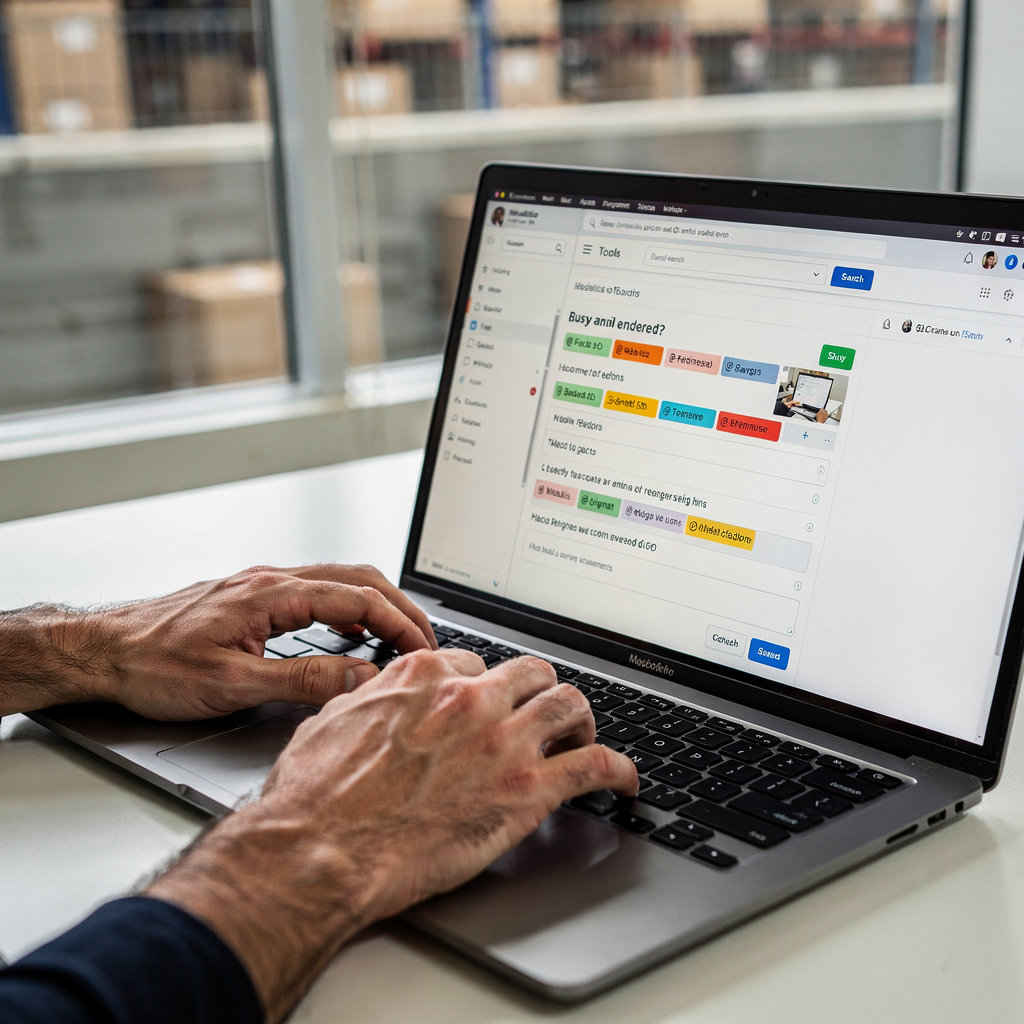
Drowning in emails?
Here’s your way out
Save hours every day as AI Agents label and draft emails directly in Outlook or Gmail, giving your team more time to focus on high-value work.
textile industry email list, textile manufacturing industry email list and email database: reach the right decision-maker
A quality textile industry email list helps you reach the right people fast. Use a textile manufacturing industry email list or an email database to filter by geography, product line and role. For B2B outreach, segment by job title so messages go to purchasing managers, c-level buyers or wholesalers as appropriate. Always test list quality before a full send.
Actionable steps:
- Ask for a free sample of the list to check email addresses, fields and freshness. Confirm the vendor offers a free plan or sample export to test deliverability.
- Verify GDPR and regional compliance. Keep consent records and opt-out methods visible in every message.
- Filter by target audience and use reach the right contact rules: exclude role types that don’t match your offer and focus on decision-maker contacts such as purchasing heads or c-level executives.
- Check data fields like company, job title, product interest and location. Request regular refreshes to keep lists up-to-date and to reduce bounces.
- Test a small marketing campaign before scaling. Track open and reply rates, then expand to potential clients that show interest.
Providers vary. Look for vendors that include verification, bounce checks and list offers such as segmented exports. If you plan to import lists, ask how to list into your crm and whether the provider supports common formats and dedupe rules. For CRM integration tips specific to operations and ERP-connected workflows, read about ERP-linked email automation here.
email assistant, ai agents and ai automation: deploy, use cases and workflow examples for b2b outreach
There are clear use cases for an email assistant in B2B textile outreach. Use cases include lead nurture, sample requests, order confirmation threads, supplier coordination and trade-show follow-up. Each use case needs different rules: lead nurture needs timed sequences, while supplier coordination needs data grounding in ERP and packing lists.
Deployment steps:
- Map your workflows. Identify the common queries, the escalation points and the data sources your assistant must access.
- Integrate the assistant with CRM and ERP so replies reference accurate inventory, shipment and pricing data. Configure business rules to escalate complex cases to humans.
- Run pilots on small segments, A/B test subject lines, and tune reply tone for multilingual audiences if needed.
- Deploy gradually: start with non-critical threads such as newsletter replies and sample confirmations, then move to order confirmations when accuracy is proven.
Technical notes: ensure compatibility with your systems and test API connections. Choose an ai model that allows you to ground replies in real documents and to offer suggestions that boost sales without inventing facts. Train templates so the assistant can suggest upsells and configure fallback wording when it cannot confirm data.
For teams that want a practical guide to scale ai agents in operations, see our deployment playbook and case studies on how to scale logistics operations with AI agents here. That resource shows how to keep human oversight while the bot handles routine threads and helps sales teams focus on warm leads.
Drowning in emails?
Here’s your way out
Save hours every day as AI Agents label and draft emails directly in Outlook or Gmail, giving your team more time to focus on high-value work.
crm, email management and followup: syncing contacts, segment and update records automatically
Syncing email threads with CRM eliminates repeated lookups. When an assistant reads an email, it can extract company, job title, lead source and last contact. The system then updates CRM records, tags the contact by product interest, and moves the opportunity through stages automatically. This creates a clear workflow from initial outreach to order confirmation and shipment.
Data plan and rules:
- Map data fields: company name, contact name, job title, lead source, product line, last contact and next action. Keep this mapping consistent to avoid duplicate records.
- Set dedupe and merge rules to prevent creating multiple contacts from one email address. Use email addresses and company domain to match records.
- Capture new data from replies and update fields in real time. Push structured records back into ERP or CRM via API so inventory levels and raw material availability reflect current status.
- Track KPIs: response rate, conversion rate and time-to-confirmation to measure ROI.
Sample outreach sequence (free sample outreach):
- Initial message: brief offer, clear CTA and link to product specs.
- Followup 1: gentle reminder and sample logistics options (3–5 days).
- Followup 2: last chance and request for confirmation (7–10 days).
- Close or nurture: move to a nurturing sequence if no reply or mark as interested if they request samples.
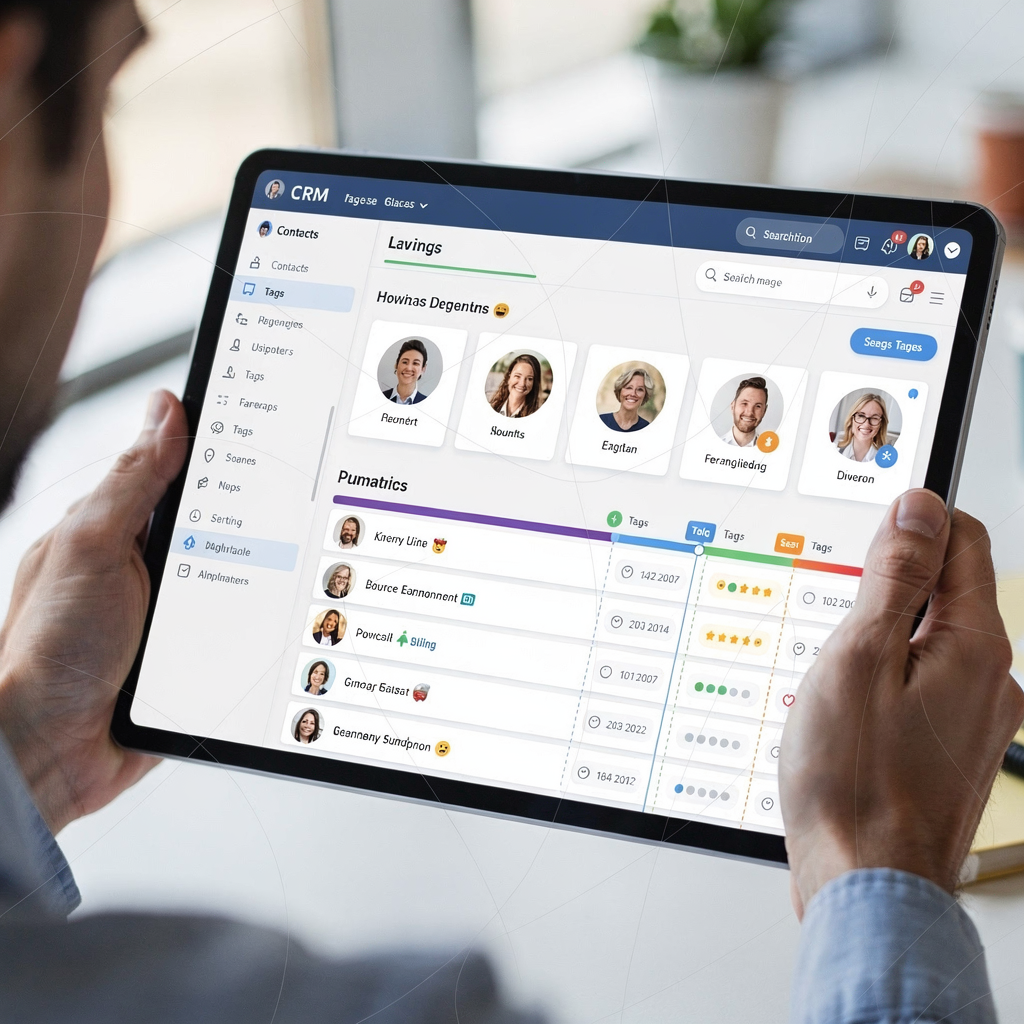
To connect email accounts and keep thread context in shared inboxes, test each route and monitor for errors. For hands-on examples of automating operational emails and preserving thread-aware memory, see our guide to automated logistics correspondence here.
frequently asked questions, faq and best practices: security, accuracy, integration and buying a textile industry email list
This section answers common procurement and security questions and lists best practices for buying a textile industry email list. It also covers accuracy concerns, system compatibility and consent management. Use these points as a purchasing checklist.
FAQ highlights and best practices:
- Security and data sources: Verify how vendors secure data and which data sources feed the assistant. Ensure the solution supports access controls and audit logs so only authorized systems can read sensitive records; ask for encryption details.
- Accuracy and bias: Test accuracy rate using a dataset of past emails. Check how the assistant handles multilingual threads and how it marks uncertain replies for human review.
- Integration with ERP and CRM: Confirm api support and compatibility with your ERP. Test a small sync before full roll-out and require traceable confirmation for changes that affect orders or inventory levels.
- Buying lists: When you buy a mailing list or textile industry email list, ask for a free sample and verify delivery rates. Check opt-in status, up-to-date fields and list offers such as segmented exports tailored to your target audience.
- Operational best practices: Always keep human oversight for high-value replies, maintain consent records, and iterate templates based on real replies and query patterns.
Decision criteria for procurement:
- Quality of leads and proof of deliverability.
- CRM compatibility and ease to list into your crm.
- Support for segmentation and API access for real-time updates.
- Clear SLAs, security posture and post-sale support from the solutions company.
If you want a vendor that focuses on operational accuracy and traceability, virtualworkforce.ai offers end-to-end email automation built for ops teams and includes zero-code configuration so business teams can configure rules without prompt engineering. That approach helps teams reduce handling time while keeping control and audit trails.
FAQ
What is an ai-powered email assistant and how does it help textile teams?
An ai-powered assistant reads incoming emails, classifies intent and drafts or sends replies based on business rules. It helps textile teams by reducing manual triage and speeding up responses to orders, samples and supplier questions.
How accurate are automated replies from these systems?
Accuracy varies by training and grounding data, but most systems improve over time as they see more examples. You should run a pilot and monitor the accuracy rate, flagging uncertain replies for human review until the model stabilizes.
Can these assistants integrate with our ERP and CRM?
Yes, many solutions connect via API to push structured data into ERP and CRM systems. Confirm compatibility with your systems and test a small integration before rolling out to all email accounts.
Are there privacy or security risks when using AI for email?
There are risks if access controls and encryption are not enforced. Demand vendor audit logs, role-based access and clear data retention policies to reduce exposure.
How should we test a purchased textile industry email list?
Always request a free sample to check email addresses and data fields. Run a small marketing campaign to measure open, bounce and reply rates before scaling.
What use cases work best for an email assistant in a textile business?
Best use cases include sample requests, order confirmations, supplier coordination and trade-show follow-ups. Start with low-risk threads and expand as confidence grows.
Will an assistant handle multilingual emails?
Some solutions support multilingual workflows and can detect language automatically. Verify language coverage during trials and set fallback rules for languages the system handles less well.
How do we keep human oversight while automating?
Configure escalation rules so the bot escalates complex or high-value queries to humans with context attached. Maintain periodic reviews of bot decisions and adjust templates as needed.
What should we look for in a vendor or solutions company?
Look for strong security, clear API support, good deliverability proof and post-sale support. Also check that the vendor offers zero-code configuration so business teams can configure rules and tone.
How do we measure ROI from an email assistant?
Track reduced handling time, improved response rates and conversion lifts from campaigns. Combine those metrics with time saved on repetitive tasks to quantify ROI and decide on expansion.
Drowning in emails?
Here’s your way out
Save hours every day as AI Agents label and draft emails directly in Outlook or Gmail, giving your team more time to focus on high-value work.