


customer + customer service + email — Why an EMAIL assistant matters for the waste management sector
First, also, next, many waste management teams face high volumes of routine messages every day. For example, queries about pickup times, bin sizes, billing errors and recycling rules flood shared inboxes. Also, response times lag and staff become stuck triaging. Next, this slows operations and frustrates the customer. So, an EMAIL assistant can reduce that pressure by handling routine threads and routing complex matters to agents. Therefore, firms can free skilled staff to focus on exceptions and planning.
First, data supports the case. A 2023 survey found about 56% of firms across industries have adopted AI-driven communication tools, including email assistants, to improve customer engagement and operational efficiency 56% adoption (2023 survey). Also, adopters report roughly 30% faster response times and a 25% boost in satisfaction, according to industry reports on digital transformation in environmental services 30% faster response, 25% higher satisfaction. Next, automation also cuts admin costs by about 20% in some studies 20% lower costs. These figures make it clear that starting small will likely pay back quickly.
First, practical features matter. Also, 24/7 auto-replies reduce backlog. Next, triage rules assign urgent requests to the right teams. So, confirmations, follow-ups and basic billing clarifications dispatch automatically. Therefore, the customer gets timely answers while the operations team avoids repetitive work. In addition, companies can establish consistent tone and compliance properties for all outgoing messages.
First, if you want a pilot, start with core customer-facing flows: missed pickup claims, billing queries and recycling queries. Also, use real threads as training data. Next, measure response time and satisfaction. Finally, iterate rules to reduce escalations. For further reading on AI agents that automate the full email lifecycle for logistics and operations, see our overview of AI agents that automate the full email lifecycle. This chapter shows a clear case for a pilot focused on customer-facing email flows.
wm + waste solutions + solution — How automated scheduling and portal integration cut operational work
First, also, automated scheduling reduces manual steps for routine pickups and collections. Next, an EMAIL assistant can offer automatic pickup booking, confirmation emails and calendar invites. Also, portal-triggered messages can push real-time updates when a vehicle is delayed or when a route changes. Therefore, the combined effect is fewer calls and less admin for field teams. In practice, this helps reduce missed collections and repeat work.
First, integration is essential. Also, the assistant must connect to CRM, routing software and customer portals via APIs to deliver live route and account status. Next, that allows the EMAIL assistant to update calendars and notify recipients without manual input. So, a confirmation email can include route window, recycling instructions and a link to the portal for rescheduling. This approach has helped recycling firms cut admin time and improve on-time collections in several case studies and pilot reports EPA best practices.
First, when you integrate, map these systems: ERP, TMS, WMS and the customer portal. Also, set business rules for escalation and exceptions. Next, create templates for automated replies so answers stay consistent. So, your team can automate confirmations, reminders and exception notices while preserving traceability. For technical guidance on automating logistics correspondence and connecting email flows, consult our guide on automated logistics correspondence. This chapter ends with a checklist for integrating an EMAIL assistant with existing WM systems:
First, connect your portal and CRM. Also, enable calendar invites and status callbacks. Next, define escalation paths. Finally, log every action back into the ERP for audit and reporting. 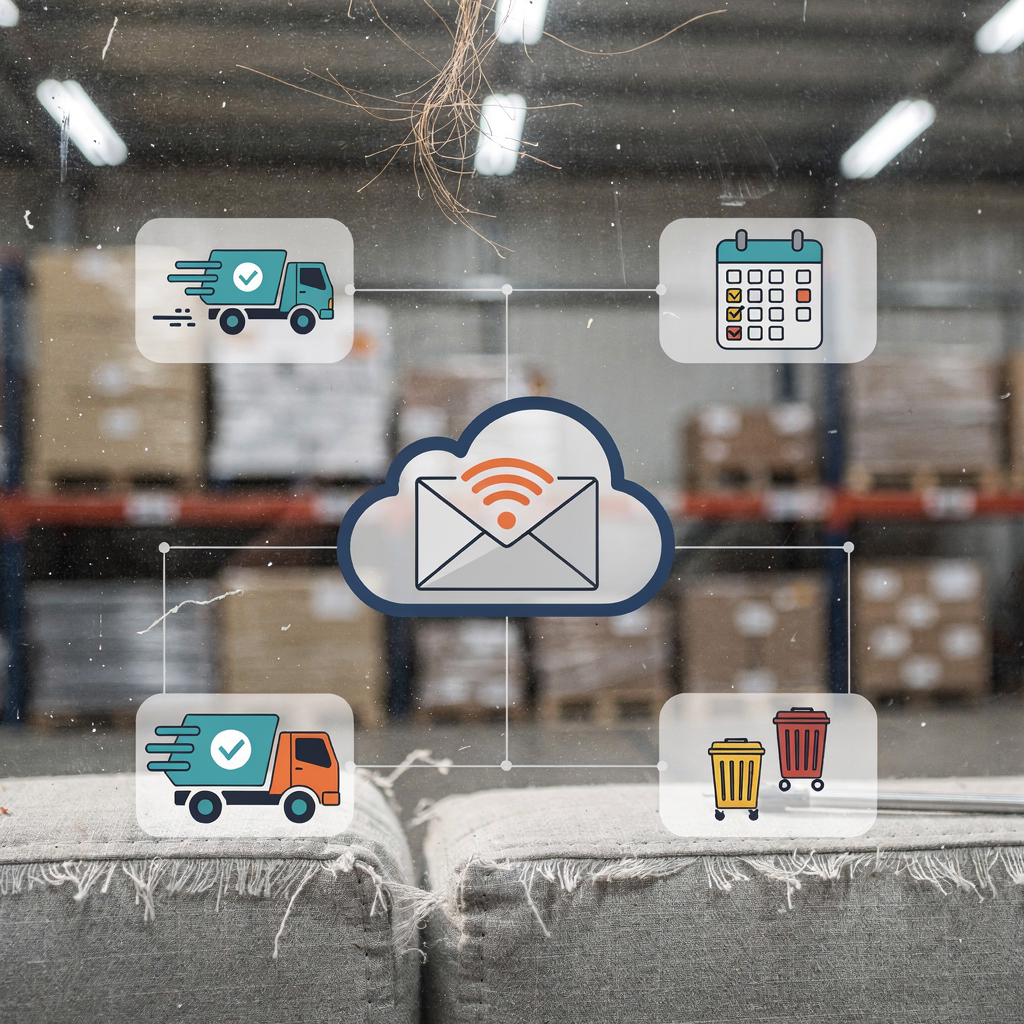
Drowning in emails?
Here’s your way out
Save hours every day as AI Agents label and draft emails directly in Outlook or Gmail, giving your team more time to focus on high-value work.
AI + personalization + recycling + trust — Personalised recycling and billing emails that build TRUST
First, also, personalisation matters for public engagement. Next, tailored recycling tips and account-specific billing notices increase compliance and reduce calls. Also, AI uses NLP to detect intent and choose the right template. So, an EMAIL assistant can personalize messages by route, account history and waste type. This helps customers follow new recycling programs and reduces confusion about what goes to landfill or what needs specialist handling.
First, practical examples: an account with bulky waste needs gets a different sequence than a regular bin pickup. Also, one focused on hazardous waste disposal receives safety steps and operator contacts. Next, AI can insert dynamic content like collection window, service level and disposal instructions. Therefore, messages feel relevant and trustworthy. For guidance on data collection and guidelines for electrical waste, see this study on waste electrical equipment data collection and guidelines.
First, building trust requires consistency. Also, ensure clear opt-outs and accuracy checks for hazardous advice. Next, draft rules that require human review for any message that mentions hazardous waste disposal or regulated disposal steps. So, the EMAIL assistant stays reliable and avoids misinformation. Additionally, you can personalize by cost centre or tenancy for account management and billing clarity. Finally, templates and rules should include tone, legal disclaimers and contact details so every email is compliant and supportive.
First, to personalize correctly, train on real threads and set privacy filters. Also, tailor content to recycling needs and local schedules. Next, enable accuracy checks before delivery. For practical steps on improving recycling communication with AI, review this research on AI in customer relationship management AI in CRM. This chapter provides templates and rules to build personalised, trustworthy email flows.
data-driven + insight + customer service — Measuring impact: metrics and insight to improve CUSTOMER SERVICE
First, also, you must track the right KPIs. Next, useful measures include first response time, resolution time and open or CTR of transactional messages. Also, track reduction in manual handling and cost per ticket. So, you can prove improvements in speed and quality.
First, add dashboards that show trends and recurring topics. Also, let the EMAIL assistant flag frequent issues so operations or policy teams can act. Next, feed structured data back into analytics and ERP systems so leaders get insight into demand patterns. Therefore, teams can spot seasonal spikes, route problems or vendor-related delays.
First, organisations that adopt automation often report lower admin costs and faster handling. Also, a study found a 20% decrease in administrative costs once AI email assistants were in place 20% admin cost reduction. Next, use this data to calculate ROI and to decide where to scale. For a practical ROI discussion specific to logistics and operations, see our review of virtualworkforce.ai ROI for logistics. Also, embed feedback loops so customers can rate replies. Then, use that rating to retrain rules and templates.
First, report cadence matters. Also, weekly ops reviews and monthly executive summaries work well. Next, include a dashboard wireframe showing first response time, escalation rate, cost per ticket and satisfaction. Finally, show how automation helps save money and meets sustainability goals by reducing wasted journeys and improving recycling rates. This chapter ends with a reporting plan to prove ROI.
Drowning in emails?
Here’s your way out
Save hours every day as AI Agents label and draft emails directly in Outlook or Gmail, giving your team more time to focus on high-value work.
email + waste management + waste management sector — Deployment steps, compliance and security
First, also, deploy in phases for safety. Next, begin with a 6-week pilot that focuses on a narrow set of requests, such as missed pickups and simple billing queries. Also, prepare training data and set escalation paths to humans. Then, conduct onboarding sessions for staff and include a vendor security review.
First, compliance is non-negotiable. Also, follow GDPR and local data rules, keep clear audit trails and record communications for regulatory queries. Next, ensure that disposal instructions are traceable and that any message touching hazardous or regulated materials triggers human sign-off. For broader best practices in solid waste operations, see the EPA guide Best Practices for Solid Waste Management. Also, document retention helps with audits and dispute handling.
First, secure the system. Also, apply access control, encryption and vendor assessment. Next, test escalation and rollback procedures. Also, include penetration testing and regular reviews. Then, set a phased field expansion plan and a governance owner. For system integration advice, map how you will integrate the EMAIL assistant with ERP, TMS and WMS so data flows seamlessly. Finally, this chapter includes a 6-week deployment plan and a compliance checklist tailored to the waste management sector. 
insight + trust + WM — Risks, governance and scaling an EMAIL assistant across WM operations
First, also, be clear about risks. Next, wrong automated advice and data leaks are the main hazards. Also, over-automation can harm cases that need a human specialist. Therefore, governance must include human-in-loop rules and regular model reviews.
First, set SLAs for handover to humans. Also, define monitoring and retraining intervals. Next, require checks for any automated reply with legal or health implications, such as hazardous waste disposal. Also, label messages that need specialist handling, for example waste removal or landfill diversion cases. Then, conduct quarterly audits and produce metrics on escalation accuracy.
First, scale in stages. Also, start with customer-facing email flows, then expand to account management, outreach and internal logistics alerts. Next, consider voice and chatbot channels later. Also, one large operator now uses voice AI for extensive user interaction and field coordination at scale. Therefore, plan for scalability and vendor oversight from day one.
First, governance templates should include roles, audit logs and retraining schedules. Also, include risk mitigations for emission-related operations and sustainability efforts. Next, create a roadmap with milestones, phased KPIs and contingency steps. Finally, by establishing strong governance, WM teams can scale automation and maintain TRUST while improving service and operational efficiency.
FAQ
How can an EMAIL assistant reduce response times for waste queries?
Also, an EMAIL assistant automates common replies and triage, which speeds up first responses. Next, it routes complex issues to the right human and logs context, so overall handling time falls.
What types of messages should I automate first?
First, start with predictable customer threads such as missed pickup notifications, simple billing clarifications and recycling schedule updates. Also, limit automation to safe, well-defined flows at first.
How do you ensure accuracy on hazardous waste instructions?
First, require human approval for any message that mentions hazardous waste disposal. Also, build checks that flag regulatory language and force escalation to a specialist.
What KPIs should I track to prove ROI?
First, measure first response time, resolution time, escalation rate and cost per ticket. Also, track open and CTR for transactional messages and changes in customer satisfaction.
How do I integrate an EMAIL assistant with my CRM and portal?
First, use API connections to sync account data and route status. Also, ensure the assistant can write back to ERP, TMS or WMS so records stay current.
What security measures are essential for deployment?
First, apply encryption, access controls and vendor assessments. Also, keep audit trails and run penetration tests before full roll-out.
Can small waste firms benefit from this technology?
First, yes. Also, pilots scale down to a few flows so small teams can automate repetitive tasks and save time. Next, savings compound as you expand automation.
How does personalisation improve recycling outcomes?
First, personalised emails give clear, localised instructions for recycling needs. Also, tailored reminders and tips boost compliance with new recycling programs and reduce contamination.
What governance is needed to avoid over-automation?
First, set SLAs and human-in-loop rules for exceptions. Also, review model outputs regularly and adjust escalation thresholds as needed.
Where can I read more about automating logistics emails with AI?
First, you can explore practical guides and case examples on automating logistics correspondence and inbox automation. Also, see our resources on automated logistics correspondence and how to scale logistics operations without hiring for further detail.
Drowning in emails?
Here’s your way out
Save hours every day as AI Agents label and draft emails directly in Outlook or Gmail, giving your team more time to focus on high-value work.