


email management: automate routine tasks with an ai email assistant
Efficient email management is vital for wind energy operations. Teams face high volumes of inbound messages every day. An AI email assistant can triage, prioritize, route and auto-respond to high-volume enquiries from operations, procurement, regulators and local community contacts. For example, automation tools in the sector can cut administrative workload by up to 40% and reduce response times by roughly 30% when properly deployed (study on AI and operations). These savings free project managers to focus on technical decisions and planning.
Deliverables for a successful rollout are clear. First, rules to categorise messages and attach priority tags must be in place. Second, SLA-driven routing helps meet regulator deadlines and contract terms. Third, out-of-hours auto-replies and escalation paths protect service levels and reduce risk. In practice, a shared inbox can become a predictable operational channel rather than a source of lost context. Our platform automates labeling, routing and resolution so teams see ownership and history at a glance. This approach transforms the largest unstructured workflow in operations into a structured process.
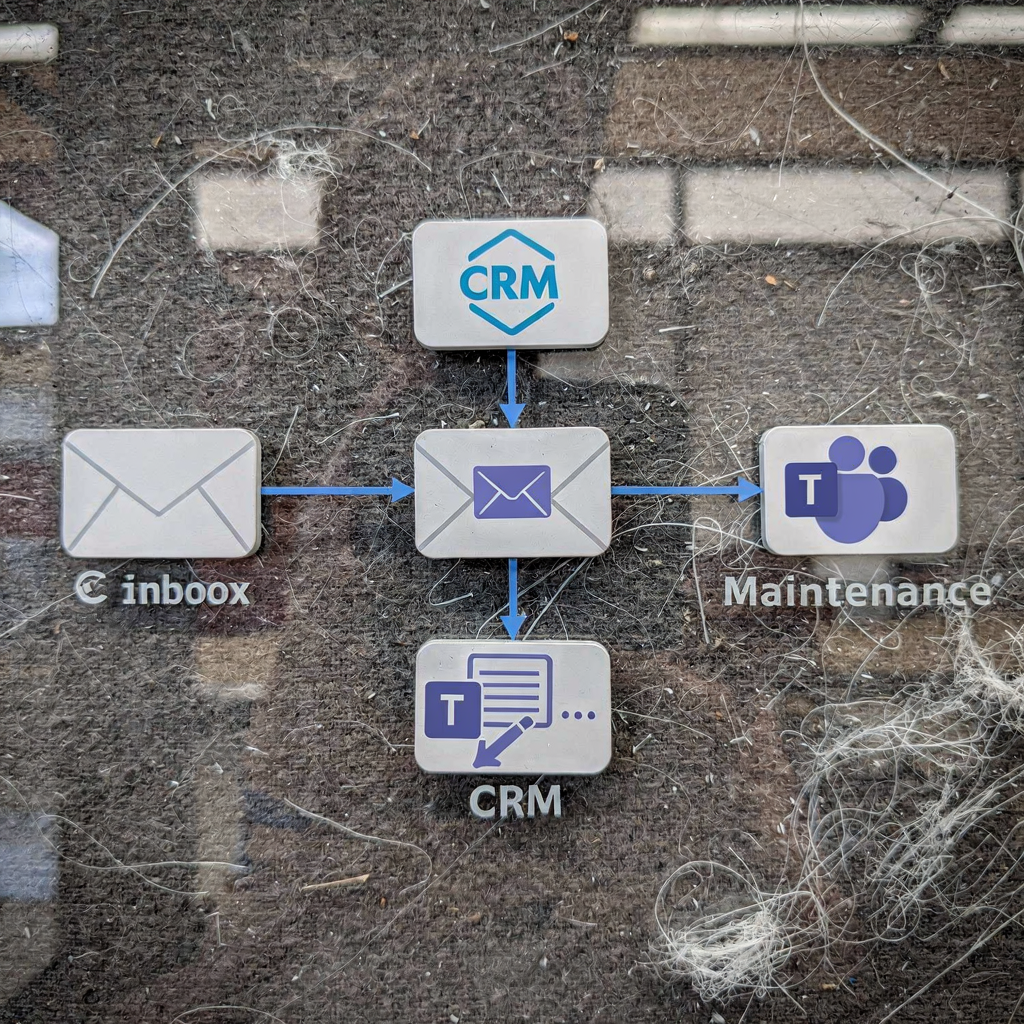
Implementation notes matter. Integrate the AI with CRM systems and ticketing platforms so emails trigger tasks and not just replies. Pulling data from ERP or asset systems gives replies grounding in facts. For grid or turbine faults, link email triggers to SCADA alerts so a message can start a maintenance workflow. Teams using this model report typical handling time cut from ~4.5 minutes to ~1.5 minutes per message when the system is configured correctly. If your IT stack relies on Office 365, aim for a low-code connector and strong governance so admins can adjust rules without developers. Finally, measure response times and reassign automation rules regularly to match changing operational priorities.
email marketing strategy and newsletter: personalize campaigns for renewable energy audiences
Email campaigns and newsletters are essential for stakeholder engagement in the renewable energy sector. Targeted lists matter. Segment subscribers into developers, landowners, investors and local stakeholders. Tailor messages to each group’s interests and pain points. For developers, focus on project timelines and permitting updates. For local communities, highlight job benefits and commitment to sustainability. A clear content calendar and cadence will keep audiences informed and reduce churn.
Deliverables include reusable email templates for project updates, policy alerts and RFP invitations. Use A/B tests for subject lines and CTAs to refine open and click rates. Align messaging with corporate sustainability claims to avoid greenwashing and to support local consultations. A segmented email list lets you personalize content by contract stage, location and past interactions. That personalization drives higher engagement and more efficient public consultations.
Implementation note: Use personalization data held in CRM and ERP to make each message relevant. When you personalize at scale, your newsletter reads like a one-to-one conversation. For examples of AI drafting in operational messaging, see practical guidance on automated logistics email drafting that applies across sectors automated email drafting for operations. Also, teams should track key performance indicators such as open rate, click rate and MQLs to measure impact. Finally, store consent and preference records to meet GDPR and audit requirements so your campaigns remain compliant.

Drowning in emails?
Here’s your way out
Save hours every day as AI Agents label and draft emails directly in Outlook or Gmail, giving your team more time to focus on high-value work.
ai email and ai-powered tools: streamline operations and improve response times in wind energy
Advanced ai-powered tools offer tangible benefits for wind farms and for energy installations generally. Generative AI can draft replies, detect intent, schedule meetings and support multi-language projects. These capabilities let teams provide 24/7 handling of routine queries and scale during launches or maintenance peaks. Industry surveys show pilot adoption at roughly 68% across the sector, with many firms reporting faster stakeholder replies and steadier communications (survey on AI pilots). That level of adoption changes the daily cadence for project teams.
Deliverables for operations include canned responses with editable fields and automated status emails fed from asset monitoring. The system should generate templates for regulatory filings and RFP acknowledgements. AI-driven intent detection removes manual triage. It also surfaces recurring issues so teams can act proactively. For drafting help that hooks into operational data, review how logistics-focused email drafting automations are built and then adapt the pattern to energy workflows examples of automated operational correspondence.
Implementation note: keep a human-in-the-loop for technical and regulatory replies to reduce the risk of errors. Fine-tune models on industry terms and turbine-specific vocabulary so the system understands reliability of wind metrics and fault descriptions. Use machine learning algorithms to spot patterns in incoming requests, and use ai email assistants to route complex cases to engineers. When you use ai to optimize staffing and response, you save time and reduce errors, helping to improve operational efficiency across the board.
data-driven email: categorize, generate actionable insights and deliver high-quality, customizable messages for energy companies
A data-driven approach converts inbound emails into structured business data. Extractable fields can include issues, commitments and deadlines. With that data, teams build dashboards that track response KPIs and campaign performance. In many deployments, bringing email into analytics improves project coordination by about 25% when workflows are reconfigured to use the insights (analysis of coordination gains). Dashboards make it easier to see where delays occur and which suppliers or contractors generate most requests.
Deliverables include a tagging taxonomy, reporting on response time and conversion funnels for commercial offers. Create heatmaps of recurring issues so maintenance planners can spot systemic faults. A high-quality tagging system helps teams find the right emails and measure trends. For energy firms, a dashboard that highlights KPIs such as average time-to-closure or number of escalations becomes an operational control panel.
Implementation note: ensure training data covers industry jargon and regulatory terms. Allow admins to customize categorize rules in a no-code UI so business teams can change labels as projects evolve. Push structured records back into CRM and ERP so reports reflect the latest commitments. The use of ai should include governance for retraining cadence and access control. When email becomes a source of reliable, actionable data, project managers can prioritize tasks and reduce wasted time across asset teams.
Drowning in emails?
Here’s your way out
Save hours every day as AI Agents label and draft emails directly in Outlook or Gmail, giving your team more time to focus on high-value work.
email marketing and key email marketing strategies: build effective email programmes for the energy sector and energy firms
Building a compliant and effective email programme requires attention to consent, tracing and message quality. Key email marketing strategies include clear opt-in flows, preference centers and unsubscribe handling. Maintain GDPR-ready archives and audit trails to simplify public consultation and to protect the company from fines. Segmenting reduces unsubscribe rates and creates clearer lines between investor updates and community outreach.
Deliverables for marketing teams should be compliant signup flows, KPI scorecards and playbooks tied to project milestones. Create templates for company updates, regulatory notices and community consultations. Use email templates that are customizable and that preserve tone and accuracy. For practical tools that automate operational messages in Outlook and Gmail, see guidance on automating logistics emails with Google Workspace and virtualworkforce.ai integration with common mail platforms. That pattern works for project announcements and safety bulletins as well.
Implementation note: align messaging with corporate claims about commitment to sustainability and avoid greenwashing risks. Keep legal and communications teams in the review loop. Track metrics such as open rate and conversion, but also monitor response times for inbound queries generated by campaigns. For marketing for renewable energy companies, match content to specific interests and pain points so each message drives informed engagement. Finally, establish record-keeping to satisfy auditors and regulators while you scale outreach.
case studies and next steps: how an ai assistant using generative ai improved energy infrastructure projects
Short case studies show how pilots move from proof-of-concept to broad adoption. One typical pilot starts with a 30–90 day trial. Teams focus on common enquiries such as permit status, turbine faults and vendor invoices. Across many pilots, the sector reports outcomes like a 30% faster response rate, a 40% reduction in administrative workload and a 25% improvement in project coordination (industry examples). These results build momentum for larger ai initiatives.
Deliverables for a pilot include success metrics, go/no-go criteria and a vendor checklist covering security, fine-tuning and API access. Include governance rules for data retention and gdpr compliance. Ensure your vendor can ground replies in ERP, TMS and WMS data sources so replies are accurate and auditable. For operational teams, a clear vendor checklist helps compare offerings and assess long-term support.
Implementation note: plan model retraining cadence and user training. Build fallback procedures for high-risk regulatory replies and define escalation paths. Use case studies to justify investment but test assumptions on your own data. If you want practical steps for scaling without large hires, the logistics playbook on scaling operations with AI agents offers parallel lessons for energy deployments scaling operational automation. Finally, track key performance indicators continuously. That discipline lets you reduce the risk and measure returns as AI moves from pilot to production.
FAQ
How does an AI email assistant handle technical enquiries about wind farms?
An AI email assistant routes technical enquiries to the right engineer and attaches context from past messages and asset data. It can draft a technical response that an engineer reviews, which speeds replies while preserving accuracy.
Can AI tools work with existing CRM and ERP systems?
Yes. Most solutions offer connectors to common CRM and ERP systems so emails can trigger tasks and updates. That integration reduces manual lookups and keeps records synchronized.
Are generative AI drafts safe for regulatory filings?
Drafts created by generative AI should be reviewed by a qualified person before submission to regulators. Human review reduces the risk of errors and ensures compliance with reporting requirements.
What are typical savings from automating email handling?
Surveys and pilots in the sector commonly report administrative workload reductions of around 40% and faster response times near 30% (research). Actual savings vary by setup and scope.
How do I keep community subscribers engaged without causing fatigue?
Segment your email list and send targeted content that aligns with local interests and timelines. Use a clear cadence and allow subscribers to set preferences for the types of updates they receive.
What governance is needed for AI that reads emails?
Create access controls, retention policies and a retraining schedule so models remain accurate and auditable. Keep compliance owners in the loop for data protection and regulatory record-keeping.
Can AI handle multi-language enquiries from international partners?
Yes, advanced models support multi-language detection and drafting, which helps international projects and procurement. Always include local reviewers to validate technical nuances and regulatory language.
How quickly can a pilot expand to production?
A focused 30–90 day pilot can validate routing, drafting and integrations; expansion times vary but often follow once KPIs are met. Define clear go/no-go criteria to speed decision-making.
What metrics should we track to measure success?
Track response times, handling time per message, escalation rates and campaign engagement metrics such as open and click rates. Those key performance indicators show both operational and commercial impact.
How do I reduce the risk of incorrect automated replies?
Keep humans in the loop for technical and regulatory responses, fine-tune models on your data and define strict escalation rules. Regular audits and retraining reduce the chance of incorrect replies.
Drowning in emails?
Here’s your way out
Save hours every day as AI Agents label and draft emails directly in Outlook or Gmail, giving your team more time to focus on high-value work.