


AI and artificial intelligence in waste management: a concise overview
AI transforms how companies manage waste. For operations teams, an AI assistant can route trucks, sort materials, support customer interactions, and run analytics. First, it helps to streamline daily work. Next, it can automate routine tasks like labeling inbound messages or tagging pickup schedules. In practice, artificial intelligence drives faster decisions and clearer ownership. For instance, a McKinsey report notes that integrating AI can deliver „potential cost savings of 15-25% and substantial environmental benefits” [McKinsey]. Therefore, many waste management organizations move from reactive to proactive operations.
AI also helps reduce inefficiency. For example, smart sensors and telematics feed real-time fill levels into routing engines. Then software can optimize routes and reduce drive time. As a result, firms cut fuel and labor costs while cutting greenhouse gas emissions. Robotics and vision systems improve waste sorting. They reduce contamination and boost recovery of recyclable materials. Studies show robotics integration can increase sorting throughput by up to 30% [AZoRobotics]. Thus, modern waste teams often add AI-powered sorters where throughput matters.
Practically, waste management companies need to balance tech and people. A virtual assistant or an AI agent can handle email triage and customer queries. At virtualworkforce.ai we build AI agents that automate the full email lifecycle for ops teams so staff can focus on field work. In addition, pre-built AI connectors link ERP and telematics. As a result, shared inboxes stop being bottlenecks. For readers who manage logistics and operations, learn more about applying AI agents to operational email with our guide on AI agents for logistics and operations itt.
Data-driven waste collection with smart waste bins for smart cities
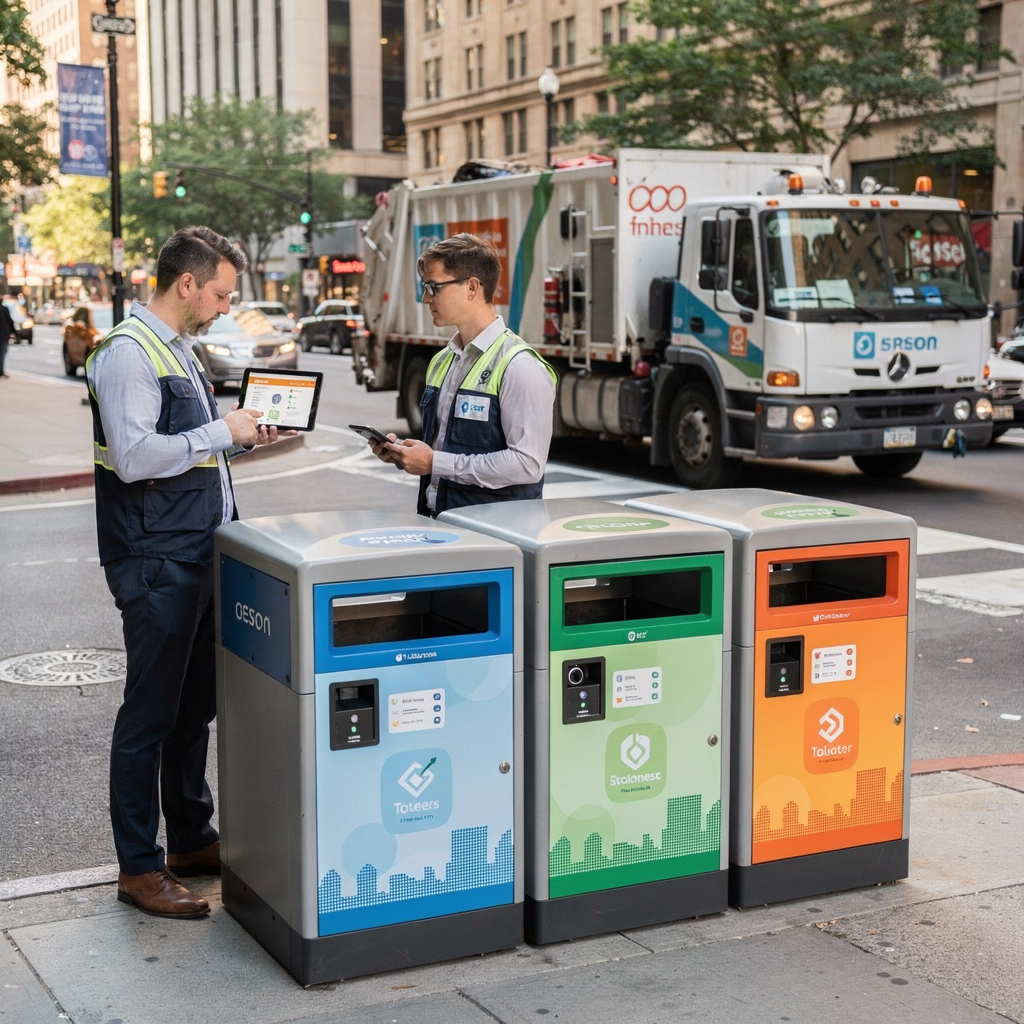
Smart bins change collection schedules. They use smart sensors to report fill levels in real-time. Therefore operators run dynamic pickup schedules. This data-driven waste approach trims unnecessary stops. Case studies show up to 30–50% fewer needless pickups. Moreover fuel savings can reach 20–40% and transport distances may fall about 30–37% in pilots [ScienceDirect]. These are measurable wins for smart cities pursuing efficient collection routes.
Smart waste platforms combine IoT sensors, routing engines, and dashboards. They integrate with municipal contracts and hauler systems. As a result, cities and local waste operators can align pickup schedules with demand. In addition, this supports smart cities goals on emissions and service equity. For example, planners gain data insights that help set collection frequency for high-need blocks. Next, dispatch teams react faster to schedule changes using automatic alerts. This improves response times and reduces complaints.
Deployment usually starts small. A pilot installs smart waste bins in public spaces. Then teams test telematics and dashboards. If results look positive, they scale. For larger deployments, integrate with ERP and pickup schedules to tie routing to billing and customer data. We recommend linking smart bin telemetry to existing waste management systems. That approach enables seamless integration, avoids vendor lock-in, and supports long-term procurement choices. For practical guidance on scaling operations without adding staff, operations teams can read our piece on how to scale logistics operations without hiring itt.
Drowning in emails?
Here’s your way out
Save hours every day as AI Agents label and draft emails directly in Outlook or Gmail, giving your team more time to focus on high-value work.
Automation and waste sorting: how ai waste systems improve recycling
Automated lines use machine vision and robotics to classify recyclable materials. Cameras and AI algorithms inspect items on conveyors. Then robotic arms pick target items and place them into sorting streams. This cuts manual picking and reduces contamination. Typical impacts include contamination drops of roughly 15–20% and higher-value bales leaving the plant. Robots also improve sorting performance when feedstock varies.
Many facilities adopt hybrid lines where humans and machines work together. In these environments, automated inspection flags suspect items. Operators then perform a quick manual check. This hybrid approach raises throughput while retaining human oversight. It also supports resource recovery goals. For specialized feedstock, fixed sorters handle heavy flows. In retrofit cases, modular robot stations bolt onto existing conveyors. That method keeps capital costs down and shortens payback windows.
An ai recycling assistant can help staff identify ambiguous items. For example, an Oscar Sort-style front-line guidance system shows users whether an item is recyclable or too contaminated for the blue bin. That feature reduces user error and improves recycling streams at source. In campuses and offices, such tools cut contamination at the point of disposal. For municipal MRFs and the recycling industry, advanced AI and automation increase consistency. They also produce cleaner, more marketable bales.
Critically, facilities must track sorting performance. Metrics include percent recovered, bale purity, and manual rejects. With the right data, teams can continuously improve conveyor speeds and pick success. AI-powered quality checks provide near real-time feedback. Then managers can tweak line speed or shift staffing. Finally, combining audit data with community recycling guidelines leads to better public education and higher recycling rates.
Deploy and automate AI waste management assistants: tools, analytics and integration
To deploy an AI assistant, follow a staged approach. Start with a pilot. Next, collect data from smart sensors, haulage telematics, and the MRF. Then integrate that data into route-planning and ERP systems. For email-heavy ops, a virtual assistant can classify and route messages based on intent. Our platform connects to ERP, TMS, and WMS to find answers fast and draft replies. This reduces handling time and improves consistency. For teams focused on inbox automation, learn about ERP email automation for logistics itt.
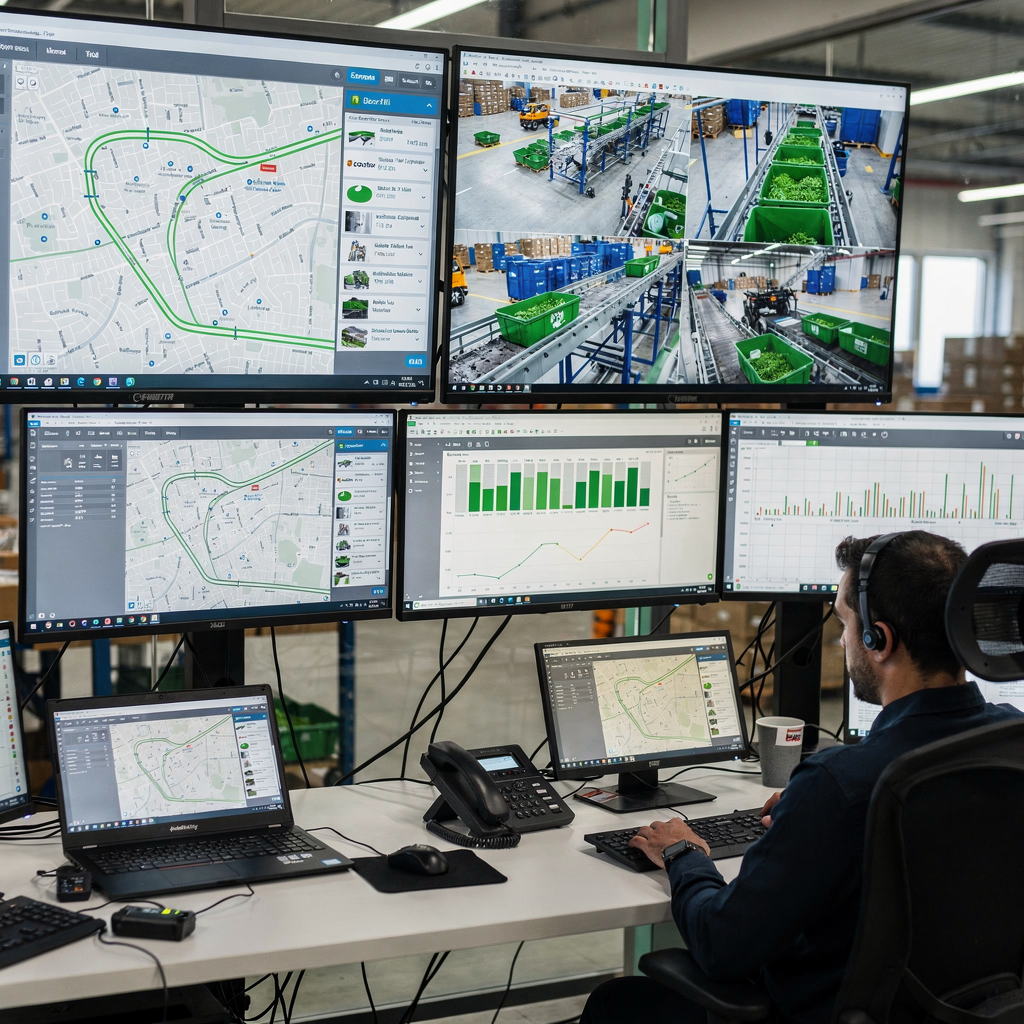
Key analytics to track include fill rates, contamination, collection cost per stop, vehicle idle, and carbon output. These indicators let teams make actionable decisions. Moreover, dashboards should include alerts for overfills and anomalous waste generation patterns. In parallel, use AI algorithms to forecast demand and optimize routes. When operators optimize routes, they reduce mileage and idle time. As a result, operating costs decline and recycling outcomes improve.
However, successful deployment depends on data quality. Garbage sensors must report reliably. Models need labeled examples to learn how to classify recyclable items. Teams must plan for change management. Train staff on new processes and set clear ownership. Expect payback windows from months to a few years. Also weigh automation trade-offs. Some tasks benefit from full automation. Others need hybrid handling. For advice on automating logistics correspondence and reducing manual work, see our guide on automated logistics correspondence itt.
Drowning in emails?
Here’s your way out
Save hours every day as AI Agents label and draft emails directly in Outlook or Gmail, giving your team more time to focus on high-value work.
Oscar Sort and use cases: modern waste solutions and best practices
Oscar Sort-style systems give immediate, user-friendly guidance at disposal points. They identify items and show if they are recyclable or require proper waste disposal. In offices, campuses, and public spaces, these systems reduce contamination and encourage correct disposal. For example, pilots at universities show fewer mis-sorted items when the system provides feedback. In practice, this improves bale quality and reduces downstream sorting effort.
Use cases vary. Public spaces benefit from smart waste bins with visual prompts that reduce improper disposal. Campuses use AI recycling assistant kiosks to teach students recycling guidelines. MRFs use front-end pre-sorting to reduce rejects and protect mechanized sorters. Corporations deploy smart waste management solutions in cafeterias and offices to track corporate sustainability goals. Each use case relies on clear signage, staff training, and continuous feedback. These are best practices for adoption.
A retrofit-first approach minimizes disruption. Add sensors, cameras, and modular sort stations to existing lines. Then phase in more advanced automation. Train staff in operating hybrid lines and handling model queries. Staff should maintain regular sensor calibration to avoid drift. Meanwhile, procurement teams should demand vendor support for maintenance. Also track KPIs like recycling rate and reduce contamination. This supports transparent reporting and stronger resource recovery. Finally, a user-friendly interface helps staff and the public follow proper waste behavior and classify recyclable items correctly.
Smart waste KPIs, risks and next steps for modern waste teams
Measure the right KPIs. These include recycling rate, contamination rate, cost per collection, vehicle kilometers, and greenhouse gas emissions. In addition, track efficient collection routes and response times to alerts. Use actionable dashboards for daily decisions. Waste analytics must show trends in waste generation and pickup efficiency. With those insights, teams can manage waste more predictably and reduce operational surprises.
Risk management matters. Data privacy must be guarded when sensors capture location-linked customer data. Sensor drift and model accuracy issues require ongoing calibration and validation. Also plan for maintenance and spare parts. Train local hauler teams and in-house technicians to avoid downtime. To mitigate vendor risk, insist on seamless integration and open data formats. That way you avoid lock-in and preserve flexibility for future upgrades.
Roadmap advice: start with a small pilot, then scale deploy after proving value. Include procurement tips in RFPs and a vendor checklist that covers uptime, support, and integration with ERP and TMS. Remember to deploy an AI slowly and with clear governance. Integrating AI into policies and management strategies ensures adoption. For teams aiming at modern waste operations, focus on continuous optimization and evolving smart waste management systems. This path will help local waste management teams reduce cost, improve recycling streams, and support sustainable waste management goals around the clock.
FAQ
What does an AI assistant do for waste management operations?
An AI assistant automates tasks like scheduling, routing, and customer interactions. It also analyzes waste data to help teams optimize routes and reduce contamination.
How do smart bins reduce collection costs?
Smart bins report fill levels so pickups happen only when needed. Studies show dynamic scheduling can cut unnecessary pickups by up to 30–50% and save fuel by 20–40% [ScienceDirect].
Are AI sorting systems better than manual sorting?
AI systems improve consistency and throughput. They often boost sorting performance and reduce contamination, while humans remain important for complex decisions.
Can small municipalities adopt AI solutions?
Yes. Start with pilots and retrofit options to avoid large capital spends. Small teams can use cloud dashboards and partner with haulers for shared deployments.
How do we protect customer data from smart sensors?
Use data minimization, encryption, and strict access controls. Also include privacy clauses in vendor contracts and limit location-level data retention.
What KPIs should I track first?
Begin with recycling rate, contamination rate, cost per collection, and vehicle kilometers. Add greenhouse gas emissions as you mature your reporting.
How long until I see payback on automation?
Payback varies from months to a few years. It depends on scale, existing inefficiency, and the balance of tech versus labor costs.
Can AI help reduce food waste and e-waste too?
Yes. AI can improve forecasting and sorting across streams, supporting resource recovery and better waste disposal practices. Reports show AI can reduce food waste by around 10–15% [McKinsey].
What are best practices for staff training on new systems?
Use phased rollouts, hands-on sessions, and simple, user-friendly dashboards. Maintain continuous feedback loops and track improvements with actionable metrics.
Where can I learn more about automating logistics email and operational communication?
For teams dealing with heavy email loads, virtualworkforce.ai offers guides on automating logistics emails and scaling operations without hiring. See resources on ERP email automation for logistics and automated logistics correspondence [ERP automatizálás] and [automatizált levelezés].
Drowning in emails?
Here’s your way out
Save hours every day as AI Agents label and draft emails directly in Outlook or Gmail, giving your team more time to focus on high-value work.