


AI in property management: why ai is already changing how property managers work
AI in property management is not a concept any more. It is active in daily operations. For example, 64% of UK property managers used AI-driven automation for at least one daily process in 2025. In addition, 78% reported improved operational efficiency. At the same time, 92% of commercial real estate firms have piloted AI, but only about 5% have fully realised programmes. These numbers set realistic expectations. They show adoption is high, while full-scale delivery is still rare.
First, define what AI means for a property manager. AI covers a spectrum. It includes machine learning, which finds patterns in data. It includes large language models that handle natural language. It also includes rule-based bots that run repeatable decisions. In other words, AI can help with analytics, conversations and simple decision logic. For non-technical managers, a short glossary helps. Machine learning detects maintenance patterns from sensor data. Large language models create tenant messages and draft lease clauses. Rule-based bots route emails and categorise cases. These building blocks let a property management business automate repetitive tasks and improve speed.
Next, consider measurable impact. AI can reduce email handling time and improve response times. For example, AI-driven email automation often drops handling time from minutes to under two minutes per message. That directly improves operational efficiency and tenant experience. In practice, property management systems that use AI often show faster response times, fewer misrouted requests and better record keeping. Therefore, property managers who want to optimise operations should study small pilots. For more on automating operational email and reducing manual lookup across ERP and shared inboxes, see our work on automated logistics correspondence with virtualworkforce.ai here.
To close this section, note a few quick terms. AI agent is an automated persona that handles tasks. An ai assistant drafts replies and gathers data. A chatbot can field simple tenant questions. Finally, advanced AI can predict when a boiler will fail. If you are a property management firm planning pilots, aim for clear KPIs. Track response times, mean time to repair, and vacancy days. This focus keeps pilots practical and measurable.

Property manager workflow automation: automate maintenance requests with ai-powered tools
Start with metrics. A well-designed automation flow can cut response times and mean time to repair by double digits. In addition, predictive maintenance can reduce emergency repairs and lower cost per job. For property management, one clear target is the maintenance request. You can automate intake and triage. For example, use an AI-powered intake to read emails, SMS and images. Then the system can create a work order and assign priority. This reduces manual data entry and speeds scheduling.
A typical automated flow works like this. First, tenant submits a maintenance request by email, web form or messaging. Then an AI agent parses the message and extracts property details, urgency and images. Next, the system triages the problem and matches a vendor or in-house maintenance staff. After that, it schedules the appointment and orders parts if necessary. Finally, the system sends status updates and followup messages until the work order is closed. This sequence helps property managers reduce downtime and keep tenants informed.
In practice, predictive maintenance uses machine learning on equipment logs and IoT sensors to predict failures. When a pump shows rising vibration or a roof sensor reports moisture trends, an AI system can flag the issue. This allows maintenance scheduling before an emergency. To support this, collect equipment logs, invoices and IoT telemetry. A minimal pilot often needs only three months of data to show value. For example, property management companies that combine sensor data and service histories see lower emergency maintenance and steadier maintenance needs over time.
Implementation tips matter. Use APIs to link your property management software and existing systems. Make clear escalation rules. Define what the AI can resolve automatically and when to hand off to a human. Also, ensure the system can categorize problems and record vendor performance. If you want to explore email-driven automation for operation teams that reduces handling time and routes messages based on intent, read about our virtual assistant logistics integration here. This approach helps teams scale without hiring, while keeping traceability and audit logs.
Drowning in emails?
Here’s your way out
Save hours every day as AI Agents label and draft emails directly in Outlook or Gmail, giving your team more time to focus on high-value work.
Property management ai agent: use ai agents to improve tenant communication and screening
Begin with measurable goals. Aim for faster response times, higher tenant satisfaction and shorter vacancy cycles. An AI agent for property management can help hit these goals. For tenant communication, AI agents run 24/7. They deliver instant answers to common queries. They also draft personalised messages when needed. For example, a virtual assistant can confirm move-in dates, explain lease clauses and collect photos for a condition report. This reduces repetitive tasks for staff and improves the tenant experience.
Use cases are clear. A chatbot answers FAQs and handles simple scheduling. An AI assistant guides tenants through a maintenance request and helps attach photos. An ai-powered screening tool scores applications and flags risk factors for human review. In addition, sentiment detection can flag angry tenants so managers can prioritise urgent followup. These features reduce time to vet applicants and lower vacancy days. For leasing workflows, AI leasing tools can draft listing descriptions and suggest competitive pricing based on local trends.
One practical example: a tenant messages at 10pm about a leak. An ai agent triages the message, asks for a photo, and identifies emergency maintenance. It then notifies the on-call vendor and confirms the ETA to the tenant. Meanwhile, it creates a work order and logs the interaction. This sequence saves time and preserves context for managers. If you want to see how AI can draft structured replies grounded in operational systems such as ERP and email history, virtualworkforce.ai offers examples of email drafting for logistics that translate to property workflows here.
Keep a human in the loop. Use clear escalation thresholds so property managers retain control. Also, watch for bias in screening and follow fair housing rules. Train your models on diverse data and audit outputs regularly. In short, an AI agent reduces repetitive tasks, improves tenant communication, and gives managers time to focus on strategic work.
Use cases and ai agent template: ready sequences for routine tasks and escalation
Present quick templates that managers can copy. These templates act as an ai agent template for common flows. First, a maintenance intake template. Second, a tenant onboarding flow. Third, an overdue rent escalation. Each template includes required data fields and decision points. For maintenance intake, require: property ID, unit, description, photo, tenant phone, and preferred times. Then set triage rules: if water leak or gas smell, mark emergency; else assign priority based on damage and tenant impact. This structure helps teams respond fast and consistently.
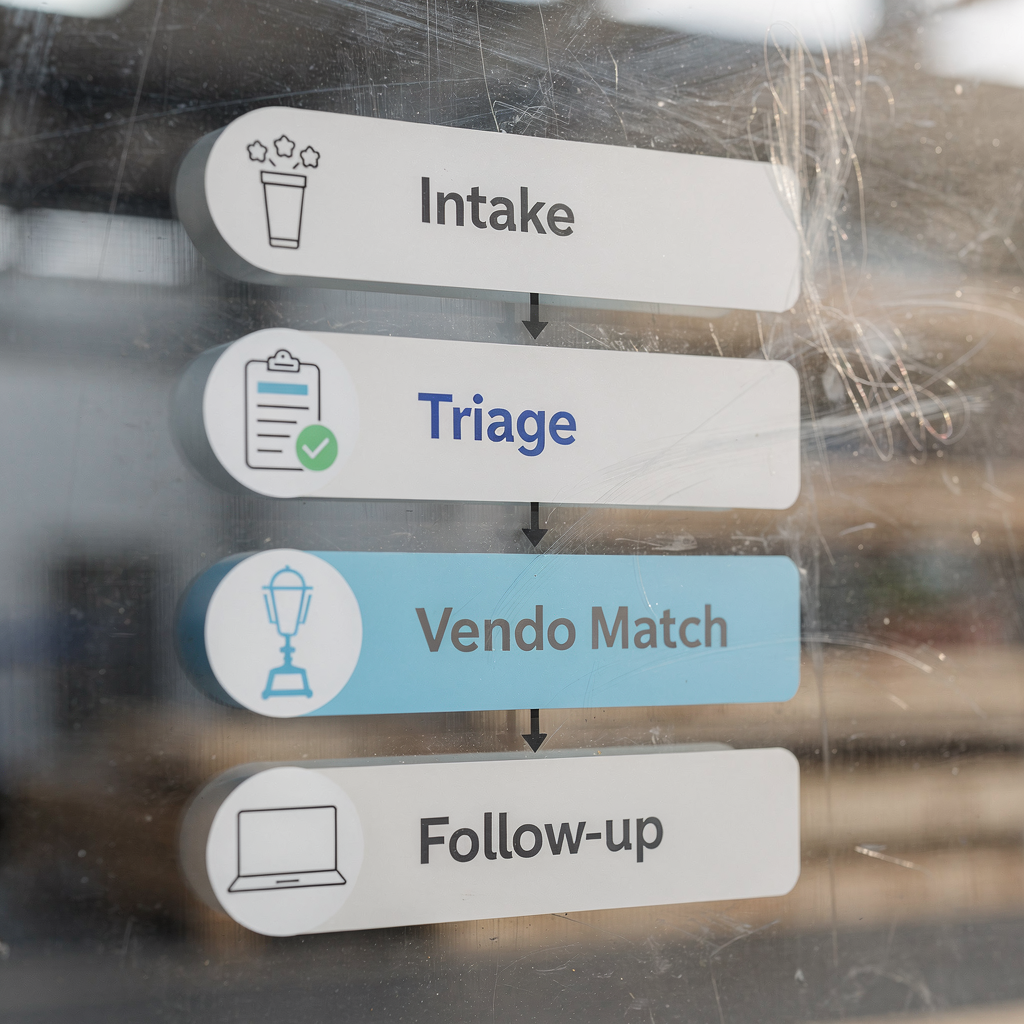
Maintenance intake → triage → vendor match → schedule → follow-up. Use this one-sentence template to start: „When a tenant reports a fault, extract property details, prioritize, create a work order, notify vendor, confirm appointment, and send closure message.” For tenant onboarding, create a flow that sends move-in instructions, confirms lease start, collects meter readings and offers a welcome survey. For overdue rent, draft an escalation sequence that begins with a reminder, then a payment plan offer, and finally human review before notices are issued. Each step should include clear deadlines and human-handoff points.
Implementation tips reduce friction. First, require structured fields to minimize data entry errors. Second, set decision thresholds so the ai agent knows when to escalate. Third, integrate with property management software and accounting systems to check balances and post payments. Fourth, log all interactions for audit and compliance. For a practical starting point, run one pilot with the maintenance intake template. Measure response times, closure rate and tenant satisfaction. If the pilot shows gains, scale to more templates.
Finally, remember fallback is essential. Always include a clear „transfer to human” step. That keeps the human touch when matters are complex or sensitive. Also, track KPIs such as response times, mean time to repair and tenant experience. These will show the benefits of the templates and support wider rollout. If you need examples of end-to-end email automation that maps intent to action and pulls data from ERP, see how our platform automates logistics correspondence here.
Drowning in emails?
Here’s your way out
Save hours every day as AI Agents label and draft emails directly in Outlook or Gmail, giving your team more time to focus on high-value work.
Property management tools and ai solutions: selecting, integrating and scaling property management ai
Choosing the right tools requires criteria. First, evaluate data access and quality. Second, require API and CRM integration. Third, check security and compliance, including GDPR. Fourth, ensure vendor support for pilot to production. Vendor types include conversational LLM platforms like ChatGPT-style systems for tenant Q&A, predictive-maintenance platforms for equipment, IoT analytics for sensors, and dynamic pricing engines for leasing. Also consider AI chatbots that integrate into property portals and messaging channels.
When you select, focus on function, not brand. For example, require the vendor to connect to existing systems and to push structured data into property management systems. Ask for thread-aware memory if you use shared inboxes. virtualworkforce.ai offers end-to-end email automation that routes and drafts replies grounded in ERP and historical context. If your ops team uses high volumes of inbound email, see our guide on how to scale logistics operations without hiring here for ideas that apply to property operations as well.
Manage risks carefully. Pilot fatigue and poor data are common. To bridge the gap between pilots and realised programmes, set ROI metrics from day one. Track measures such as response times, costs per job and vacancy days. Also, manage vendor lock-in by insisting on data portability. For compliance, document data flows and establish audit logs. Finally, plan retraining cycles for models to prevent model drift.
In procurement, include a staging plan: pilot for 3 months, validate KPIs, then scale across portfolios. Ensure IT and operations agree on access controls and governance. Also, confirm the vendor supports no-code configuration for business teams so property management teams can tune tone, rules and routing without prompt engineering. This makes rollout faster and reduces dependence on scarce AI expert resources.
Benefits of ai and using ai in property management: operational efficiency, risks and a simple roadmap
State the benefits clearly. AI improves operational efficiency by reducing repetitive tasks and manual data entry. AI can reduce handling time for emails and maintenance coordination. As a result, managers reduce costs and can focus on strategy. Benefits include faster tenant response, lower maintenance costs, and better portfolio management through data-driven insight. For many property management companies, these gains translate into improved property performance and fewer void days.
Quantify realistic targets. Run a pilot for 3 months and expect to see measurable gains. Then plan to scale over 6–12 months. Target KPIs: reduce response times by 30–60%, cut mean time to repair, and lower cost per job. Use predictive maintenance to predict maintenance and reduce emergency repairs. Also, apply AI to listing descriptions and pricing to optimise rents. In short, start small and measure before scaling.
Address risks and governance. Protect tenant data and comply with fair housing rules. Monitor for bias in applicant screening. Keep human oversight on high-impact decisions. Implement audit logs, regular retraining and performance review. Mitigate vendor risk by ensuring data portability and clear SLAs. For operational email automation examples and ROI considerations, see our piece on scaling logistics operations with AI agents here. The same principles apply to property management workflows and tenant communication.
Three-step roadmap for property managers to focus on: choose one use case, run a short pilot with clear KPIs, iterate and scale. Use the maintenance intake template or the tenant onboarding flow as a starter. Include an ai virtual assistant for simple queries and a human handoff for complex issues. Finally, audit outcomes and document the benefits of ai. This approach balances AI technology with human intelligence, keeps the human touch where it matters, and helps your property management business move toward a data-driven future of property management.
FAQ
What is AI in property management and why does it matter?
AI in property management refers to automated systems that handle tasks such as tenant communication, maintenance coordination and data analysis. It matters because it reduces repetitive tasks, improves response times and provides data-driven insights for better portfolio management.
How can I automate a maintenance request process quickly?
Start with a single intake channel such as email or a web form. Then use an AI agent to extract property details, prioritise the request and create a work order. Finally, connect the agent to scheduling and vendor systems, and measure response times and closure rates.
Can AI help with tenant screening without bias?
AI can pre-filter applications and highlight risks, but it can also introduce bias if trained on skewed data. To reduce bias, audit models, use diverse training data and keep humans in the final decision loop to ensure fair housing compliance.
What data do I need for predictive maintenance?
Collect equipment logs, service histories, invoices and any IoT sensor data. These inputs let machine learning models detect maintenance patterns and predict maintenance before failures occur.
Is a chatbot good enough for tenant communication?
A chatbot handles FAQs and routine scheduling well. However, combine it with an ai assistant that can draft personalised replies and a clear human handoff for complex issues to protect the tenant experience.
How long does a pilot usually take and what KPIs should I track?
Run a pilot for about three months. Track response times, mean time to repair, tenant satisfaction and cost per job. These KPIs show whether the solution delivers measurable benefits before you scale.
What integration points are essential for an AI solution?
Your AI solution should integrate with property management software, accounting systems and messaging channels. API access to existing systems ensures the AI can pull property details and update records seamlessly.
How do I manage data privacy and compliance?
Document data flows, enforce role-based access and implement audit logs. Also, ensure the vendor supports GDPR and fair housing practices and provides clear controls for data portability.
Can small property management firms benefit from AI?
Yes. Small firms gain the most from automating repetitive tasks and improving tenant communication. A focused pilot on maintenance intake or lease communications can free time for higher-value work.
Where can I learn more about automating email-driven operations that map to property tasks?
For examples of end-to-end email automation and drafting grounded in operational systems, review virtualworkforce.ai resources on logistics email drafting and automated correspondence. These show how AI agents understand intent, route messages and draft accurate replies based on ERP and email history.
Drowning in emails?
Here’s your way out
Save hours every day as AI Agents label and draft emails directly in Outlook or Gmail, giving your team more time to focus on high-value work.