


AI and waste management — what Artificial Intelligence brings to recycling
First, let’s define Artificial Intelligence in plain terms. AI means software that learns from data and then makes decisions. Second, AI helps at many stages of the waste cycle: collection, sorting, and analytics. Third, AI tools classify items, help route collection trucks, and predict waste flows. For example, computer vision models can classify recyclable materials and non-recyclable items quickly and at scale. This makes recycling more accurate and reduces contamination in recycling streams. Research shows AI-based classifiers often exceed 90% accuracy when trained well, which beats typical manual sorting performance i automatiserte avfallsstudier.
Also, AI optimizes collection by predicting when bins fill. Real-time sensors and models feed dashboards and alerts that let haulers change pickup schedules. This reduces idle trips and lowers greenhouse gas emissions. Meanwhile, AI-driven food-waste pilots reported waste drops of about 30% in retail tests, delivering operational savings and less landfill use i pilotstudier. However, the environmental footprint of AI infrastructure matters. The energy used by data centres can offset benefits if it is not managed; global guidance recommends efficient models and renewable energy for AI workloads for mer om AI-energiens påvirkning.
Next, note the language of deployment. Cities and waste management companies must choose between cloud-based and edge AI. Cloud-based models make updates simple. Edge models reduce latency and can run without constant connectivity. For local waste management, hybrid setups often balance cost and speed. If you deploy an AI, plan for periodic retraining with local labelled data. This avoids dataset bias, improves classification, and supports resource recovery goals. For teams that manage operations by email, integrating AI outputs into workflows can cut reply times and speed coordination. Se hvordan virtuell logistikkassistent automatiserer logistikk-e-postutkast for å frigjøre driftsteam til feltoppgaver.
AI waste: sort and waste sorting with the Oscar Sort example
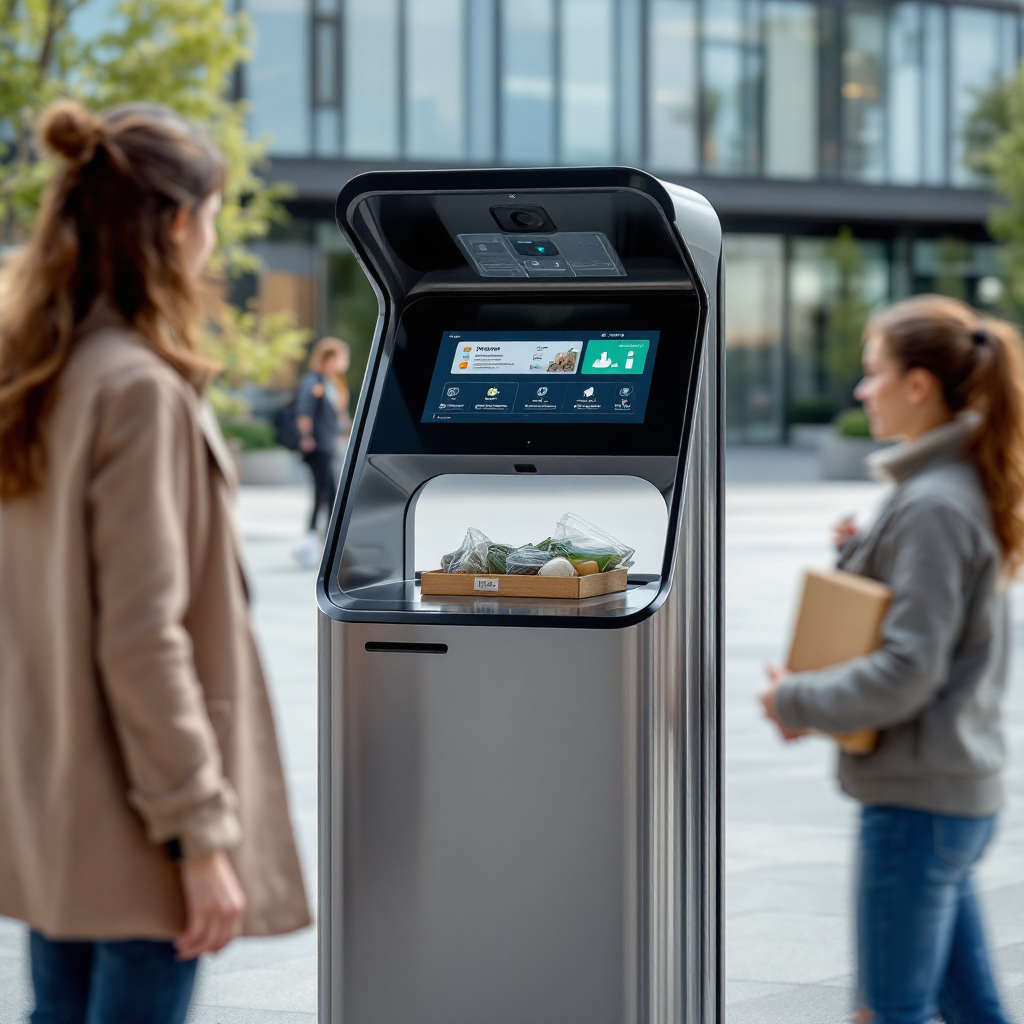
First, automated SORT technology combines camera vision, models, and user interaction. Oscar Sort is a clear case of an ai recycling assistant applied to public bins. Oscar Sort units at University of Wisconsin–Madison recorded a 78% scan-through rate, which shows strong user engagement and data capture Oscar Sort-forsøk. The system uses vision and short prompts to capture item-level data. Then, classifiers tag items as recyclable or not, and the system gives disposal guidance to the user. This immediate feedback helps reduce contamination in recycling streams.
Second, a short technical note on pipelines. Cameras stream images. Pre-processing cleans the image and normalizes colours. Models then predict labels with ai algorithms such as convolutional neural networks. Next, a confidence score decides whether to prompt the user or route the item to human review. Finally, aggregated waste data feeds waste analytics dashboards for operators. This closed loop improves the model over time through supervised feedback. Oscar Sort’s approach illustrates how an AI assistant can both classify and encourage better waste disposal behaviour.
Also, optical systems can detect materials like cardboard, PET, glass, and organics. When combined with user prompts, data becomes richer. This helps operators manage bin-level decisions, such as where to place compost versus recyclable bins. A brief case study found that interactive bin units not only improved sorting but also produced valuable insights into time-of-day waste generation and peak contamination events Oscar Sort casestudie. If you plan a pilot, include clear user flows, signage, and privacy controls. For ops teams overwhelmed by emails and shift updates from pilots, a no-code email agent can draft replies and log results automatically; learn more about automatisert logistikkkorrespondanse.
Drowning in emails?
Here’s your way out
Save hours every day as AI Agents label and draft emails directly in Outlook or Gmail, giving your team more time to focus on high-value work.
Automation, bin and waste collection — smart waste bins and automated lines
First, hardware matters. Smart bins and in-plant automated SORTING lines serve different roles. Smart bins use sensors, cameras, and small processors to detect fullness and content type. In material recovery facilities, conveyor lines pair computer vision with robotic picks to separate items autonomously. These automated lines boost throughput and lower manual sort errors. They also free staff from repetitive, hazardous tasks.
Second, practical deployment notes. You can retrofit bins with smart sensors and scanners that read QR codes or RFID tags. Also, integrate IoT sensors for fullness and odour monitoring. For reliable operations, check power options, connectivity, and mounting stability. Plan for sensor drift and contamination handling. Maintenance schedules must include camera lens cleaning, firmware updates, and periodic model retraining with local samples. On the integration side, aim for seamless integration with routing software and hauler schedules. For cities, smooth integration reduces inefficiency in collection and improves service levels.
Third, a brief checklist helps teams automate sensibly. Checklist items include: power source availability, cellular or Wi‑Fi connectivity, mounting height and vandalism protection, sensor calibration, and waste-sorting feedback loops for users. Likewise, confirm that your bin firmware can send a timely alert when full and that the backend supports analytics and dashboards. Smart bins can also send alerts to the hauler when a container needs pickup, which reduces unnecessary stops and supports optimized pickup planning. If you need to optimize routes using AI models, consider how bin telemetry will feed into your routing engine and collection schedules to boost efficiency. For teams that juggle system updates via long email threads, ERP e-post-automatisering for logistikk kan koble ERP og e-posthistorikk for å korte ned svar og redusere feil.
Data-driven waste for smart cities — using AI waste management data to improve collection
First, data-driven waste systems combine smart sensors, camera feeds, and platform analytics. These systems reveal hotspots, daily rhythms, and seasonal waste generation patterns. Aggregated waste data lets cities plan collection schedules and manage container placement. When planners know where contamination spikes occur, they adjust bin types and public messaging. This yields better capture of recyclable materials and more effective resource recovery.
Second, route optimisation reduces fuel use and time. Models can compute efficient collection routes that adapt to live fullness data. This lowers greenhouse gas emissions and operating cost. For example, optimized collection routes cut empty hauls and avoid missed pickups. Meanwhile, dashboards present actionable data insights to operators. Key metrics include capture rates, contamination percentage, kg per household, and service frequency. These guide management strategies and local waste management policies.
Third, citizen engagement complements tech. Mobile apps and in-street signage nudge correct disposal. Also, integrate citizen reports into your waste analytics to catch overflowing bins that sensors miss. Smart cities adopt interoperable platforms that allow seamless integration between IoT sensors, routing systems, and community portals. This helps reduce inefficiency and supports sustainability goals. For logistics teams who coordinate multi-stakeholder operations, automated email drafting tools can streamline communication about schedule changes and exceptions. Se hvordan å skalere logistikkoperasjoner uten å ansette ved å automatisere rutinemessig korrespondanse.

Drowning in emails?
Here’s your way out
Save hours every day as AI Agents label and draft emails directly in Outlook or Gmail, giving your team more time to focus on high-value work.
Use cases and impact — AI waste management results and measured benefits
First, results from pilots and studies show clear gains. Many AI classifiers report over 90% accuracy, improving sorting at scale automatisert avfallsgjennomgang. Also, food-waste pilots using AI-driven forecasting and inventory controls reported reductions around 30% food-waste pilotdata. The Oscar Sort engagement data showed a 78% scan-through rate on units that prompt users and log items for analysis Oscar Sort-engasjement. These figures translate to higher recycling rates and lower contamination in recycling streams, which increases the value of recovered materials.
Second, representative use cases include retail, campuses, and MRFs. Retail pilots use AI-powered inventory and dynamic pricing to reduce spoilage, which lowers waste generation. Campus deployments of AI recycling assistant kiosks both classify discards and teach correct disposal. In MRFs, vision-guided robots pick items that humans miss, raising throughput and safety.
Third, economic and environmental impacts are measurable. Higher yields from recyclable materials reduce landfill tipping costs. Route optimisation and better scheduling lower fuel use and greenhouse gas emissions. However, teams must weigh the footprint of AI infrastructure. Reports caution that data centres and heavy compute can raise emissions unless you use efficient models and cleaner power UNEP-veiledning. To mitigate this, adopt energy-aware ai algorithms and consider edge inference for frequent, low-latency tasks. For operational teams, pre-built AI modules and cloud-based dashboards make rollout easier, while integration with existing workflows and dashboards ensures that data becomes valuable insights rather than noise.
Best practices — deploying Artificial Intelligence for reliable waste sorting
First, set clear objectives before pilots. Do you aim to reduce contamination, boost recycling rates, or cut pickups? Next, build local labelled datasets to improve classifier accuracy. Also, pilot small and iterate rapidly. Monitor contamination levels and user behaviour continuously. Deploy AI-based models that run efficiently on edge devices when possible to lower compute costs and energy use.
Second, manage risks and lifecycle impacts. Conduct lifecycle assessments for AI technologies to quantify the net environmental benefit. Address dataset bias by sampling across locations, seasons, and waste types. Plan maintenance for cameras and smart sensors. Ensure firmware updates and model retraining workflows are in place. Protect privacy by anonymizing images and securing uploads.
Third, operational tips for scaling. Use modular integration patterns to connect smart bins and MRF outputs to fleet management and billing systems. Aim for seamless integration with CRM and ERP systems so ops teams avoid repetitive emails. If your team handles many service queries, consider no-code AI email agents to streamline customer interactions and speed internal coordination; virtuell arbeidsstyrke hjelper team med å redusere behandlingstid og holde revisjonsspor for styring
.FAQ
What is an AI recycling assistant and how does it work?
An AI recycling assistant is a system that uses models and sensors to identify items and guide disposal. It often combines computer vision with user prompts to classify materials and reduce contamination in recycling streams.
Can AI really improve recycling rates?
Yes. Studies show AI classifiers often exceed 90% accuracy, which improves sorting and raises recycling rates when integrated with operations kilde. Proper deployment and behaviour nudges also reduce contamination, increasing the value of recyclables.
Is the energy cost of AI a concern for waste projects?
Energy use matters. The infrastructure for AI can raise greenhouse gas emissions if models run on inefficient servers. Use efficient ai algorithms, edge inference, and renewable power to mitigate the footprint UNEP.
What is Oscar Sort and why is it notable?
Oscar Sort is an AI-led interactive bin project that logged a 78% scan-through rate, showing strong user engagement and data capture Oscar Sort. It pairs vision with prompts to improve disposal behaviour and provide operators with valuable waste data.
How do smart bins reduce collection inefficiency?
Smart bins send fullness and contamination alerts so collection routes adjust dynamically. This reduces empty hauls and missed pickups while helping crews focus on hotspot locations.
What metrics should cities track for smart waste management?
Track classifier accuracy, capture rates, contamination percentage, kg per household, and collection frequency. These metrics reveal operational wins and areas needing improvement.
Can small teams deploy AI without deep ML expertise?
Yes. Pilots often use pre-built AI modules or cloud-based services that reduce setup complexity. Also, no-code tools and integrations help ops teams connect AI outputs to workflows and email systems quickly.
How does AI help reduce food waste in retail?
AI-driven forecasting and inventory tools lower overstock and spoilage. Pilots showed roughly 30% food-waste reductions when AI informed ordering and markdown strategies pilotdata.
What privacy concerns arise with camera-equipped bins?
Privacy risks include identifying individuals in images. Mitigations include on-device anonymization, blurring people, and strict data retention policies. Always communicate privacy measures to the public.
How do I start a pilot for AI-powered waste sorting?
Start by defining objectives, selecting a contained site, and collecting local labelled samples. Pilot with smart bins and a small MRF line, measure key metrics, and plan for maintenance and model retraining before scaling.
Drowning in emails?
Here’s your way out
Save hours every day as AI Agents label and draft emails directly in Outlook or Gmail, giving your team more time to focus on high-value work.