


ai og gassdistribusjon: hvorfor gasselskaper bør vurdere en ai-e-postassistent
AI endrer måten team innen gassdistribusjon håndterer e-post i stor skala. For gasselskaper er det mest umiddelbare bruksområdet en ai-e-postassistent som automatiserer rutinemessige e-postflyter for fakturering, strømbrudd og leveringsvarsler. En assistent er programvare som leser innkommende meldinger, klassifiserer intensjon og utarbeider svar basert på operasjonelle data. Dette reduserer manuelt kopiering og liming og korter ned behandlingstiden slik at teamene kan bruke tid på høyverdige oppgaver.
Aggressiv adopsjon gir mening fordi fordelene er målbare. For eksempel rapporterer McKinsey at generativ ai kan øke B2B-salg med opptil 20 % gjennom raskere, mer personlig kommunikasjon og bedre oppfølging (McKinsey, 2025). Tilsvarende rapporterer nettselskaper som bruker AMI-data og AI-drevne kommunikasjonsverktøy omtrent 30 % raskere kundeservicerespons, noe som forbedrer beholdning og reduserer eskaleringssaker (DOE-rapport). Disse resultatene betyr raskere bekreftelser til kunder, færre gjentatte oppfølginger og mer forutsigbare arbeidsflyter.
Operasjonell effektivitet er ikke den eneste gevinsten. Data fra e-poster blir strukturerte innsikter som informerer prising, planlegging og forsyningskjedeprosesser. For olje- og gassdistributører er dette viktig fordi fakturaer, leveringsbekreftelser og strømbruddsvarsler henger direkte sammen med sikkerhets- og regulatoriske forpliktelser. En virtuell assistent eller ai-agent kan triagere meldinger med høy risiko og eskalere når regler oppdager språk knyttet til sikkerhetskritiske forhold. Det reduserer driftskostnader samtidig som kundetilfredshet og responstid forbedres.
Start med konkrete raske gevinster. Automatiser rutinemessige svar som fakturabekreftelser, purringer ved for sen betaling og leverings-ETAer. Utvid deretter til strømbruddsvarsler og triage av fakturatvister. Mange team ser en umiddelbar endring i måleparametere: gjennomsnittlig behandlingstid faller og konsistensen øker. Verktøy som de som beskrives av virtualworkforce.ai viser reduksjoner fra typiske behandlingstider ned til 1,5 minutter per e-post, noe som støtter driften uten nyansettelser og hjelper team å operere uten å øke bemanningen les mer om automatisert logistikkkorrespondanse.
ai agent and ai-powered assistant: use cases for distributor service operations
Use cases for an ai agent and ai-powered assistant in distributor service operations are practical and varied. First, automated outage notifications keep customers informed promptly and consistently. Second, billing dispute triage uses natural language processing to classify urgency, attach relevant invoice PDFs, and route the case to the right person. Third, commercial delivery scheduling benefits when AI reads customer preferences and windows, then proposes optimized slots to planners.
AI also supports upsell emails and follow-ups that respect contract windows. In trials, utilities using AI report about a 30% reduction in service desk response times and a drop in routine call volume (DOE). John Smith, a senior analyst at Drive Research, noted that «Email assistants are transforming how gas distributors interact with their customers» and highlighted how automation helps maintain regulatory compliance while building trust (Drive Research).
Practically, the ai agent drafts replies, flags urgent items, and hands complex cases to human staff. The agent is trained on historical threads and can use email memory to keep context across long conversations. That reduces repeated questions and improves first-contact resolution. A common pattern is to deploy an ai chatbot for initial triage, then escalate to a human when rules detect legal or safety language. This keeps operations efficient and compliant.
To implement, start with rule-based triggers for common issues and then expand to generative ai drafts for complex replies. You can integrate with your CRM and ERP to pull invoice status or delivery ETA so messages include accurate data. For teams managing significant volumes of operational email, this approach is a clear path to improve operational efficiency and customer experience. For technical teams, documentation on integrating AI with logistics email drafting helps streamline adoption (logistikk e-postutkast med AI).

Drowning in emails?
Here’s your way out
Save hours every day as AI Agents label and draft emails directly in Outlook or Gmail, giving your team more time to focus on high-value work.
streamline workflow and automate repetitive tasks: integrate with crm and erp for delivery and invoice management
Linking an AI assistant to CRM and ERP unlocks faster, more accurate replies for delivery and invoice issues. Integration matters because the assistant needs context: invoice status, delivery ETA, stock levels and customer history. When systems connect, the assistant can pull a live invoice PDF, confirm a delivery window, and update the order status back into the ERP. This erp email automation reduces manual lookups and cuts down on duplicated work.
Start small. Begin with trigger-based emails such as late invoice notices, delivery ETA confirmations, and outage confirmations. These are high-impact automations that deliver measurable ROI. virtualworkforce.ai demonstrates how end-to-end email automation turns email into structured data, which then flows back into your ERP and CRM. That process helps track handling time and reduces manual copy-paste, producing time savings and higher consistency.
Expected gains include fewer manual hand-offs, faster invoice queries, and improved on-time deliveries through automated notifications. For example, assembling an automated workflow that sends a delivery confirmation when the ERP shows a status change removes the need for a dispatcher to write the note. This reduces repetitive tasks and helps staff focus on exceptions. Also, automating invoice replies with exact ERPinformation improves auditability and helps ensure compliance with billing rules.
Integration must follow security and governance. Ensure encrypted links between AI, CRM and ERP, and log outgoing messages for audits. For teams using Salesforce or other CRMs, tying the assistant into customer records ensures consistent tone and correct routing. If you want technical guidance, see resources on integrating ai into freight and logistics communication; these show how to map fields, set escalation criteria, and maintain traceability (ERP e-postautomatisering for logistikk). The result: streamlined workflow, fewer errors, and measurable productivity gains.
generative ai and ai-driven analytics: optimize supply chain, real-time response time and customer satisfaction
Generative ai combined with AI-driven analytics can reshape supply chain decisions for gas distribution. Analytics read patterns in inbound emails to surface repeat issues, such as recurring delivery windows or invoice coding problems. These insights inform supply chain adjustments and prompt process fixes. For instance, AI can show that a specific depot causes delayed deliveries, enabling targeted corrections in supply chain management.
Pilots that use generative ai technology report measurable lifts. Companies see reductions in operating expenses for specific service functions, sometimes cited in studies as 30–50% in targeted areas (McKinsey). AI-driven analytics also enable real-time alerts tied to live telemetry or AMI systems. Those alerts cut response time for emergencies and delivery changes, and they improve response time and customer satisfaction when teams act promptly and effectively.
To get value, attach the AI to data sources so the assistant can confirm ETA changes, invoice holds, and stock constraints in real-time. This real-time integration means outgoing notices reflect the latest status. Data from emails then becomes structured signals for planners to optimize routing and inventory. An ai agent that reads natural language and combines it with telemetry creates a feedback loop that tightens operations and improves end-to-end visibility.
The technology also supports scenario analysis. By aggregating common inquiry types and response outcomes, the system suggests policy changes that reduce future inquiries. That improves operational efficiency and drives better customer experience. If your team wants a practitioner guide, resources on scaling logistics operations with AI agents explain how to deploy models safely and monitor performance (hvordan skalere logistikkoperasjoner med AI-agenter). Use these tools to optimize throughput without sacrificing safety or compliance.
Drowning in emails?
Here’s your way out
Save hours every day as AI Agents label and draft emails directly in Outlook or Gmail, giving your team more time to focus on high-value work.
automation to reduce headcount risk and cut costs: ai-powered chatbots, inquiry handling and customer support
Automation lowers the burden of repetitive tasks and can cut handling costs without reducing service quality. An ai-powered chatbot or email assistant manages first-line inquiry handling for account questions, delivery scheduling, and basic troubleshooting. That approach lets human agents focus on exceptions and safety-critical decisions. Many deployments show strong ROI by reducing routine workload and cutting operational costs tied to email triage.
Implementing ai chatbot flows reduces repetitive email drudgery and helps teams scale operations without hiring. For example, virtualworkforce.ai customers report cuts in average handling time from about 4.5 minutes to roughly 1.5 minutes per email, which frees staff for higher-value work and reduces headcount pressure. These gains occur while preserving audit trails and escalation paths, so regulatory messages always get human review when needed.
When you deploy ai for freight or customer inquiries, design escalation rules carefully. Use the assistant to resolve standard cases and route ambiguous or safety-sensitive items to humans. This mix maintains compliance and reduces risk. Also, track metrics like first-contact resolution, track handling time, and cost per enquiry to quantify success and justify further investment.
Automation should not be all-or-nothing. Start with FAQs and common invoice queries, then expand to delivery scheduling and SMS or email ETAs. Where chatbots handle phone-to-email handoffs, ensure the assistant creates structured records in your CRM and ERP so customer support teams have full context. These steps reduce manual work, speed and accuracy, and ensure that operations scale without adding headcount or degrading customer care.
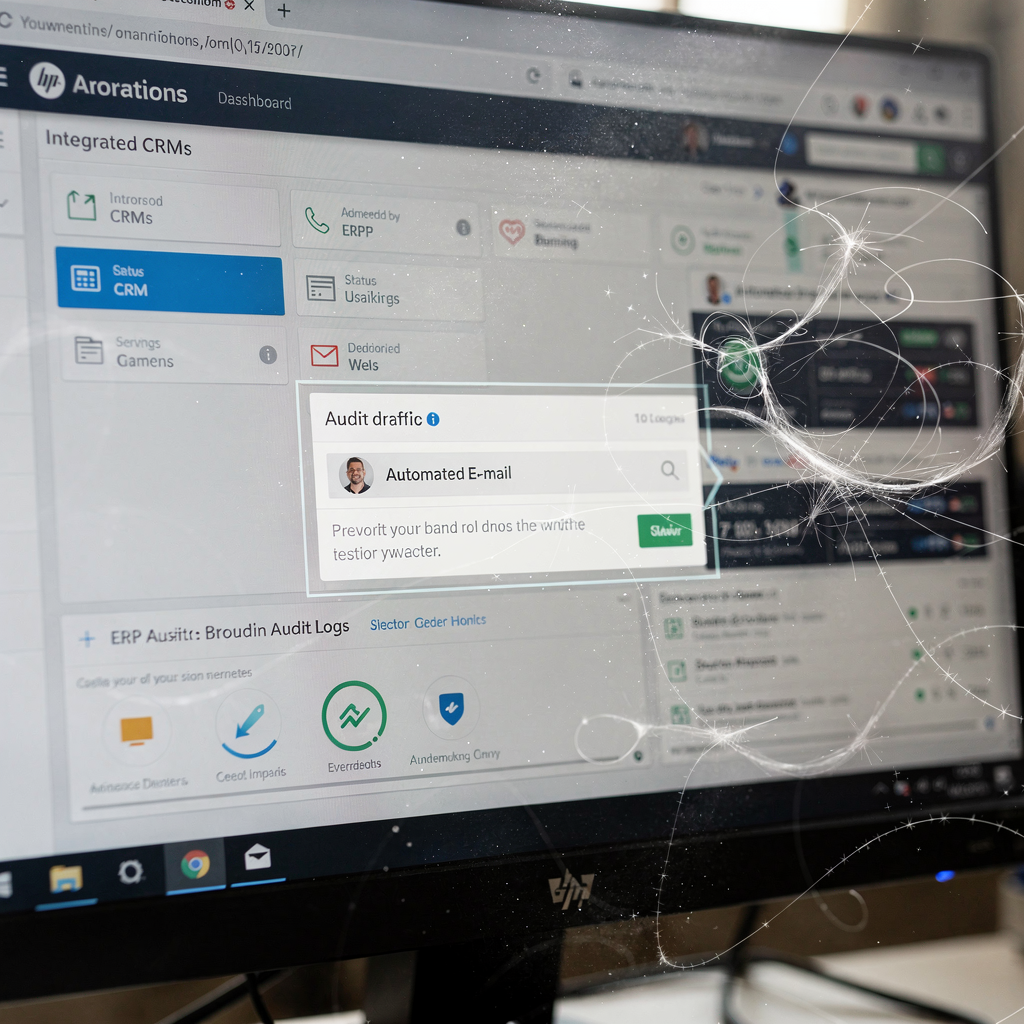
integrate ERP and crm: security, compliance and gas distribution with ai to improve productivity in oil and gas
Integration, security, and compliance matter when you connect AI into ERP and CRM systems. For gas distribution with AI, proper encryption and audit logs are non-negotiable. Ensure compliance by logging automated communications, storing access records, and setting strict escalation rules. These controls protect customers and meet regulator expectations in the gas industry and the broader energy companies space.
To adopt safely, train models on sector terminology and historical threads. Test the assistant on past emails and set clear escalation criteria for legal or safety flags. The assistant should create structured entries in the ERP when it resolves an inquiry or updates order statuses. That reduces errors and improves traceability across the distribution network.
Track measurable KPIs to prove gains. Use response time, first-contact resolution, customer satisfaction, and a cost-per-enquiry metric to measure improvement. These metrics show how AI improves operational efficiency and productivity while reducing manual workloads. For distribution teams, a single metric to watch is time to focus on high-value tasks; as the assistant handles routine items, staff can work on deliveries and exceptions that affect safety and compliance.
Operational adoption benefits from vendor tooling and governance. Choose AI companies that provide end-to-end email memory, transparent grounding into ERP and CRM, and zero-code configuration so business teams can set tone and rules. virtualworkforce.ai offers a model that connects to TMS, WMS, SharePoint and ERPs to ground replies in real data, which makes it simpler to deploy AI without brittle manual prompts (hvordan forbedre logistikk-kundeservice med AI). When deployed responsibly, generative ai and advanced ai tools help oil and gas distributors cut operational costs, improve response time and customer satisfaction, and maintain strict compliance.
FAQ
What is an AI email assistant and how does it work?
An AI email assistant is software that reads inbound messages, classifies intent, and drafts or sends replies using business rules and connected data. It integrates with CRM and ERP to pull invoice and delivery status so responses remain accurate and traceable.
How can an ai agent improve response time for gas companies?
An ai agent automates triage, sends common confirmations, and routes complex cases to humans, which shortens response time and reduces repeat follow-ups. Utilities report faster customer service response times when they adopt these tools (DOE).
Are automated replies compliant with regulations?
They can be if you build in audit logs, escalation rules, and encryption between systems. Ensure the assistant flags safety- or regulation-related language for human review to maintain compliance.
What integrations are necessary for delivery and invoice management?
You need integration with ERP for invoice and stock data and CRM for customer context and contact history. Linking these systems lets the assistant confirm delivery ETAs and attach invoices automatically.
Will automation mean job losses in customer support?
Automation typically shifts roles rather than eliminates them; staff move from repetitive tasks to exception handling and oversight. Organizations often scale operations without adding headcount while improving service levels.
Can generative ai handle complex billing disputes?
Generative ai can draft responses and gather relevant documents, but complex disputes should usually escalate to human agents. The AI can prepare context so humans act faster and more accurately.
How do I measure ROI for an ai email assistant?
Track metrics such as cut handling time, first-contact resolution, cost per enquiry, and customer satisfaction scores. These KPIs show reductions in operational costs and improvements in efficiency and productivity.
Is the solution secure for sensitive customer data?
Yes, when you implement encryption, access controls, and logging between AI, CRM and ERP. Providers should offer governance features that let IT control data access and auditing.
What are quick wins for deploying AI in gas distribution?
Start with routine notifications like delivery confirmations, late invoice reminders, and outage alerts. These reduce repetitive tasks quickly and demonstrate measurable gains fast.
Where can I learn more about applying AI to logistics email drafting?
Explore vendor resources and case studies that focus on logistics email drafting and ERP email automation. For practical guides and implementation patterns, visit virtualworkforce.ai resources on logistics email drafting and ERP email automation (logistikk e-postutkast) and (ERP e-postautomatisering).
Drowning in emails?
Here’s your way out
Save hours every day as AI Agents label and draft emails directly in Outlook or Gmail, giving your team more time to focus on high-value work.