


ai in the travel industry: a 2025 snapshot for travel agencies
AI is reshaping the travel landscape quickly, and the evidence is clear. About Około 40% podróżnych na świecie korzystało z narzędzi opartych na AI do planowania podróży do połowy 2025 r., which signals meaningful consumer adoption and shifting expectations. At the same time, industry leaders see AI as strategic. For example, 84% of travel executives believe AI is central to their growth goals, a stat that underlines how agencies must adapt. However, human relationships keep strong value. In the UK, traditional travel agents remain popular: a study found agents were reported to be about 14 times more popular than AI tools for holiday bookings. This mix of digital use and human preference guides how travel agencies should plan.
First, agencies must accept that AI will be part of everyday operations. Second, they should balance automation and the personal service that clients trust. Third, operational efficiency gains will free staff to advise high‑value clients and handle complex itineraries. For teams that manage large volumes of email and supplier correspondence, tools that automate repeated replies and data lookups cut manual work and help agents focus on planning a trip that feels bespoke. For instance, logistics teams use AI to reduce handling time and improve consistency; firms like ours, virtualworkforce.ai, apply the same pattern to travel operations so agents can spend more time on advisory work rather than repetitive email triage. Agencies that move fast can offer AI-enabled convenience while protecting the human touch that clients still want. Therefore, the key takeaway here is simple: provide seamless, AI-powered options, and keep human counsel available for complex or high‑value decisions. That approach will keep traditional travel strengths while adding digital scale and speed.
First, agencies must accept that AI will be part of everyday operations. Second, they should balance automation and the personal service that clients trust. Third, operational efficiency gains will free staff to advise high‑value clients and handle complex itineraries. For teams that manage large volumes of email and supplier correspondence, tools that automate repeated replies and data lookups cut manual work and help agents focus on planning a trip that feels bespoke. For instance, logistics teams use AI to reduce handling time and improve consistency; firms like ours, virtualworkforce.ai, apply the same pattern to travel operations so agents can spend more time on advisory work rather than repetitive email triage. Agencies that move fast can offer AI-enabled convenience while protecting the human touch that clients still want. Therefore, the key takeaway here is simple: provide seamless, AI-powered options, and keep human counsel available for complex or high‑value decisions. That approach will keep traditional travel strengths while adding digital scale and speed.
ai agent for travel and ai travel agent: what these systems actually do for travel planners
AI agents and AI travel agents act as digital assistants for travel planners. They scan massive price sets, compare hotel availability, and propose optimized itineraries in seconds. These systems can manage multi‑vendor booking, linking flights, hotels, transfers, and extras. They also handle calendar and budget management so agents spend less time on manual checks and more time on curation. Agencies that adopt such systems can automate routine booking tasks while preserving human oversight for exceptions. In practice, an AI agent will surface the next best option, then present choices with clear tradeoffs. The agent may highlight refundable fares, loyalty benefits, and optimal connection times. That helps travel planners make fast, informed recommendations.
AI also speeds up change handling. When flights are delayed, an AI travel assistant can detect a disruption and suggest rebook options. Then it can draft a message to the traveler or to supplier contacts, ensuring the right action is taken quickly. For business travel, this reduces stress and keeps schedules intact. It is important, however, to combine AI outputs with human verification for high‑value or complex bookings. For example, a travel consultant may review an AI-generated itinerary before confirming a multi-stop corporate trip. That mix prevents errors and keeps client trust high.
Practical deployments show measurable wins. Teams can save time on research and reduce manual work on confirmations and supplier checks. Additionally, AI trip planner modules improve personalization by learning traveler preferences. For agencies facing heavy email volumes, end‑to‑end email automation for operations is a pragmatic place to start; see approaches that simplify message triage and drafting for travel operations in logistics contexts such as zautomatyzowana korespondencja logistyczna. This step frees agents to focus on creative planning and client service rather than repetitive workflow tasks.

Drowning in emails?
Here’s your way out
Save hours every day as AI Agents label and draft emails directly in Outlook or Gmail, giving your team more time to focus on high-value work.
ai travel, ai trip, ai trip planner and ai travel planner: core use cases and real-world use cases
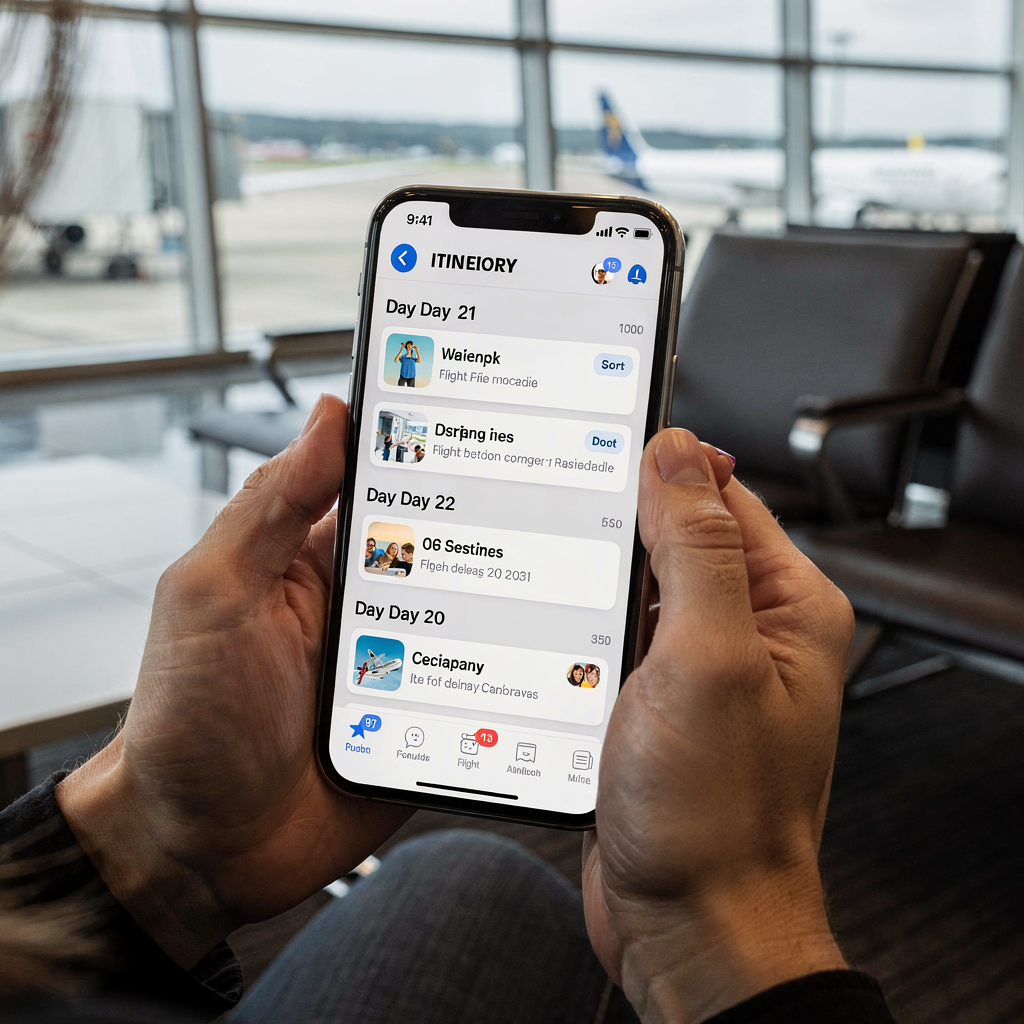
AI travel tools power core features that agencies use every day. Primary use cases include flight and hotel price comparison, dynamic packaging, personalized recommendations, itinerary optimization, and predictive pricing. AI trip planners aggregate data from GDS, OTAs, and supplier APIs, creating personalized itineraries that match traveler preferences and budgets. These personalized itineraries can be fed directly into mobile apps so travelers have a day‑by‑day plan and real-time alerts. For example, AI can suggest the perfect pair of activities for a family vacation or recommend quieter hotels for a working traveler who needs reliable Wi‑Fi. That level of personalization improves conversion and loyalty.
Real-world use cases show clear outcomes. Many agencies deploy chatbots and AI chatbots to cover 24/7 routine queries. These bots answer policy questions, confirm booking details, and even rebook canceled flights when possible. When an airline cancels a leg, AI can propose alternative routings and prepare a draft response, so the agent only approves the final booking. In another case, agencies use predictive analytics to time marketing and secure the best deals, which translates into cost savings for clients. Data also supports operational KPIs: quote turnaround falls, conversion improves, and manual cancellations drop.
Some deployments go further. Advanced AI solutions support multilingual AI interactions and sentiment analysis, so the system adapts tone and urgency. They integrate with back‑office systems for tariff checks and invoice reconciliation. For agencies curious about stepwise implementation, an introduction to how to scale logistics operations without hiring gives a practical playbook that applies to travel teams as well; see guidance on jak skalować operacje logistyczne bez zatrudniania. Overall, real-world use cases show that AI trip planners increase speed and personalization while reducing repetitive tasks for travel planners.
agentic ai, ai agent and ai chatbots: automating bookings, chatbots and the travel experience
Agentic AI differs from standard chatbots in its scope and autonomy. An agentic AI acts proactively and can orchestrate actions across systems. It can book, change, and cancel reservations when rules allow. Chatbots, in contrast, are typically conversational tools that answer FAQs and guide users. Used together, agentic AI and chatbots reduce friction and improve the customer journey. For example, a chatbot can triage a request and hand off to an AI agent that completes the booking, then notify human agents when intervention is needed. This layered approach keeps human oversight while automating routine tasks.
Operationally, integration matters. Live operations require APIs and shared data so the agent and human agent have one truth. Integrating with GDS and OTAs is essential for accurate travel booking status, and real-time updates from airlines and suppliers help systems rebook canceled flights quickly. Systems that use real-time data minimize double bookings and reduce manual reconciliation. For teams that manage large inboxes and supplier messages, end‑to‑end email automation is a low-friction starting point; our team at virtualworkforce.ai focuses on automating the full email lifecycle so agents can concentrate on advisory tasks rather than email triage. See a practical example of ERP-grounded email automation for logistics and apply similar logic to supplier confirmations in travel via automatyzacja e-maili ERP.
Customer impact is clear. Travelers get faster responses and more accurate itinerary updates. Travel companies cut routine support costs and can direct human agents to complex changes or customization requests. This improves customer support and makes the travel experience smoother. Ultimately, the goal is to combine conversational AI and agentic AI in a way that is transparent and auditable so agencies maintain trust while benefiting from automation.
Drowning in emails?
Here’s your way out
Save hours every day as AI Agents label and draft emails directly in Outlook or Gmail, giving your team more time to focus on high-value work.
ai solutions, ai for travel and right ai: choosing and integrating the right technology
Choosing the right AI solutions begins with clear priorities. First, determine what to automate and why. Start with tasks that are repetitive, data-dependent, and rules-based. For many travel teams, booking confirmations, supplier queries, and recurring email threads are prime candidates. Next, evaluate vendors for data access, API compatibility, explainability, and GDPR compliance. Vendor reliability and cost model also matter. The right AI balances advanced capabilities with clear governance and audit logs. Agencies should prefer systems that surface why a recommendation was made so agents can verify and trust the outcome.
Practical integration steps help control risk. Map critical data flows from reservations systems, loyalty platforms, and payment providers. Then pilot a narrow use case—such as automated rebook proposals for delayed flights—and measure outcomes. Define hand‑off rules so AI escalates to human agents for exceptions. Monitor accuracy and bias, and keep audit trails for supplier interactions and payments. For travel organizations that need to automate email-driven workflows, consider methods from logistics teams that document escalation paths and preserve context; learn how teams reduce manual work with tailored bots at jak usprawnić obsługę klienta w logistyce dzięki sztucznej inteligencji. That approach maps cleanly to travel inboxes where context and history affect the result.
Risk controls should include clear escalation paths, audit logs for decisions, and privacy‑by‑design approaches for traveler data. Also, define success metrics up front: reduction in manual work, quote turnaround time, booking accuracy, and agent satisfaction. Finally, choose the right AI that fits your operation. A modular approach allows you to deploy conversational AI for front‑line queries, agentic capabilities for booking automation, and specialized models for price prediction. That combination brings speed without losing the human judgement that travelers still value.
ai travel planner, use cases and real-world use cases: an implementation roadmap for travel agencies
Implementation succeeds when agencies follow a pragmatic roadmap. Begin by defining priority use cases. Focus on wins that deliver measurable savings and customer value. Then run a three‑month pilot. Measure KPIs such as quote time, conversion rate, agent time saved, and NPS. Iterate rapidly, then scale the most effective workflows. This pilot-first approach keeps risk low and shows early benefits.
Change management is essential. Train human agents to co‑work with AI, and update standard operating procedures to include escalation rules and quality checks. Keep a human fallback for complex itineraries or high-value clients. For larger programs, map how AI interacts with loyalty rules and supplier contracts to avoid mispricing or unexpected fees. Also consider the broader market: fully autonomous agent scenarios are becoming possible, yet many agencies will keep a hybrid model because customers still value personalised advice and an empathetic travel consultant. Agencies that combine automation and human insight will win business travelers and leisure planners alike.
Looking ahead, agentic AI and interconnected agent ecosystems promise more end‑to‑end automation. Still, the companies that do best will balance AI convenience with expert human service. For teams handling high email volumes and supplier coordination, building an AI that understands intent and grounds responses in operational data saves time and improves consistency. Virtualworkforce.ai automates the full email lifecycle so agents adapt faster and can plan and book with more confidence. Start small, measure results, and scale gradually. That path leads to efficient workflows, happier travelers, and sustainable growth for travel companies.
FAQ
What is an AI agent in travel?
An AI agent is a software system that can perform travel-related tasks such as searching fares, assembling personalized itineraries, and drafting supplier emails. It acts on rules and data to propose options, and it can escalate to human agents when decisions need human judgment.
How do AI agents help travel planners?
They speed up research and reduce manual work by automating price checks, confirmations, and routine messages. As a result, travel planners save time and can focus on customising trips and improving client relationships.
Are AI chatbots the same as agentic AI?
No. Chatbots handle conversational queries and FAQs, while agentic AI can act across systems to book, change, or cancel reservations based on rules. Used together, they cover both interaction and action layers.
Will AI replace human agents?
AI will automate repetitive tasks but human agents remain essential for complex planning and sensitive customer support. Most agencies will adopt a hybrid model where AI handles routine work and human agents handle nuance and personalization.
How do I choose the right AI for my agency?
Evaluate vendors for data access, API compatibility, explainability, and compliance. Pilot a narrow use case, measure KPIs, and scale what works. Also include escalation rules and audit logs to maintain control.
Can AI handle flight disruptions automatically?
Yes. When integrated with real-time data, AI can detect canceled flights and propose rebook options or draft messages for approval. It speeds response and reduces the manual coordination needed after disruptions.
What privacy concerns should agencies consider?
Agencies must protect traveler data with GDPR-aligned controls and privacy-by-design system architecture. Clear consent, secure storage, and audit trails are essential when AI accesses booking and payment data.
How fast can an agency see ROI from AI?
Many pilots show ROI within a few months when AI reduces manual work and improves conversion. Measuring quote time, agent time saved, and NPS will show whether a pilot delivers value.
Can small agencies use AI without heavy IT work?
Yes. Several vendors offer low-code or no-code setups that connect to common systems and automate workflows. Start with a single use case like automated confirmations or inbox triage to save time quickly.
Where can I learn more about operational AI that helps agents?
Look for case studies on email automation and workflow AI that show reductions in manual work and improved response quality. For example, virtualworkforce.ai documents approaches to automate operational email and reduce handling time, which applies well to travel operations.
Drowning in emails?
Here’s your way out
Save hours every day as AI Agents label and draft emails directly in Outlook or Gmail, giving your team more time to focus on high-value work.