


AI agents transform last mile delivery: optimise routing, real-time dispatch and fleet efficiency
The last mile is the most costly segment of supply chains. Indeed, last-mile operations typically account for about 30–50% of total delivery cost. Therefore, logistics teams prioritise routing and dispatch to cut that share. AI agents act as autonomous decision-makers. They gather real-time data, evaluate constraints, and recommend actions. For example, an AI agent can DYNAMICZNIE reroute a courier when traffic conditions worsen, and then reassign nearby parcels to reduce idle time.
Problem: manual scheduling creates bottleneck and higher fuel costs. Manual processes add driver hours and dwell time. They also raise labour costs. Next, AI approach: use AI for route optimization and dynamic dispatch. AI analyses traffic, weather, order priorities, and vehicle capacity. It can optimize routes for multiple stops, reduce vehicle kilometres, and cut fuel costs. For an e-commerce operator, this reduces failed delivery attempts and improves on-time performance.
Measurable impact: a study showed approximately a 12% increase in delivery efficiency after AI-driven changes. Also, multi-agent coordination reduces total vehicle kilometres travelled in trials, improving sustainability and cost per shipment (ScienceDirect). Key metrics include vehicle kilometres, on-time delivery, fuel costs, driver hours, and dwell time.
Implementation tips: start with pilot corridors and a clear workflow for exceptions. Use centralised optimisation where you need a global view. Use edge agents on vehicles for fast local decisions. Integrate AI with your fleet management and ERP. For more detail on automating logistics correspondence and email workflows, see our guide to zautomatyzowana korespondencja logistyczna. Also, keep humans in the loop for high-value shipments and complex tasks.
What to measure: cost per delivery; vehicle kilometres; on-time rate; dwell time; fuel costs.
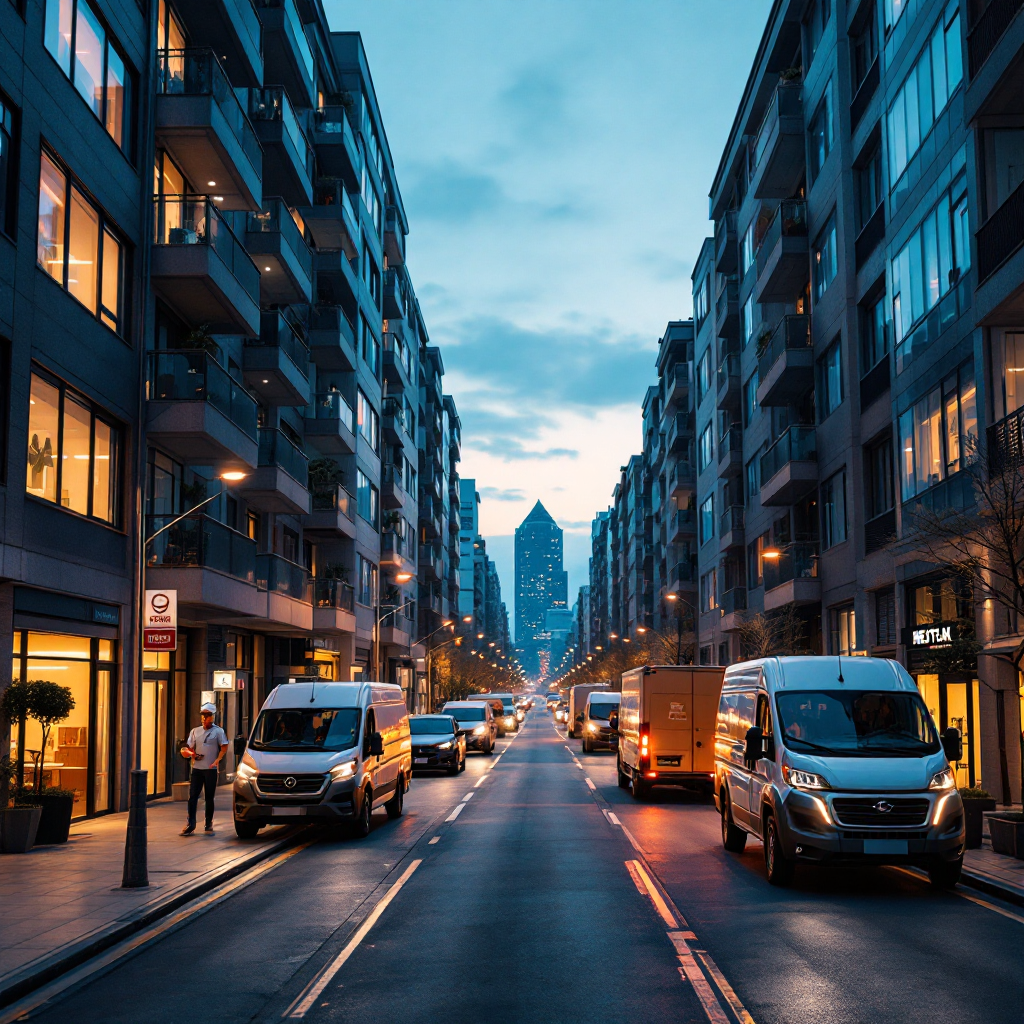
Use agentic AI and multi‑agent systems to automate parcel logistics and reduce vehicle kilometres
Problem: parcel networks face fragmented decisions across hubs and vehicles. Each hub makes local choices. Then conflicts occur and inefficiencies rise. Centralised systems sometimes miss local constraints. Therefore, agentic AI enables distributed decision-making. In a multi-agent system, many AI agents coordinate to balance loads across hubs. They negotiate task assignments, resolve conflicts, and reroute vehicles when needed.
AI approach: agentic systems let local agents act autonomously while sharing intent. Consequently, they reduce contention for vehicles and docks. They improve resource use by modelling capacity and schedules. Research shows intelligent multi-agent systems can decrease total vehicle kilometres travelled (ScienceDirect). Similarly, multi-agent coordination helps parcel logistics scale during peaks.
Measurable impact: lower vehicle kilometres and higher utilisation. Also, fewer empty runs and improved throughput at hubs. Practically, central agents handle strategic constraints. Edge agents handle immediate events. This hybrid design helps systems adapt quickly to disruptions like weather or road closures. When traffic conditions change, a nearby agent can reroute local couriers autonomously while the central agent reallocates tasks.
Implementation tips: define clear conflict-resolution rules. Ensure agents share a common data model and essential data sources. Provide edge compute where connectivity is intermittent. Use short feedback loops and A/B testing for policies. If you want a frictionless way to reduce email bottlenecks between hubs, consider our no-code AI email agents for ops teams, which free planners to manage exceptions rather than draft repetitive messages.
What to measure: total vehicle kilometres; hub throughput; vehicle utilisation; task reassignments per hour.
Drowning in emails?
Here’s your way out
Save hours every day as AI Agents label and draft emails directly in Outlook or Gmail, giving your team more time to focus on high-value work.
Forecast demand and transform distribution center planning with digital twins and AI platform analytics
Problem: distribution centres struggle with capacity mismatch. Peak demand spikes overwhelm packing and routing. As a result, throughput drops and fulfillment costs rise. AI approach: couple predictive forecasting with digital twins. An AI platform uses order history, promotions, weather, and local events to forecast demand. Then, a digital twin simulates distribution centre layouts, packing rules, and labour rosters. This lets teams test scenarios before peak loads hit.
Measurable impact: predictive forecasting and simulation drive higher throughput and fill rates. For example, AI has delivered roughly a 12% efficiency uplift in last-mile processes. In practice, this reduces wasted driver hours and lowers reduced operational friction at the centre. Moreover, planners can optimise packing and adjust delivery routes to match predicted volumes.
Implementation tips: feed your ai platform with diverse data points. Include ERP, TMS, sales forecasts, and courier telemetry. Use machine learning models to produce a system accurately predicts short-term peaks. Then, run digital twins to evaluate routing and packing strategies. For distribution centres that need faster correspondence between planners and carriers, our ERP email automation tools can speed order confirmations and exception handling across systems.
What to measure: throughput; fill rate; driver utilisation; peak-season resilience; time-to-assign during surges.
Enhance customer experience and customer satisfaction: balance chatbots with human agents for complex tasks
Problem: customers expect fast, accurate answers about delivery times and windows. However, many prefer human contact for exceptions. A 2023 study found that about 86% of customers still prefer human agents for delivery communication. Therefore, a hybrid approach works best. Use chatbots for routine status queries, and escalate complex tasks to humans.
AI approach: deploy AI-powered notifications, ETA updates, and self-serve options. Use chatbots for tracking, simple rescheduling, and locker instructions. Then, route exceptions, damage claims, and service recovery to human agents. This preserves customer trust while reducing repetitive workload. virtualworkforce.ai helps ops teams by drafting context-aware replies that pull data from ERP, TMS, and email history. This cuts handling time and improves first-contact resolution.
Measurable impact: higher CSAT and improved NPS when escalation flows work. Also, lower time to first meaningful response and higher contact resolution rates. Best practice: provide clear escalation triggers. For example, failed delivery attempts, high-value shipments, or complex rebookings should go to a human. Train chatbots with frequent questions, and continuously monitor performance using analytics.
What to measure: CSAT; NPS; contact resolution rate; time to first meaningful response.
Drowning in emails?
Here’s your way out
Save hours every day as AI Agents label and draft emails directly in Outlook or Gmail, giving your team more time to focus on high-value work.
Apply computer vision, IoT and automation to speed parcel handling and decarbonise last‑mile logistics
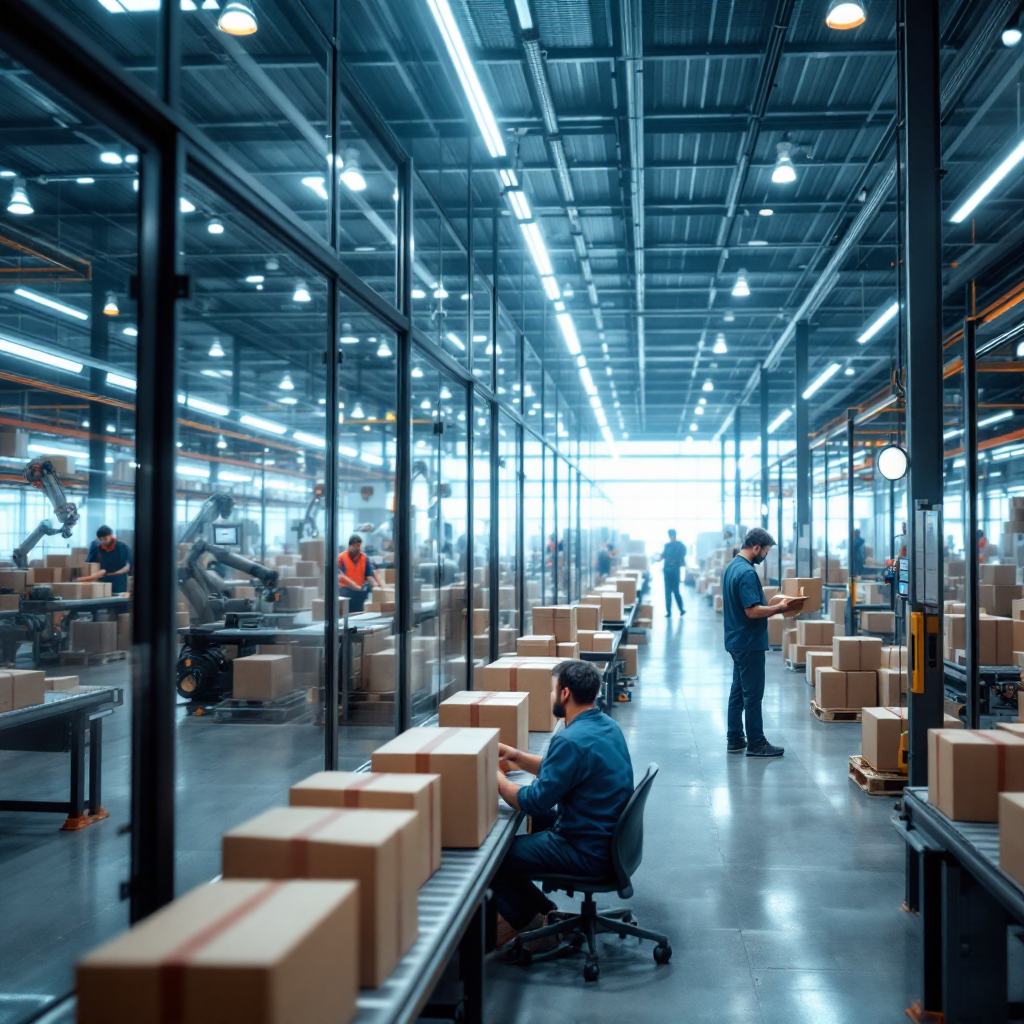
Problem: manual sorting and inspection cause delays and damage disputes. Additionally, repeated failed attempts raise carbon per parcel. AI approach: use computer vision for parcel sorting and damage detection. Then, use IoT to supply real-time data on vehicle location, temperature for food and beverage, and package condition. Combine these with automation for handovers like lockers and micro-fulfilment centres.
Measurable impact: faster handling, fewer failed attempts, and lower emissions through better load planning. For instance, computer vision can detect damaged parcels on conveyor lines. That saves time for exception handling. Meanwhile, IoT and vehicle telemetry help dynamically adjust delivery routes to minimise kilometres and fuel costs. For operators, this improves sustainability and cuts fuel costs.
Implementation tips: ensure high-quality camera feeds and consistent labelling. Integrate computer vision with warehouse management systems to avoid data silos. Use cloud or edge compute based on latency needs. Expect upfront hardware costs, but model payback from labour savings and reduced claims. Our tools can automate the correspondence that follows an intercepted damaged parcel by drafting accurate, audit-ready emails and logging actions into your systems (see automations for documentation).
What to measure: handling time per parcel; failed attempt rate; emissions per parcel; claims rate; load factor.
Measure competitive advantage: actionable insights, proactive routing and the challenges of parcel last‑mile deliveries
Problem: many teams treat AI outputs as reports, not business levers. As a result, gains erode under competitive pressure. AI approach: turn outputs into actionable insights. Feed predictive analytics into dispatch, fleet management, and customer channels. Then, test routing policies with A/B experiments. Also, keep a human fallback plan for unusual scenarios.
Measurable impact: improved cost per delivery, lower failed delivery rate, and a measurable competitive advantage. Quick checklist: track cost per delivery, failed delivery rate, return rate, and carbon per parcel. Add governance and continuous A/B testing. Address common challenges of parcel operations: postcode density, returns, and consumer expectations for narrow delivery windows.
Implementation tips: pilot, scale, monitor, and maintain human fallback. Avoid these pitfalls: poor data quality, weak escalation paths, and over-automation of complex tasks. Mitigation: enforce data audits, clear escalation workflows, and phased rollouts. For teams that need to reduce repetitive tasks and speed replies, virtualworkforce.ai reduces email handling time dramatically, freeing planners to focus on policy and exceptions rather than drafting status messages (scale operations with AI agents).
What to measure: cost per delivery; failed delivery rate; return rate; carbon per parcel; time to resolve exceptions; labour costs.
FAQ
What is an AI agent in last-mile logistics?
An AI agent is an autonomous software entity that makes decisions and acts on data. It can reroute vehicles, assign tasks, or draft messages autonomously when integrated with systems.
How much of delivery cost is tied to the last mile?
Last-mile operations account for roughly 30–50% of total delivery cost, according to industry sources (ClickPost). This makes optimisation essential.
Can AI reduce vehicle kilometres?
Yes. Studies show intelligent multi-agent systems and routing improvements can reduce vehicle kilometres and emissions (ScienceDirect). The exact saving depends on route density and fleet mix.
Will customers accept AI communication?
Customers welcome fast updates, yet many still prefer humans for complex issues. A 2023 study found around 86% favour human agents for delivery communication (DispatchTrack). Hybrid models work well.
When should companies use centralised vs decentralised control?
Use centralised optimisation for strategic planning and peak forecasting. Use agentic, decentralised control for local, time-sensitive decisions like rerouting during traffic.
What role do digital twins play?
Digital twins let teams simulate distribution centre layouts and workflows. They test packing and routing strategies before real-world deployment, reducing risk and improving peak resilience.
How does computer vision help parcel handling?
Computer vision speeds sorting, detects damage, and automates inspection. It reduces manual checks and lowers handling time. Integration with WMS is crucial for benefits.
What KPIs should logistics companies track first?
Start with cost per delivery, failed delivery rate, on-time rate, and carbon per parcel. Then track agent performance metrics and time to resolve exceptions.
Are AI agents expensive to implement?
Initial costs include software, integration, and sometimes hardware. However, pilots often show payback through reduced fuel costs and lower labour time. Plan for phased rollouts.
How can I reduce repetitive email work in operations?
Use no-code AI email agents that draft context-aware replies and update systems. virtualworkforce.ai offers connectors to ERP, TMS, and WMS to cut handling time and improve accuracy.
Drowning in emails?
Here’s your way out
Save hours every day as AI Agents label and draft emails directly in Outlook or Gmail, giving your team more time to focus on high-value work.