


How ai agents strengthen utility resilience and operational efficiency
AI agents analyse sensor feeds, SCADA logs and billing records to detect anomalies, prioritise work and suggest actions in seconds. First, they bring data together. Next, they match patterns to known failures. Then, they produce a clear action for an operator to accept or reject. This speeds decision-making and helps teams meet business goals. For example, one suburban US utility reported roughly US$213k in avoided loss after deploying AI leak detection, which shows how fast value can appear when agents run against zones with chronic water loss Źródła podają. Many utilities already combine short‑interval telemetry with AI for fault detection and prioritisation.
Key performance indicators to track include non-revenue water, response time, unplanned downtime and energy per cubic metre. Also, track reductions in non-revenue water and the percent of work orders closed within SLA. Dashboards should show the baseline and the agent recommendation side by side. This preserves institutional knowledge. In practice, keep models auditable and linked to existing operational processes so that knowledge does not leave the organisation. virtualworkforce.ai helps operations by automating repetitive, data-driven messages and preserving context across emails and work orders; this reduces wasted time for field crews and the operator who coordinates them. Also, the platform can route exceptions and attach relevant SCADA snapshots to a ticket so crews see the full context before they dig down.
Governance matters. Therefore, pair AI agents with human oversight during early deployments. Also, document model inputs, decision thresholds and approval workflows. Use short pilots to refine alerts and to make sure the agent recommendations align with operator judgment. Finally, quantify the environmental and operational trade-offs so the organisation can both accelerate deployment and reduce operational costs responsibly. For energy and water use of AI infrastructure, read analyses that explain the footprint of artificial intelligence operations and the trade-offs involved Measuring AI’s footprint. This helps leaders plan for net benefit and track the future of water performance.
Core use cases: real-time monitoring, leak detection and agents for water in the water network
Real‑time monitoring is a primary use case where AI agents ingest flow, pressure, acoustic and satellite inputs to flag leaks and pipe deterioration. AI systems combine acoustic sensors with machine learning models to localise a crack. Then, geospatial AI layers satellite or aerial data to find soil moisture anomalies. For instance, acoustic plus AI apps and geospatial providers are used today to prioritise field crews; some firms report dramatic drops in lost volume after a full deployment academic reviews note this trend. Acoustic tools such as FIDO-style devices and geospatial platforms like Rezatec are examples. Also, camera and inspection AI tools such as electro-scanning and closed-circuit video analytics support targeted dig‑downs.
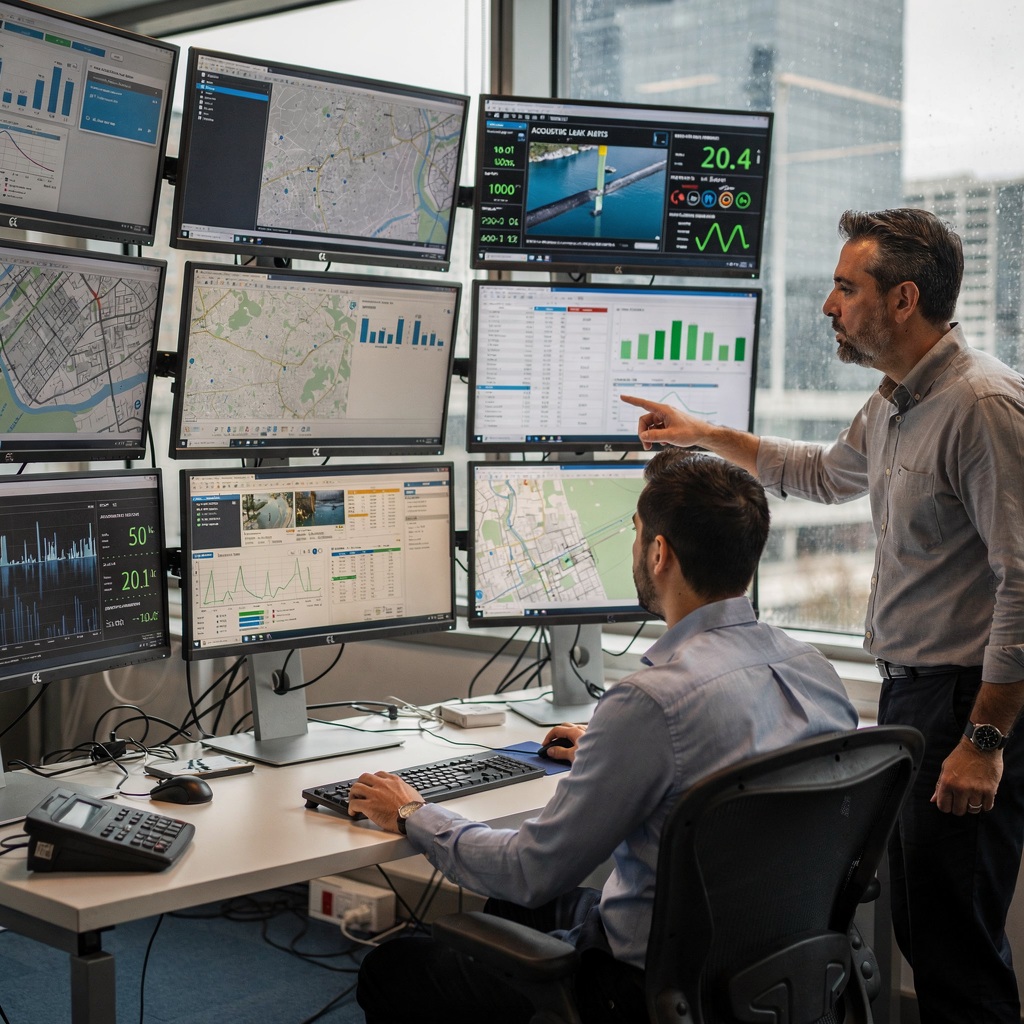
Measured benefits include faster detection, fewer night patrols and prioritised dig‑downs. Many utilities see fewer emergency repairs. Also, they report that field crews spend less time searching and more time repairing. A common implementation tactic is to pilot on a feeder zone that includes varied assets. Then, compare acoustic and geospatial outputs and verify false positives with simple field checks. This reduces unnecessary digs and improves crew scheduling. For initial pilots, collect baseline KPIs for three months and run the AI agent in advisory mode to build trust. Dowiedz się, jak zespoły skalują operacje za pomocą agentów AI.
Remember, leak detection reduces water loss and supports statutory reporting. Also, align the pilot with procurement and vendor transparency; ask for data‑centre energy and water use information when evaluating vendors. Finally, use both human and automated reviews to tune thresholds. This approach yields consistent reductions in non-revenue water and improves resilience across the water network while keeping operator workload sustainable.
Drowning in emails?
Here’s your way out
Save hours every day as AI Agents label and draft emails directly in Outlook or Gmail, giving your team more time to focus on high-value work.
Predictive maintenance and optimization: ai agent for process optimization of water infrastructure
Predictive maintenance uses models that forecast component failures from vibration, pressure and operating histories. Operators feed pump vibration traces and valve actuation logs into models that forecast time-to-failure. Then, crews schedule repairs before faults occur. This lowers unplanned downtime and reduces operational costs. Municipal pilots in Europe show better reservoir management through better demand forecasting and pump scheduling. A mix of short‑term and seasonal forecast models reduces tank cycling and saves energy. Also, predictive analytics guide inspection plans so teams inspect the highest‑risk assets first.
AI agents for process optimization can optimize pump schedules and chemical dosing to cut energy and chemical waste. For example, an AI-driven pump schedule reduces run hours and matches supply with water demand signals. Use both hourly forecasts and longer seasonal models during design. Validate models with controlled experiments before full automation. Operators should test automated setpoint changes in a safe, supervised mode. Human oversight reduces risk and keeps accountability clear. Zobacz, jak uporządkowana automatyzacja usprawnia operacje.
Another useful tactic is to combine a digital twin with sensor fusion to support optimization tests. Digital twin simulations let teams trial new pump strategies without risking supply. Also, use lightweight models for edge inference where connectivity is variable. This lowers energy use and speeds response. When you deploy, measure reductions in energy use and in water loss. Balance these gains against the training and inference energy and water footprint of the AI models. Reports on data‑centre resource use provide guidance for this trade‑off and for procurement choices data on energy and water use.
Automation for wastewater: autonomous systems to prevent overflow across water and wastewater networks
Autonomous control loops and AI agents for wastewater adjust gate and pump settings to lower overflow risk during storms. Real‑time models that combine rainfall forecasts and sewer levels can change setpoints to create buffer capacity ahead of a storm. This reduces spill volumes and improves regulator reporting. Many utilities use models that trigger pre‑emptive pump runs and gate changes. These steps lower public health exposure and the frequency of emergency interventions. In one study, linking telemetry to control logic reduced overflow incidents and improved compliance with discharge permits.
Wastewater management tools rank assets by risk to guide inspections. Then, maintenance is scheduled by priority. This prevents low‑probability-high‑impact failures. However, regulation often requires human sign‑off for safety‑critical operations. Therefore, design systems with human oversight and supervised autonomy. That way, an operator reviews and confirms automated actions when required. Also, ensure all automated decisions are logged and auditable.
When deploying autonomous water management, consider both the benefits and the computing footprint. AI-driven models can consume substantial compute cycles during training and inference. Therefore, use edge compute or efficient models where possible. Also, require vendors to disclose energy and water use for their clouds and data centres. For instance, studies show that data centres supporting AI can use millions of gallons annually for cooling, which forces a trade‑off between reduced network losses and upstream water footprint hidden costs of AI. Design procurement to favour providers using recycled water or low‑water cooling. Finally, keep operator interfaces simple and ensure work orders contain clear context so crews can act fast and safely.
Drowning in emails?
Here’s your way out
Save hours every day as AI Agents label and draft emails directly in Outlook or Gmail, giving your team more time to focus on high-value work.
Data, analytics and institutional knowledge: optimize water systems and preserve institutional knowledge
Standardise telemetry, meter and asset data to enable analytics and to capture institutional knowledge in models. A strong data strategy is the foundation for digital twins, anomaly-detection agents and anomaly detection across the estate. First, align names, timestamps and units across SCADA and meter systems. Next, build a reference asset registry so analytics can map sensor signals to physical components. Then, add context from historical work orders and maintenance logs so the AI agent can learn common failure patterns. This helps shorten the learning curve for new staff and preserves institutional knowledge.
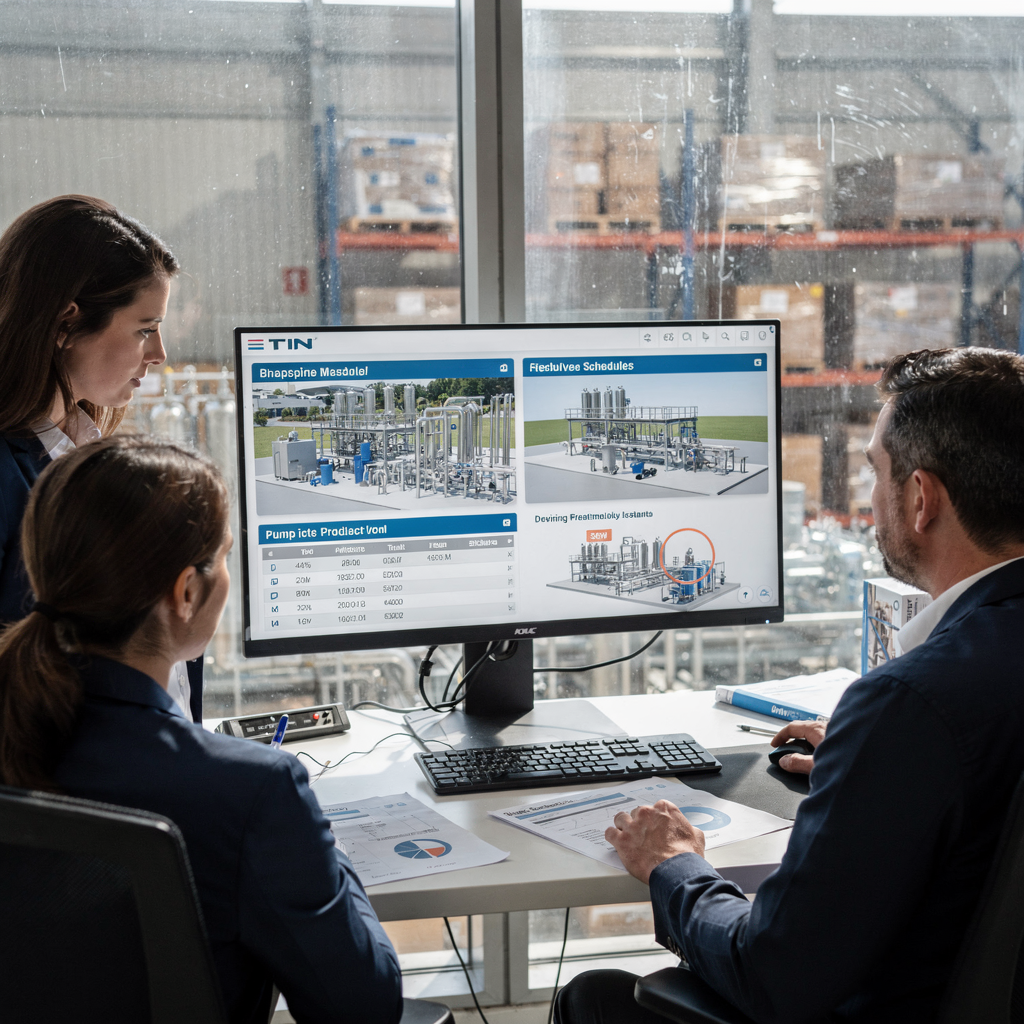
Digital twin models allow teams to test process optimization and to validate changes before crews apply them in the field. Also, anomaly models surface unexpected patterns so operators can focus on what matters. For example, an agent that learns common repair heuristics can draft a work order, attach diagnostics and suggest spare parts. virtualworkforce.ai automates the email lifecycle around these events, creating structured tickets and pushing them into ERP or maintenance systems so the human in the loop has complete context Dowiedz się, jak automatyzacja łączy wiadomości z systemami. This reduces time spent on triage and keeps institutional knowledge in the workflow.
Run parallel dashboards for about six months to align operator judgement with agent recommendations. Also, collect feedback and iterate on thresholds. Use predictive maintenance and predictive analytics to plan spare‑parts inventories and to set inspection cadences. Finally, tie analytics back to business goals so leadership can see business value and make informed funding decisions. This way, the organisation can transform from reactive fixes to proactive maintenance while preserving operator know‑how and institutional memory.
Environmental and operational trade-offs: ai agents for water, agentic ai and the water footprint of AI
Reports show that data centres supporting AI consume large volumes of water for cooling. For example, some analyses estimate millions of gallons per site per year and national data‑centre water use in the billions of gallons, which raises concerns for the water sector data and analysis. Therefore, utilities must weigh network gains against the upstream footprint of compute. Compare litres saved from reduced leaks to litres used by vendor data centres. This gives a measurable net benefit that guides procurement.
There are many ways to mitigate the footprint. For instance, use edge inference and lightweight models. Also, use batch updates rather than continuous heavy inference. Prefer vendors with recycled‑water cooling or efficient air cooling. Require transparency in vendor SLAs about energy use and water use. Additionally, set KPIs for energy and water per inference to track progress. Researchers call for sustainable AI practices and energy‑efficient algorithms so the benefits of artificial intelligence do not come at an unsustainable environmental cost analysis on AI footprint.
Governance is crucial. Set procurement criteria that demand vendor disclosures and that require a defined measurable net benefit: litres saved versus litres used. Also, track operational efficiency and reductions in non-revenue water to quantify gains. For agentic AI in water, ensure there is human oversight where safety or compliance issues exist. Finally, keep water leaders informed so they can balance short‑term improvements with long‑term resilience and the future of water. If you want to explore pilot setups, start with a single high‑loss zone and run the AI agent in advisory mode. Then, measure net water and energy impact before scaling up.
FAQ
What are AI agents and how do they apply to utilities?
AI agents are autonomous or semi‑autonomous software systems that learn from data and suggest or take actions. They apply to utilities by analysing sensor, SCADA and billing data to detect anomalies, prioritise work and draft work orders.
How do AI agents detect leaks in a water network?
They use inputs such as acoustic data, pressure trends and satellite imagery. Then, machine learning models highlight likely leak locations so crews can verify and repair them quickly.
Can AI agents help with pump scheduling and energy use?
Yes. AI agents can optimize pump schedules and chemical dosing to reduce energy use and water waste. They run forecasts, suggest schedules and create auditable recommendations for operators.
Are there environmental trade-offs when deploying AI for water?
Yes. Training and inference can require significant compute and data‑centre cooling, which uses energy and water. Therefore, utilities should measure net benefit and prefer efficient providers.
How should a utility start a pilot for AI-driven leak detection?
Pick a high‑loss zone and collect baseline KPIs for three months. Run the agent in advisory mode, validate results with field crews and measure net water savings before scaling.
What governance is needed for autonomous wastewater controls?
Design systems with human oversight and supervised autonomy for safety‑critical actions. Also, log all automated decisions and keep the operator in the loop for regulatory compliance.
How do AI agents preserve institutional knowledge?
They codify repair heuristics, failure patterns and decision thresholds in models and structured work orders. This shortens onboarding time for new staff and retains legacy know‑how.
What internal systems should be integrated for best results?
Integrate SCADA, asset registries, ERP and maintenance systems for a single source of truth. Automation should push structured tickets into existing workflows to avoid manual rekeying.
How can we measure the net water benefit of AI deployments?
Compare litres saved from reduced leaks and optimized operations against litres used by AI infrastructure. Require vendors to disclose data‑centre energy and water use to calculate a true net benefit.
Can my team adopt AI without heavy technical work?
Yes. Start with advisory mode pilots and use vendor solutions that offer no‑code setup or managed services. Also, automating email workflows with tools like virtualworkforce.ai reduces operator time spent on triage and helps teams focus on field actions zobacz automatyzację operacji.
Drowning in emails?
Here’s your way out
Save hours every day as AI Agents label and draft emails directly in Outlook or Gmail, giving your team more time to focus on high-value work.