


AI agent for hospitality: how a hotel AI agent personalises booking and guest experience
An AI agent is a conversational or agentic system that interacts with guests and hotel systems. For clarity, it can be a chatbot, a virtual concierge or an automated workflow that answers questions, recommends services and completes simple tasks. First, map the entire guest journey. Next, choose three high-value tasks for the AI agent: booking help, concierge recommendations and simple service requests. Doing so helps you tailor automation to the places that matter most.
Hotels that add AI agents report faster response times and stronger personalization across pre-arrival, in-stay and post-stay stages. For example, a recent industry review reports response time improvements of up to 50% when hotels use AI-driven guest communication tools Sztuczna inteligencja w branży hotelarskiej: korzyści, wyzwania i co dalej. Also, hotels using conversational booking and tailored offers saw a 20–30% rise in direct bookings, which reduces dependency on third-party platforms Jak hotele wykorzystują agentów AI, aby zwiększyć liczbę rezerwacji bezpośrednich. Therefore, an AI agent can lift conversion while improving the guest experience.
Practical note for a boutique hotel: map pre-arrival messages, upsell moments and key guest requests. Then, define clear escalation rules. A hybrid approach works best. Automate FAQs and check-in prompts. Meanwhile keep humans for complex requests and personal moments. This preserves the human touch that distinguishes boutique hotel service.
Operationally, connect the AI agent to your property management and CRM systems. When connected, the AI can access guest profiles and previous stays to personalize offers. For guest booking, the assistant can suggest room upgrades in real-time and confirm concierge requests without delay. If you want an example of email and ops automation that speeds replies and pulls data from enterprise systems, see how virtualworkforce.ai automates the full email lifecycle for operations teams jak skalować operacje logistyczne przy użyciu agentów AI. This same approach applies to hotel operations where email and messages create recurring workflow bottlenecks.
types of AI agents crushing it in the hotel: chatbots, agentic AI and AI‑powered concierge tools
Short taxonomy helps you pick the right tool. First, rule-based chatbots cover FAQs, simple booking links and routing. Second, LLM-based conversational agents handle free-text requests and context-aware replies. Third, agentic AI acts across systems to execute multi-step tasks. Fourth, vertical AI tools focus on revenue, CRM or housekeeping tasks. This taxonomy matches many hotel use cases and clarifies scope before you implement ai solutions.
LLM agents give richer, personalized replies because they process context and nuance. Studies show LLM-based assistants deliver more natural language responses and lift guest engagement. For proof, see a systematic review that finds AI technologies empower hotel employees to deliver more customized and timely services Czy AI może poprawić jakość obsługi hotelowej? Przegląd systematyczny. Meanwhile agentic AI can carry out actions like amend a reservation or send folios when integrated with PMS/CRMs. A 2025 report highlights practical business use cases for generative AI in travel and hospitality Generative AI w hotelarstwie: przypadki użycia dla firm i podróżnych.
Implementation tip: start with a hybrid. Automate FAQs and booking assistance first. Then pilot agentic tasks where integrations are safe. Also include the ai booking assistant in the pilot so you can measure conversion immediately. Make sure the hotel systems that handle payments and reservations are included in the integration plan. If email and operational messages slow your teams down, consider solutions that automate email triage and drafting. Our team at virtualworkforce.ai builds agents that automate operational email and route or resolve messages using ERP and CRM data wirtualny asystent logistyczny. This reduces time spent on routine tasks and increases accuracy.
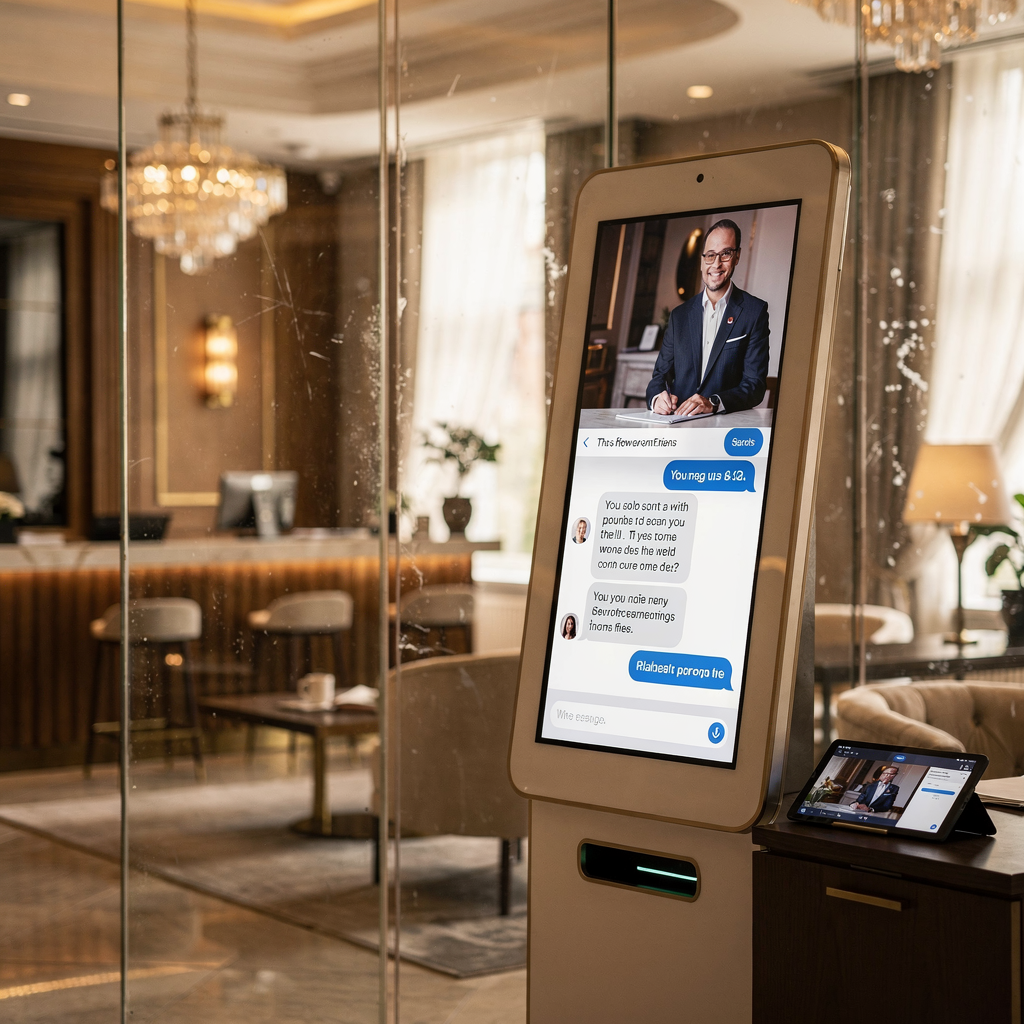
Drowning in emails?
Here’s your way out
Save hours every day as AI Agents label and draft emails directly in Outlook or Gmail, giving your team more time to focus on high-value work.
automation and hotel department work: how hospitality automation frees staff and improves the guest journey
Automation reduces routine front desk queries and reclaims staff time for high-touch service. In practice, front desk teams get fewer check-in questions because a virtual assistant handles self check-in prompts and document collection. Therefore, front desk staff can focus on difficult or personalized guest interactions. In reservations, automated booking confirmations and targeted offers speed the process and improve conversion. F&B and concierge teams receive real-time guest preferences, so they can tailor menus and experiences quickly. Housekeeping gets automated task lists and priority updates, which improves room turnaround.
Concrete KPIs matter. Track response time, conversion rate on AI upsells and staff hours saved per week. Also monitor guest satisfaction and review scores. For boutique hotel teams, measuring staff time saved helps show value to managers. Additionally, measure revenue per booking and compare direct booking rates before and after rollout. A focused pilot that tracks these KPIs proves the concept and builds internal support.
When you automate the right workflows, guest profiles get richer. For example, an ai-powered assistant can record dietary preferences and preferred room locations. Then the hotel uses that data for future personalized guest experiences. Keep data governance clear. Log consent and keep guest data minimised to protect trust. Finally, make sure there is a simple human fallback for any complex guest requests so staff remain central to the service model.
Direct booking and hotel AI agent ROI: proven lifts and ways to measure success
AI agents help boost direct booking and lift revenue when used correctly. Industry reports cite a 20–30% uplift in direct bookings where AI personalization and conversational booking are used Jak hotele wykorzystują agentów AI, aby zwiększyć liczbę rezerwacji bezpośrednich. Thus, direct channels often yield higher revenue per booking and lower distribution costs. Real-time personalised offers, after-hours chat conversions and dynamic website content are key revenue levers.
How to measure success. First, track conversion lift from the AI chat versus baseline web traffic. Second, calculate incremental revenue from AI upsells and upgrades. Third, compare cost per booking on direct channels versus OTA commissions. Fourth, compute payback period for the solution based on staff time savings and revenue lift. Use simple dashboards to keep stakeholders aligned. Also include guest satisfaction and guest feedback changes in the ROI mix because higher guest satisfaction drives repeat bookings.
For operational teams, automating email and repetitive messages reduces handling time and error. Our solution, for example, typically reduces email handling from ~4.5 minutes to ~1.5 minutes per message. That metric translates into significant staff hours saved when scaled across the hotel. If you want methods to translate time saved into ROI for your hotel, review case studies that explain email automation benefits virtualworkforce.ai — ROI dla logistyki. The principles apply to hotel operations where email and booking queries create steady workloads.
Drowning in emails?
Here’s your way out
Save hours every day as AI Agents label and draft emails directly in Outlook or Gmail, giving your team more time to focus on high-value work.
AI agents in hospitality: integration, data privacy and guest expectations
Integration realities matter. Full value requires connections to your property management, CRS and booking engine. Legacy PMS and siloed data remain common barriers. A property management system link allows the AI to read rates, availability and guest profiles. Then the AI can make personalized recommendations and complete actions. To integrate with your existing systems, require API access and clear data governance policies. Also define roles for escalation and human handover.
Privacy and compliance must be central. Process guest data under GDPR or local privacy laws. Keep data minimised. Log consent at points of data collection. Secure APIs and audit trails reduce risk. A transparent privacy notice builds trust. Guests expect speed and accuracy. They also expect a clear human fallback. Therefore, train staff on escalation flows and make the handover seamless.
Guest expectations change quickly. Today’s travelers want quick answers, natural language conversations and relevant offers. As a result, hotels need to combine natural language understanding with human oversight. AI agents in hospitality should augment human teams and preserve the personal elements of boutique stays. If you plan to implement ai, set clear benchmarks for guest satisfaction and guest reviews so you can measure impact. Also test multilingual support to match your guest demographics and reduce friction.
Future of hospitality, first AI steps and best AI tools — frequently asked questions
The future of hospitality points toward deeper personalization and tighter system integrations. Expect more agentic AI that can act across bookings, billing and operations. Boutique hotels can scale bespoke service by automating routine tasks while keeping humans for high-touch moments. To take first ai steps, follow a simple four-phase plan: define use cases and KPIs, choose a vendor with PMS connectors, pilot with a small guest cohort, and train staff on escalation flows.
Tool checklist: security, property management connectivity, personalization, multilingual support, human handover and analytics. Also look for vendors that support workflow automation and email lifecycle automation. For operations teams buried in messages, systems that classify intent and draft replies can save hours. See our resource on automated logistics correspondence for similar automation patterns that apply to hotel ops zautomatyzowana korespondencja logistyczna. These integrations show how structured data from messages can feed scheduling and billing systems.
When choosing a partner, ask about data ownership, pilot timelines and escalation support. Cost ranges vary by scope, but pilots often complete in 6–12 weeks. If you need deeper help, hiring an external consultant for integration planning can speed rollout. Also consider how ai-powered concierge features will interact with your staff and with third-party services. Finally, test with a real guest cohort and iterate based on guest feedback to refine personalization and value.
FAQ
What is an AI agent for hospitality?
An AI agent for hospitality is a conversational or task‑oriented system that helps guests and staff. It can answer queries, handle simple bookings, and route requests to human agents when needed.
How does a hotel AI agent personalise booking and guest experience?
The AI uses guest profiles and past stays to suggest relevant room types and amenities. It can trigger personalized offers during the booking flow and supply tailored recommendations during the stay.
Which types of AI agents are best for hotels?
Types include rule-based chatbots, LLM conversational agents and agentic AI that executes tasks across systems. Vertical tools for revenue and housekeeping also play a role.
How can automation free hotel staff to deliver better service?
Automation handles routine tasks like check-in prompts, confirmations and standard guest inquiries. As a result, staff spend more time on high-touch guest service and guest engagement.
What ROI can hotels expect from AI agents?
Reports show a 20–30% uplift in direct bookings when AI personalization and conversational booking are used źródło. Savings from reduced handling time also improve profitability.
What integration is required for full AI value?
Full value needs links to the property management system, booking engine and CRM. APIs and secure data flows let the AI read availability and complete actions.
How do hotels protect guest data when using AI?
Follow GDPR and local laws, minimise collected data and log consent. Secure APIs and audit trails help protect information and preserve guest trust.
How long does it take to pilot an AI solution?
Pilots typically run 6–12 weeks depending on scope and integrations. Start small, measure KPIs and expand the project after you validate value.
Can a boutique hotel implement AI without losing its personal touch?
Yes. Use AI to handle routine interactions while keeping staff for complex or emotional guest moments. A hybrid approach preserves the boutique identity and boosts efficiency.
Where can I learn more about automating hotel operational messages?
Explore resources on operational email automation and workflow tools that connect to ERP and CRM systems. For a practical example of email lifecycle automation, see virtualworkforce.ai resources on scaling operations with AI agents jak skalować operacje przy użyciu agentów AI.
Drowning in emails?
Here’s your way out
Save hours every day as AI Agents label and draft emails directly in Outlook or Gmail, giving your team more time to focus on high-value work.