


Agenți AI și AI: cum agenții AI pentru petrol transformă distribuția de combustibil petrochimic
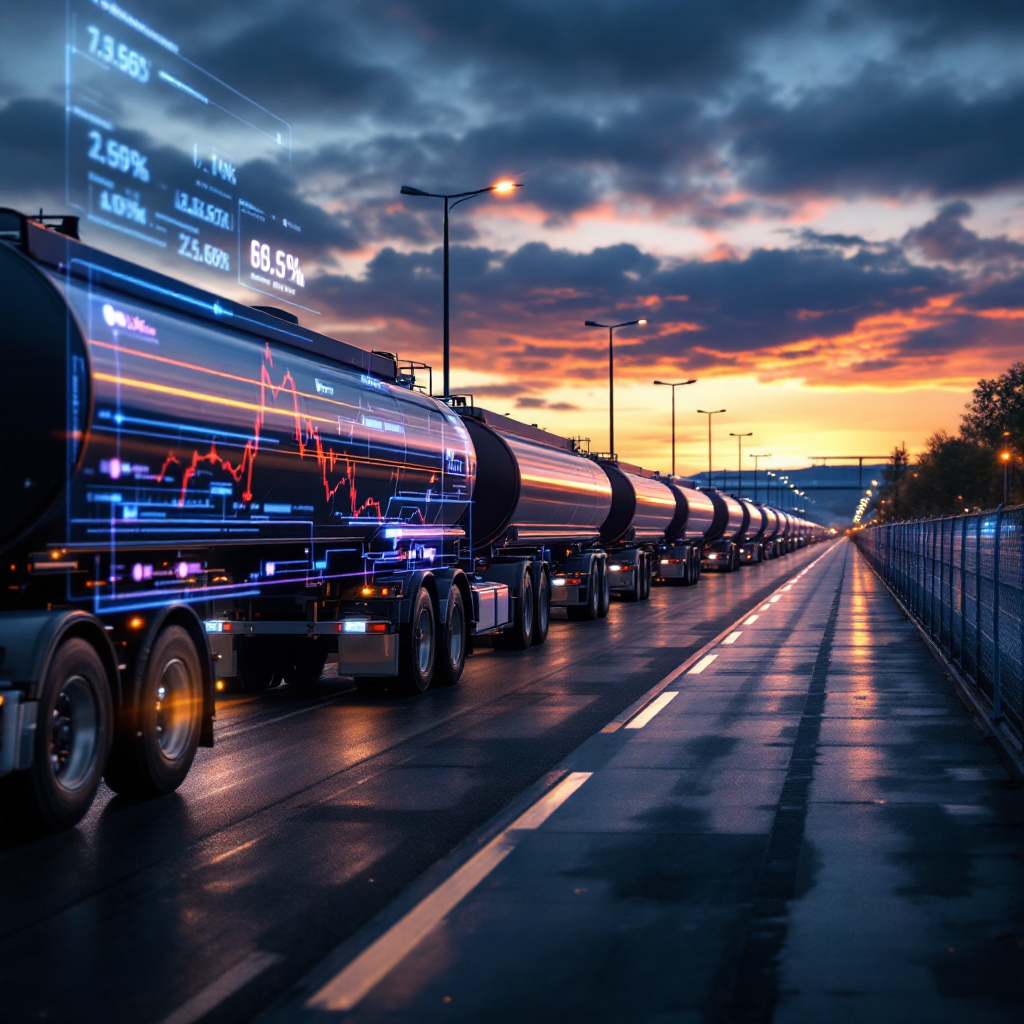
Agenții AI și AI joacă ambele roluri specifice în logistica modernă a combustibililor. Ei ingerează telemetrie, fluxuri ERP, date de piață și telematică rutieră pentru a optimiza rutele și reaprovizionarea. Pentru rețelele petrochimice, rezultatul este măsurabil. Rapoartele industriei arată o o reducere a costurilor operaționale de 15–20% și o îmbunătățire a timpilor de livrare de 10–15% după adoptare. Companiile de top raportează sute de milioane, și în unele cazuri mai mult de $1bn, în valoare provenită din optimizarea logisticii și a inventarului, ceea ce vorbește despre potențialul AI.
Agenții AI analizează fluxuri de date în timp real și apoi recomandă acțiuni. Ei fuzionează înregistrările ERP cu telemetria cisternelor, feeduri meteo și ETA-urile porturilor. Acest lucru oferă dispecerilor o imagine live și le permite să redirecționeze dinamic cisternele pentru a reduce timpul de inactivitate și risipa de combustibil. Un exemplu comun a redus timpul de inactivitate al cisternelor și consumul de combustibil prin redirecționarea către un punct de încărcare mai apropiat. Acea schimbare a redus emisiile și a îmbunătățit livrările la timp. Efectul asupra impactului asupra mediului și asupra profitabilității a fost clar.
Sursele de date includ telemetria vehiculelor, programele rafinăriilor, actualizările TMS și prețurile de piață. Cu aceste intrări, AI poate produce semnale dinamice de preț, prioritiza comenzile și reduce stocul de siguranță. Un câștig operațional cheie este rutarea și etajarea simplificate care mențin compresoarele și pompele disponibile și reduc ferestrele de mentenanță. Pentru echipele care folosesc asistenți no-code ca ai noștri, răspunsurile prin email care odată luau minute sunt acum redactate cu context din ERP și TMS. Vezi ghidul nostru pentru automatizare email ERP pentru logistică pentru un exemplu de fundamentare a datelor în răspunsuri.
În final, sistemele AI pot lucra în camera de control pentru a monitoriza sarcinile rafinăriei și pentru a prezice când un compresor va avea nevoie de service. Această abordare proactivă reduce perioadele neplanificate de oprire și înseamnă că operațiunile fabricii rulează mai lin. Companiile care își evaluează operațiunile astfel găsesc economii clare de costuri și un avantaj competitiv mai puternic. Pentru mai multe despre cum să scalezi fluxuri de lucru fără angajări masive, citește despre cum să-ți extinzi operațiunile logistice fără a angaja personal.
Generative AI and agentic AI: automate analytics and chatbots to deploy AI solutions in petrochemical distribution
Generative AI now goes beyond report drafting. Generative AI helps teams create summaries, compliance reports, and operational briefs in seconds. Agentic AI then coordinates: it queries systems, runs models, and triggers workflows. An agentic AI can pull order exceptions, check inventory, draft a reply, and open a ticket when an ETA slips. This creates an audit trail and speeds triage.
In practice, AI chat tools are used for sales and ops triage. An ai chatbot can extract order details from an incoming email, then call APIs to check stock. Our no-code agents connect email threads to ERP, TMS, and WMS so that replies are grounded in data. That reduces manual copy-paste and raises first-contact resolution. Integrations with CRM and TMS make it simple to escalate exceptions to a human handover in a workflow.
Risk controls are essential. You must include verification loops, guardrails to avoid hallucinations, and audit logs for compliance with safety. Large language models and LLMS are powerful, but they need fact-checks and human review steps. I recommend implementing automated compliance checks that compare draft replies to regulatory rules before sending. This balances speed with accountability and keeps vendor and regulatory obligations aligned.
For teams evaluating conversational automation, start with pilot prompts that extract key fields, then automate the low-risk responses. An agent for your use case can be trained to pull ETA, order number, and required documentation. This reduces repetitive work and lets staff focus on exceptions. To learn more about logistics email drafting powered by AI, see our practical examples at redactare emailuri pentru logistică cu AI.
Drowning in emails?
Here’s your way out
Save hours every day as AI Agents label and draft emails directly in Outlook or Gmail, giving your team more time to focus on high-value work.
AI-powered predictive maintenance, quality control and ROI in gas operations
Predictive maintenance is one of the highest-ROI ai applications in gas operations. Sensor streams from compressors, pumps, and heat exchangers feed ML systems that detect early signs of wear. Machine learning flags vibration shifts, temperature drift, and trends that precede failure. This anomaly detection reduces unplanned downtime and extends asset life.
When models identify a rising vibration or a pressure drop, teams receive an action item and a recommended inspection window. Repair scheduling then minimizes disruption. Organizations that deploy ai-powered maintenance report lower maintenance spend and extended MTBF. The result is fewer emergency repairs, improved product quality, and better plant operations metrics.
Quality control benefits too. Inline spectroscopy combined with machine learning models can flag off-spec blends in real time. That means fewer rejections and reduced waste. The ROI is measurable: lower scrap, fewer corrective actions, and improved throughput. Track KPIs like unplanned downtime percentage, maintenance cost per tonne, and quality rejection rate to prove value. Most pilots show payback inside a year for targeted assets.
Artificial intelligence in this space should be paired with clear processes. Teams must set thresholds, verification steps, and escalation paths. That way, an alert becomes a predictable workflow that maintenance crews execute. For gas industry operators, these systems not only raise uptime but also reduce environmental impact by preventing leaks and inefficient running. If you want to analyze asset health with minimal setup, consider enterprise AI pilots that integrate sensor histories and maintenance logs to produce reliable forecasts.
Use case: enterprise AI to analyse inventory, supplier performance and optimise the oil and gas supply chain
Enterprise ai brings inventory, supplier analytics, and route planning into a single view. AI analyzes demand patterns and then recommends safety stock adjustments. The evidence shows firms that implement AI-driven supply chain solutions see a roughly 12% increase in overall supply-chain efficiency and a 7% uptick in customer satisfaction. These gains come from better forecasting, clearer supplier scorecards, and smarter fulfilment.
Start with a pilot SKU set and integrate supplier data. Use supplier scorecards to track lead time variance, on-time delivery, and quality. Scenario planning models help operations test supply chain disruptions like port strikes or severe weather. With those scenarios, teams can identify alternate suppliers and routes, and then pre-authorize contingency playbooks.
Inventory optimisation reduces working capital and streamlines operations. Safety stock reduction is possible when forecasts become more accurate and when logistics partners commit to shorter lead times. AI also helps automate purchase approvals and exception handling in email workflows. Our platform connects mail threads to ERP and supplier records, making vendor communications faster and auditable. For more on automated logistics correspondence, see this practical resource: corespondență logistică automatizată.
Implementing enterprise ai is iterative. Phase one is data model design, phase two is pilot SKUs, and phase three is scale-up. Monitor KPIs: forecast accuracy, fill rate, supplier OTIF, and delivery lead time. The opportunity for AI to improve resilience is strong, and early adopters among industry leaders report clear competitive advantage from better supplier relations and optimized routes.

Drowning in emails?
Here’s your way out
Save hours every day as AI Agents label and draft emails directly in Outlook or Gmail, giving your team more time to focus on high-value work.
Deploy AI agents to transform automation, productivity and headcount planning for chemical company distributors
To deploy AI agents in a chemical company, follow pilot → validate → scale. Start with a narrow automation around order confirmation or exception triage. Then measure time saved and error reduction. Our experience shows teams cut handling time per email from about 4.5 minutes to 1.5 minutes by using an email assistant that grounds replies in ERP and TMS. That drives measurable productivity gains.
AI agents designed for logistics can automate routine tasks and free staff for higher-value work. This does not mean indiscriminate headcount cuts. Instead, many firms reallocate FTEs to supplier development, safety, and customer engagement. Create a RACI for human–agent handovers so accountability is clear. Train users and offer reskilling for roles that shift from data entry to exception management.
Change management matters. Validate models with audits and maintain logs to ensure compliance with safety rules and regulations. Because the chemical industry and chemical manufacturing are regulated, every automated decision must be traceable. Use guardrails and redaction to protect sensitive data. An ai agent that drafts an operational reply should cite data sources and provide a verification step before sending.
Deploy ai agents gradually and measure ROI. Track tasks automated, FTEs reallocated, and productivity uplift in month-on-month reports. Tools that specialize in AI for logistics allow business users to configure behavior without heavy IT work, which accelerates scaling operations. If you want to reduce repetitive emails while keeping control, read about how to scale logistics operations with AI agents at cum să extinzi operațiunile logistice cu agenți AI.
Benefits of AI solutions to optimise safety, sustainability and supplier relations — evidence from industry leaders
AI solutions to optimize safety and sustainability deliver clear outcomes. Optimized routes cut fuel use, which lowers emissions and operational cost. Studies show a 15–20% cost reduction and faster deliveries after AI adoption, and industry leaders point to production growth supported by smarter logistics. For perspective, McKinsey notes that integrating AI agents in complex supply chains lets companies anticipate disruptions and adjust inventory dynamically in their 2025 outlook.
From safety to supplier resilience, the benefits of AI are tangible. AI agents deliver alerts to dispatchers, flagging nonstandard loads and potential compliance gaps. This supports compliance with safety and reduces the risk of incidents. Suppliers with better scorecards get more business, which strengthens long-term partnerships and delivery reliability.
Quick wins include demand forecasting, predictive maintenance, and chatbots that handle routine customer queries. Medium projects involve enterprise AI for inventory and supplier analytics, while long-term efforts focus on agentic AI and full automation. Organizations that adopt this staged approach balance speed with governance. Deloitte and other analysts expect the chemical sector to rely on these technologies as production grows according to industry outlooks.
Finally, the potential of AI to transform profitability and sustainability is real. Teams should proactively identify pilots, measure ROI, and scale the ones that improve safety, decrease downtime, and raise product quality. If you want tools that improve logistics email workflows and accuracy, review our comparisons of AI tools for logistics companies at cele mai bune instrumente AI pentru companiile de logistică.
FAQ
What is an AI agent and how does it differ from traditional automation?
An AI agent is an autonomous or semi-autonomous system that can perceive, decide, and act on data. Traditional automation follows fixed rules; an AI agent can learn from data and adapt decisions based on patterns.
Can AI improve fuel distribution delivery times?
Yes. Deploying AI in routing and scheduling reduces delays and idle time. Industry reports show delivery improvements in the 10–15% range after adoption sursă.
How do generative AI and agentic AI help with operational emails?
Generative AI drafts summaries and responses, while agentic AI coordinates data requests and workflows. Together they automate repetitive email tasks and ground replies in systems like ERP and TMS.
What are common KPIs for predictive maintenance?
Typical KPIs include MTBF, unplanned downtime percentage, maintenance cost per tonne, and ROI. These metrics show reduced downtime and improved asset life when predictive systems work well.
How do I start an enterprise AI pilot for inventory?
Begin by selecting pilot SKUs, integrating supplier and ERP data, and running forecast models. Measure forecast accuracy, fill rate, and supplier OTIF before scaling.
Will AI reduce headcount in chemical distributors?
AI often reallocates tasks rather than simply cutting roles. Staff usually shift to higher-value activities like supplier management and safety oversight. Careful change management and reskilling are essential.
Are AI chatbots safe for compliance-sensitive replies?
They can be, if you implement verification loops, guardrails, and audit logs. Always include human review for high-risk or regulated communications to ensure compliance with safety.
What data is needed for effective AI in logistics?
Key data includes telemetry, ERP/TMS records, supplier performance, and market feeds. Quality and integration of these sources determine how well AI models perform.
How quickly do AI pilots pay back?
Many targeted pilots show payback within a year, especially in maintenance and email automation. Quantify by tracking time saved, error reduction, and operational cost savings.
Where can I learn more about AI email agents for logistics?
Explore resources that compare logistics AI tools and examples of automating correspondence. Our pages on logistics email drafting and automated logistics correspondence offer practical guidance and implementation tips.
Drowning in emails?
Here’s your way out
Save hours every day as AI Agents label and draft emails directly in Outlook or Gmail, giving your team more time to focus on high-value work.