


ai and property management: definition, market figures and why property managers must use ai
AI means systems that learn from data and then act. In plain terms, AI uses patterns to speed decisions, predict outcomes, and automate repetitive work. In the property management industry AI appears in tenant screening, pricing models, maintenance forecasting, and email automation. For example, a recent survey of 280 multifamily executives states that “AI is not the future of property management. It’s the present” EliseAI survey. In short, many property management companies already deploy AI in day-to-day workflows.
Market figures back up adoption. Early adopters report vacancy times falling by around 30% and maintenance costs dropping roughly 20% PwC. Rent-prediction models improve accuracy by 15–25% versus traditional methods DoorLoop. These statistics show why property managers must use AI. Speed and scale let teams process more applications, market signals, and maintenance tickets in far less time. As a result, teams reduce vacant days and capture better rents.
AI also improves employee experience by cutting data entry, repetitive tasks, and manual followup. AppFolio research notes that improving the employee experience was often the most valuable effect of AI AppFolio study. That matters because property managers who free staff from routine tasks get better service and higher tenant satisfaction.
Quick glossary: AI agent — an automated system that acts on rules and data. AI-powered — features that use AI to make decisions. Automate — to make a process run without human intervention. Predictive maintenance — using data to forecast maintenance needs before failures occur. These terms appear later when we outline use cases and implementation steps. If you want to explore AI that automates email lifecycles for ops teams, see how our virtual assistant connects to existing systems and reduces handling time prezentare generală asistent virtual.
ai in property management: use cases for the property manager — tenant screening, rent pricing and ai-powered decisions
Tenant screening is a high-value place to use AI. AI speeds checks and improves risk assessment compared with manual review. It pulls credit scores, eviction histories, employment data, and other signals. Then it helps property managers rank applicants by predicted lease success. This reduces manual hours and shortens vacancy windows. In practice, AI can reduce vacancy times by up to 30% when firms combine screening with faster showing and leasing workflows PwC.
Dynamic rent pricing uses AI to ingest market comps, seasonality, demand trends, and local events. Advanced AI models and machine learning capture subtle patterns in rent movements. As a result, rent predictions often beat traditional estimates by 15–25% DoorLoop. Property managers can set price floors, recommend concessions, and automate renewals to maximize capture.
Portfolio insights and forecasting give real-time signals that a property manager can act on. AI highlights rising vacancy in a submarket, flags units with repeated maintenance issues, and forecasts rent growth. These signals translate into measurable outcomes: shorter vacancy, higher yield, and fewer arrears. AI can also predict late payments and suggest proactive rent reminders to reduce late payments. If you want a model that automates the email lifecycle tied to lease actions, our platform shows how to route, draft, and escalate messages inside Gmail or Outlook exemplu de automatizare a e‑mailurilor.
Key inputs include historical rent, occupancy, season, local comps, and tenant behaviour. AI-powered decisions use those signals to give timely, evidence-based recommendations. Use AI to automate price testing and A/B leasing offers. Then measure lift via rent capture and vacancy length. This approach gives property managers faster decisions and clearer ROI over traditional manual processes.

Drowning in emails?
Here’s your way out
Save hours every day as AI Agents label and draft emails directly in Outlook or Gmail, giving your team more time to focus on high-value work.
property management ai agent and ai assistants: tenant communication, leasing and ai agent for property management workflows
AI leasing agents and chatbots handle initial lead contact and basic tenant communication 24/7. They answer FAQs, schedule tours, and qualify prospects. A single chatbot can give instant responses to common questions and book showings when staff are offline. This raises lead conversion and shortens the path to lease signing. AI leasing tools often boost contact rates, and they route qualified leads to leasing agents for human follow-up.
AI assistants automate routine emails, billing reminders, and followup messages. They draft replies, attach documentation, and push structured data into property management software. For operations, AI agents categorize and route inbound emails, and they can reduce handling time dramatically. Our virtualworkforce.ai solution focuses on full email lifecycle automation, helping property management teams label intent, route requests, and craft replies grounded in operational data cum să scalați cu agenți AI.
Examples and quick wins include automated lead qualification, SMS and WhatsApp triage, and followup sequences that re-engage prospective renters. A virtual assistant can populate a lease template and attach required documents, which speeds contract execution. To integrate smoothly, connect chatbots to your CRM and property management systems. Set clear hand-over rules when the AI detects complex or sensitive requests that need human intelligence. Design escalation logic for issues like fair housing queries or unique lease exceptions.
One practical pattern: deploy a chatbot to answer listing questions, then escalate to a human for negotiation. Another pattern: use an AI agent for property management to draft renewal offers, then have a leasing manager approve them. These workflows help property managers focus on high-value decisions while AI handles routine tasks and data entry. The human touch stays for final approvals and relationship work. This mix improves tenant experience and cuts administrative load for property teams.
property management ai: predictive maintenance, automation and operational efficiency
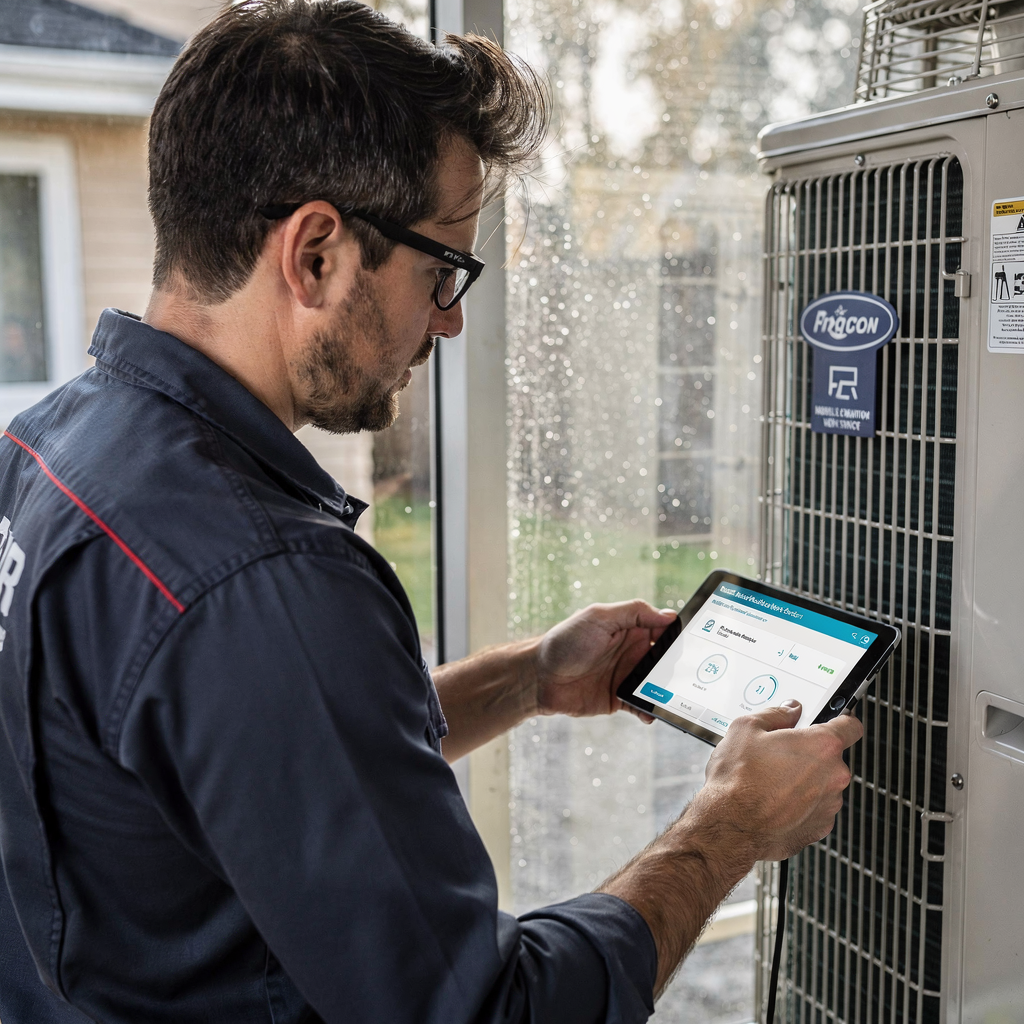
Predictive maintenance uses sensors, logs, and models to forecast equipment failures. It replaces reactive repairs with planned service. AI analyzes maintenance patterns, past work orders, and usage data to predict maintenance needs. Then teams can schedule preventive visits that cost less than emergency repairs. Reports show maintenance costs fall about 20% with predictive approaches, while downtime drops substantially PwC.
Workflow automation turns a maintenance request into a prioritized work order. AI triages requests, categorizes urgency, and assigns vendors. It can automatically pull contact details and warranty data from existing systems. Then it dispatches work and records outcomes. This reduces manual routing and improves contractor utilisation. Operational efficiency improves because teams spend less time on coordination and more time on inspections and quality control.
Smart maintenance also links to inventory and procurement. When AI predicts a part will fail, it can trigger reorder workflows. This keeps stock levels optimal and reduces emergency procurement costs. The result includes faster response times, lower maintenance spend per unit, and more predictable budgets. Early adopters report fewer emergency visits and clearer tracking of maintenance management metrics Kolena.
For sensors and logs, consider IoT data, HVAC telemetry, and tenant-reported maintenance issues. AI maps these signals to maintenance patterns and recommends actions. To streamline maintenance, ensure your vendor portals accept automated dispatches, and set SLAs in your system. This approach helps property teams handle more properties without hiring proportionally more staff. It also raises tenant experience when maintenance is timely and transparent.
Drowning in emails?
Here’s your way out
Save hours every day as AI Agents label and draft emails directly in Outlook or Gmail, giving your team more time to focus on high-value work.
use cases and benefits of ai-powered property management tools: revenue, turnaround times and staff experience
High-value use cases include tenant screening, dynamic pricing, predictive maintenance, automated collections, compliance checks, and virtual tours. AI-powered tools can also create listing descriptions and route tenant communication. Each use case targets a measurable KPI: vacancy length, rent capture, maintenance cost, or time-to-contact. The benefits of AI show up in faster decisions, higher revenue, lower costs, improved tenant experience, and better staff productivity.
For revenue, automated rent optimization and timely renewals boost capture. For operations, automating intake-to-resolution workflows reduces the time staff spend on repetitive tasks. For tenant experience, AI chatbots and virtual assistants provide instant responses and self-service options. These features raise satisfaction and reduce calls to the office. A combined approach often delivers a step-change in the daily workflow for property managers and property management teams.
How to choose tools: evaluate fit with your portfolio size, APIs and PMS compatibility, vendor transparency, and data governance. Confirm that a vendor supports integration with property management software and with your accounting system. Ask about model explainability and how vendors handle fair housing and bias. AppFolio and similar platforms often highlight how AI features improve employee experience and operational outcomes AppFolio insights.
KPIs to monitor after a pilot include vacancy length, rent capture rate, maintenance cost per unit, time-to-contact, and tenant NPS. Also track data entry time saved and reductions in repetitive tasks. A practical internal link explains how AI-driven email drafting improves logistics and customer service; similar principles apply to tenant communication and rent reminders îmbunătățirea serviciului pentru clienți cu AI. Use pilots to test assumptions, then scale the most effective automations.
ai agent template, ai solutions and appfolio: implementing ai for property, using ai in property management, risks and compliance
Start implementation with a clear pilot scope. First, pick a high-impact use case such as tenant screening or maintenance scheduling. Next, assess data readiness and integration points with existing systems. Many systems will need API connections to pull property details, tenant records, and past work orders. Plan training for staff and define success metrics before you start. Use staged rollouts with human backstops to ensure quality.
Here is a concise AI agent template for common workflows: required inputs — tenant name, unit, lease dates, maintenance history, and financial status. Typical prompts — check account standing, propose renewal terms, or schedule a repair. Hand-over triggers — complex lease exceptions, fair housing concerns, or disputes. Escalation rules — escalate any flagged bias or sensitive complaints to a human, and attach context and document history. Tone guidelines — clear, courteous, and aligned with your brand voice. This template helps create a property management AI agent that works predictably and transparently.
Risks and mitigations include data privacy, bias in models, upfront costs, model drift, and market variability. To reduce risk, encrypt tenant data, keep audit trails, and run bias checks. Also plan for maintenance of models, and for fallback routes to human intelligence when the AI lacks context. Vendors labelled powered by AI should disclose model inputs and provide SLAs. Expect platforms like appfolio to offer built-in features, but evaluate if you need deeper, custom ai solutions JLL Research.
Practical final steps: run a pilot, define KPIs, secure tenant data handling, and plan scale-up. If email volume constrains ops, consider an ai platform transforming email workflows so teams can route and resolve inbound messages faster; our virtualworkforce.ai system automates end-to-end email tasks with zero-code setup and full control extinderea operațiunilor fără a angaja personal. With careful design, property managers to focus on relationships and strategy while AI handles routine tasks and data work.
FAQ
What is AI in property management?
AI in property management refers to software that uses data and models to make predictions, route tasks, and automate repetitive workflows. It covers tenant screening, pricing, maintenance forecasting, and tenant communication.
How can AI improve tenant screening?
AI speeds checks by aggregating credit, eviction, and employment signals, then scoring applicants by risk. This reduces manual review time and shortens vacancy periods.
Are AI chatbots safe for tenant communication?
Yes, when configured with human hand-over rules and privacy controls. Chatbots handle FAQs and scheduling, then escalate complex queries to human staff.
Can AI predict maintenance needs?
Yes, AI uses sensor data and maintenance patterns to predict maintenance needs and reduce emergency maintenance visits. Predictive maintenance lowers overall costs and downtime.
What KPIs should I track after an AI pilot?
Track vacancy length, rent capture, maintenance cost per unit, time-to-contact, and tenant NPS. Also measure reductions in data entry and repetitive tasks.
How do I avoid bias in screening models?
Use transparent vendors, run bias audits, and keep human oversight for sensitive decisions. Document model inputs and monitor outcomes by demographic and location.
Will AI replace property managers?
No. AI handles repetitive tasks and data entry while humans keep relationship work and complex decision-making. AI frees property managers to focus on strategy and tenant experience.
What are common integration points with existing systems?
Typical integrations include property management systems, accounting, CRM, and vendor portals. Ensure APIs or secure data feeds to synchronize leases and work orders.
How do I protect tenant data with AI?
Encrypt data, limit access, and keep audit logs. Work with vendors that comply with privacy regulations and that provide clear data governance policies.
What quick wins should property management firms try first?
Start with automated tenant communication, followup sequences, and screening workflows. Then pilot predictive maintenance and dynamic pricing to measure ROI before scaling.
Drowning in emails?
Here’s your way out
Save hours every day as AI Agents label and draft emails directly in Outlook or Gmail, giving your team more time to focus on high-value work.