


AI and real-time sort to cut contamination and raise recycle rates
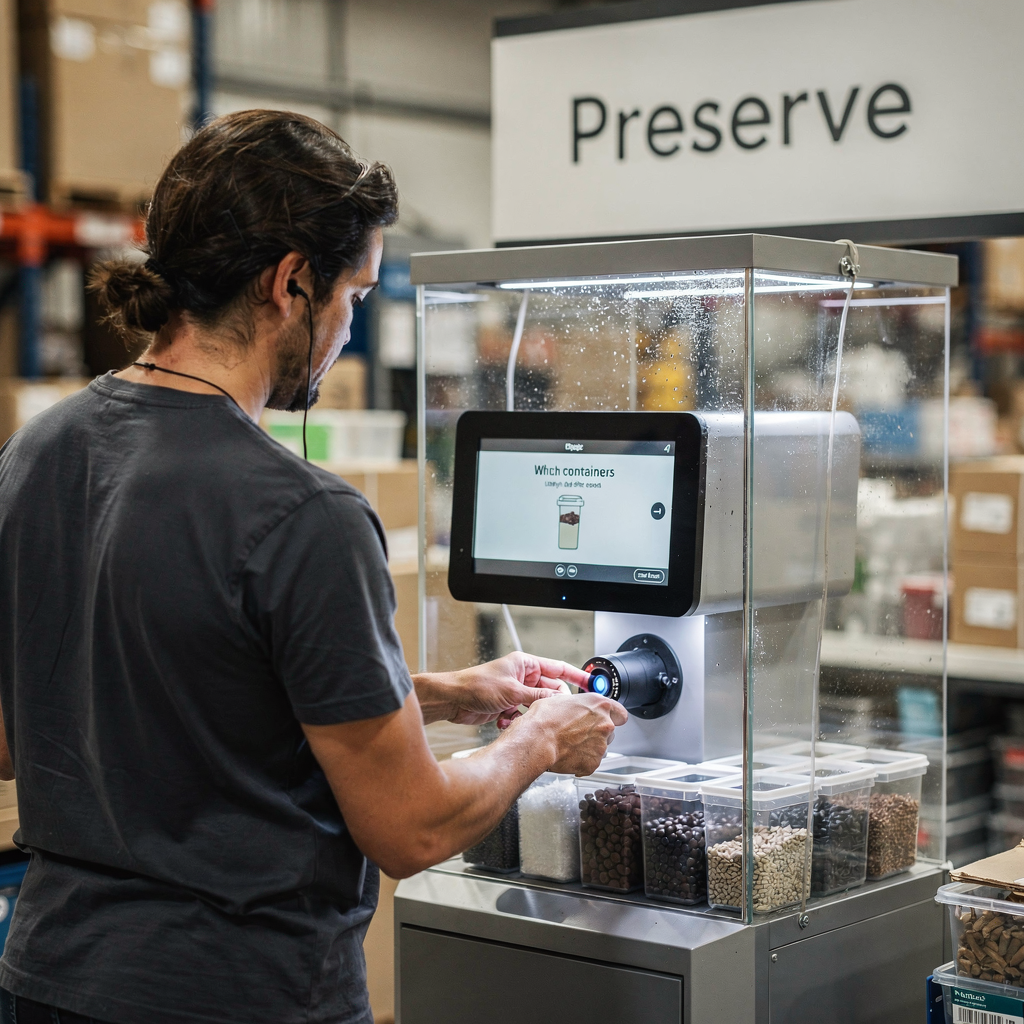
Oscar Sort is a station-level system that uses advanced AI to identify waste items as people choose where to place them. It watches a hand, it scans an item, and it tells the user which bin to use in real-time. This immediate feedback reduces confusion and helps people make proper recycling choices. In trials, AI systems have reported classification accuracy of up to aprox. 96% and cut contamination from about 20% to near 5% in controlled pilots (Raport ERI ESG). As a result, fewer wrong-stream items reach sorting lines and more material arrives at recycling facilities ready for processing.
First, Oscar Sort uses cameras plus machine learning to identify common materials and rare exceptions. Second, it displays short prompts that are easy to follow. Third, it sends analytics to operators so teams can refine and optimize collection and processing. The system also connects to local rules so guidance matches MRF acceptance and reduces rejection. For example, when a city changes its recycling guidelines, Oscar Sort updates prompts to match the new rules.
The combination of AI vision, decision logic, and simple user prompts makes the system intuitive and fast. In campus pilots and transit hubs, immediate guidance raised recycling capture and reduced wrong-stream loads within weeks. A direct email outreach approach also mattered; municipalities showed that an initial email kickstarted participation in new programs (Nolde, Consiliul pentru Reciclare din Nebraska). Oscar Sort boosts recycling accuracy by giving clear, moment-of-decision guidance. It can also feed data to route optimization tools so haulers avoid contaminated pickups and reduce landfill trips.
Finally, Oscar Sort is a modular station that can work with a recycling assistant app or local signage. It supports multiple languages and short feedback loops so users learn over time. The goal is to make recycling second nature, and to divert more material from landfill into reuse or processing streams. For teams seeking to streamline operations, Oscar Sort offers a path to higher recycling rates and lower processing cost per tonne.
Align Oscar Sort with local waste management and the recycler network
Before rollout, map the acceptance rules of local recyclers and haulers. Oscar Sort works best when its prompts match what MRFs actually accept. Therefore, the first practical step is to gather local lists and to connect them to the station logic. Next, define integration points. Those include hauler schedules, MRF acceptance rules, and APIs for data sharing and reporting. Oscar Sort links to fleet management and to operational systems so pick-ups happen only when loads meet standards.
In practice, you should create an acceptance matrix for each recycler and for each collection route. Then, tailor the Oscar Sort responses to match that matrix. This reduces the chance that a correct-looking item becomes a wrong-stream rejection at the MRF. The system also flags materials that need special handling, like bulky electronics or compostable packaging. If a hauler lacks capacity for certain materials, Oscar Sort shifts guidance to reduce future contamination and to avoid costly re-sorts.
For technicians and planners, API connections matter. Oscar Sort pushes analytics to dashboards. Those dashboards feed into ERP and into broader reporting systems. If you want automated email summaries, a virtual assistant can draft and send daily exception reports. Our company, virtualworkforce.ai, automates the full email lifecycle for ops teams so those exception lists get routed and resolved quickly; see our virtual assistant logistics integration for examples (asistent virtual pentru logistică). When Oscar Sort aligns with hauler schedules and MRF rules, recyclers get higher bale purity and lower manual sorting cost.
Finally, plan a short pilot where Oscar Sort integrates with one hauler and one recycler. Measure before-and-after bale contamination and train staff on the API outputs. Include stakeholders early. Getting buy-in from the recycler and from fleet managers prevents surprises. As you roll out, continue to refine and optimize the acceptance lists to match real-world operations.
Drowning in emails?
Here’s your way out
Save hours every day as AI Agents label and draft emails directly in Outlook or Gmail, giving your team more time to focus on high-value work.
Email assistant + AI: personalised reminders that drive sustainability and reduce contamination
Email automation paired with Oscar Sort magnifies behavior change. A personalised email reminder can tell a resident about a missed compostable collection or remind them of unusual items that need special drop-off. Automation lowers the friction of outreach. Studies of service-sector automation show that AI email assistants can reduce response times by up to 50% and increase customer satisfaction by about 30%; applying those metrics to resident outreach shortens the time between a contamination event and a corrective message (studiu al serviciilor de mediu urbane).
Use cases include automated FAQs, targeted contamination alerts, and personalised pickup reminders. For example, when Oscar Sort detects repeated contamination at a stop, the system can trigger a sequence of messages. First, a quick alert explains the issue and links to proper recycling tips. Second, a follow-up gives localized recycling guidelines that match the resident’s service. Third, an optional survey gathers feedback so teams can improve outreach. These sequences improve response and engagement.
Data security and consent must be front and center. Email programs should use opt-in consent and follow ESG guidance on data handling. ERI highlights how secure communications and data transparency support sustainability goals (Raportul ERI ESG și Securitatea Datelor). For recycling organizations that need a robust assistant for recycling companies, an ai-powered email solution reduces manual triage and speeds resolution. virtualworkforce.ai offers end-to-end automation that understands intent, routes messages, and drafts grounded replies using operational data, which reduces handling time and improves consistency (corespondență logistică automatizată).
Overall, email plus Oscar Sort forms a feedback loop. The station improves sorting at the point of discard, while the email assistant personalizes follow-up. That loop drives sustained behavior changes that support sustainability targets and that reduce landfill trips for contaminated loads.
How Oscar Sort helps residents sort correctly: UX, accessibility and behaviour change
Oscar Sort focuses on a simple UX. Short prompts appear instantly after the system identifies an item. The display uses clear icons and short text so users act quickly. Image recognition helps for ambiguous items. When the system cannot confidently identify an object, it suggests the nearest safe option or prompts the user to take the item to a staffed drop-off. This approach keeps mixed loads low and improves overall recycling performance.
Design for inclusivity. Multilingual support broadens reach, and audio cues support low-vision users. For informal collectors and low-tech users, include offline signage that mirrors the station messages. If schools and community hubs get Oscar Sort stations, short lessons teach children and volunteers how to identify materials. These steps help build relationships with the community and improve local recycling participation. A case study on inclusive recycling notes how informal sectors need access to tools and training to avoid exclusion (Waste Pickers perspective).
Behavioural science shows immediate feedback beats delayed correction. Residents who get a real-time nudge from a station learn promptly and repeat the correct action. To further this, pair Oscar Sort with a recycling assistant app that sends quick tips and images after a user interacts with a station. That app can personalize tips based on past interactions and can tailor messages by material type. When messaging stays short and actionable, people follow directions more often and proper recycling rises.
Finally, Oscar Sort helps identify waste streams that confuse people, such as compostable coated cups or multi-material packaging. When an item is unclear, the station guides the user to the nearest drop-off or explains whether it should go into a recycling bin or into landfill. These choices cut contamination and make recycling simpler for everyone.
Drowning in emails?
Here’s your way out
Save hours every day as AI Agents label and draft emails directly in Outlook or Gmail, giving your team more time to focus on high-value work.
Metrics and impact: contamination reduction, diversion rates and cost savings
Track a concise set of KPIs. Start with contamination rate, recycling capture rate, wrong-stream loads, pick-up re-routes, and cost per tonne. Oscar Sort sends real-time analytics that combine station events with hauler feedback. Those data feed dashboards that show trends and identify hotspots. Organizations can then refine collection routes or adjust education campaigns to divert material away from landfill waste.
Typical pilot outcomes show contamination falling from roughly 20% to as low as 5% after stations and outreach scale. Those reductions lead to higher bale purity and lower processing costs. When contamination drops, recyclers accept more loads, and fewer materials get rejected. This change saves on disposal fees and reduces transport emissions. Teams can translate diversion into reduced CO2 and quantify the ROI of implementing Oscar Sort and email-driven outreach.
Combine Oscar Sort analytics with email-assistant engagement data to get a full view of impact. For example, link station events to the number of personalized reminders sent, then measure the change in recycling rates at targeted stops. Use data science methods to identify correlations and to refine campaigns. Case studies showing measurable gains help secure funding and stakeholder buy-in.
Finally, report results transparently. Include recycling accuracy up to 96 in technical appendices and cite pilot metrics. Use standard reporting formats so local recycling authorities and funders can compare performance. As you scale, track increasing diversion rates, reduced re-sorts, and reducing CO2 emissions to show sustainable practices that support sustainability goals.

Deployment checklist: align stakeholders, tech, training and compliance
Start by aligning stakeholders. Invite waste managers, local recyclers, haulers, civic communications teams, and IT to planning sessions. Clarify objectives and define KPI targets for the pilot. Next, gather onboarding data: local acceptance lists, hauler schedules, and route maps. Then, configure API links so Oscar Sort streams events to dashboards and to email automation engines.
Technical items include device inventory, pilot sites, network access, and maintenance plans. Identify a real-world pilot site that reflects specific needs and set a 4–8 week timeline. Provide training sessions for on-site staff and for recycler teams so people know how to act on exceptions. Also prepare email templates and a community outreach plan. If you use email automation, consider our guide on improving logistics customer service with AI for templates and escalation logic (serviciu pentru clienți cu AI).
Compliance steps matter. Secure opt-in for resident messages, and ensure data flows meet governance rules. Define escalation rules so only critical exceptions reach managers. Plan device maintenance and a refresh cadence so cameras and sensors stay calibrated. For fleet impacts, coordinate with fleet management and test route optimization with one hauler to confirm benefits.
Finally, measure and iterate. Run the pilot, then compare before-and-after KPIs. Use analytics to refine prompts, customize station behavior, and to tailor outreach. If you want a practical integration path for automating notifications and calendar-based reminders, explore automated logistics emails with Google Workspace and virtualworkforce.ai to see how email workflows can scale without extra headcount (automatizare cu Google Workspace). With the right stakeholders, tech, and training, Oscar Sort helps teams meet sustainability targets while cutting costs and improving service.
FAQ
What is Oscar Sort and how does it work?
Oscar Sort is a station-level AI system that identifies waste items and gives immediate guidance at the point of discard. It uses cameras and machine learning to recognize waste items and then displays a short prompt telling the user which bin to use or whether they should take the item to a drop-off.
Can Oscar Sort really reduce contamination?
Yes. Pilots indicate that real-time guidance and follow-up outreach can reduce contamination substantially. For example, some controlled trials reported contamination falling from around 20% to as low as 5% after station deployment and resident education.
How do I align Oscar Sort with local recycling rules?
Begin by mapping recycler acceptance lists and hauler constraints, then connect those rules to the station logic. This alignment prevents mismatch between on-street guidance and MRF requirements and reduces rejected loads.
What role does an email assistant play with Oscar Sort?
An email assistant automates outreach, sends personalised pickup reminders, and handles FAQs. It closes the loop by notifying residents about specific contamination events and by providing tailored guidance, which leads to better long-term sorting behavior.
Is data privacy a concern with these systems?
Yes. Systems must get opt-in consent and follow data governance best practices. Secure handling of analytics and clear disclosure about data use are essential for community trust and for alignment with ESG expectations.
How long does a pilot take and what should it measure?
A pilot typically runs 4–8 weeks and should measure contamination rate, recycling capture rate, wrong-stream loads, pick-up re-routes, and cost per tonne. These KPIs show whether the deployment reduces landfill waste and saves operational costs.
Can the system serve low-tech or informal recycling participants?
Yes. Design choices like audio prompts, multilingual messaging, and offline signage ensure inclusivity. Outreach and training for informal collectors help integrate them into the program without exclusion.
How does Oscar Sort integrate with hauler operations?
Oscar Sort shares analytics and exception lists via APIs, which haulers can use to adjust routes or to schedule re-picks. Integration with fleet management enables route optimization and fewer unnecessary trips to landfill.
What kind of ROI can municipalities expect?
ROI comes from reduced processing costs, lower rejection fees, and improved material value due to higher bale purity. Additionally, reduced transport and disposal lower emissions and overall program costs.
Where can I learn more about integrating email automation with operations?
Organizations can explore resources on automating logistics emails and on AI assistants that handle operational correspondence. For practical implementation guidance, see materials on automated logistics correspondence which outline integration and governance steps (corespondență logistică automatizată).
Drowning in emails?
Here’s your way out
Save hours every day as AI Agents label and draft emails directly in Outlook or Gmail, giving your team more time to focus on high-value work.