


How ai and conversational ai are transforming hospitality sales and guest communication.
AI and conversational AI are reshaping how hotels sell rooms and talk with guests. First, an AI email assistant acts as an automated responder, a personalisation engine, and an escalation gate for complex enquiries. It reads each message, extracts intent, and returns a useful reply in seconds. As a result, teams see faster replies and consistent messaging. For example, roughly 16–20% of inbound hotel enquiries still arrive by email, which makes the inbox a clear target for automation.
Next, this technology supports 24/7 coverage. It answers routine questions, confirms availability, and flags urgent requests for a human agent. Also, it helps hotels personalise offers by using guest profiles, past stays, loyalty status, and current intent. This personalise step raises conversion and strengthens the guest journey. Industry commentary shows that AI shortens response times and raises guest satisfaction; for instance, vendors report millions of guest interactions handled by enterprise platforms that scale across hotel chains, which proves the point in practice.
Additionally, AI reduces common errors in templated replies and ensures every email follows brand tone and compliance rules. virtualworkforce.ai focuses on automating the full email lifecycle for ops teams. The system labels messages, drafts replies grounded in operational data, and routes queries to the correct desk. This removes manual triage, which often consumes time and leads to lost opportunities. Finally, hotels that pair AI with clear escalation paths maintain high guest satisfaction while also cutting response time and workload for reservation teams.
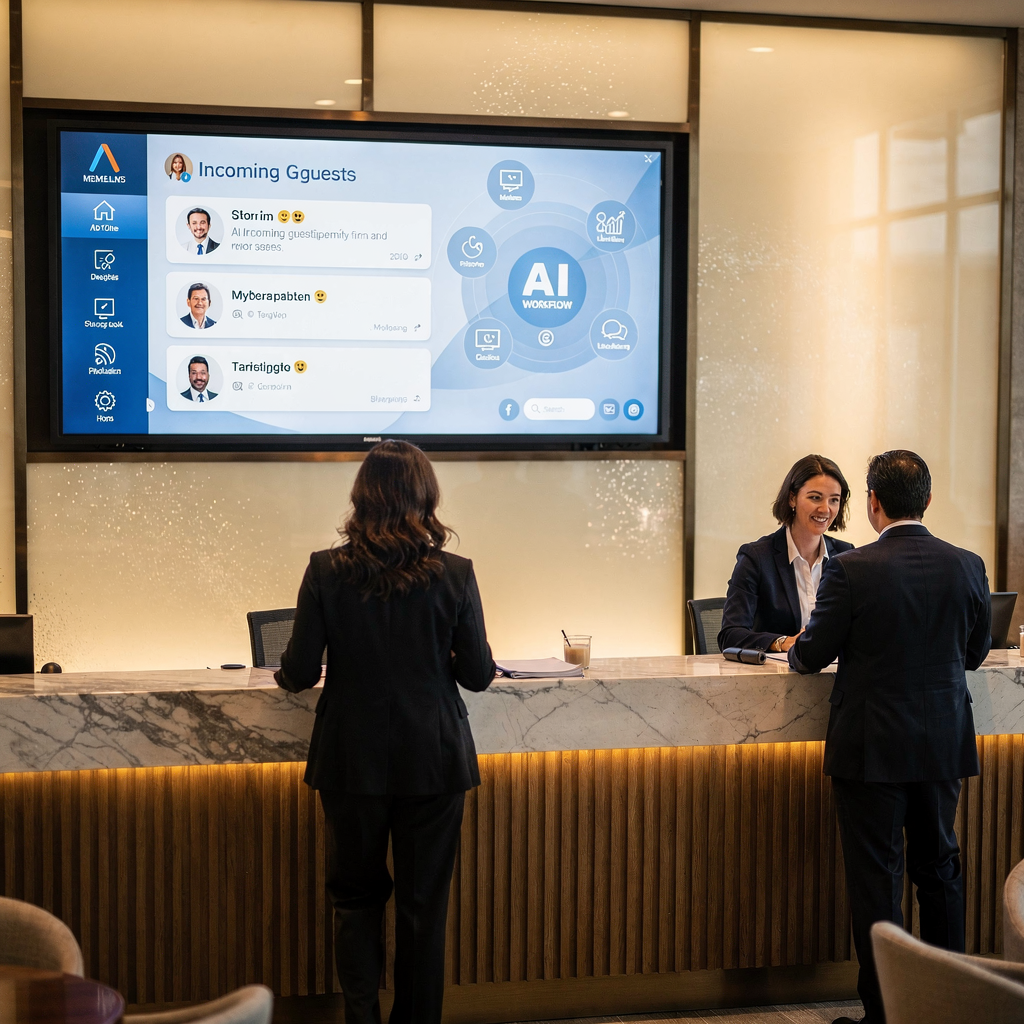
Integration: how an ai solution links PMS, booking engines, api and crm to increase direct booking.
Integration is the backbone of any effective AI email assistant. A two-way PMS sync keeps reservations correct. Booking engine connectivity checks live rates and availability before the AI sends a quote. API hooks let the assistant pull loyalty status and past-stay notes from the CRM. As a result, the system can present tailored promotions and nudge guests toward a direct booking. For enterprise scale, look at platforms like Wyndham Connect, which shows how integrated AI can handle nearly 12 million guest interactions and serve thousands of properties at scale.
To prevent errors, integration must be two-way. Rates and availability must sync in near real time so the AI does not offer rooms that are sold out. Also, reservation updates from the PMS should update the CRM, so guest profiles stay current. This unified platform approach prevents double bookings, surfaces upsell options, and keeps the front desk ready for check-in. virtualworkforce.ai connects to ERP and other operational systems and pushes structured data back into those systems. This means every email can become an actionable event in hotel operations.
Here is a quick checklist for a successful integration: ensure two-way PMS sync, secure booking engine connections, stable API endpoints, mapped guest fields in CRM, and robust security testing. For more technical guidance on connecting email workflows to enterprise systems, teams can review implementation patterns such as those used in logistics automation to learn common lessons from integration work like zero-code setup and governance for similar platforms. Finally, test with a pilot property, validate that rates and availability sync, and monitor a dashboard metric for booking completions and handovers to human teams.
Drowning in emails?
Here’s your way out
Save hours every day as AI Agents label and draft emails directly in Outlook or Gmail, giving your team more time to focus on high-value work.
email automation and ai email automation: boosting roi with transactionals, newsletter and hotel email marketing.
Transactional messages are a high-value channel for hotels. Transactional emails like confirmations and reminders consistently show strong engagement. For example, booking-related transactionals have a mean unique open rate of 47.1% according to Cvent. Because these messages are read, they offer a reliable path to drive upsells and direct revenue. AI email automation ensures transactional content is sent quickly and contains the right details, which helps deliverability and trust.
In contrast, hotel email marketing and newsletter work best when combined with AI. The assistant helps segment lists, personalise subject lines, and time follow-ups after a stay. Also, marketing automation can A/B test offers and measure open rates, clicks, and conversion to a direct booking. This kind of comprehensive email marketing uses guest data and behaviour to send targeted promotions and post-stay messages that drive repeat bookings. A smart email campaign can rescue a lost booking, promote an upsell, or encourage a loyalty sign-up.
ROI comes from several sources. First, fewer manual hours are spent drafting and sending messages. Next, personalised offers increase ancillary spend per booking. Finally, when guests convert direct, hotels save on OTA commissions and they increase direct booking volume. For hoteliers building an email marketing strategy, link your email marketing platform to the CRM, test subject lines, and track a dashboard of KPIs for measurable results. If you want a real-world view of how AI agents free time and raise consistency in message drafting, learn from implementations that automate the full email lifecycle across operations like those used in other industries. Use templates sparingly; instead, let AI adapt the tone and content so every email feels personal.
reservation assistant, reservation teams and whatsapp: ai agents and intelligent ai handling enquiries to speed booking responses.
A reservation assistant powered by AI provides a fast first touch. It qualifies leads, offers instant quotes, and confirms availability. Then, if a query needs nuance or negotiation, the system escalates to reservation teams and a human agent takes over. This handover model keeps complex cases with humans while AI handles high-volume routine work. As a result, teams reduce response time and increase conversion rates.
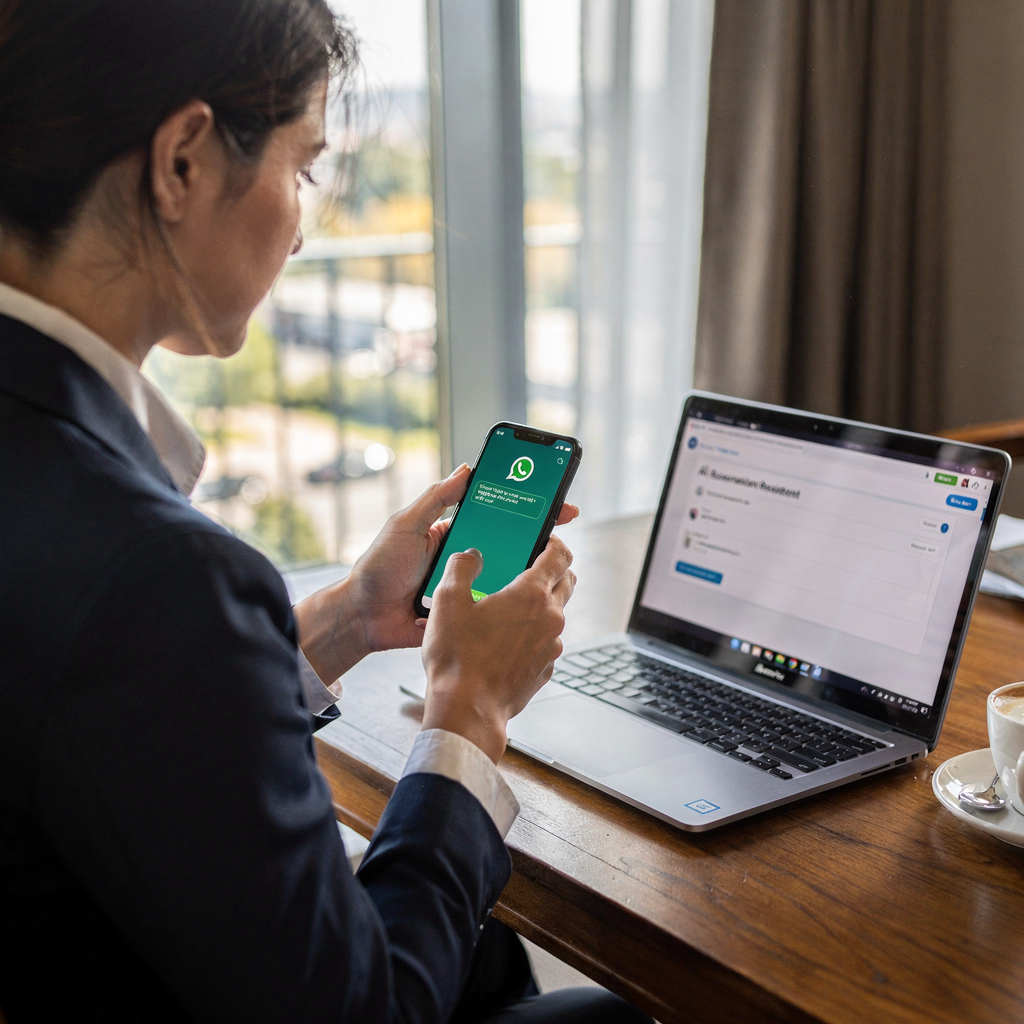
Also, modern guests expect multichannel options. Integrating whatsapp alongside email reaches guests where they prefer to message. The AI agent can mirror the same guest profile and booking data across channels, so answers are consistent. Intelligent AI delivers scripted and contextual responses that adapt to the guest’s tone and urgency. For example, a guest who asks about late check-in or a special promotion can receive a personalised offer in the same thread, speeding decision making.
Trackable metrics matter. Monitor response time, conversion rate, handover rate, and guest satisfaction to prove impact. Additionally, measure how many queries the assistant resolves without human help and the effect on reservation workload. virtualworkforce.ai’s design for operations shows how thread-aware email memory and deep data grounding can reduce handling time while increasing accuracy. Finally, build handover rules that attach full context to the ticket so reservation teams do not repeat work. This preserves guest experience and reduces friction in the buying path.
Drowning in emails?
Here’s your way out
Save hours every day as AI Agents label and draft emails directly in Outlook or Gmail, giving your team more time to focus on high-value work.
crm, email marketing strategy and hotelier workflows: automation, seamless personalisation and measurable roi.
Redesigning hotelier workflows around CRM and AI delivers measurable gains. Start by automating ticketing from email and mapping intents into structured records. Next, ensure CRM updates from the AI capture intent, booking status, and any upsell interest. This workflow reduces manual lookups and accelerates follow-up. As tasks flow from the CRM, teams can prioritise high-value leads and target promotions to the right guest segments.
Seamless personalisation depends on data. Combine guest profiles, loyalty tier, past spend, and booking intent when crafting messages. Then, the AI can suggest tailored offers and a clear next action. This approach helps hotels increase direct booking and direct revenue while improving customer experience. For a step-by-step rollout, train staff on new inbox processes, map responsibilities, and set KPIs for the first 90 days.
Measure ROI with a few core levers: time saved per enquiry, conversion lift on personalised offers, and reduced OTA fees from increase direct bookings. Use analytics to verify impact and refine content. Also, create a knowledge base and templates for common scenarios so the AI and human teams use the same playbook. If you need reference material on scaling operations without hiring, look at lessons learned from automated logistics deployments to adapt technical governance and change management for your property. Finally, follow best practices for data privacy, test integrations, and iterate with measurable goals to reach a clear ROI target.
frequently asked questions: api, ai models, how the ai email assistant helps hotels and next steps for implementation.
This section answers common queries about deploying an AI email assistant. It covers data privacy, integration points, model accuracy, and rollout steps. Use it as a quick checklist before you pilot a solution.
What data does the AI need and who owns it?
Hotels retain ownership of guest data. The AI integrates with PMS, CRM, and booking engine data via secure API connections to read and write booking status and guest profiles. Your IT team should define access and governance before rollout.
How accurate are the ai models and can they learn my brand voice?
AI models are trained on your data and can be tuned to match brand tone. Continuous training and supervised reviews improve accuracy over time, and audit logs keep changes transparent.
How does the system handle GDPR and privacy rules?
Complying with EU data protection rules requires control over data retention, consent, and auditability. Implement access controls and ensure any third-party processing follows contractual safeguards.
What API limits or technical constraints should we expect?
APIs may have rate limits and payload restrictions. Plan integration tests and throttling logic. Also, document endpoints and map required fields such as reservation ID, dates, and guest contact.
Can the assistant escalate to a human agent?
Yes. Handover rules send complex or high-value queries to reservation teams or a human agent with full context attached. This preserves service quality while automating routine work.
What are sensible KPIs for the first 90 days?
Track response time, conversion to direct booking, handover rate, and guest satisfaction. These metrics show initial impact and guide tuning of workflows.
How should we pilot the solution?
Pilot with one property or a single channel such as email. Measure response time and direct booking lift, iterate on templates, then scale after success metrics are met.
Does the AI support multichannel communication like whatsapp?
Yes. Integrating whatsapp alongside email lets guests use their preferred channel. The assistant keeps context across channels so replies remain consistent.
What technical documentation should we prepare?
Prepare API specifications, a data mapping document, and a knowledge base for frequently asked questions. These help the vendor configure ai models and automation rules quickly.
What final checklist should hoteliers use before launch?
Confirm integration readiness, assign team roles, set trial KPIs, and verify security and governance. Use a 90-day evaluation plan to measure measurable impact and adjust workflows.
FAQ
What is an AI email assistant for hotels?
An AI email assistant automates responses to guest queries, drafts messages, and routes complex issues to the right team member. It reduces manual work and speeds replies, which helps hotels convert more inquiries into bookings.
How does the assistant connect to our PMS and booking engine?
Connections use secure APIs and two-way sync to read availability and write reservations. Proper integration prevents double bookings and keeps rates accurate across channels.
Will AI replace reservation teams?
No. AI handles routine queries and frees reservation teams for high-value work. The system escalates complex cases to human staff so service quality improves.
Can AI personalise offers for returning guests?
Yes. By combining guest profiles, past stay data, and loyalty status, the AI can tailor promotions and upsell recommendations. This increases ancillary revenue and enhances guest experience.
Is whatsapp supported for guest messaging?
Many implementations include whatsapp integration to match guest preferences. Messages remain thread-aware across channels so conversations stay coherent.
How do we measure ROI from an AI email assistant?
Measure time saved per enquiry, conversion lift for personalised offers, and the increase in direct booking. Track metrics like response time and guest satisfaction to quantify benefits.
What happens if the AI makes a mistake?
Handover rules allow a human agent to correct any errors and update the knowledge base. Audit logs and supervised reviews reduce repeat mistakes over time.
How fast can we deploy a pilot?
A small pilot can be deployed in weeks if APIs and data access are ready. Start with a single property or channel and expand after validating results.
What reporting is available?
Dashboards show response time, conversion rates, and handover metrics. Use these reports to refine messaging and optimise the booking path.
How does this AI help hotels drive direct bookings?
By replying quickly, personalising offers, and presenting real-time availability from the booking engine, the assistant reduces friction and nudges guests to book direct. This increases direct revenue and reduces reliance on OTAs.
Drowning in emails?
Here’s your way out
Save hours every day as AI Agents label and draft emails directly in Outlook or Gmail, giving your team more time to focus on high-value work.