


recruitment and automation: how automated recruitment and AI help talent acquisition scale outreach
Automated recruitment email handling means using AI to sort, prioritise, reply, schedule and follow-up at scale. First, an AI engine reads inbound messages and tags intent. Then it routes messages to the right person or prepares a reply. This process reduces repetitive triage and lets the recruiter focus on interviewing and onboarding. For large teams, automation helps scale outreach without adding headcount.
Key facts illustrate why this matters. Nearly Aproape 99% dintre companiile Fortune 500 folosesc un ATS, which often includes email features for candidate workflows. In practice, automation can cut candidate wait time by up to 50% and free recruiters to spend more time on assessment and offer work (SHRM). As a result, teams see faster cycles and steadier communication.
Automated recruitment systems also improve consistency. For example, an applicant tracking system keeps records of every message and interview step. This protects employer brand and reduces errors. At the same time, AI can surface analytics about which messages perform best and which segments need nurturing. These insights help talent acquisition teams tune outreach and improve response rates.
Lastly, leadership support matters. A recent report notes that while employees often adopt AI tools, leadership adoption lags and can slow scaling of these systems (McKinsey). For teams that want to automate successfully, clear governance and SLAs are essential. In short, automated systems free recruiters for higher-value work, streamline communications, and preserve a consistent candidate experience.
email automation and email outreach: email templates, outreach tools and a tool for recruiters to scale replies
Email automation supports high-volume outreach and targeted campaigns. First, teams build email templates that include personalization tokens. Then they use outreach tools or ATS features to send sequences. Tools like Greenhouse, Workable and Lever offer built-in email features inside hiring workflows. Outreach platforms such as Gem, Lemlist and Recruiterflow add sequencing and A/B testing. In many setups, an ai-powered generator drafts context-aware messages that recruiters then review.
Evidence shows templates work when used correctly. Personalised templates can raise reply rates by 5–12%, and strong personalisation plus timely followups can lift results much more. Automated follow-ups can add roughly 40% more replies when they are spaced and sensible. Include calendar links and clear CTAs. Also integrate with applicant tracking or your CRM so the hiring history stays in one record. That prevents duplicate outreach and keeps data clean.
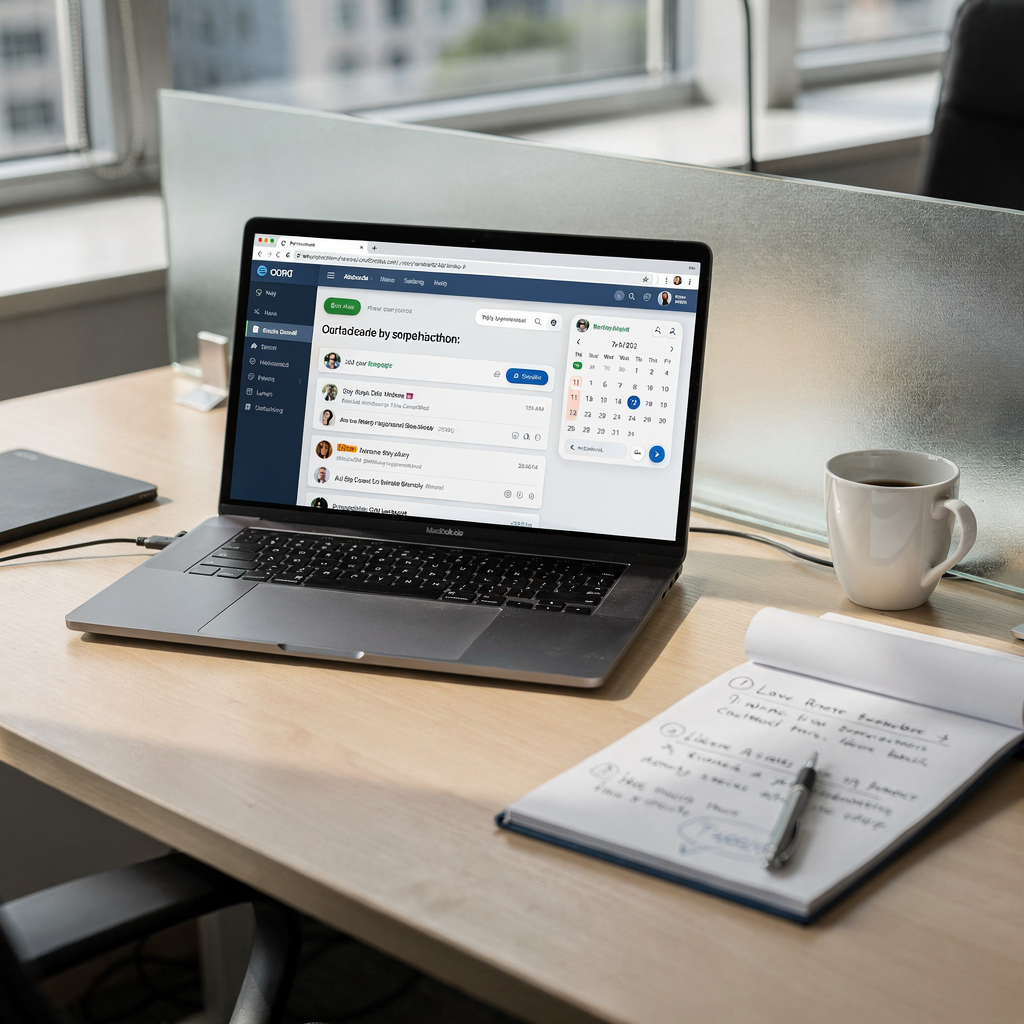
Practical tips matter. Use short, plain-subject lines and a clear call to action. Add a scheduling link to reduce back-and-forth. Track open and reply rates in the same place you track hires. If you use tools like Workable or Greenhouse, you get built-in tracking and candidate history inside the applicant tracking system. For teams that want to automate but keep control, add a human review step for senior roles. Finally, consider a pilot with one team to test message cadence and templates before scaling across recruiting teams.
Drowning in emails?
Here’s your way out
Save hours every day as AI Agents label and draft emails directly in Outlook or Gmail, giving your team more time to focus on high-value work.
automate outreach workflows: choose an automation tool and compare recruitment automation tools and outreach tools
Start by mapping a simple recruitment workflow. Typical building blocks include sourcing, segmentation, personalised templates, sequencing, scheduling and human hand-off. First, source candidates from job boards and referrals. Next, segment by role and experience. Then add personalised templates. After that, sequence emails and scheduling. Finally, hand off interested applicants to the recruiter for interview.
When you compare tools, focus on features like personalization tokens, multi-channel support, scheduling automation, analytics and GDPR controls. Also check human-in-loop escalation and whether the platform links to your ATS or CRM. For example, some tools offer multi-touch email plus SMS. Others focus on deep ATS integration and candidate records. Choose a tool that matches your data flows and compliance needs.
Run a short pilot for 4–6 weeks. Track reply rate, time-to-interview, and drop-off. Test Workable, Greenhouse, Gem, Recruiterflow and Beamery to see which fits your team. If you work in logistics or operations, see resources on scaling email drafting and operational correspondence with AI agents at virtualworkforce.ai to compare how full-lifecycle automation looks in practice corespondență logistică automatizată. Also explore guidance on scaling logistics operations without hiring for ideas you can adapt to recruiting cum să îți extinzi operațiunile logistice fără a angaja personal.
Finally, consider security and governance. Use compliance tools and data controls. Document escalation paths. This reduces risk while you automate more of the recruitment process.
recruitment email automation workflows: set sequences for recruitment email, candidate outreach and engagement automation
A clear email sequence keeps candidates engaged. Start with a five-step plan. Step one is an initial personalised outreach. Step two is a first followup after three to five days. Step three is a second followup with a clear CTA after seven to ten days. Step four is an interview invite with a calendar link. Step five closes the thread or adds the person to a nurture list. This simple email sequence balances persistence and respect.
Monitor specific metrics. Open rate and reply rate tell you if subject lines and templates work. Time-to-first-reply shows how quickly your outreach prompts a response. Interview-show rate measures whether your scheduling links and reminder messages keep commitments. Aim to reduce response time and increase replies without spamming. Use analytics to adjust cadence and content.
Best practice is to keep engagement automation human in tone. Use AI to draft the initial outreach, but review messages for accuracy and tone. Set thresholds for manual takeover. For example, senior candidates, unclear replies or negotiation should trigger a recruiter review. Also include automated updates and confirmation email steps so applicants know the next action. For teams seeking more advanced drafting tied to operational data, virtualworkforce.ai demonstrates how AI agents automate full email lifecycles with deep data grounding for accuracy and traceability asistent virtual pentru logistică.
Remember to respect privacy and consent. Keep unsubscribe and data requests easy to execute. This protects your employer brand and candidate experience while you scale outreach.
Drowning in emails?
Here’s your way out
Save hours every day as AI Agents label and draft emails directly in Outlook or Gmail, giving your team more time to focus on high-value work.
recruiter playbook: AI, template use and email outreach tools to protect employer brand and hiring tools
Protecting employer brand starts with consistent tone and accurate role details. Use templates to keep language aligned with your standards. Let AI draft variations, but require recruiter review for sensitive hires. Human oversight prevents errors and preserves reputation. Also use confirmation email messages after key steps to reassure candidates that their application moved forward.
Set human-in-loop rules. For example, allow AI to suggest replies and route routine queries automatically. However, require live review for offers and complex negotiation. Leadership adoption can lag, so create governance documents and training to speed adoption. As McKinsey notes, “The biggest barrier to scaling AI in recruitment is not employee resistance but leadership’s hesitation to steer fast enough” (McKinsey).

Manage risks with clear controls. Use GDPR-compatible data handling. Run bias checks on message phrasing and selection filters. Track KPIs such as reply rate, candidate NPS, time-to-hire and quality-of-hire to justify tool investment. If you need logistics-specific examples for accuracy and data grounding, review how AI can improve customs and freight correspondence at virtualworkforce.ai IA pentru comunicarea cu expeditorii de mărfuri. Finally, maintain transparent policies about AI use so candidates and stakeholders know when automation acts and when humans do.
implement and scale: pick source channels, align recruitment marketing and the hr team to recruit with recruitment automation
Implementation begins with choosing source channels. Use job boards, referrals, social links and internal talent pools. Next, integrate your chosen systems with your ATS and CRM. Then run a pilot for a single role or team for four to six weeks. Track key metrics and iterate. Train the HR team on new workflows and escalation rules before expanding.
For cost and ROI planning, list tool fees and estimate time saved per hire. Include gains from improved reply rates and reduced time-to-interview. Use those numbers to calculate how many hires the tool must save to break even. Also document change management steps. Secure leadership buy-in with a clear pilot plan, SLAs and measurable outcomes.
When you scale, align recruitment marketing and the hr team so the message and the employer brand stay consistent. Automate notifications and reporting to keep stakeholders informed. Use automation to send interview reminders and status updates, but keep the final offer discussion human-led. If you want a fast path to automate operational email at scale, explore how end-to-end email automation can speed responses and reduce errors in operations and logistics contexts at virtualworkforce.ai cum să îmbunătățiți serviciul pentru clienți în logistică cu IA.
Finally, review performance quarterly. Update templates, adjust sequences and retrain models as needed. With the right pace and governance, you can transform hiring tools into reliable systems that help recruiters reach more candidates without lowering quality.
FAQ
What is automated recruitment email handling?
Automated recruitment email handling uses AI and automation to process inbound candidate messages. It can sort, tag, reply, schedule interviews and escalate items to humans when needed.
How does email automation improve candidate experience?
Email automation delivers faster responses, clarity on next steps and consistent messaging. These improvements reduce candidate anxiety and improve overall candidate experience.
Which tools should recruiters test first?
Start with popular ATS and outreach tools like Greenhouse, Workable, Gem and Recruiterflow. Run short pilots to compare reply rate, time-to-interview and drop-off.
Can AI draft messages without harming employer brand?
Yes, when you use templates and human review. AI can draft messages quickly, but recruiters should approve content for senior roles and sensitive cases to protect brand.
How long should an email sequence run?
A common sequence uses a five-step cadence over two to three weeks. That often balances persistence and respect while raising reply rates.
What metrics should teams monitor?
Track open rate, reply rate, time-to-first-reply and interview-show rate. Also monitor candidate NPS and time-to-hire to measure long-term impact.
How do we ensure compliance when automating emails?
Use GDPR controls, consent management and secure data flows to your ATS or CRM. Document your policies and run audits on automated message content.
When should a recruiter take over from automation?
Trigger manual takeover for senior candidates, unclear replies or salary negotiation. Also route unusual or urgent issues to a human quickly.
Can automation handle hundreds of applications?
Yes. Automation starts by triaging and routing high volumes. This saves time and lets recruiters focus on qualified candidates.
Where can I learn more about full-lifecycle email automation for operations?
Explore virtualworkforce.ai resources on how AI agents automate email lifecycles and ground replies in operational data for accuracy. Those pages show real use cases and ROI for teams that need deep data grounding.
Drowning in emails?
Here’s your way out
Save hours every day as AI Agents label and draft emails directly in Outlook or Gmail, giving your team more time to focus on high-value work.