


logistik: logistiska trender 2026 — den virtuella arbetsstyrkan omformar verksamheten
Det logistiska landskapet går in i en ny fas 2026, och virtuella team står i centrum för förändringen. Den globala logistikmarknaden uppgick till ungefär 1,5 biljoner US-dollar 2025, och fjärrmodeller växer snabbt. Till exempel visar branschrapporter att omkring cirka 45 % av logistikföretagen hade integrerat hybrid- eller helt fjärrbaserade modeller för minst 30 % av rollerna senast 2026. Denna förändring speglar molnimplementering, bättre samarbetsplattformar och minskat kontorsfotavtryck i distributionscentrum och backoffice.
Vilka roller blir virtuella? Planerare, kundservice-team, dataanalytiker och nätverksstyrtornsteam går online först. Kontrolltorn centraliserar beslutsfattande och ger teamen en enda sanningskälla. Som ett resultat kan företag minska ledtider och sänka kostnader kopplade till stora centralkontor. Till exempel minskade ett nätverkskopplat kontrolltorn som använder delade instrumentpaneler och molnanalys centralkontorets personalstyrka och förkortade beslutscykler i en nyligen dokumenterad pilot av branschanalytiker som utforskar framtidens leveranskedjor. Piloten visade också snabbare respons vid transportörsavvikelser och bättre samordning i logist nätverket.
Företag som vill skala virtuella team måste integrera moderna digitala plattformar. virtualworkforce.ai visar hur no-code AI-e-postagenter kan minska repetitiv e-posthantering och omedelbart visa ERP/TMS-kontext, så att fjärrpersonal svarar snabbt och korrekt. I praktiken minskar detta handläggningstid per meddelande från cirka 4,5 minuter till ungefär 1,5 minuter, och frigör därmed planerare och kundnära personal att fokusera på undantag istället för rutinmässiga uppslag.
För att visualisera adoption är ett litet diagram som jämför hybrid-/fjärrnivåer 2023 och 2026 användbart för att låta intressenter se momentum och motivera investeringar. Dessutom bör ledare kartlägga rolltyper, nödvändiga verktyg och säker åtkomst innan de rullar ut bredare program. Slutligen, även om skiftet sänker kontorskostnader, kräver det också nya ledningsstrategier för kultur och prestation i den moderna logistikeran.

arbetsstyrka, ai och digital transformation i hela leveranskedjan för att förbättra beslutsfattandet
AI och digital transformation är de dubbla motorerna som låter distribuerade team fatta snabbare och mer korrekta beslut i hela leveranskedjan. Fjärrplanerare använder delade instrumentpaneler, molnanalys och automatiska larm för att agera som om de vore på plats. Som forskning visar förväntas AI-drivna verktyg ge cirka 20 % produktivitetsökning i logistiken till 2026, och därigenom öka lyhördheten i orderflöden och hantering av avvikelser AI inom logistik 2026. Dessa vinster uppstår när teamen antar digitala tvillingar och kombinerar dem med nästintill realtids telemetri.
Utbildning är nästan lika viktig som verktygen. Fram till 2026 kör många företag—ungefär 60 % i senaste undersökningar—kontinuerliga digitala utbildningsprogram med fokus på AI-kunskap, cybersäkerhet och fjärrprojektledning enligt Deloitte. I praktiken innebär detta lärandevägar för analys, strukturerad eskalering och hur man tolkar automatiserade rekommendationer från AI. Följaktligen förbättras beslutsfattandet och felprocenten sjunker. Dessutom behåller företag som investerar i tillgängligt, rollbaserat lärande högre personalbehållning och accelererar införandet av nya system.
Operationellt ser stacken ut så här: dataingestion från transportörer och leverantörer, molnlagring, AI-modeller som poängsätter risk och föreslår åtgärder, samt kollaborativa gränssnitt som låter fjärrteam acceptera eller ändra rekommendationer. Dessutom måste företag stärka datastyrning och koppla sitt ERP/TMS för att undvika siloade svar. virtualworkforce.ai’s no-code-agenter integreras med ERP- och TMS-system så att e-postdrivna beslut förblir förankrade i auktoritativa data. Därigenom minskar team manuell uppslagstid och de behåller trådsmedveten kontext i delade inkorgar.
Slutligen bör ledare betrakta övergången som digital transformation plus förändring i människor. Investera i AI, men också i kontinuerligt lärande och i tydliga eskaleringsregler. Den kombinationen levererar pålitliga, mätbara förbättringar i servicenivåer, leveranstider och den övergripande moderna logistiska prestationen.
Drowning in emails?
Here’s your way out
Save hours every day as AI Agents label and draft emails directly in Outlook or Gmail, giving your team more time to focus on high-value work.
automation, robotics and autonomous systems in warehouse and fulfillment: optimise with digital twin and warehouse analytics
Automation, robotics, and autonomous systems are reshaping warehouse and fulfillment operations. Collaborative robotics and autonomous mobile robots are now common in many distribution centers, and they pair with automated sortation to accelerate order fulfillment. Companies deploy these systems to optimize throughput, to rebalance labour, and to smooth seasonal peaks without hiring large temporary teams.
Digital twin technology complements physical automation by letting operators simulate peak loads, test layout changes, and forecast disruptions before making real changes. Case studies from 2024–25 pilots show that combining warehouse analytics with digital twins unlocks measurable throughput gains and faster fulfilment cycles. For instance, pilots that used predictive analytics to stage inventory closer to packing lines cut pick times and sped order fulfillment by noticeable margins. Those results scaled into rollouts through 2026 as firms standardized digital twin models across multiple sites.
Practical implementation means connecting sensors, a warehouse management system, and analytics dashboards. A warehouse management system coordinates inventory, and analytics feed optimization models that recommend pick paths and replenish tasks. Also, automated systems let managers shift tasks between humans and robots based on demand and on labour availability. This approach helps reduce costs and maintain service levels during unusual demand spikes.
One useful visual is a before/after table showing throughput and labour mix. It helps leadership see ROI on robotics and software investments. Meanwhile, pilot projects should include change-management plans and training for staff who will work alongside robots. Likewise, safety governance and clear rules for human‑robot interaction remain essential. As autonomous technologies mature, logistics companies that integrate them with warehouse analytics and digital twin simulations will lead in speed, cost, and reliability.
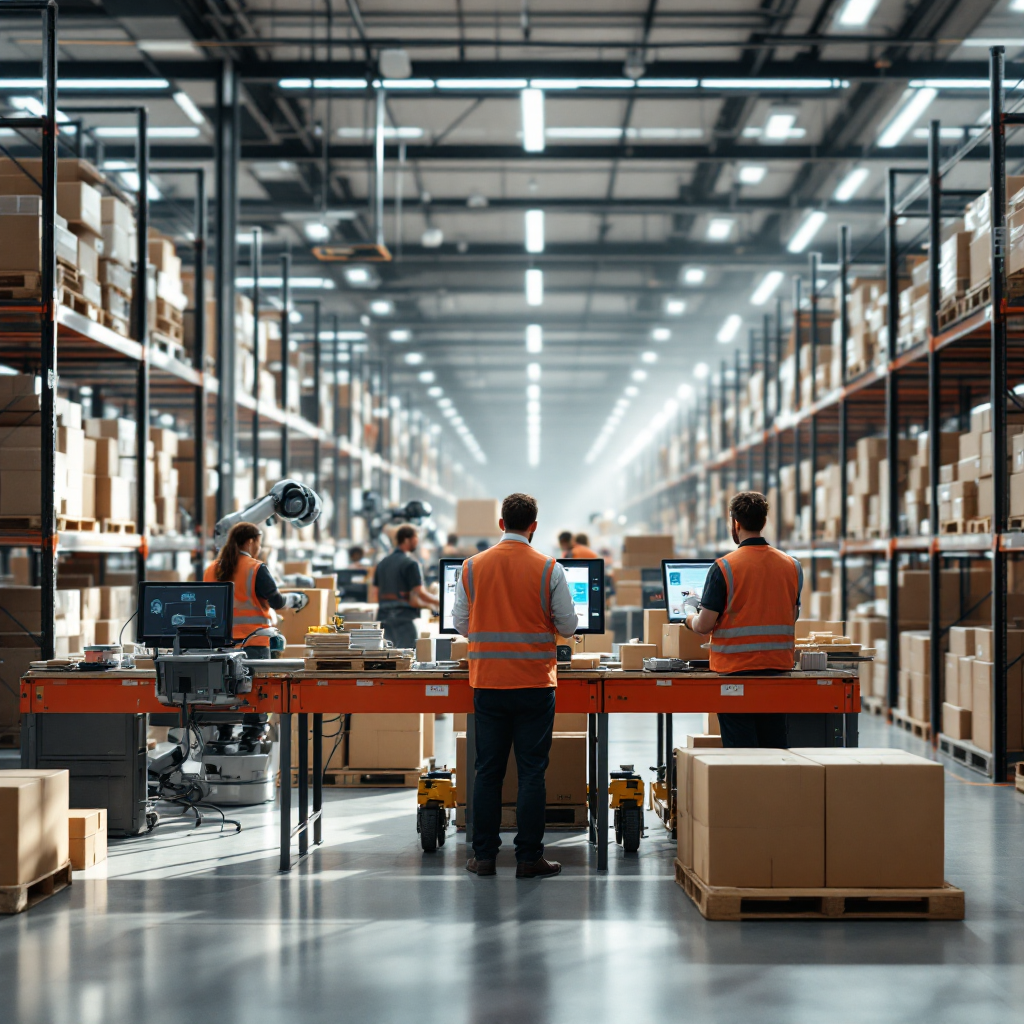
visibility and real-time data analytics to automate operations and enhance optimization
Visibility and real-time analytics are the backbone of automated, resilient operations. IoT sensors, telematics, and edge processing deliver location, condition, and ETA information. Then, analytics ingest that stream to automate rerouting, inventory rebalancing, and exception handling. Research indicates that IoT-enabled virtual teams report about a 30% reduction in operational delays and a 25% improvement in customer satisfaction when they use integrated telemetry and dashboards studier om lastbilar och IoT. Those gains show up where teams act on data quickly and where workflows are clearly automated.
The technology stack runs from sensors to dashboards. First, sensors capture status. Next, edge processing filters and anonymizes data to reduce latency. Then, cloud analytics normalize feeds and produce a single version of truth for remote teams. Finally, workflow automation tools push actions—like carrier swaps or reroutes—into execution systems. Prioritise clean, centralised data if you want reliable automation results.
One practical tip is to standardize telemetry formats and to enforce data quality controls at the ingestion layer. Also, integrate TMS and ERP feeds early so that dashboards show inventory levels, carrier performance, and exception history in one place. virtualworkforce.ai integrates with TMS and WMS sources to ground communications and to reduce back-and-forth while preserving audit trails. Consequently, operations teams can automate repetitive correspondence and focus on high-value decisions.
When teams combine visibility with decision engines and with rules-based automations, they can optimize routes, reduce empty miles, and lower energy consumption. Furthermore, companies should measure OTIF, carbon per shipment, and fulfillment cycle time to track progress. In sum, clear visibility plus real-time analytics and automated actions create a more efficient, transparent logistics network that supports modern logistics goals.
Drowning in emails?
Here’s your way out
Save hours every day as AI Agents label and draft emails directly in Outlook or Gmail, giving your team more time to focus on high-value work.
supply chain resilience, risk management and disruption: how logistics companies prepare for geopolitical tensions in 2026
Supply chain resilience is a top priority for logistics leaders in 2026 as geopolitical tensions continue to shape global trade flows. To prepare, firms combine scenario planning with digital twin simulations, multi‑sourcing strategies, and agile control towers. These levers let remote teams rehearse contingencies and shift flows quickly. For example, a resilient supply chain plan will specify alternative carriers, additional inventory buffers at regional hubs, and contract clauses that allow rapid supplier changes.
Risk management for remote operations also requires enhanced cybersecurity and strong data governance. As operations become more connected, protecting endpoints and enforcing role-based access is essential. Companies should also monitor supplier health through automated scoring and by integrating signals into daily dashboards. Practically, run quarterly tabletop exercises that let remote teams work through simulated disruptions using digital twins and verified data feeds. Doing so improves reaction time and maintains service levels when real disruptions occur.
Leaders must also balance cost and resilience. For example, adding a secondary sourcing lane increases supply assurance but may raise landed costs. Use analytics to quantify the tradeoffs, and then prioritize changes that reduce lead-time variability while helping to reduce costs over time. virtualworkforce.ai helps teams maintain accurate, timely communications with suppliers and carriers during disruptions, and so reduces email-driven confusion when speed matters most.
Finally, integrate resilience metrics into performance reviews. Reward teams for keeping delivery times stable during stress, and for maintaining service while protecting margins. That alignment turns resilience from a compliance task into an operational strength, and it helps shape long-term strategic investments that make the network more resilient.
sustainability, optimization, data analytics and trends shaping workforce development
Sustainability and optimization increasingly influence logistics decision-making. Routing that minimizes empty miles and smarter inventory placement reduce energy consumption and cut the environmental impact of distribution. Data analytics help balance cost, speed, and carbon targets in fulfillment decisions. For example, choosing slightly slower lanes that combine volumes can reduce carbon per shipment while keeping service levels acceptable.
Workforce development in this context focuses on reskilling for analytics, AI, and cybersecurity. Offer targeted pathways that teach people to interpret model outputs and to manage exceptions. Also, update hybrid work policies so that remote teams remain connected to on-site colleagues. Track metrics like fulfillment time, OTIF, carbon per shipment, and remote productivity to measure progress.
Operationally, pilot the right technologies first. Start with a digital twin for a critical distribution center, add real-time visibility to one freight lane, and then trial autonomous mobile robots in a single picking zone. Measure outcomes, then scale the winners. In parallel, embed management system changes so that new tools change how decisions are made, rather than simply automating old practices.
As part of this, logistics companies should focus on alignment between sustainability goals and business targets. For instance, combining optimization engines with carbon-aware routing yields both cost savings and lower emissions. Finally, maintain a clear roadmap for career paths that link learning outcomes to promotion tracks. That way, the shift toward AI, automation, and analytics becomes an opportunity for staff to advance while the company builds a resilient, efficient, and sustainable logistics sector.
FAQ
What are the central 2026 logistics trends for companies to watch?
The central trends are the rise of virtual teams, widespread use of AI and digital twins, expanded automation in warehouses, and stronger emphasis on visibility and resilience. These trends that will shape the year ahead combine to reduce lead times, improve service levels, and lower operating costs.
How does AI improve decision-making across the supply chain?
AI analyzes large data sets to highlight risks, suggest reroutes, and prioritize exceptions, so teams make faster, evidence-based choices. In addition, AI-driven tools reduce manual lookups and produce recommended actions that remote teams can accept or adapt.
Which logistics roles are most likely to become virtual?
Supply chain planning, customer service, data analysts, and control-tower teams are the most likely to work remotely or in hybrid models. These roles depend primarily on data access and collaboration tools rather than physical handling of goods.
What benefits do digital twins bring to warehouse management?
Digital twins let operators simulate layout changes, forecast disruptions, and test resource allocation without physical risk. They optimize throughput, support better labor mix decisions, and accelerate rollout of robotics and automation.
How can companies improve supply chain visibility?
Start by standardizing sensor data and integrating TMS and ERP feeds into a single dashboard, and then automate rules for common exceptions. Clean, centralised data unlocks reliable automation and faster responses from remote teams.
What steps strengthen supply chain resilience against geopolitical disruption?
Implement scenario planning with digital twins, diversify suppliers, maintain contingency carrier options, and run regular tabletop exercises. Also, ensure cybersecurity and supplier monitoring are in place so remote operations stay secure.
How does sustainability fit into modern logistics strategies?
Sustainability drives routing choices, inventory placement, and fleet decisions that reduce carbon per shipment and energy consumption. Data analytics help balance environmental goals with cost and delivery time targets.
What skills should logistics teams build in 2026?
Teams should focus on AI literacy, analytics interpretation, cybersecurity basics, and remote project management. Continuous training programs help workers adapt and improve decision-making across the supply chain.
How do no-code AI email agents help logistics operations?
No-code AI email agents integrate ERP, TMS, WMS, and email history to draft context-aware replies and to log activity automatically. This reduces repetitive work, improves accuracy, and accelerates response times for customer and carrier communications.
Which KPIs should leaders track when moving to virtual operations?
Track fulfillment time, OTIF, carbon per shipment, remote productivity, and response times to exceptions. These indicators show whether investments in AI, visibility, and automation deliver the intended benefits.
Drowning in emails?
Here’s your way out
Save hours every day as AI Agents label and draft emails directly in Outlook or Gmail, giving your team more time to focus on high-value work.