


AI och förlag: varför en AI-assistent kommer att effektivisera förlagsarbetsflödet
Förlag möter en ständig ström av uppgifter som bromsar vägen från manus till färdig produkt. AI kan hjälpa här på praktiska sätt och inte som en ersättning för mänsklig expertis. En AI-assistent kan hantera repetitiva uppgifter, vilket låter redaktörer fokusera på omdömen och kvalitet. Ändå visar större studier att försiktighet krävs. En omfattande rapport fann att AI-svar på nyhetsfrågor hade problem i omkring 45 % av fallen, och källhänvisningsproblem i ungefär 31 % av svaren (EBU-rapport). Den statistiken säger en sak tydligt: mänsklig granskning är avgörande. En annan studie visade att allmänhetens komfort med helt AI-producerade nyheter endast var 12 % och ökade när människor var involverade (Reuters Institute). Användningsfall för förlag är praktiska och mätbara. Till exempel minskar automatiska filkontroller före produktion undvikbara fel. Utkast till baksidestexter och reklamtexter kan produceras av en AI för senare redaktörsgranskning. Metadataförbättring och rättighetsspårning kan accelereras, vilket förbättrar upptäckbarhet och intäkter. Förlag som testar AI-lösningar rapporterar mätbara ökningar i backlistförsäljning när metadata förbättras. En förlagsassistent eller AI-drivet verktyg kan också snabba upp time-to-market och minska manuella fel. Ändå måste arbetsflödet utformas för att inkludera proveniens-taggar och redaktionell godkännande. För rättighetskänsliga uppgifter, integrera modellutdata med kontraktssystem och kräva mänsklig verifiering för juridiska klausuler. virtualworkforce.ai-modeller visar hur operativ automation kan befria team från e-post och administration, och liknande tillvägagångssätt gäller i redaktionella sammanhang. Detta tillvägagångssätt låter team fokusera på värdeskapande redigering och marknadsföring medan en assistent som hjälper till med rutinmässiga kontroller minskar flaskhalsar och håller kvaliteten hög.
Workflow automation designed to streamline content creation
Automation can save literal days in content creation without sacrificing quality. First, publishers should map repetitive tasks, then choose which to automate. Tasks suited to automation include text summarization, first-pass copy edits, genre tagging, and alt-text generation for images. AI also handles versioning and format conversions like ePub and print-ready PDFs. Use ai tools for initial drafts and to proofread basic grammar and style, but keep a human pass to preserve voice and context. Guardrails matter. Record which ai models produced which output. Add provenance tags so editors see sources and can verify claims. Maintain a two-stage edit: the ai-powered draft, then a human curator. KPI examples include time saved per title, reduction in manual errors, and shorter production cycles. Track a metric for time-to-publish and compare it before and after deployment. In practice, an automated metadata pipeline can feed marketing systems and speed up campaigns. When using ai, apply a retraction filter to prevent citation of retracted papers or unreliable sources; this is essential because AI still quotes retracted literature (Zendy). For content discovery, run A/B tests on descriptions to optimize click-throughs and conversion. Also, ensure data security and model access controls when you process proprietary data. Publishers can fine-tune models on internal style guides, and this helps refine tone and writing style. Overall, automation should let editors focus on high-quality decisions while the system handles repetitive tasks and file checks.

Drowning in emails?
Here’s your way out
Save hours every day as AI Agents label and draft emails directly in Outlook or Gmail, giving your team more time to focus on high-value work.
AI solutions to enhance metadata, discoverability and marketing
Metadata driver upptäckbarhet, så AI-lösningar som berikar metadata har direkt kommersiellt värde. Automatisk metadataförbättring kan tagga genrer, teman och nyckelord i stor skala, och detta förbättrar sökresultat och innehållsupptäckt. Använd en AI-driven pipeline för att föreslå SEO-optimerade beskrivningar och nyckelord för backlist. Förlag som investerar i automatiserad metadata ser ofta mätbara ökningar i upptäckbarhet och försäljning. Till exempel låter algoritmiska målgruppssegment marknadsförare köra optimerade kampanjer genom att rikta sig mot läsare som sannolikt konverterar. AI kan också analysera priselasticitet med automatiserade prisprovningar och rekommendera justeringar för kampanjer. När du integrerar metadatautgångar med butikernas API:er sprids ändringar snabbare över försäljningskanaler. Praktiska verktyg för förlag inkluderar rekommendationsmotorer, metadataplattformar och kampanjautomation som matar kataloger. Om du använder AI för att generera beskrivningar, kräva att en redaktör granskar och korrekturläser innan publicering. God praxis är att fästa en provenienstag och lista versionshantering för modellutdata. AI möjliggör snabbare A/B-testning för nyhetsbrevsämnesrader och marknadsföringskampanjer. Datadriven personalisering kan förstärka läsarengagemang genom rekommenderade läsningar och skräddarsydd e-post. virtualworkforce.ai visar hur automation minskar handläggningstid för repetitiva meddelanden; förlag kan tillämpa liknande automation på redaktionell korrespondens och kampanjutskick (automatiserad korrespondens). Dessutom, när AI hjälper till att generera metadata, bör det samarbeta med mänsklig expertis för att säkerställa noggrannhet. Detta blandade tillvägagångssätt förbättrar upptäckbarheten samtidigt som redaktionella standarder skyddas.
Scalable automation to empower editorial, rights and production teams
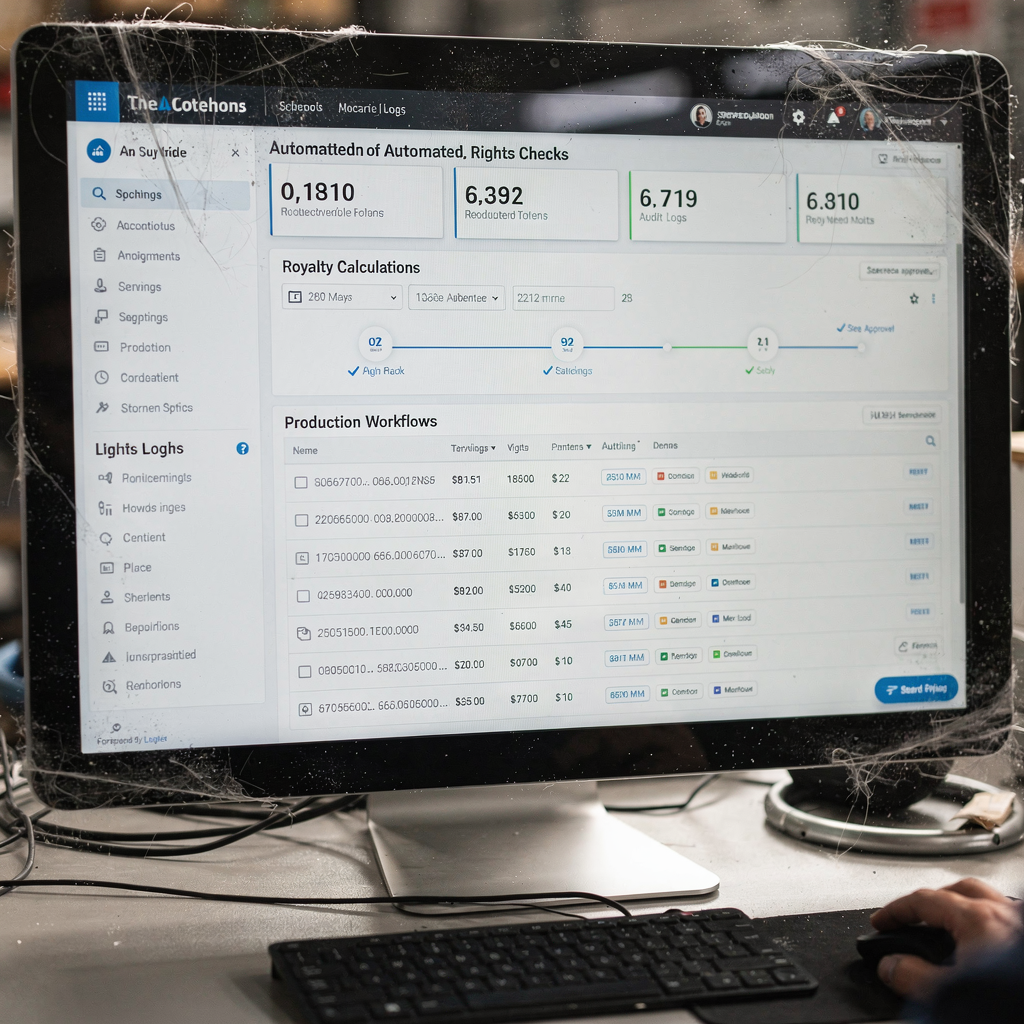
Scalable systems let publishing teams handle peaks and backlists without adding headcount. Automated rights checks, contract clause extraction, and royalty calculations can be handled by an assistant that helps across teams. Use machine learning to analyze contracts and flag non-standard clauses. Automated forecasts for print runs reduce waste and optimize cashflow. When you scale automation, maintain audit logs and access controls so every automated decision is traceable. Staged rollouts lower risk: pilot on low-risk backlist titles, measure KPIs, then expand to core workflows. Benefits include fewer bottlenecks, consistent processing for thousands of titles, and easier scaling during seasonal peaks. Rights teams gain a tool that extracts clauses, summarizes obligations, and tracks expiry dates. Production teams see faster submission-to-print timelines and fewer formatting errors. To empower teams, provide training and clear best practices for human-in-the-loop workflows. Keep a single source of truth for metadata and link it to marketing systems to avoid drift. For email-driven workflows and operational correspondence, the same patterns apply; virtualworkforce.ai reduces handling time and improves consistency in high-volume inboxes, a model that publishing operations can adapt (hur du skalar logistiska operationer utan att anställa). Risk control measures should include model versioning, supplier SLAs, and rollback procedures. Finally, add a stage for user feedback and continuous refinement. This lets teams fine-tune automated processes and keep focus on high-value editorial and rights work.
Drowning in emails?
Here’s your way out
Save hours every day as AI Agents label and draft emails directly in Outlook or Gmail, giving your team more time to focus on high-value work.
AI assistant with human oversight: controls to address accuracy, sourcing and trust
Accuracy and source transparency are core to trust. Surveys show low comfort with fully AI-made news at 12%, rising when humans take part (Reuters Institute). The EBU warned that AI assistants have sourcing and accuracy problems in roughly 45% of responses (EBU-rapport). Practical controls reduce those risks. Require citation tracking and source whitelists. Add retraction filters to prevent citing invalid research (Zendy). Implement a two-step verification process for factual claims and an editorial checklist that verifies sources and quotes. Use clear bylines and transparency statements when ai assists in content. Track which ai models produced each draft, and log versioning for audits. For operational email and editorial correspondence, tools that ground replies in proprietary data and ERP-like systems show how to keep automated text accurate; virtualworkforce.ai does this for operational emails by grounding replies in ERP and other systems (virtuell assistent för logistik). Train staff on best practices and require human expertise to finalize any content that makes empirical claims. Regular model output audits and error reporting help identify recurring failure modes. Finally, surface uncertainty in AI outputs so editors know when extra verification is needed. These controls let publishers benefit from automation while protecting credibility and user trust.
Implementing a publishing workflow that is designed to streamline and remain scalable
Rollouts must balance speed and governance. Start with pilot projects for low-risk tasks, then measure KPIs and expand. Pilots could focus on metadata enrichment, draft blurbs, or automated file checks. Measure accuracy error rate, sourcing failures, time-to-publish, and discoverability uplift. Also monitor user trust scores and sales lift as concrete metrics. Policies should mandate data provenance, model versioning, access controls, staff training, and supplier SLAs. Include a clear policy for data security and handling of proprietary data. Set up feedback loops so editors can flag recurrent issues and update prompts or models. Train staff on how to use prompts, how to proofread ai drafts, and how to summarize model output in editorial notes. For larger deployments, ensure the architecture is scalable and that audit logs capture automated decisions. Keep a sandbox for fine-tuning with internal style guides and provide a path to escalate uncertain queries to senior editors. Automation should focus on high-value outcomes: faster time-to-market, consistent metadata, and improved discoverability. Use a staged expansion: pilot → evaluate → expand → govern. The aim is not to replace human expertise but to amplify it. With policies and continuous monitoring, publishers can optimize workflows, improve the final product, and support cross-team collaboration. The potential of AI is real, yet it must be applied with care. By combining automated assistance and human verification, publishers can achieve measurable gains while preserving trust and editorial standards.
FAQ
What is an AI assistant in publishing?
An AI assistant is a software agent that helps with tasks like metadata tagging, draft generation, and basic copy edits. It accelerates parts of the publishing process while leaving final judgement to human editors.
Can AI replace editors?
No. AI helps with repetitive tasks and first-pass edits, but human expertise remains essential for judgement, accuracy, and voice. Studies show public trust improves when humans lead the process (Reuters Institute).
How do publishers control AI accuracy and sourcing?
Publishers use citation tracking, source whitelists, and retraction filters. They also require human-in-the-loop verification for factual claims and keep logs of which AI models produced each output.
Which tasks are best to automate first?
Start with low-risk, repetitive tasks such as metadata enrichment, file checks, and first-pass proofreading. These tasks provide fast wins and clear KPIs for time saved and error reduction.
How does AI improve discoverability?
AI can optimize descriptions, tag themes and keywords, and create audience segments for targeted campaigns. Better metadata typically leads to higher click-throughs and improved search results.
What governance is needed for scalable automation?
Governance includes model versioning, access controls, data provenance, supplier SLAs, and staff training. Audit logs and staged rollouts also help manage risk.
Are there risks with AI citing retracted papers?
Yes. AI sometimes cites retracted or unreliable sources. Implement retraction filters and require human checks for research citations to prevent credibility damage (Zendy).
How does an AI assistant help rights and royalty teams?
AI can extract contract clauses, calculate royalties, and forecast print runs. This reduces manual effort and speeds up legal and finance workflows while keeping audit trails.
Can publishers use AI for marketing and newsletters?
Yes. AI optimizes subject lines, personalizes content, and helps with automated campaign segmentation. Use human review to ensure brand voice and accuracy in outreach.
Where can I learn more about operational automation applicable to publishing?
Explore resources that show how AI agents automate email lifecycles and operational workflows, such as virtualworkforce.ai pages on automated correspondence and scaling operations (automatiserad korrespondens) and (hur du skalar logistiska operationer utan att anställa). These examples show patterns transferable to editorial workflows.
Drowning in emails?
Here’s your way out
Save hours every day as AI Agents label and draft emails directly in Outlook or Gmail, giving your team more time to focus on high-value work.